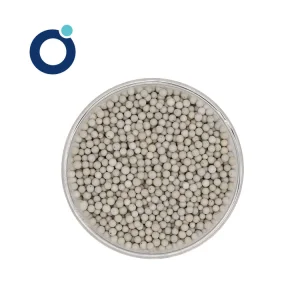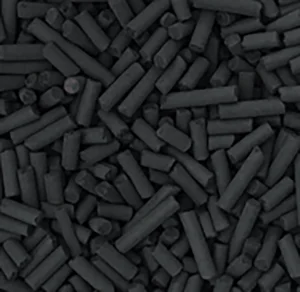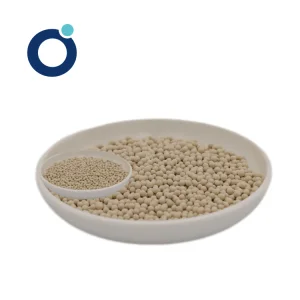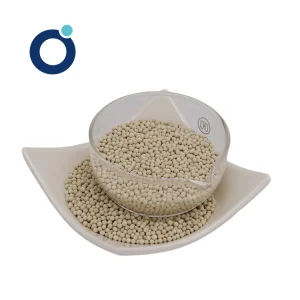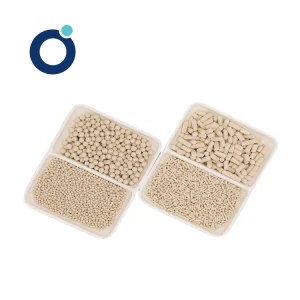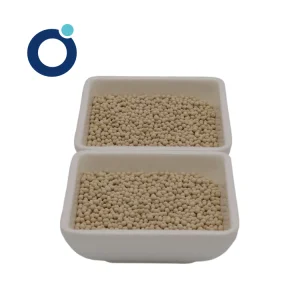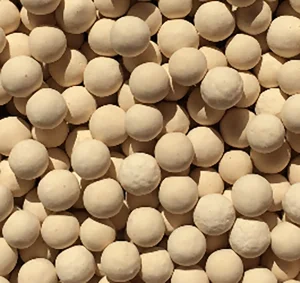
Explore our highly-engineered molecular sieves, alumina ceramic balls, and industrial-grade adsorbents optimized for continuous moisture and carbon dioxide control.
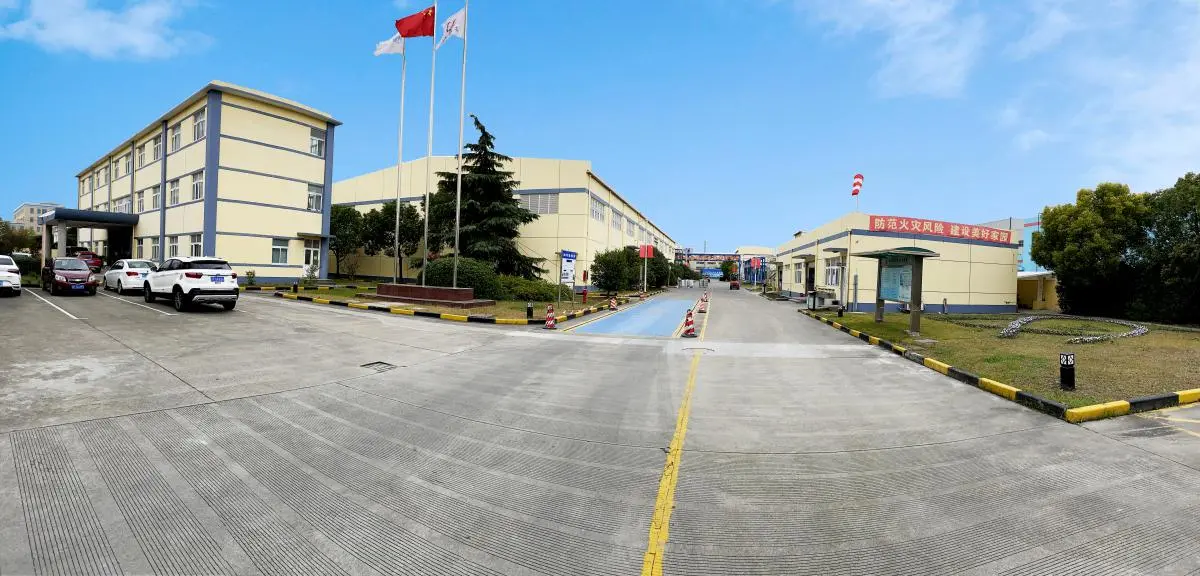
Established in 1994, Shanghai Jiuzhou Chemicals Co., Ltd. is positioned in China's foremost economic and technology hub, Shanghai. For three decades, our organization has steadfastly adhered to the baseline principles of "Quality Control & Continuous Innovation". We remain fully committed to the end-to-end development, research, and manufacturing of high-quality, innovative chemical materials, desiccants, and catalytic substrates.
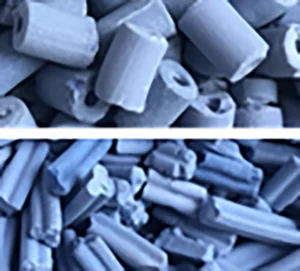
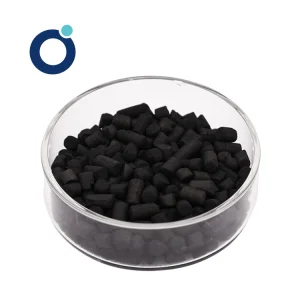
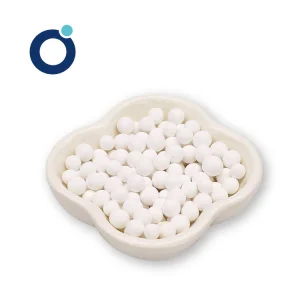
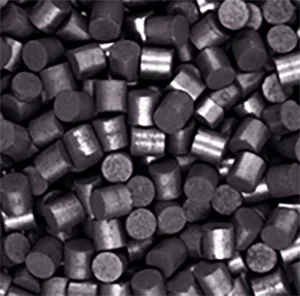
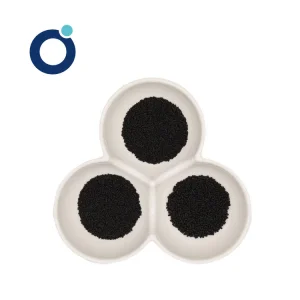
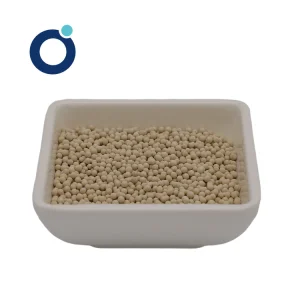
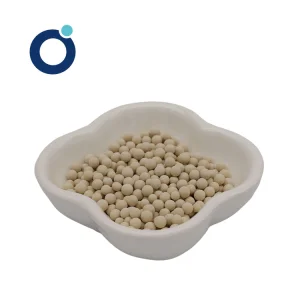
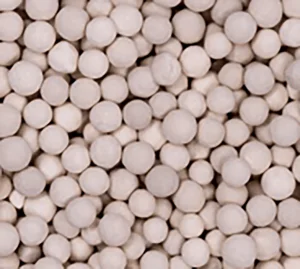
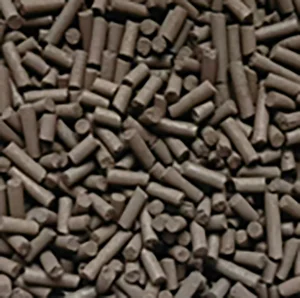
Our core industrial catalog consists of various molecular sieve powders, engineered molecular sieves, activated powder, premium activated alumina, aluminum oxide catalysts, diverse shapes and formulations of alumina tower packing, high-performance ceramic balls, sodium silicates, aluminum hydroxide, zeolite 4A, sodium carbonates, SLES, and related petrochemical absorbents.
All production processes and finalized batches strictly pass the ISO9001: 2008 Quality Management System Certification along with rigorous auditing certifications by TUV & SGS, guaranteeing that our materials meet and exceed strict international engineering expectations.
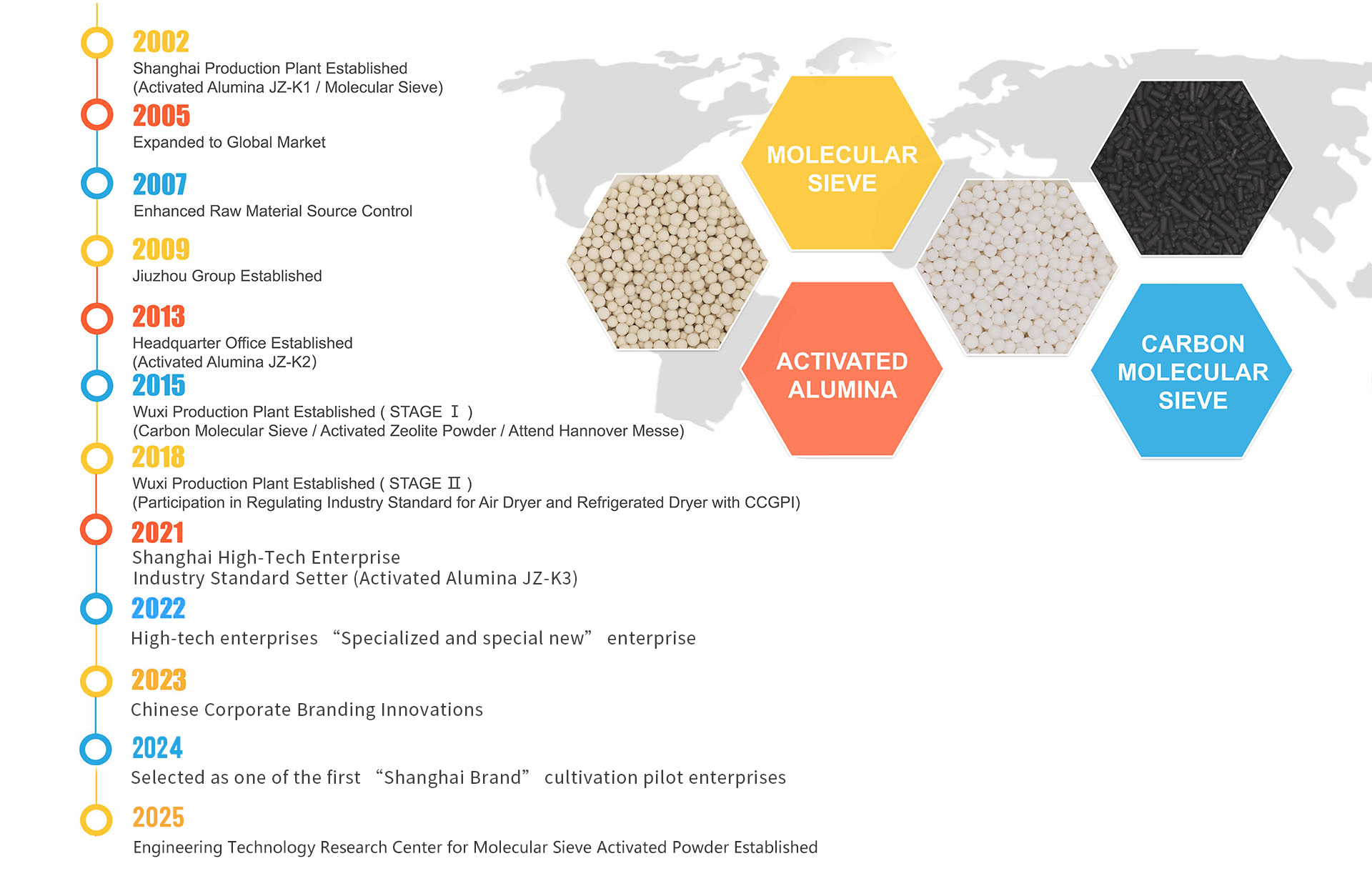
Time of Establishment
Countries with Trade Relations
Company Area (Square Meters)
Strategically situated manufacturing units utilizing state-of-the-art automation and advanced thermal activation systems.
In modern industrial air drying systems, compressed air purification is not just a utility but a critical infrastructure requirement.
Desiccant air dryers are engineered to lower the pressure dew point (PDP) to -40°C or even -70°C. Lowering water concentration to these levels prevents condensation, freezing, and subsequent mechanical failure of sensitive pneumatic equipment.
Jiuzhou desiccants boast optimized spherical uniformity and superior crush strength. High crush resistance prevents bead fracturing ("dusting"), ensuring a lower pressure drop across desiccant towers and saving thousands in annual compressor energy costs.
In heated purge and blower purge systems, thermal durability is paramount. Our molecular sieves and activated alumina are thermally stabilized to withstand repetitive desorption cycles without losing crystalline integrity or surface area.
Dryer beds generally utilize either Activated Alumina, Molecular Sieve, or a hybrid layering configuration. Activated alumina serves as a sacrificial pre-bed layer that absorbs the bulk of moisture vapor, shielding the downstream molecular sieve from liquid water spikes. The molecular sieve layer, with its uniform pore geometry (3Å, 4Å, 5Å, or 10Å), performs the high-affinity deep adsorption required to reach extremely low dew points.
Without regular replacement of these desiccants, systems run the risk of desiccant fouling due to lubricant aerosols carryover from compressors, leading to irreversible loss of operational pore volume.
Shanghai Jiuzhou Chemicals is not just a participant; we are an active contributor and standard setter for the industrial desiccant and air dryer sector.
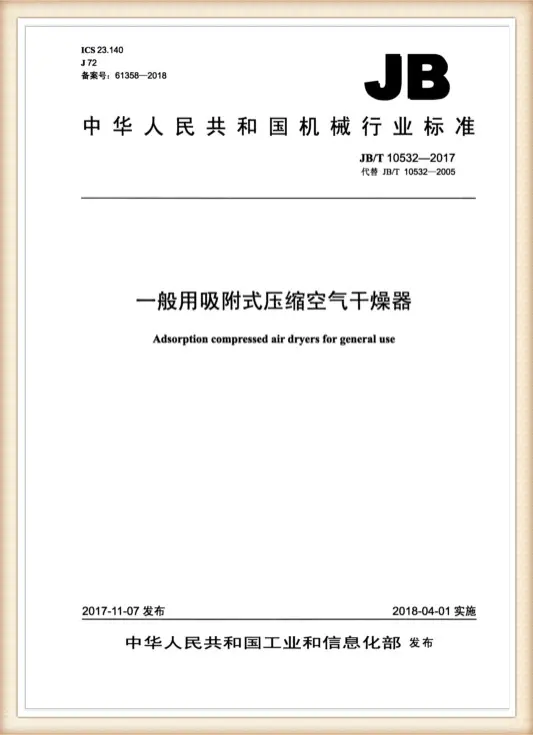
JB / T 10532-2017
Adsorption compressed air dryers for general use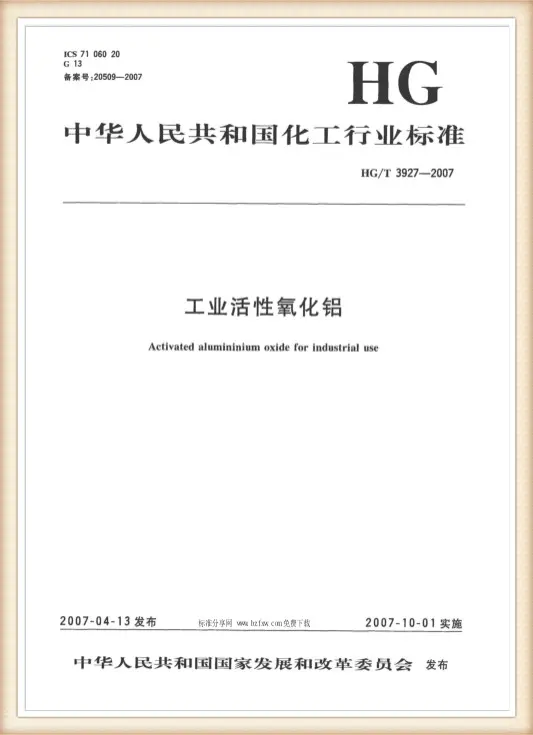
HG / T 3927-2007
Activated aluminum oxide for industrial use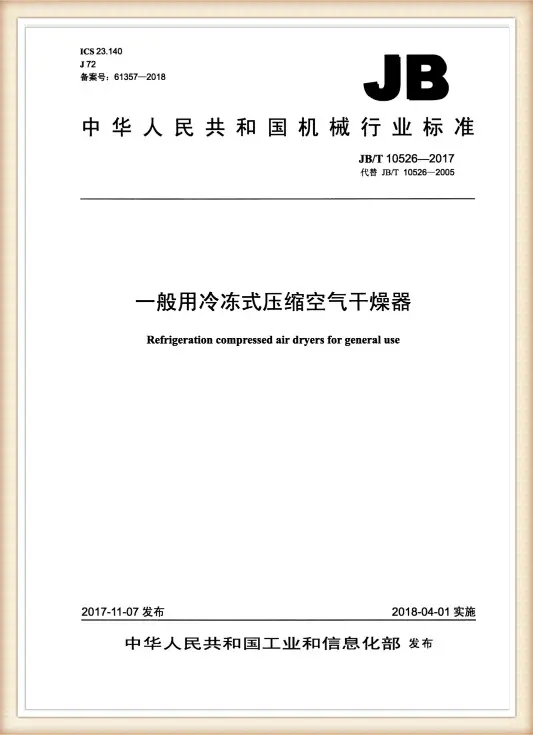
JB / T 10526-2017
Refrigeration compressed air dryers for general use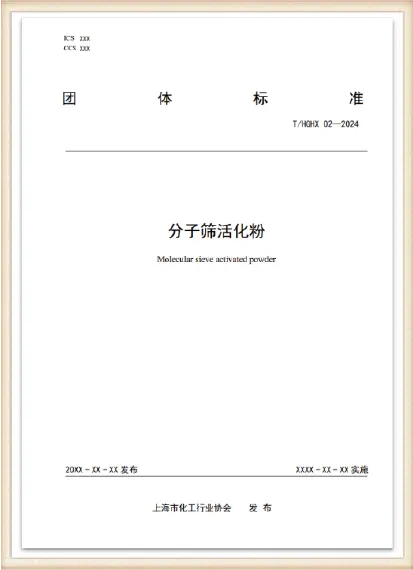
T/CGMA1201-2024
Advanced Compressed Air Dryer Specifications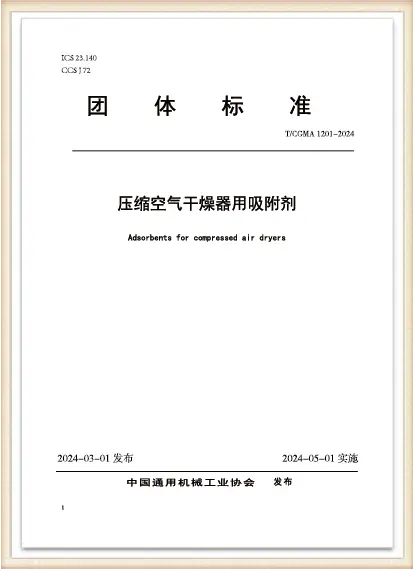
T/HGHX 02—2024
Chemical Adsorption Media Testing Standards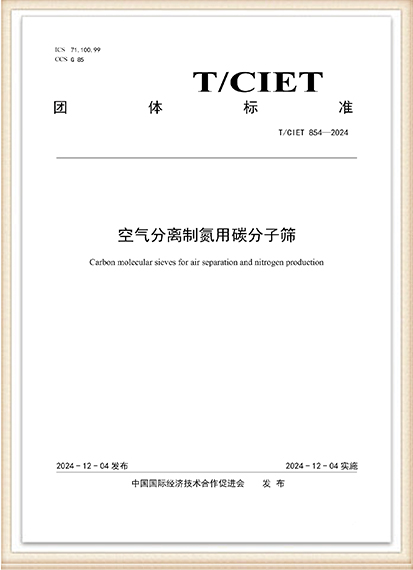
T/CIET 854-2024
Green Chemical Processing & Eco-adsorbent Regulations"Better air, Better life" — Building energy conservation solutions for a cleaner global ecosystem.


Jiuzhou's chemical research division is constantly pioneering the next generation of dynamic adsorption media. The upcoming generation of DuraChem and JooSorb materials targets specific industrial pain points, such as trace hydrocarbon co-adsorption and high-moisture acid-resistance.
Through state-of-the-art dynamic laboratory models, our engineers are simulating extreme operational environments (such as high-pressure marine compressors, offshore wind generation, and cryogenic nitrogen purification plants) to refine pore distributions and reduce reactivation temperatures, saving up to 25% of energy during regeneration steps.
Detailed technical answers for facility engineers, procurement managers, and maintenance teams looking to maximize desiccant life.
Continuous chemical options, custom synthetic zeolites, and targeted hydrocarbon-absorbing carbon molecular sieves.