
Explore our elite grade chemical products engineered for extreme selectivity, robust mechanical strength, and maximum adsorption efficiency.
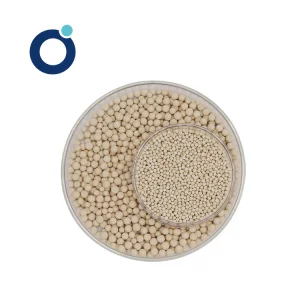
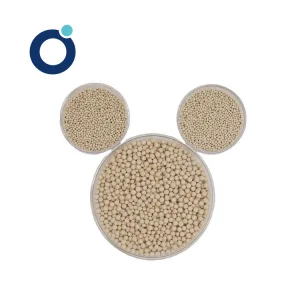
Understanding the chemical engineering principles, thermodynamic stability, and catalytic performance of advanced aluminum oxide structures.
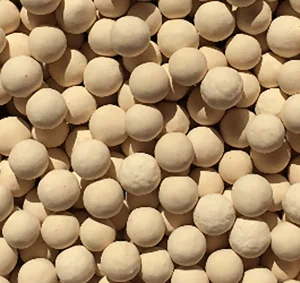
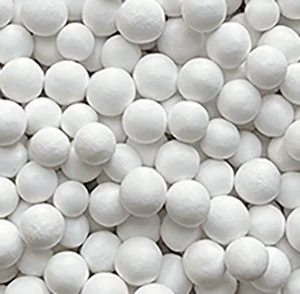
Alumina catalysts, primarily composed of transition-state aluminum oxides (such as gamma-alumina (γ-Al₂O₃) and theta-alumina (θ-Al₂O₃)), constitute the backbone of modern petrochemical, gas purification, and environmental catalysis technologies. Due to their customizable pore-size distributions, high thermal stability, and tunable surface acidity, these materials act either as active catalysts or as highly robust catalyst supports (carriers) for precious metals and metal oxides.
In the global chemical process industries (CPI), the requirement for catalyst longevity and extreme hydrothermal resistance is escalating. Our products are engineered through controlled precipitation and thermal activation protocols to guarantee a high surface area (typically exceeding 200–350 m²/g) and specific pore volumes that optimize diffusion pathways. This prevents early catalyst deactivation caused by carbon deposition (coking) and structural sintering under severe operating temperatures.
By altering the calcination temperature and phase transitions, we precisely control the density of Lewis acid and base sites on the alumina surface, maximizing selectivity in critical reactions like alcohol dehydration and Claus sulfur recovery.
Optimized pore size distributions minimize internal diffusion resistance, facilitating fast transport of bulky hydrocarbon molecules to active sites inside the catalyst matrix, significantly boosting conversion rates.
Enhanced crystalline structures prevent phase transitions to inactive alpha-alumina phases when subjected to high-temperature steam, preserving mechanical crush strength and surface morphology over extended cycles.
Located in Shanghai, the largest economic development metropolis in China, Shanghai Jiuzhou Chemicals Co., Ltd. has consistently adhered to the core philosophies of "Quality Control" and "Innovation". Over decades of intensive research and strategic manufacturing, we have positioned ourselves as a premier supplier of high-purity chemical adsorbents and catalyst materials globally.
Our expansive product portfolio covers premium molecular sieve powders, engineered molecular sieves, thermal-activated powders, activated alumina, specialized aluminum oxide catalysts, structural ceramic packing balls, sodium silicates, aluminum hydroxide, zeolite 4A, sodium carbonates (dense and light soda ash), and sodium lauryl ether sulfate (SLES). Each product batch undergoes strict chemical and physical characterization, certified by ISO9001:2008, and verified by TUV & SGS.
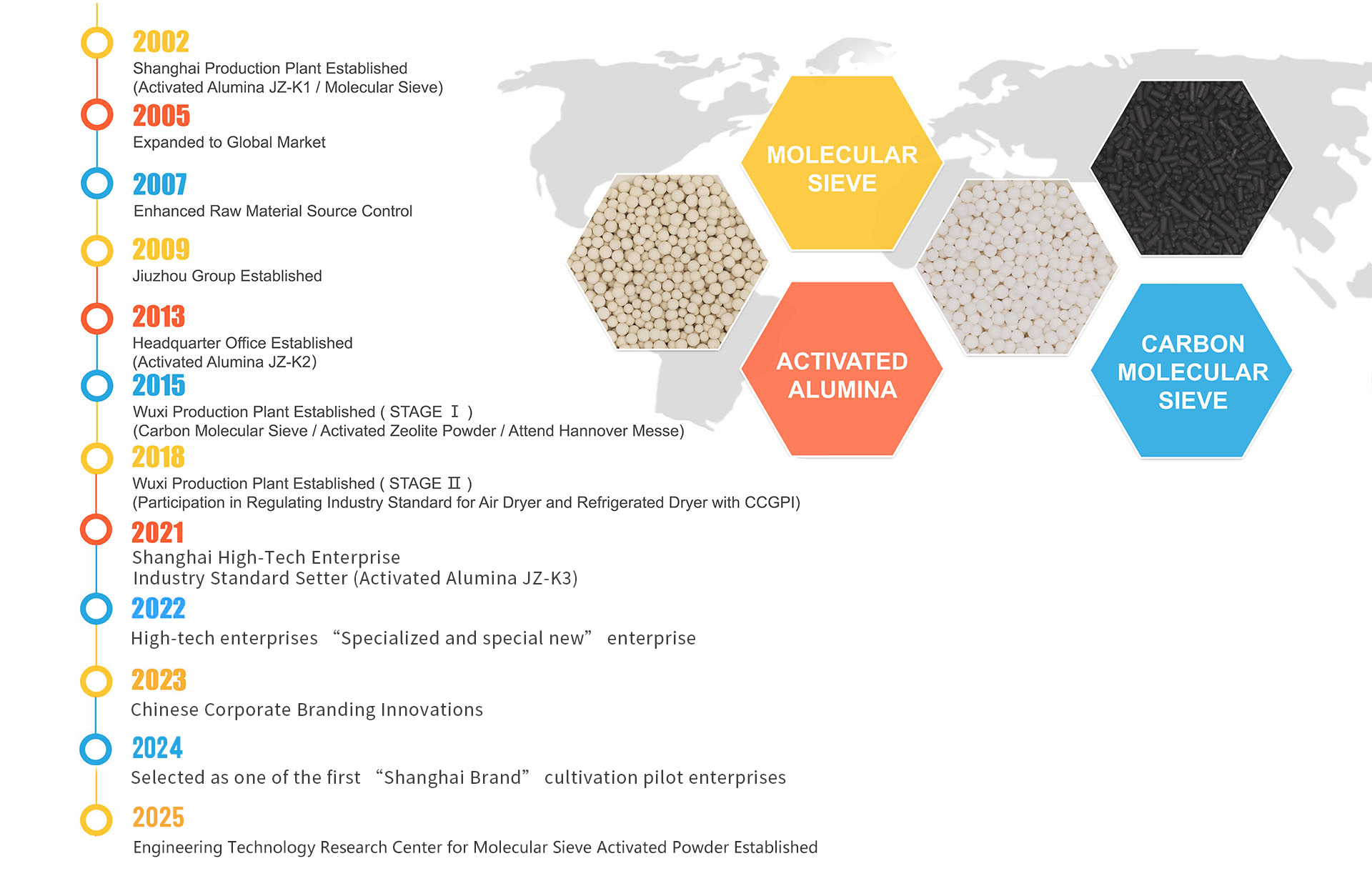
Ensuring supply-chain reliability, scale, and uncompromising quality standards through our domestic production hubs.
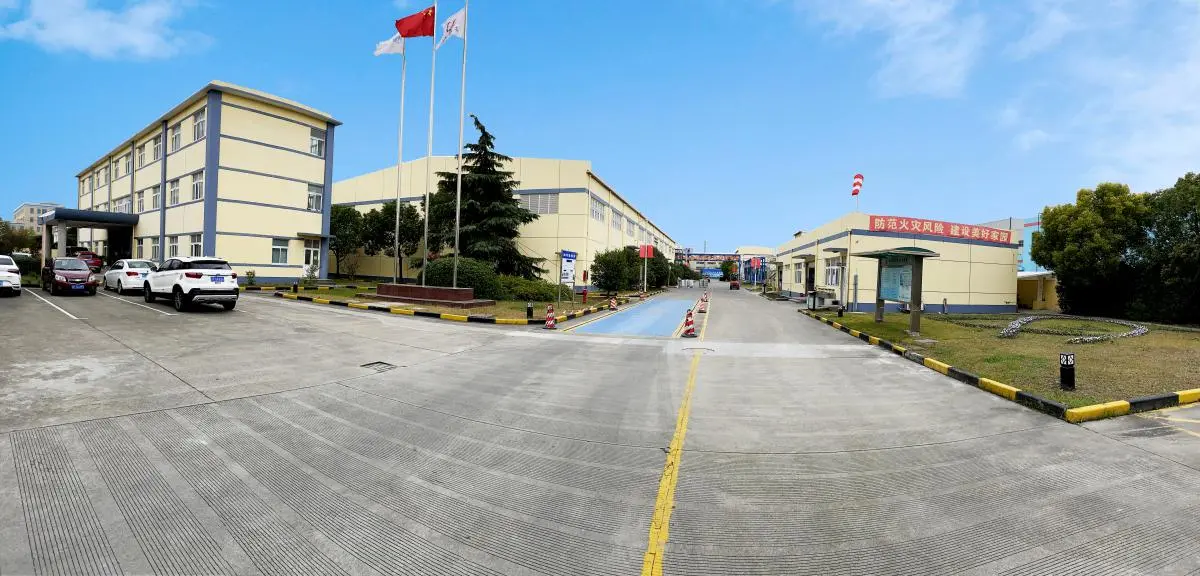
Serving as our central R&D and high-tech product manufacturing site. Equipped with state-of-the-art analytical equipment including XRD, BET surface area analyzers, and mechanical crush testers to assure batch consistency.

Our mass scale production hub specializing in the thermal activation, calcination, and pelletization of active alumina and molecular sieve series, catering to large-scale international petrochemical demands.
Our technical expertise is reflected in our contribution to local, national, and industry-wide manufacturing standards.
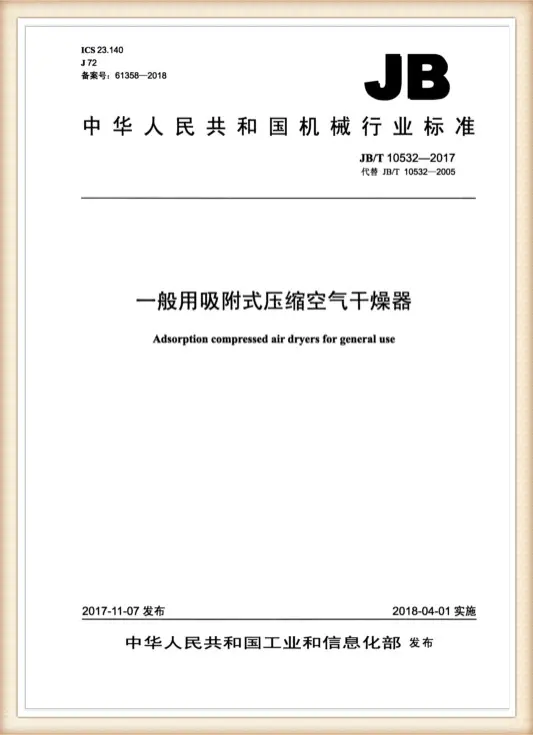
JB / T 10532-2017
Adsorption compressed air dryers for general use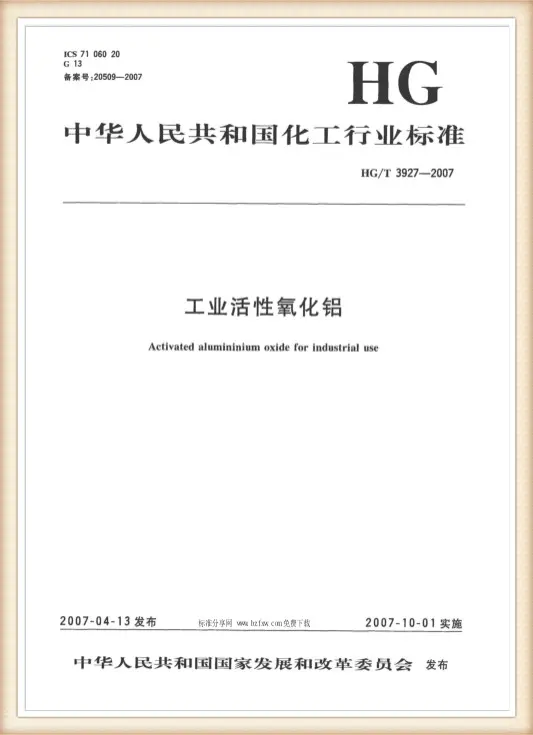
HG / T 3927-2007
Activated aluminum oxide for industrial use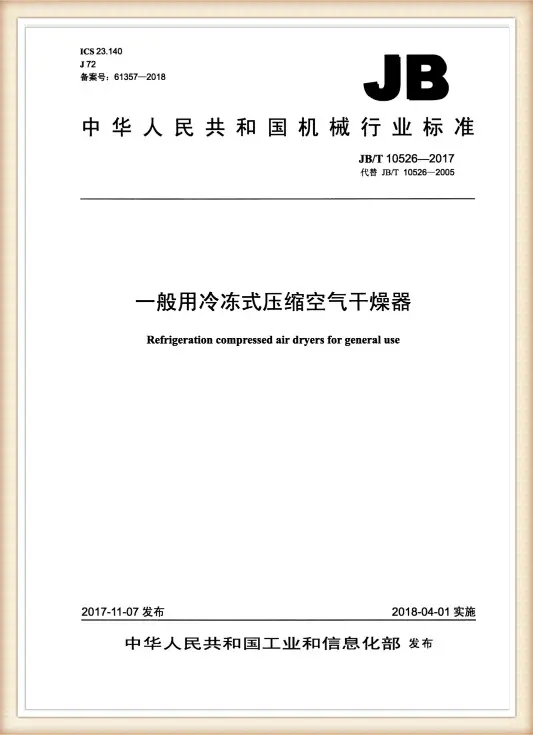
JB / T 10526-2017
Refrigeration compressed air dryers for general use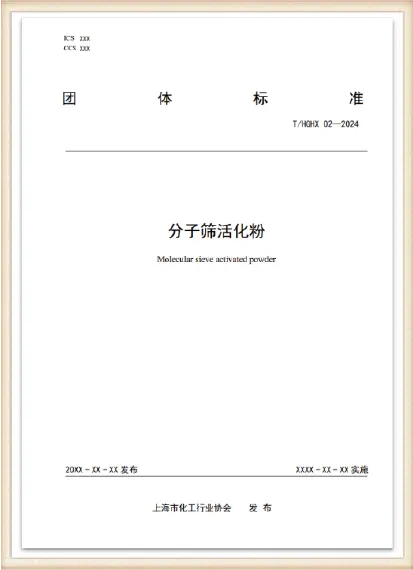
T/CGMA 1201-2024
Industry technical criteria framework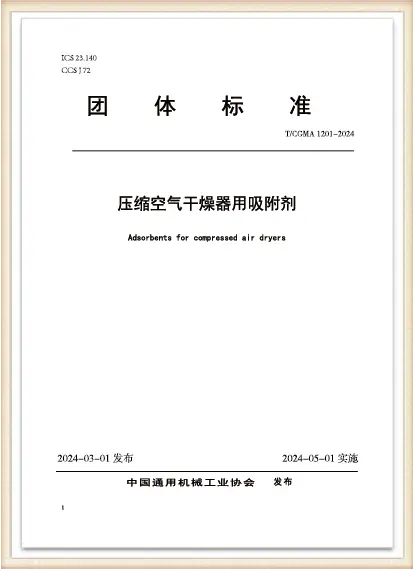
T/HGHX 02—2024
Chemical association product standards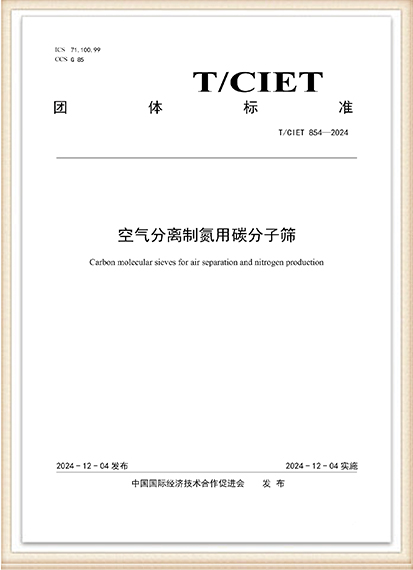
T/CIET 854-2024
Advanced materials standards alignmentProviding optimal molecular and kinetic separation performance across dynamic thermodynamic envelopes.
Large-scale cryogenic air separation units require upstream purification systems to eliminate moisture and carbon dioxide ($CO_2$) to prevent line-freezing at deep cryogenic stages. Synthesized molecular sieves (specifically 13X and 3A structures) work synergistically with activated alumina. Alumina absorbs the bulk of moisture from incoming compressed air, safeguarding the downstream molecular sieve bed to achieve ultra-low dew points (below -70°C).
Within Claus plants, the conversion of gaseous hydrogen sulfide ($H_2S$) to elemental sulfur requires catalysts that resist sulfate poisoning. Our modified alumina catalysts display exceptional resistance against oxygen-induced sulfation, sustaining higher catalytic conversion rates over longer operation windows in downstream reactors.
Liquid hydrocarbons such as LPG, propylene, and ethylene must be dried before processing to avoid catalyst deactivation in polymerization processes. Our targeted adsorbents selectively remove dissolved moisture while preventing co-adsorption of critical reactive olefins, averting polymer buildup within the pore structure.
Activated alumina possesses highly active adsorption sites for anions such as fluoride and arsenic in aqueous media. Leveraging our precise calcination techniques, we offer a specialized water-purification media featuring optimized surface charge characteristics for robust municipal and industrial water defluorination.
Our commitment to sustainable environmental footprints, green chemical processes, and circular energy consumption.


Leading the energy transition with next-generation catalytic materials, carbon capture systems, and hybrid zeolite integrations.
As carbon neutrality mandates intensify worldwide, the chemical sector must shift to highly selective adsorbent matrices. Our current research focus centers on amine-functionalized silica-alumina structures designed for low-pressure carbon capture ($CO_2$ sequestration) from flue gases. By tuning the surface basicity, these hybrid materials operate at low regeneration temperatures, saving significant energy compared to traditional liquid amine scrubbers.
The rise of green hydrogen and fuel cell technologies demands active metal sites dispersed on highly resilient substrates. We are designing specialized alumina materials with controlled phase distributions of gamma-delta-theta mixtures. This ensures precise thermal stability up to 1000°C without mechanical structural failure, providing solid foundations for steam reforming, autothermal reforming, and methanation catalysts.
Instead of single-layered beds, future industrial drying processes will rely on layered systems. By incorporating our activated alumina with customized Carbon Molecular Sieves (CMS) and specialized Zeolite Molecular Sieves (such as our AST series), plants can achieve simultaneous drying and heavy VOC stripping. This significantly reduces vessel sizes and saves capital expenditure (CAPEX).
Direct answers from our research director on physical characteristics, dynamic capacities, and chemical performance.
Discover our specialized catalysts, custom formulations, and specialty chemicals for optimized process engineering.
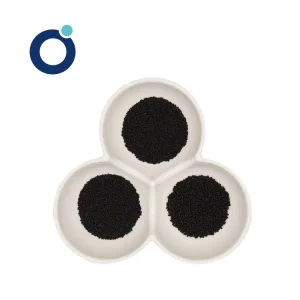
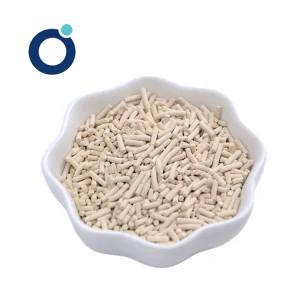
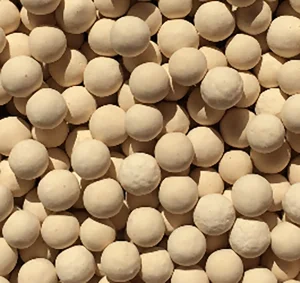
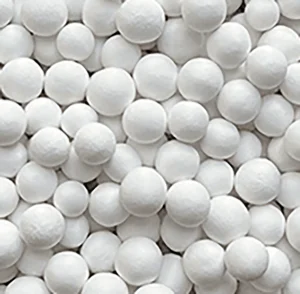
Have detailed technical specifications to discuss or need a custom price quote? Our expert chemical engineers respond within 24 hours.
Send Request