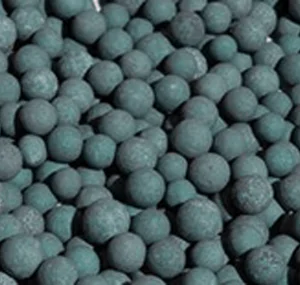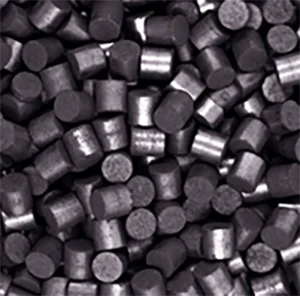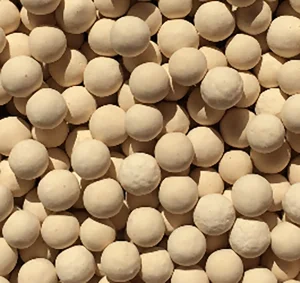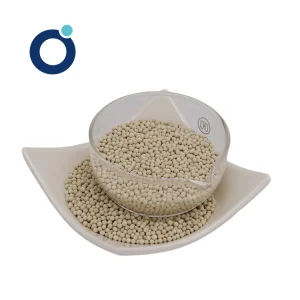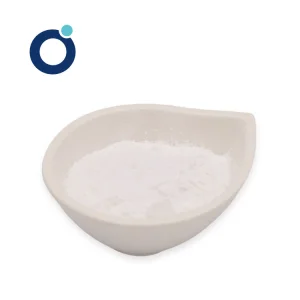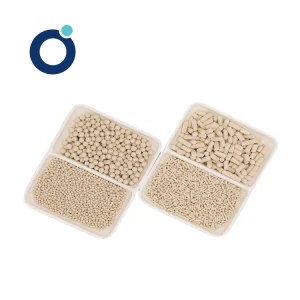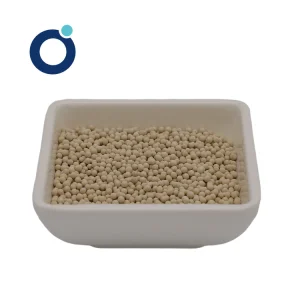
Explore our top-tier molecular sieve materials engineered to deliver optimal moisture retention and deep dehydration kinetics across global processing platforms.
In the modern industrial landscape, molecular sieve dehydration represents the gold standard for achieving ultra-low dew points (down to -100°C or below). Synthetic crystalline aluminosilicates—commonly categorized by their defined pore openings of 3Å, 4Å, 5Å, and 10Å (13X)—interact selectively with fluid mixtures through thermodynamic separation and kinetic sizing.
As international energy demands shift toward cleaner alternative fuels (such as LNG and green hydrogen) and high-purity chemical building blocks, the efficiency of industrial separation media becomes paramount. Adsorbents like the Molecular Sieve JZ-ZMS3 are designed to suppress side-reactions like co-adsorption of hydrocarbons while maximizing dynamic water capacity, which decreases utility consumption and increases plant longevity.
"Optimizing molecular sieve performance is not just about choosing pore sizes. It requires balancing kinetic rates, hydrothermal stability, and physical crushing strength under high-pressure swing conditions."
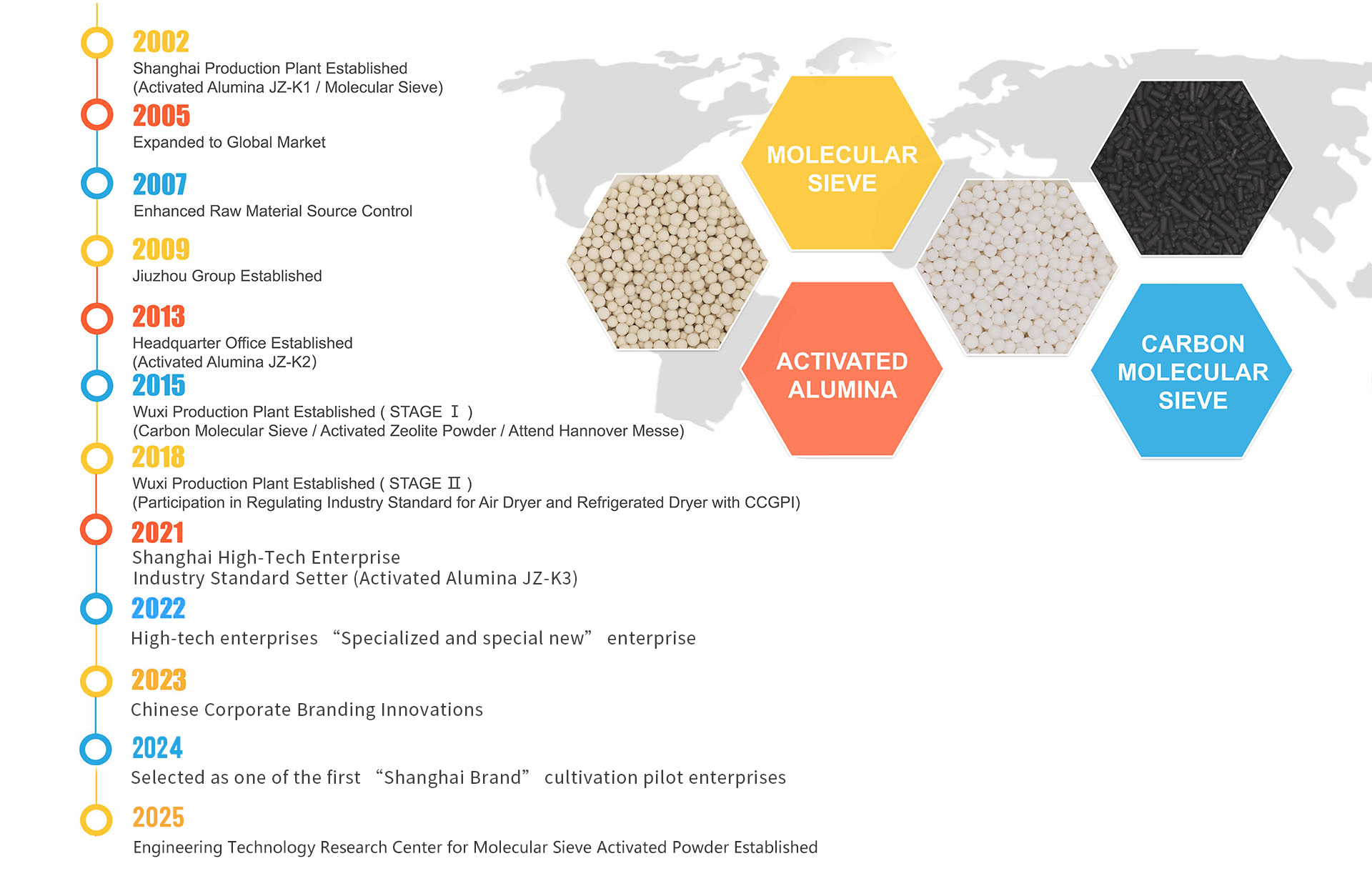
Over three decades of manufacturing excellence, shaping the global standard for industrial synthetic zeolites and desiccant materials.
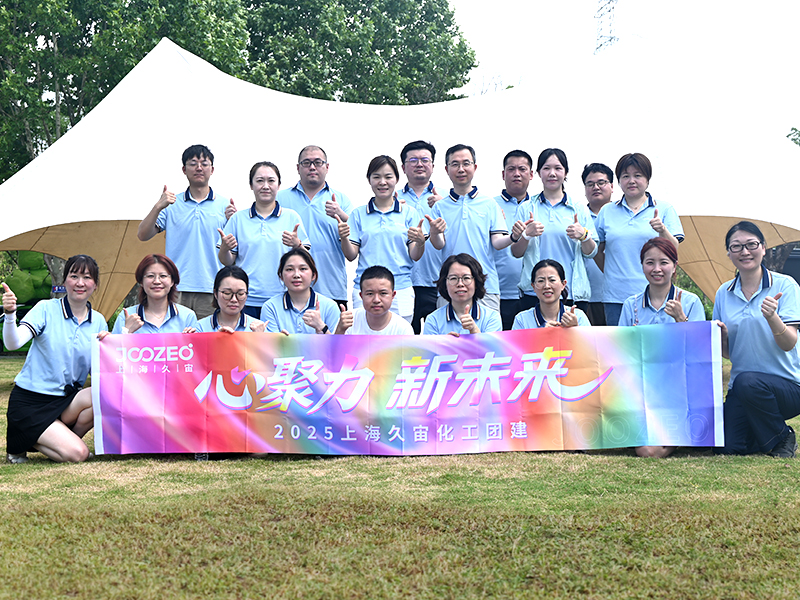
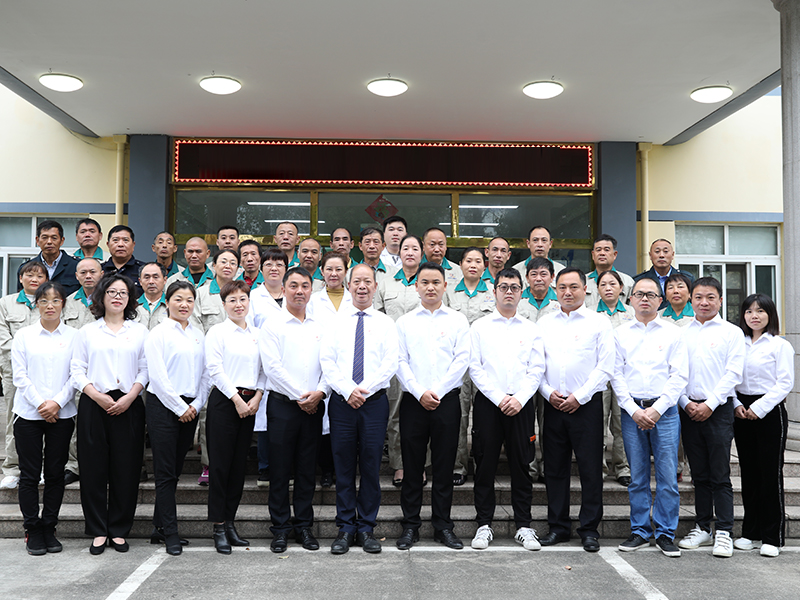
Shanghai Jiuzhou Chemicals Co., Ltd. is strategically located in Shanghai, the largest economic development hub in China. Over the years, Jiuzhou has consistently adhered to the core operational principles of "Quality Control & Innovation", committing substantial resource allocation to the research, development, and manufacturing of premium industrial chemical formulations.
Our diverse portfolio includes various molecular sieve powders, finished molecular sieves, activated powder, activated alumina, aluminum oxide catalysts, various ceramic balls and alumina packing, sodium silicates, aluminum hydroxide, zeolite 4A, sodium carbonates, and SLES. All products are verified to comply with the ISO 9001:2008 quality management system standard, along with stringent certifications from TUV & SGS.
By utilizing international production technology and professional testing equipment, our large-scale multi-purpose manufacturing plants work in tandem with a central analysis laboratory. This ensures that every batch of molecular sieve media meets or exceeds global engineering standards.
Our technical team includes top experts in desiccant and chemical resource fields. Jiuzhou’s infrastructure comprises automated multi-functional production workshops, dynamic adsorption laboratories, and high-precision monitoring tools that analyze the operational lifecycles of adsorbents under simulated process environments.
Today, our products are exported globally. We have established robust distribution frameworks across the United States, Southeast Asia, Japan, Europe, South America, and the Middle East, ensuring partners receive energy-saving, customized, and environmentally friendly adsorption solutions.
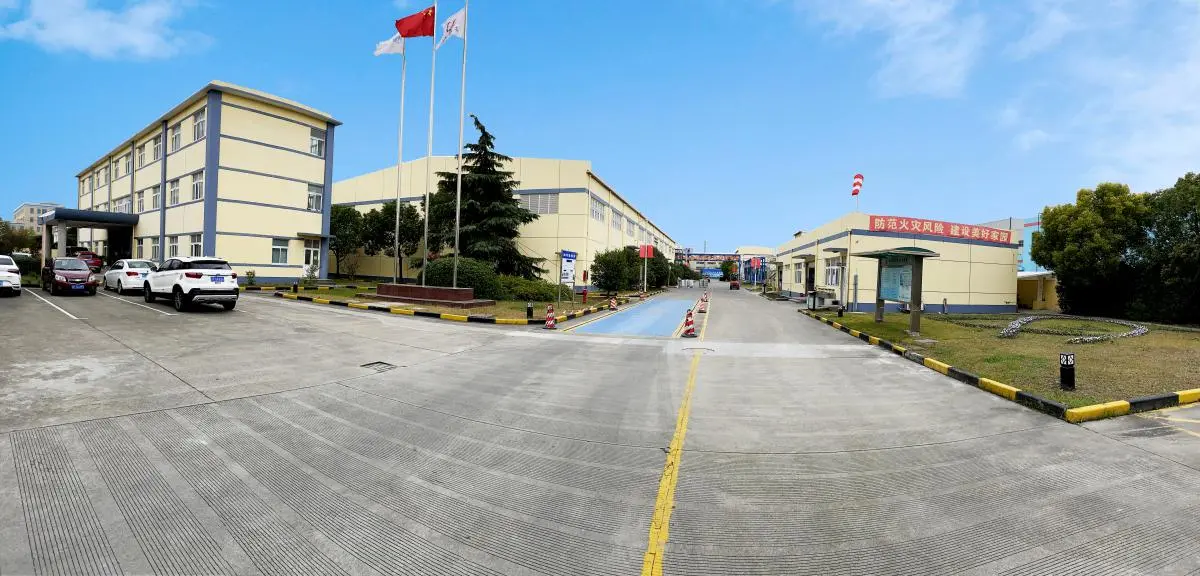
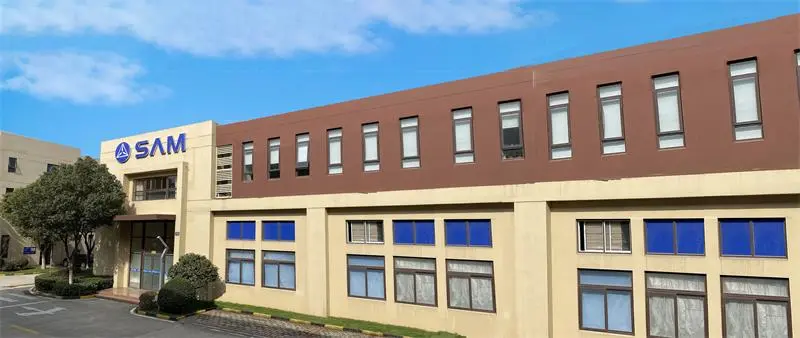
Jiuzhou Chemicals plays a key role in drafting national and industrial guidelines for adsorption systems and desiccants.
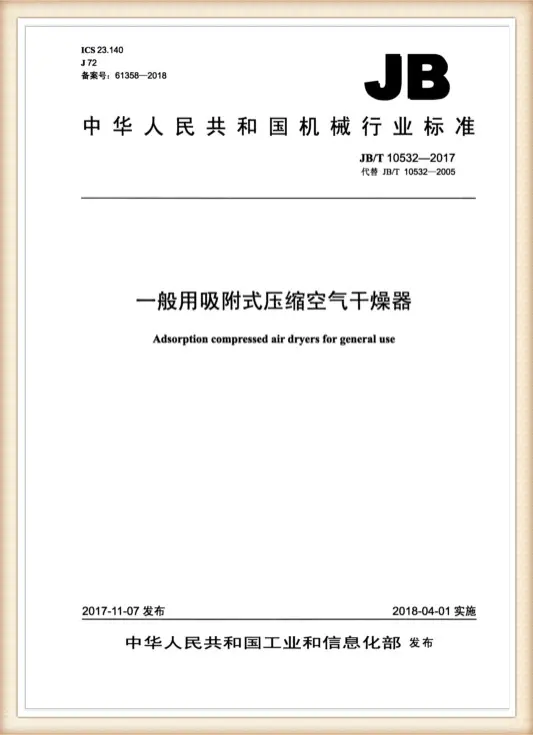
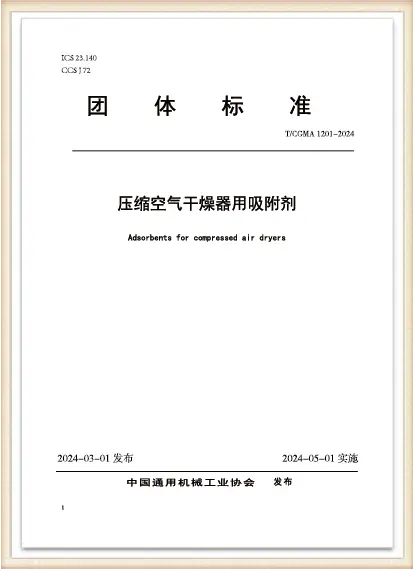
Adsorption compressed air dryers for general use.
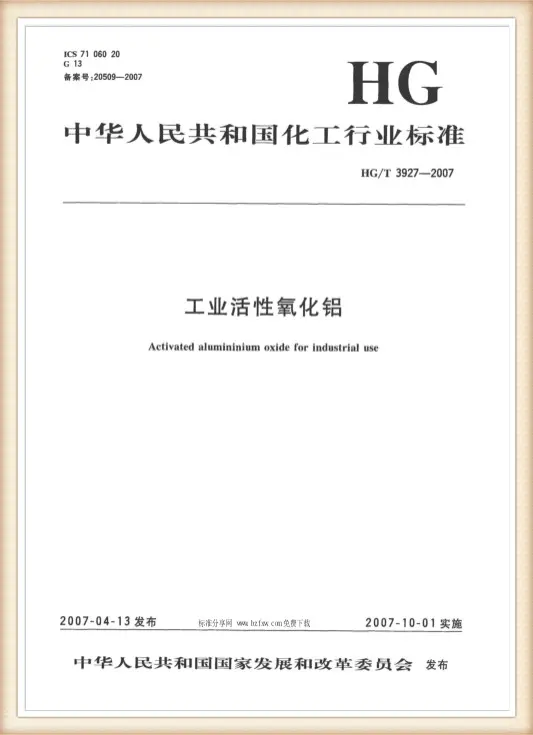
Activated aluminum oxide for industrial use.
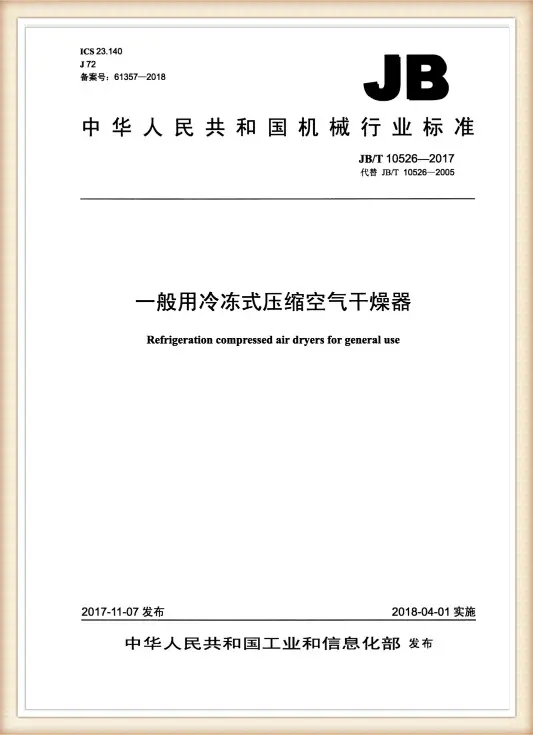
Refrigeration compressed air dryers for general use.
High-efficiency adsorption drying and filtration systems.
Chemical industry standard updates for synthetic zeolites.
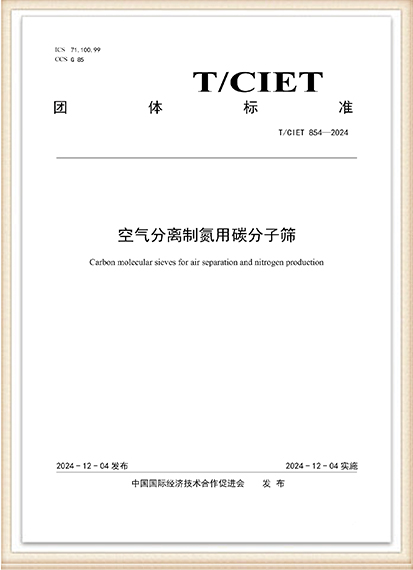
Adsorbent material carbon footprint and ESG evaluations.
Detailed physical mechanics and structural compositions defining the application boundaries of molecular sieve systems.
Pore opening is approximately 3 Angstroms. It adsorbs moisture but excludes hydrocarbons, making it ideal for the dehydration of fuel ethanol, ethylene, propylene, and cracked gas.
Pore size is 4 Angstroms. Adsorbs water, carbon dioxide, ethanol, and hydrogen sulfide. Frequently applied in closed-loop air drying systems and packaging.
Pore size is 5 Angstroms. Primarily used to separate normal and iso-paraffins, as well as for pressure swing adsorption (PSA) hydrogen purification and carbon dioxide removal.
| Zeolite Type | Pore Size (Å) | Static Water Adsorption (%) | Bulk Density (g/ml) | Typical Industrial Applications |
|---|---|---|---|---|
| 3A (K-Zeolite A) | ~3.0 | ≥ 21.5 | 0.60 – 0.68 | Ethanol Drying, Cracked Gas, Ethylene Dehydration |
| 4A (Na-Zeolite A) | ~4.0 | ≥ 22.0 | 0.62 – 0.70 | Compressed Air Systems, Refrigerants, Closed Packaging |
| 5A (Ca-Zeolite A) | ~5.0 | ≥ 22.5 | 0.65 – 0.72 | PSA Hydrogen Purification, Dewaxing, N2/O2 Separation |
| 13X (Na-Zeolite X) | ~10.0 | ≥ 26.0 | 0.64 – 0.72 | Air Separation Units (ASU), CO2 & H2S Co-adsorption |
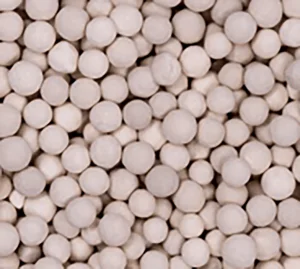
When a wet gas stream enters an adsorption column filled with molecular sieve beads, the dynamic adsorption process creates a Mass Transfer Zone (MTZ). The MTZ moves down the bed as the upstream zeolite becomes saturated.
For optimal system design, the height of the MTZ must be minimized. Our team optimizes the pore morphology and kinetics of products like the JooSorb ZA-40 to create sharp mass transfer fronts, which maximizes breakthrough times and reduces the frequency of regeneration cycles.
In high-pressure adsorption towers, high velocities and frequent thermal cycles generate stress. Molecular sieve beads can rub together, causing dusting and flow channeling.
Our molecular sieves are manufactured with high-strength binders, resulting in high crush strength. This maintains low pressure drop across the bed over years of operation.
How high-performance molecular sieves support key global processing industries.
Natural gas processing requires water removal to below 0.1 ppmv to prevent hydrate formation and corrosion in cryogenic heat exchangers. This is critical for Liquefied Natural Gas (LNG) processing. Our 4A and 13X molecular sieves are engineered to handle high inlet water loads and sour gas conditions, protecting downstream systems from freeze-out issues.
Distillation can only produce ethanol up to its azeotropic limit of 95.6% purity. For fuel-grade ethanol (≥99.5%), vapor-phase adsorption using 3A molecular sieves is utilized. Our specialized 3A zeolites exclude ethanol molecules while selectively capturing water, offering high thermal stability during frequent regeneration.
In ethylene and propylene plants, trace water can poison downstream polymerization catalysts. Using a 3A molecular sieve prevents co-adsorption and polymerization of the olefins inside the zeolite pores, avoiding coke formation and prolonging the adsorbent's working lifespan.
Cryogenic air separation plants require the pre-purification of air to remove water and carbon dioxide. 13X molecular sieves are utilized for this purpose due to their high adsorption capacity for both water and carbon dioxide, preventing blockages in cold box systems.
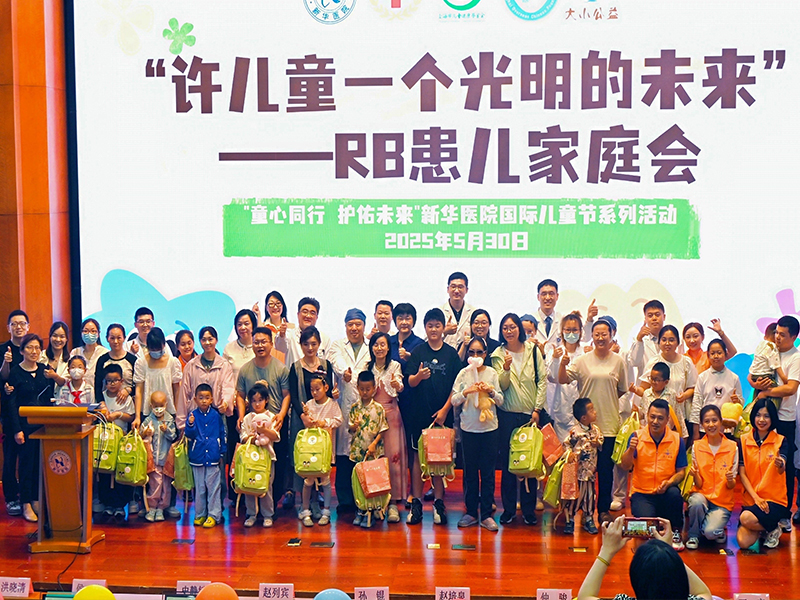
At Jiuzhou Chemicals, we operate with a strong focus on environmental responsibility. We strive to minimize energy consumption in our manufacturing plants, reduce emissions during synthesis, and design adsorbents that help our clients optimize their operations.

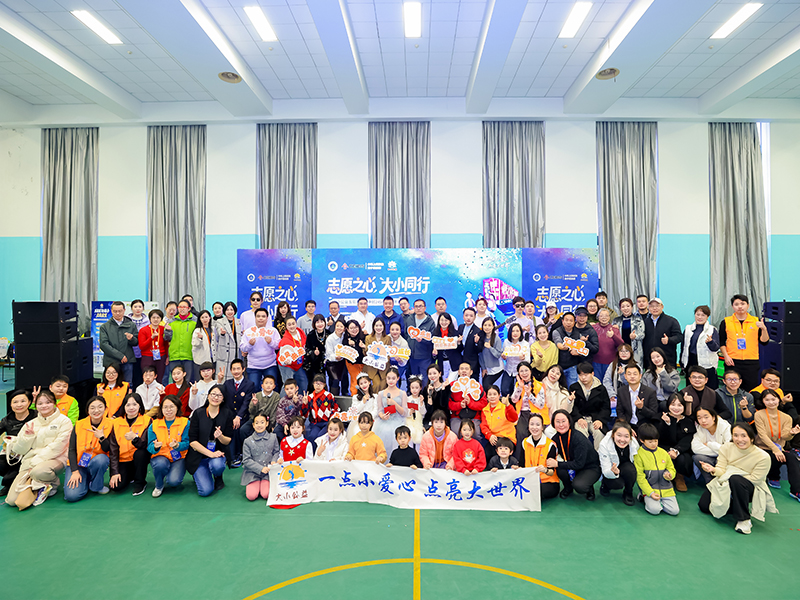
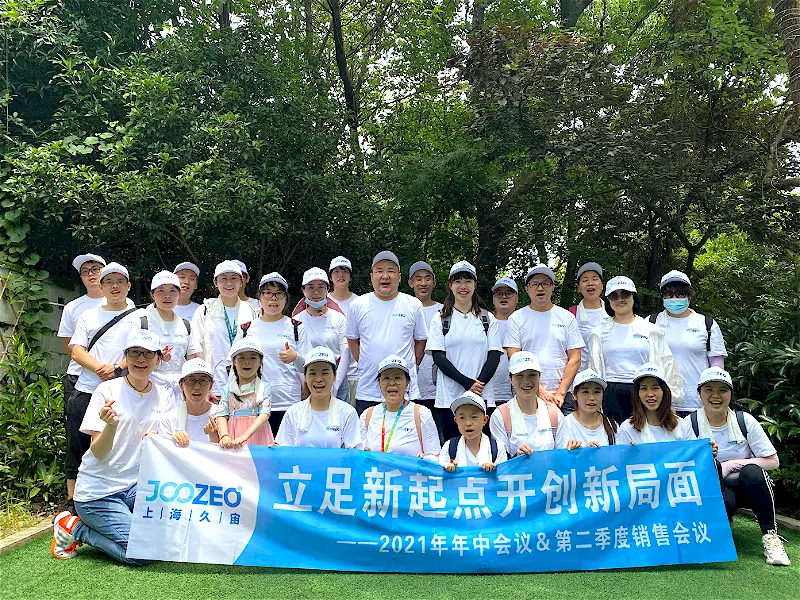
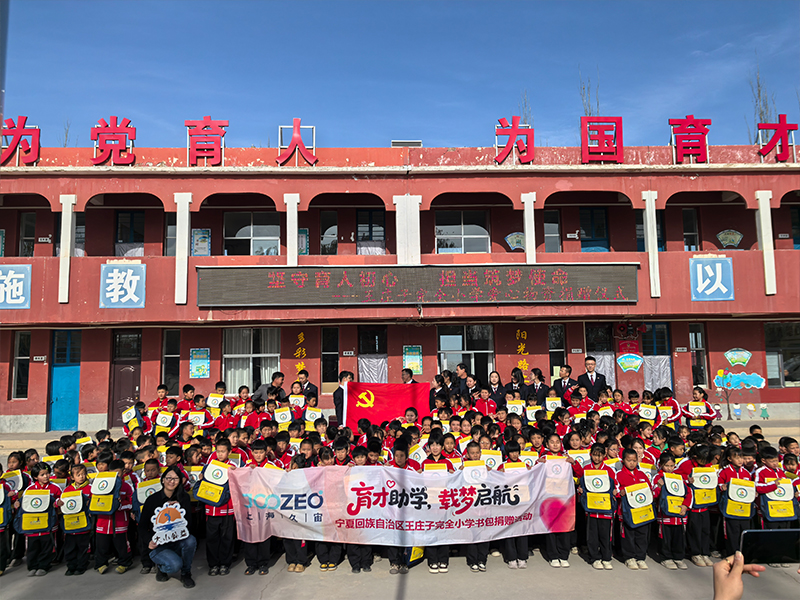
A look at the factors influencing the molecular sieve pricelist and procurement optimization.
When purchasing molecular sieves for industrial projects, pricing is influenced by several variables beyond the raw material cost per metric ton. To optimize procurement budgets, engineering teams should evaluate the total cost of ownership (TCO) rather than focusing solely on the initial purchase price.
Our logistics network supports international shipments with protective packaging to prevent moisture ingress during transit. Standard pack options include airtight steel drums (50L, 150L) and heavy-duty woven super sacks (500kg, 1000kg).
We supply detailed Certificates of Analysis (CoA) with every shipment, verifying properties such as bulk density, crush strength, particle size distribution, and static water adsorption.
Clear answers to common technical and operational questions regarding molecular sieve dehydration.
Explore our full range of molecular powders, silica gels, and custom formulations designed for diverse industrial applications.
Contact our engineering and sales team for assistance with product selection, technical specifications, and bulk pricing. We respond to inquiries within 24 hours.
Send Request