Famous Molecular Sieve Adsorption Factory & Exporters

Pioneering High-Performance Molecular Sieve Desiccants, Activated Alumina Catalysts, and Specialty Adsorbents Since 1994

About Shanghai Jiuzhou Chemicals (JOOZEO)

A premier chemical engineering enterprise driving quality and innovation in the global industrial desiccant market.

1994
Year of Establishment
80+
Countries Exported To
25,000
Factory Area (Sqm)

Shanghai Jiuzhou Chemicals Co., Ltd. is strategically situated in Shanghai, China's leading economic development hub. Over the past three decades, we have remained steadfastly committed to the foundational principles of strict quality control and perpetual technological innovation. Our enterprise devotes extensive resources to the scientific research, manufacturing, and global exportation of elite-grade chemical adsorbents and industrial desiccant agents.

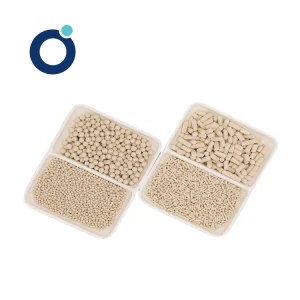
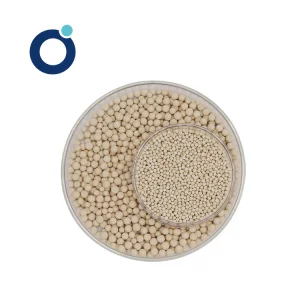
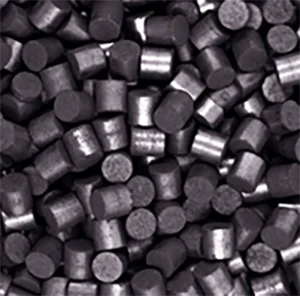
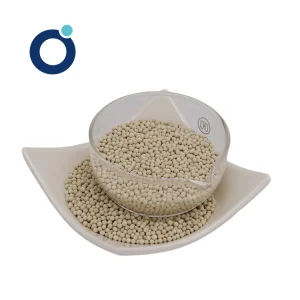
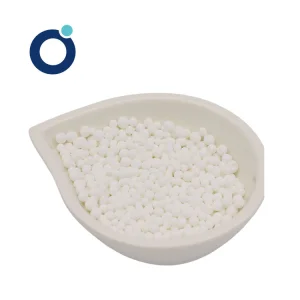
Our core product lines include synthetic molecular sieve powders, high-performance molecular sieves, activated powder, activated alumina, aluminum oxide catalysts, specialized alumina tower packings, engineered inert ceramic support balls, sodium silicates, aluminum hydroxide, zeolite 4A, sodium carbonates (Soda Ash), and sodium lauryl ether sulfate (SLES). Each product batch undergoes strict testing protocols, earning our factory certifications under ISO9001:2008, TUV, and SGS frameworks.

With a state-of-the-art dynamic laboratory and a centralized testing center utilizing advanced analytical instruments, we support custom sizing, customized package designs, and process-specific optimization. Our distribution networks span across the United States, Southeast Asia, Japan, Europe, South America, and the Middle East, delivering sustainable and energy-efficient solutions to modern process plants.
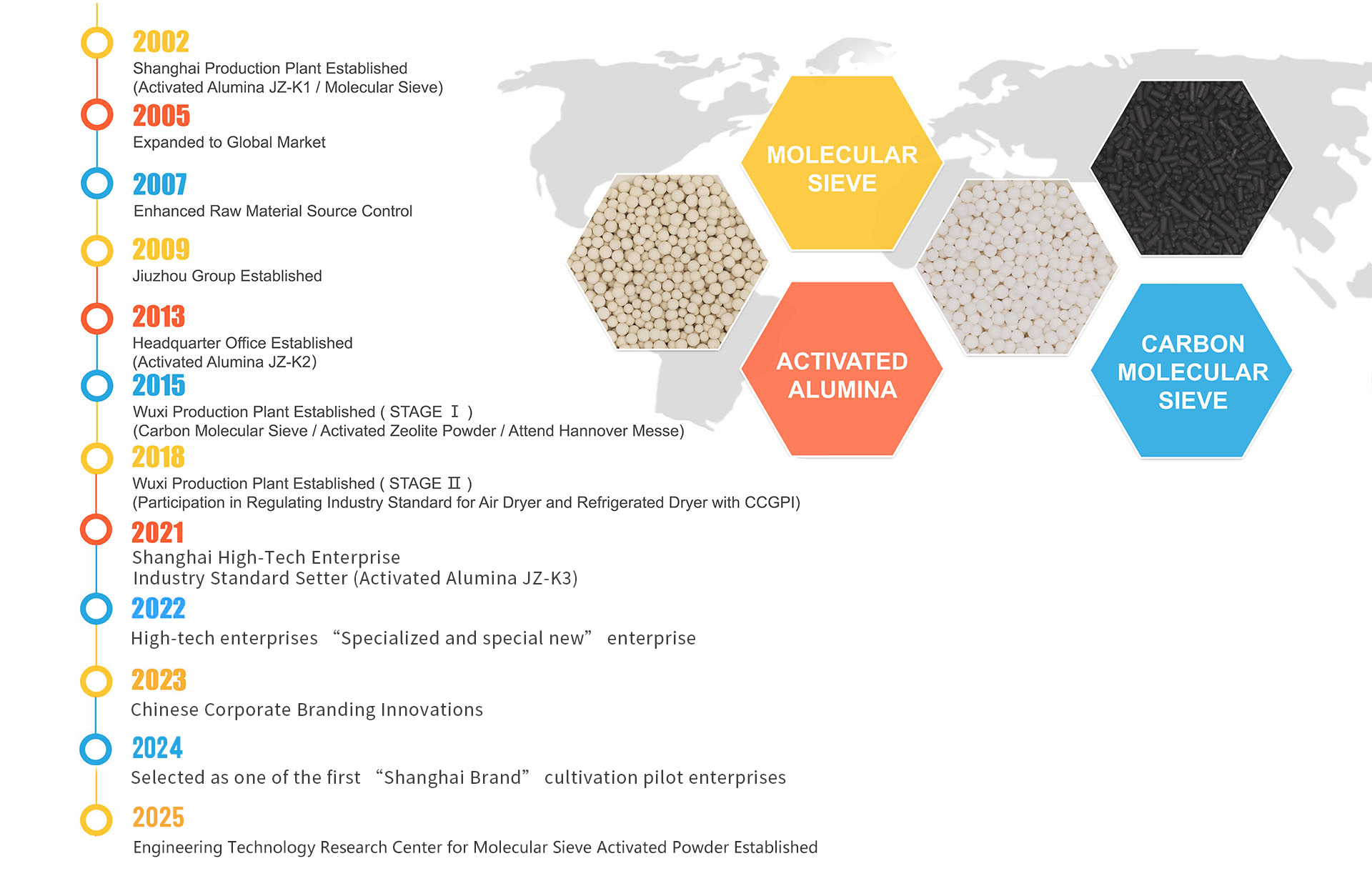
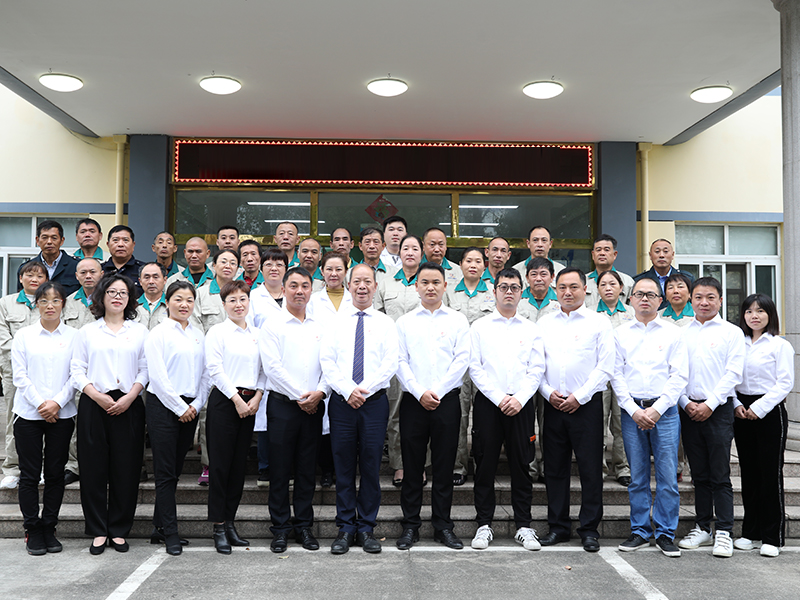
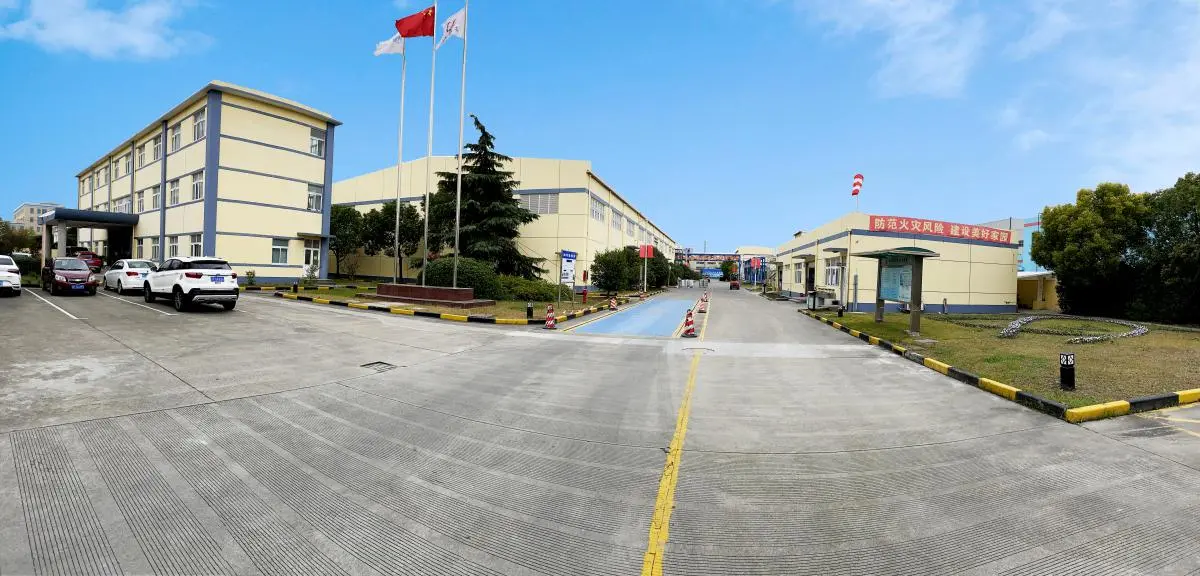
Jiuzhou Central Facility

The Mechanics of Advanced Molecular Sieve Adsorption

Molecular sieves are crystalline, synthetic aluminosilicates characterized by uniform pore structures. These materials possess precise three-dimensional frameworks constructed from $SiO_4$ and $AlO_4$ tetrahedra. By coordinating the size of their microscopic cavities (measured in Angstroms: 3Å, 4Å, 5Å, and 10Å/13X), molecular sieves isolate molecules based on their kinetic diameters and electrostatic affinities.

Information Gain: Kinetic Diameters and Pore Alignment
For optimal drying and separation efficiency, matching the pore size of the molecular sieve with the kinetic diameter of the target molecule is critical:
  • 3A (Potassium Zeolite A): Pore size ~3 Å. Optimally adsorbs water (2.6 Å) while excluding molecules like ethane (3.8 Å) or ethylene, preventing co-adsorption or catalytic reactions in unsaturated hydrocarbon streams.
  • 4A (Sodium Zeolite A): Pore size ~4 Å. Adsorbs water, carbon dioxide (3.3 Å), sulfur dioxide, hydrogen sulfide, and low-molecular-weight hydrocarbons.
  • 5A (Calcium Zeolite A): Pore size ~5 Å. Ideal for separating normal-paraffins (straight chains) from iso-paraffins (branched chains), and pressure swing adsorption (PSA) purification of hydrogen.
  • 13X (Sodium Zeolite X): Pore size ~10 Å. Exhibits a much larger mass transfer zone, enabling co-adsorption of moisture, carbon dioxide, mercaptans, and heavy trace compounds from natural gas and air streams.

Unlike silica gel or activated alumina—which rely on non-specific physical adsorption within broad pore size distributions—molecular sieves capture water molecules even under low relative humidity conditions. This capability allows molecular sieves to dry process streams to critical moisture levels (dew points below -70°C).

Quality Control Commitment

100%

Strict quality control protocols govern every phase of our operations, from raw kaolin clay verification to the ultimate thermal activation process.

R&D Innovation

100%

We actively invest in developing attrition-resistant molecular sieves, carbon molecular sieves (CMS) for high-purity nitrogen PSA, and low-regeneration-temperature products.

Advanced Manufacturing Capabilities & Supply Chain Resilience

Operating dual manufacturing hubs in Shanghai and Wuxi to ensure production continuity and prompt global export logistics.

Shanghai Factory

Shanghai Production Center

Our Shanghai plant focuses on advanced synthesis, customized product formulations, and final quality control. Integrated with the central dynamic laboratory, it coordinates bulk packing and international logistics, leveraging proximity to the Port of Shanghai.

Wuxi Factory

Wuxi Synthesis & Shaping Plant

Equipped with high-capacity extrusion lines, automated bead forming machines, and continuous rotary activation kilns, our Wuxi facility manages high-volume production of molecular sieve beads, powders, and activated alumina.

Why China's Chemical Supply Chain Delivers Strategic Advantages

As a reliable manufacturer, Joozeo leverages the strength of China's chemical supply chain. Our raw materials—including synthetic sodium aluminosilicate, high-purity kaolin clay, and aluminum hydroxides—are sourced locally to stabilize manufacturing costs. Combined with automated production and our dual-factory infrastructure, we maintain consistent supply lines and buffer stocks to insulate global partners from supply disruptions.

Global Industrial Landscape & Localized Applications

Adsorption technologies play a critical role across many major industries worldwide. Our molecular sieves, silica gels, and activated aluminas are engineered to meet specific performance requirements in key application areas:

Air Separation Units (ASU)

Protecting cryogenic distillation columns by removing moisture and trace carbon dioxide ($CO_2$) to prevent ice formation and line blockages.

Natural Gas Dehydration

Reducing water content to < 0.1 ppm to prevent gas hydrate crystallization in pipelines, gas sweetening units, and LNG pre-treatment units.

Ethanol Dehydration

Breaking the water-ethanol azeotrope using 3A molecular sieves to produce fuel-grade anhydrous ethanol (>99.9% purity).

Localized Environmental & Process Scenarios

Industrial processes face varying challenges depending on geographical location and regional regulations:

  • High-Humidity Regions (e.g., Southeast Asia): Tropical air drying units require higher-capacity molecular sieves and activated alumina pre-beds to manage high ambient humidity and prevent premature adsorbent saturation.
  • Strict Environmental Standards (e.g., North America & Europe): Refineries and petrochemical plants use high-capacity molecular sieves to remove sulfur compounds ($H_2S$, mercaptans) from LPG streams, helping meet EPA and Euro VI emission standards.
  • Extreme Thermal Fluctuations (e.g., Middle East): Adsorption beds in desert regions operate under extreme ambient temperatures. We optimize the thermal stability and crush strength of our molecular sieves to handle high-temperature regeneration cycles without structural degradation.

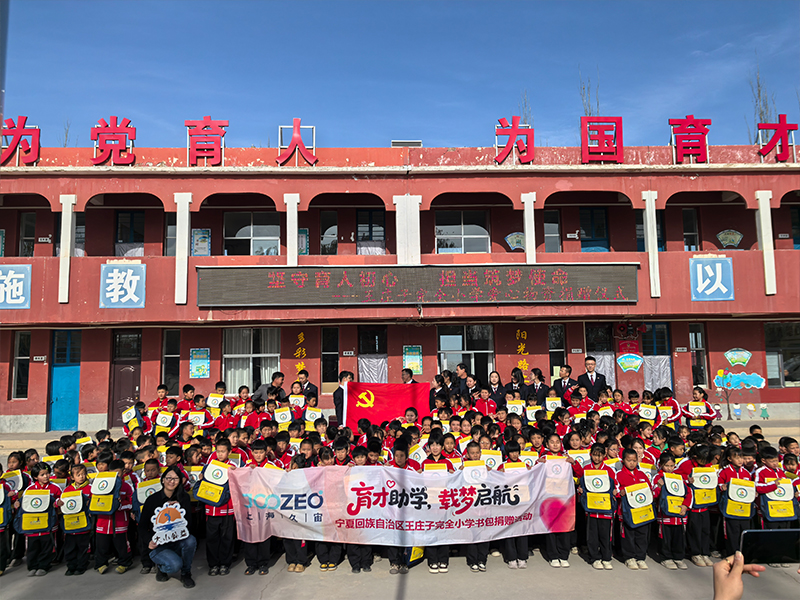
Social Responsibility & Environmental Stewardship

"Better air, Better life" — Driving cleaner manufacturing and reduced emissions.

Technology Roadmap & Standards Leadership

We continuous look for ways to improve our material science, focusing on reducing regeneration energy requirements and extending adsorbent lifespan. By optimizing synthetic crystalline frameworks, we aim to lower energy use in TSA (Temperature Swing Adsorption) systems. Additionally, we are developing specialized zeolites optimized for carbon capture and storage (CCS) applications.
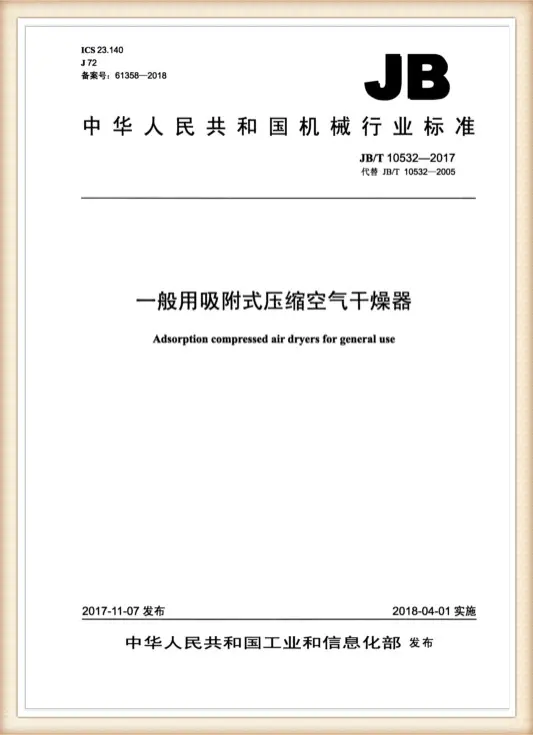
JB/T 10532-2017

JB / T 10532-2017

Adsorption compressed air dryers for general use
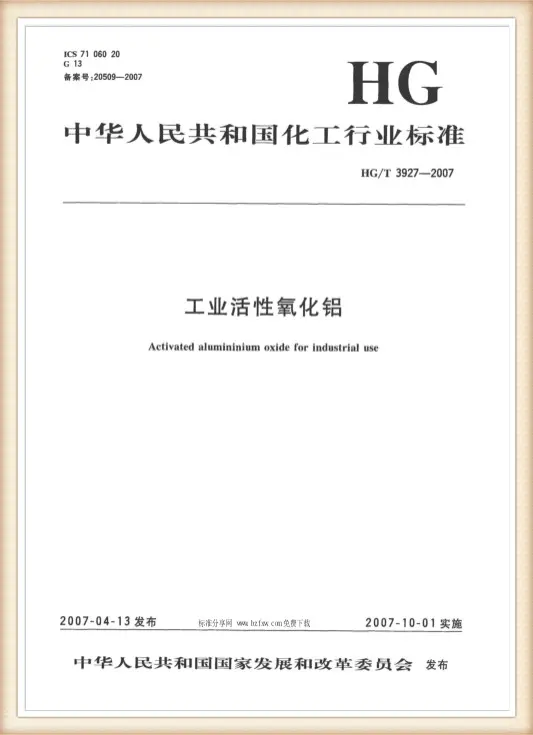
HG/T 3927-2007

HG / T 3927-2007

Activated aluminum oxide for industrial use
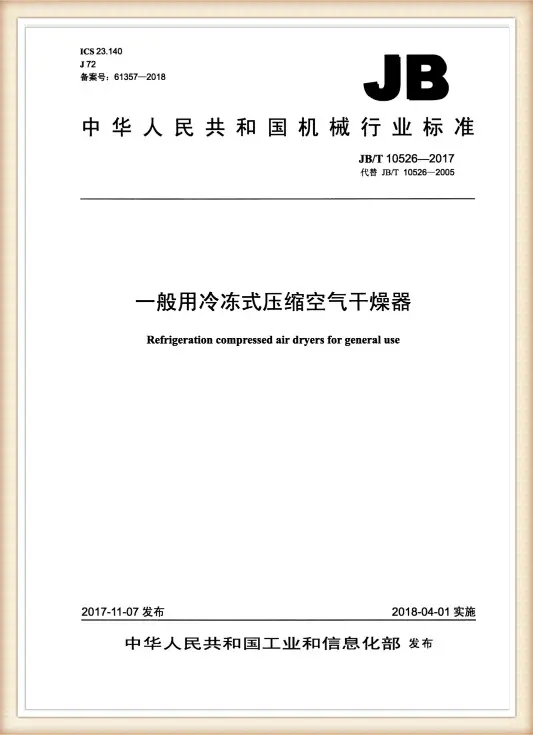
JB/T 10526-2017

JB / T 10526-2017

Refrigeration compressed air dryers for general use
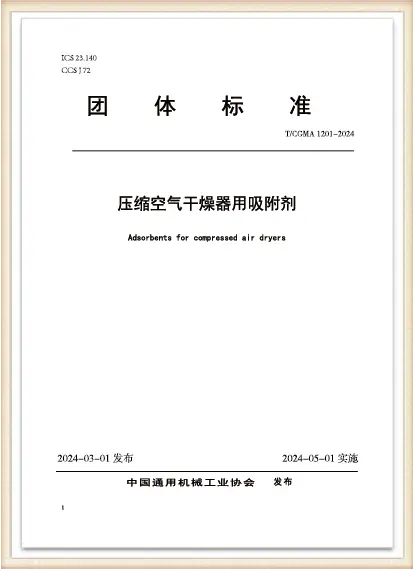
T/CGMA1201-2024

T / CGMA1201-2024

Group Industrial Dryer Quality Specifications
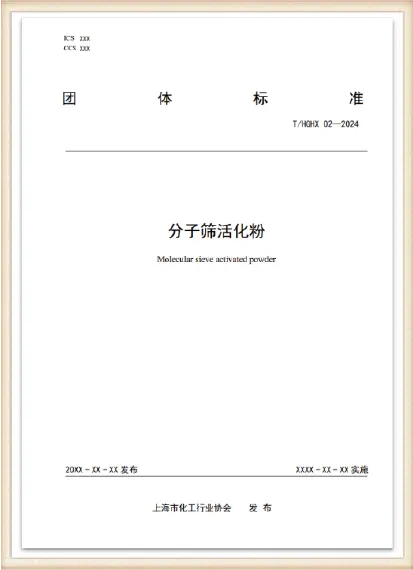
T/HGHX 02-2024

T / HGHX 02—2024

Chemical Material Industry Standards
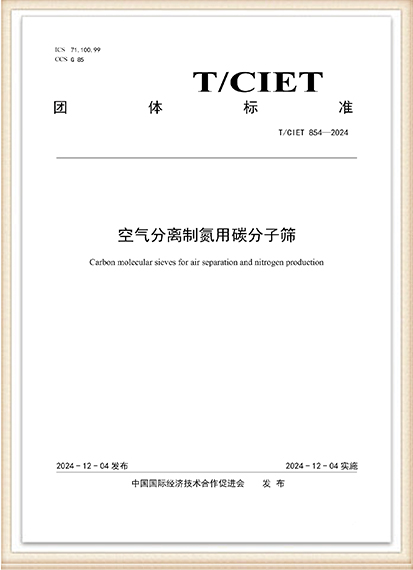
T/CIET 854-2024

T / CIET 854-2024

Environmental Adsorption Standard Certification

Industrial Adsorption Frequently Asked Questions (FAQ)

Technical answers to help engineering, procurement, and operations teams select the right desiccant solutions.

Q1: How does molecular sieve pore size selection prevent hydrocarbon co-adsorption?
For drying cracked gas, ethylene, or propylene streams, a 3A molecular sieve is typically selected. Because its pore size (~3 Å) is smaller than the kinetic diameter of ethylene (~3.9 Å), hydrocarbons are excluded from the internal crystalline cavities, allowing only water molecules to be adsorbed. Selecting a larger pore size like 4A would lead to co-adsorption and potential olefin polymerization, which can block the pores and shorten the desiccant's lifespan.
Q2: What are the recommended regeneration parameters for 3A, 4A, and 5A molecular sieves?
Regeneration is typically conducted using Temperature Swing Adsorption (TSA). Dry purge gas is passed through the bed at temperatures between 200°C and 320°C, depending on the fluid composition and operating pressure. To ensure moisture removal without damaging the zeolite crystal structure, the bed temperature should not exceed 350°C.
Q3: Can activated alumina and molecular sieves be used together in a single dryer vessel?
Yes, this is a common design in compressed air dryers and gas purification systems. Typically, a layer of activated alumina is placed at the inlet of the bed to handle high liquid moisture loads and protect the molecular sieve from liquid water droplets. The molecular sieve is then placed downstream to achieve low outlet dew points.
Q4: How does crush strength affect the performance of molecular sieve beds?
High crush strength is necessary to prevent the beads from breaking apart under weight loads and the friction caused by gas flow in deep beds. Breakage can lead to dust formation, which increases pressure drop across the bed, limits flow capacity, and can contaminate downstream processes.
Q5: What causes molecular sieves to lose capacity over time (aging)?
Molecular sieve aging is caused by two main factors: thermal degradation (structural breakdown of the zeolite framework from repeated high-temperature regeneration) and chemical fouling (deposits of heavy hydrocarbons, amine residues, or polymers that block access to the active pores).
Q6: How does Joozeo ensure consistent quality in its molecular sieve shipments?
We follow strict testing protocols throughout the production process. Every batch is tested for static and dynamic water adsorption capacity, bulk density, crush strength, and attrition rate. Our facilities are audited and certified by TUV and SGS to ensure compliance with international industrial standards.
Need Technical Specifications or a Price Quote?

Contact our technical team to discuss selection, sizing, or custom packaging options. We reply to all inquiries within 24 hours.

Send Request