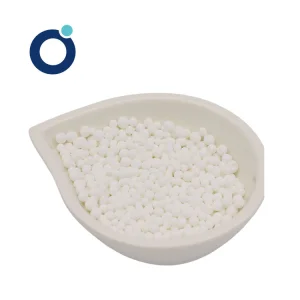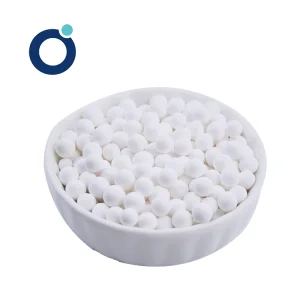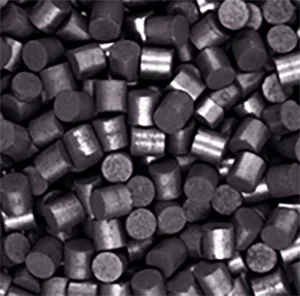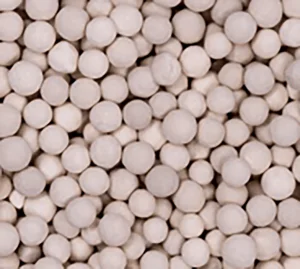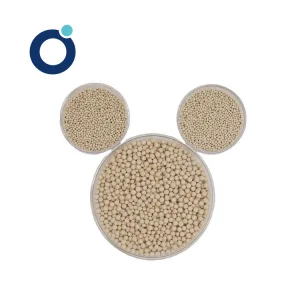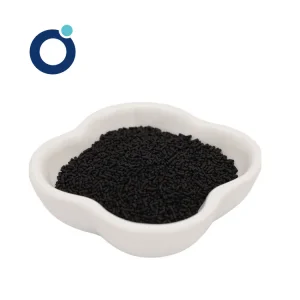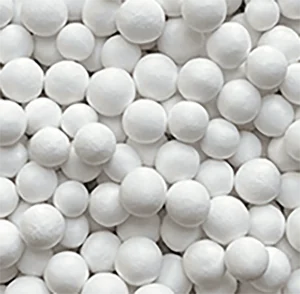
Explore industry-leading adsorbent materials manufactured under stringent international quality standards for deep natural gas drying and hydrocarbon purification.
Natural gas collected from geological reservoirs contains significant amounts of water vapor, heavy hydrocarbons, hydrogen sulfide ($H_2S$), carbon dioxide ($CO_2$), and trace contaminants. Dehydration is a mandatory process step in natural gas processing plants, offshore platforms, and LNG liquefaction facilities worldwide.
Untreated moisture in natural gas pipelines creates severe operational hazards:
Gas processing engineers choose between liquid absorption (Triethylene Glycol - TEG) and solid desiccant adsorption based on required water dew points:
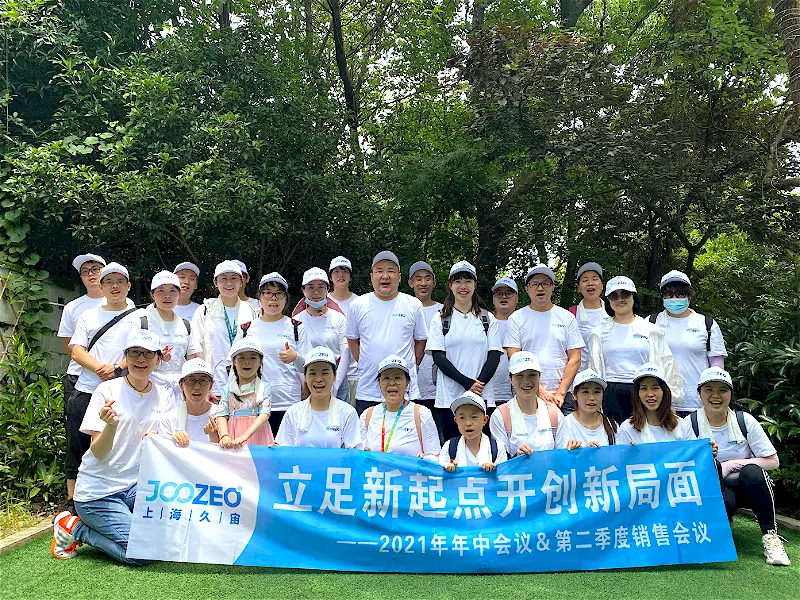
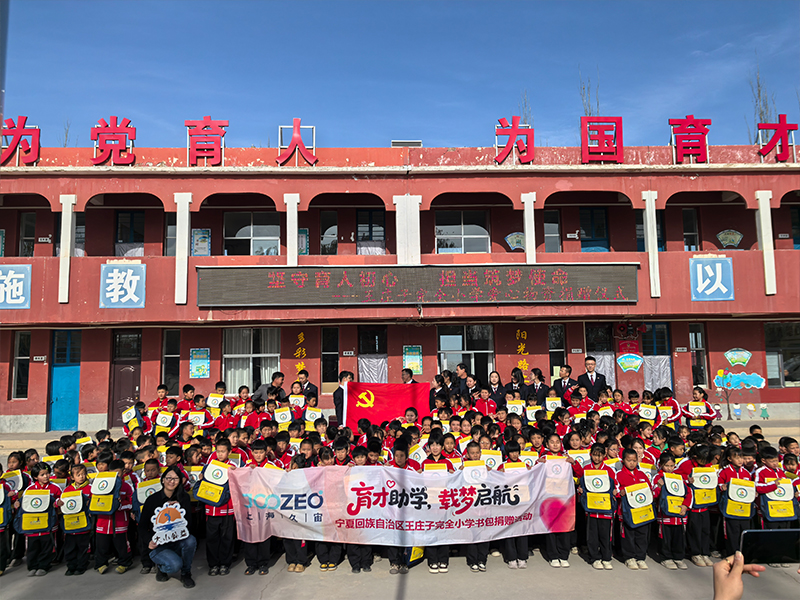
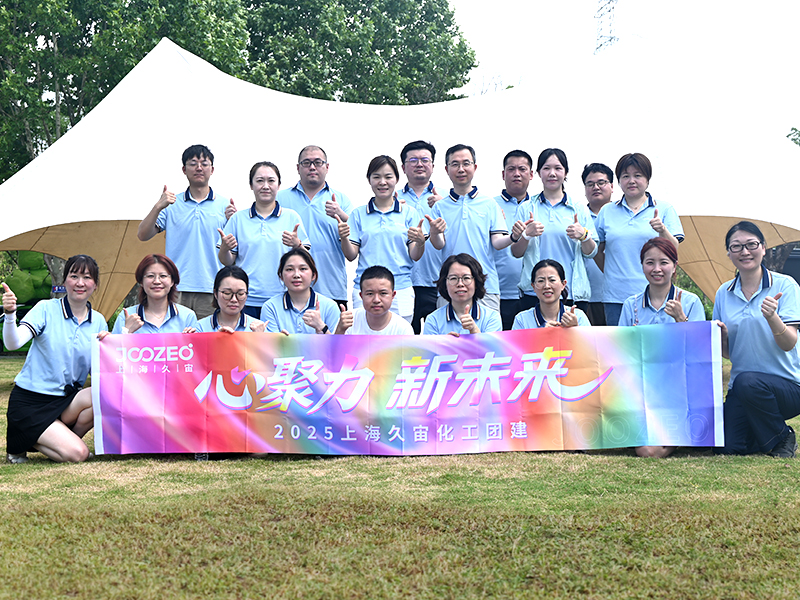
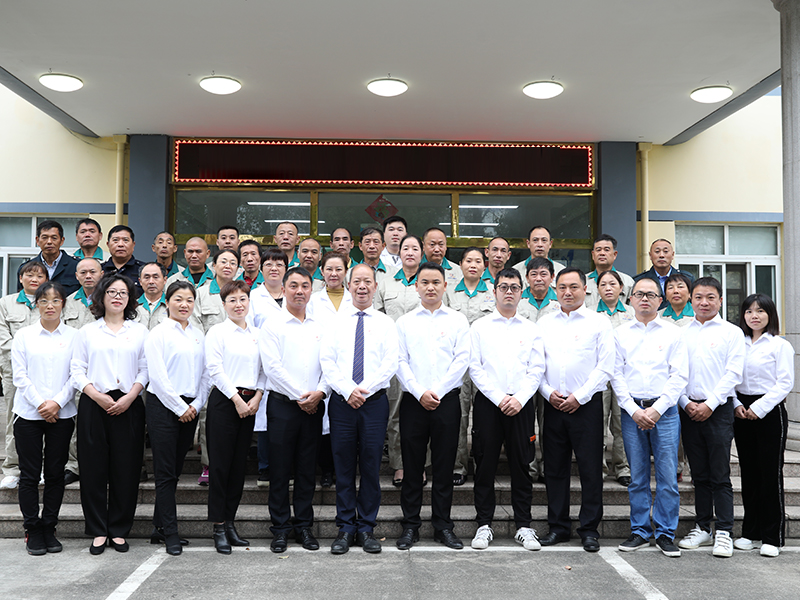
Shanghai Jiuzhou Chemicals Co., Ltd., located in China's major economic development hub Shanghai, has consistently adhered to the core principles of "Quality Control & Continuous Innovation". We are globally recognized as a premier manufacturer of high-efficiency molecular sieves, activated alumina, and chemical adsorbents.
Jiuzhou factory operates a professional, world-class research team and retains top-tier technical experts in chemical product resources. We deploy international production technologies and advanced automated equipment aligned strictly with national and international industrial standards.
Our analytical central laboratory is equipped with large-scale multipurpose plant monitoring and analytical instruments, ensuring every batch meets ISO9001:2008 Quality Management System certifications, as well as TUV and SGS testing benchmarks. JOOZEO products are distributed across North America, Europe, Southeast Asia, Japan, the Middle East, and South America, delivering energy-saving, eco-friendly separation solutions.
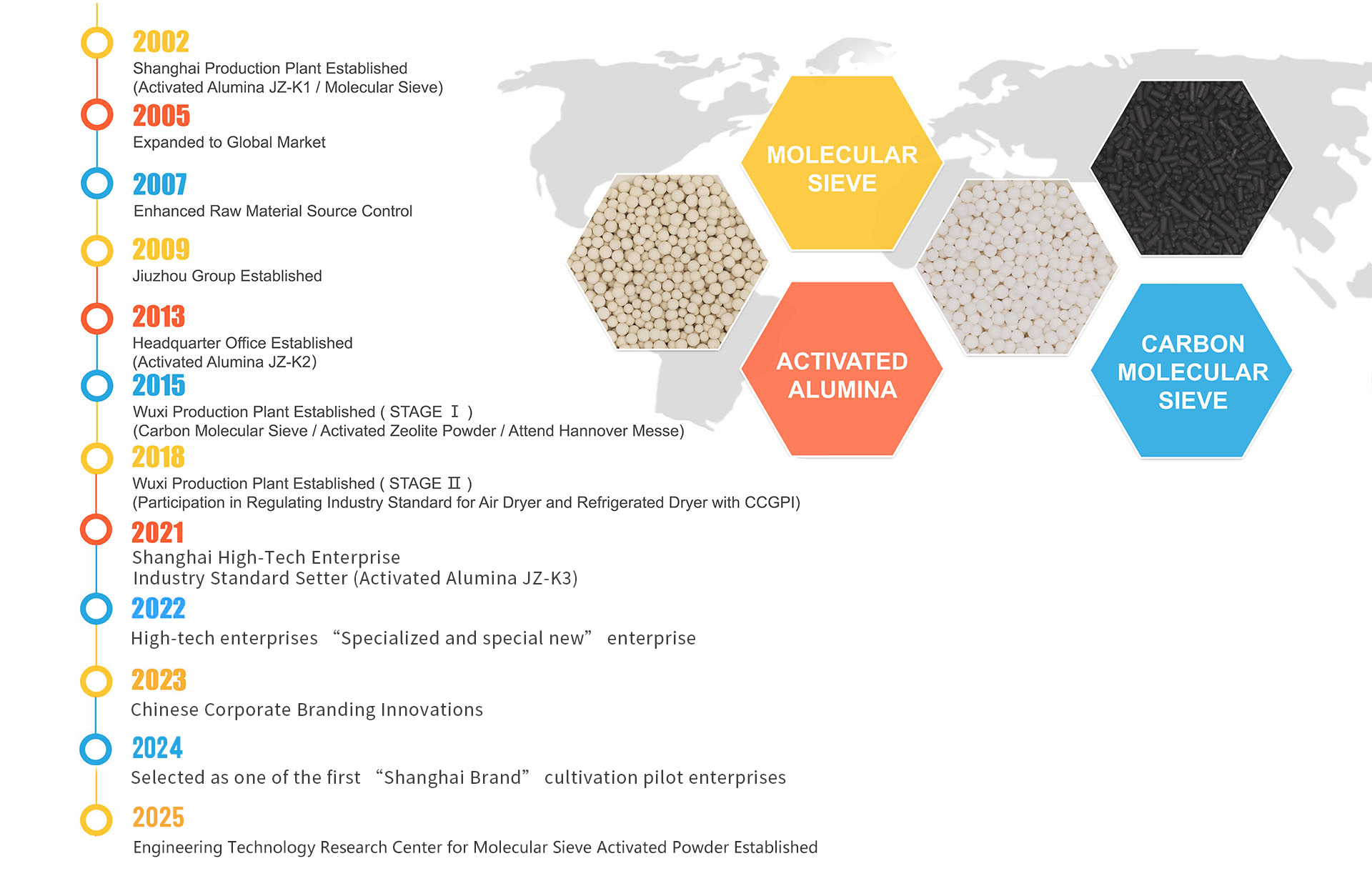
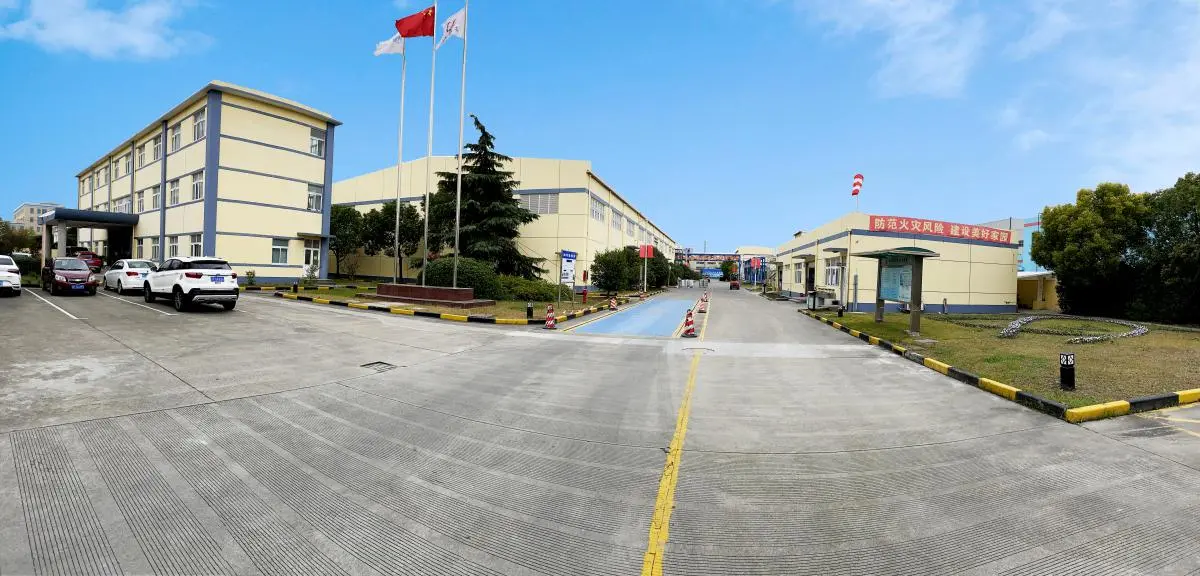

Shanghai Jiuzhou Chemicals is not only a product manufacturer but also a recognized author and technical standard setter for national and industrial specifications in compressed air drying and chemical adsorption.
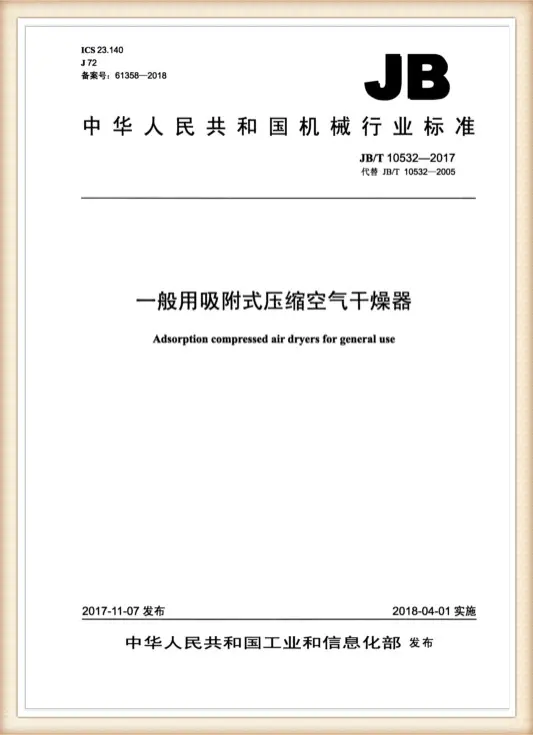
JB / T 10532-2017
Adsorption compressed air dryers for general use
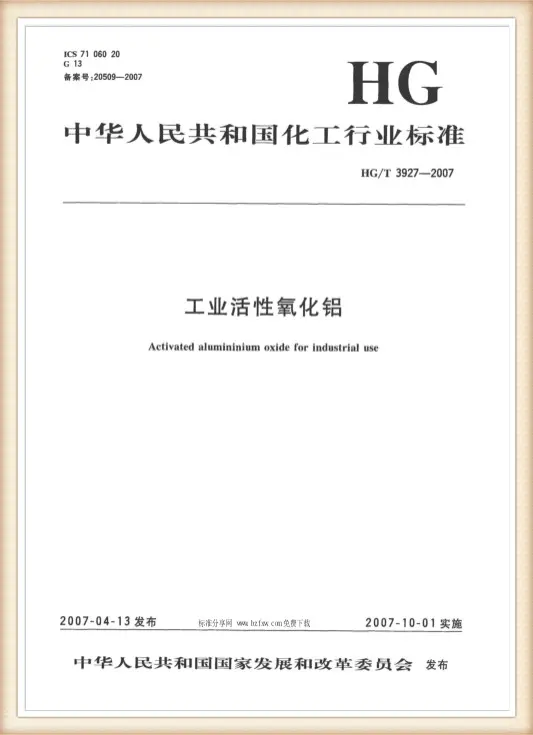
HG / T 3927-2007
Activated aluminum oxide for industrial use
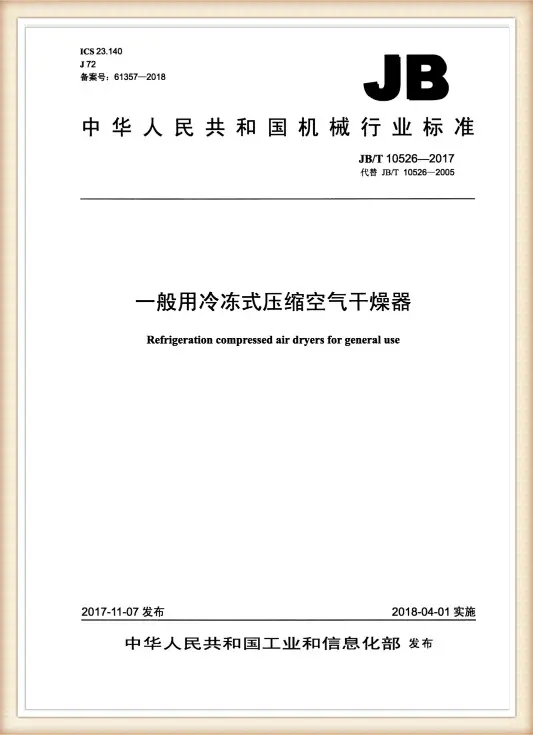
JB / T 10526-2017
Refrigeration compressed air dryers for general use
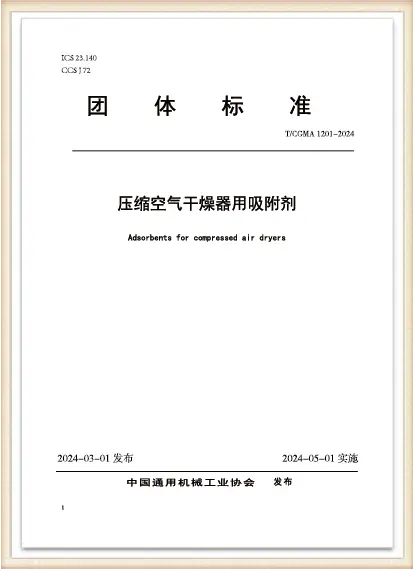
T/CGMA1201-2024
Industrial gas separation standard
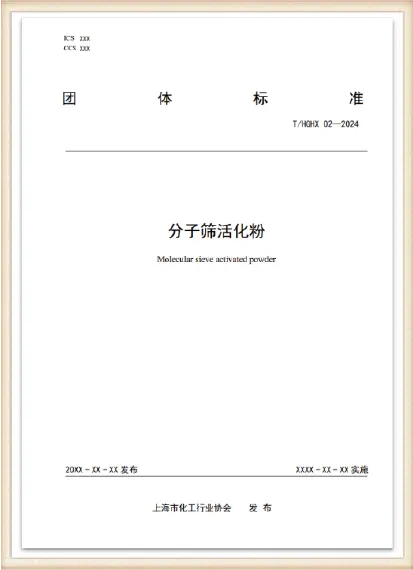
T/HGHX 02—2024
Chemical adsorption specifications
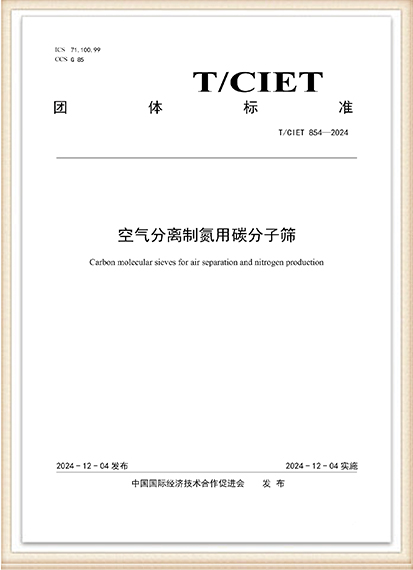
T/CIET 854-2024
Green chemical product manufacturing standard



Designing a high-performance Temperature Swing Adsorption (TSA) system requires matching the right molecular sieve or adsorbent substrate to specific gas composition, feed pressure, and target water dew point.
| Desiccant / Adsorbent Type | Nominal Pore Size | Static Water Adsorption (25°C, 60% RH) | Crush Strength (N/bead) | Target Moisture Dew Point | Primary Industrial Application |
|---|---|---|---|---|---|
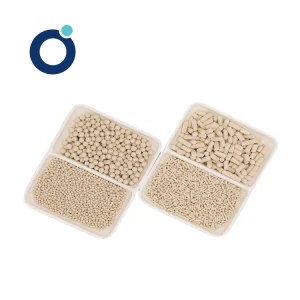
| Molecular Sieve 3A (JZ-2ZAS Series) | ~3 Ångströms | ≥ 21.0 % | ≥ 40 N (1.6-2.5mm) | Down to -100°C (<0.1 ppmv) | Cracked gas, Ethylene, Natural gas co-adsorption prevention (no hydrocarbon co-adsorption) |
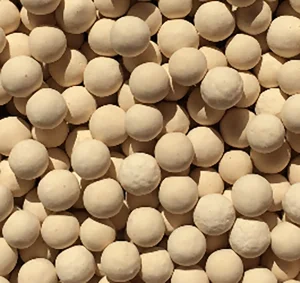
| Molecular Sieve 4A (JooSorb ZA-40) | ~4 Ångströms | ≥ 21.5 % | ≥ 45 N (2.0-3.0mm) | -70°C to -90°C | Pipeline natural gas dehydration, closed-loop gas drying, static desiccant beds |
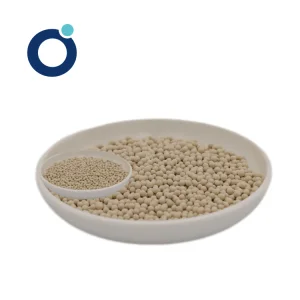
| Molecular Sieve 13X (JZ-ZMS9 / AST-01) | ~10 Ångströms | ≥ 24.0 % | ≥ 50 N (3.0-5.0mm) | Down to -100°C | Simultaneous $H_2O$, $CO_2$, and mercaptan ($R-SH$) removal prior to LNG liquefaction |
| Activated Alumina (JZ-K2 / JZ-E) | Transition Alumina | ≥ 35.0 % (at high RH) | ≥ 120 N (3-5mm) | -40°C to -70°C | High-humidity inlet gas buffer layer, thermal shock protection, compressed air drying |
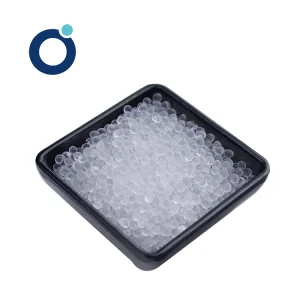
| Water-Resistant Silica Gel (JZ-WSG) | Mesoporous Silica | ≥ 40.0 % | ≥ 150 N | -40°C | Bottom protective guard layer in dual-bed systems to absorb liquid water condensate droplets |
Repeated thermal regeneration cycles at temperatures between 200°C and 310°C cause lattice degradation in inferior molecular sieves. JOOZEO sieves undergo specialized binder modification to preserve crystalline integrity across thousands of cycles.
High gas velocities during adsorption cycles create friction. JOOZEO desiccants feature ultra-high crush strength (>40-150 N), reducing mechanical attrition, differential pressure spikes, and downstream filter blinding.
Selective 3A molecular sieves utilize precise crystal pore sizing (3.0 Ångström) to allow water molecules (2.6 Å) to enter while excluding methane (3.8 Å) and ethane, preventing heat release and hydrocarbon loss.
China has emerged as the global epicenter for chemical adsorbent manufacturing, offering unmatched supply chain resilience, advanced automation, and significant Total Cost of Ownership (TCO) savings for international EPC operators.
Leading Chinese chemical manufacturers like Shanghai Jiuzhou maintain direct control over key raw material precursors, including high-purity sodium silicate, synthetic aluminosilicates, and active alumina hydrates. This vertical integration protects international buyers from raw material cost volatility and guarantees absolute batch-to-batch chemical purity.
JOOZEO’s automated production lines in Shanghai and Wuxi utilize digital DCS monitoring for hydrothermal crystallization, bead forming, and high-temperature calcination. Continuous quality feedback loops minimize pore size variance, achieving structural consistency compliant with international energy sector standards.
Whether for large multi-bed offshore FPSO projects requiring steel drum packaging under nitrogen purge or bulk bag delivery for onshore refinery replacement turnarounds, Chinese factories provide tailor-made solutions with optimized lead times and direct ocean port shipping from Shanghai Port.
By leveraging economies of scale, streamlined logistics, and in-house standard setters, Chinese molecular sieve suppliers deliver adsorbents that equal or exceed western OEM technical performance at a 25% to 40% lower capital expenditure threshold.
Dehydration requirements vary significantly across upstream extraction, midstream transportation, downstream LNG processing, and green transition projects.
Offshore Floating Production Storage and Offloading (FPSO) vessels require ultracompact dehydration skids capable of enduring vessel motion and dynamic tilt. High-density, high-crush-strength molecular sieves (such as JZ-2ZAS and JZ-ZMS9) are loaded in layered beds alongside protective JZ-WSG silica gel guard layers to withstand liquid surges and pitch/roll motion without bed dusting.
Liquefied Natural Gas (LNG) operations demand non-detectable water presence (<0.1 ppmv) to prevent blockages in aluminum plate-fin heat exchangers operating at -161°C. Dual and triple-bed TSA configurations using JooSorb AST-01 and Molecular Sieve 3A deliver guaranteed continuous deep dehydration across continuous multi-year operational cycles.
Renewable Natural Gas (RNG) upgraded from landfill gas or anaerobic digesters contains high moisture and volatile organic silicon compounds (siloxanes). Combined beds of Activated Alumina JZ-K2 and specialized silica gels effectively strip moisture and trace contaminants prior to gas grid injection.
As gas grids blend green hydrogen into existing natural gas pipelines, dehydration units must handle altered physical gas dynamics. Customized low-density molecular sieve formulations optimize mass transfer zones to maintain efficient drying under high velocity hydrogen blend gas streams.
Gas withdrawn from depleted reservoirs or salt caverns during winter peak demand is saturated with moisture and liquid hydrocarbon condensates. Quick-turnaround TSA units using robust Activated Alumina JZ-E handle rapid load changes and high moisture inlet spikes.
Flared gas recovery and APG capture require rugged pre-treatment skids capable of resisting heavy hydrocarbon condensates ($C_5+$ fractions). Protective buffer layers of water-resistant silica gel preserve structural adsorption capacity in severe field conditions.
The global natural gas industry is undergoing a structural transition towards lower carbon intensity, energy efficiency, and integration with Carbon Capture, Utilization, and Storage (CCUS) projects.
Traditional TSA regeneration consumes significant energy by routing heated dry gas (230°C - 280°C) through the offline bed. Modern engineered molecular sieves feature optimized heat capacity and modified desorption kinetics, reducing energy consumption during regeneration heater cycles by up to 15-20%.
When capturing $CO_2$ from natural gas processing streams or flue gases for underground permanent storage, water vapor must be removed down to stringent levels to prevent supercritical $CO_2$ pipeline corrosion. Advanced molecular sieve formulations like JZ-ZMS5 and JZ-ZMS9 provide dual $H_2O$ and $CO_2$ dynamic separation capabilities.
Global operators are deploying AI-driven digital twin models of adsorption beds. By analyzing differential pressure trends, bed temperature profiles, and water breakthrough curves, chemical engineers can accurately predict desiccant life expectancy and schedule material replacement during planned plant turnarounds.
Environmental regulations strictly limit venting or flaring of regeneration gas. Closed-loop, compressor-driven regeneration gas systems using high-selectivity 3A molecular sieves prevent hydrocarbon loss and reduce methane fugitive emissions to absolute zero.
When issuing RFQs for natural gas dehydration media, procurement officers and engineering leads must evaluate parameters beyond basic unit price to guarantee long-term operational integrity.
Ensure bulk crush strength meets minimum vessel packing pressures. For bottom bed layers, beads must withstand packed bed height forces plus dynamic gas impulse loads. Standard specs require >40 N for 1.6-2.5mm beads and >80 N for larger 3-5mm beads.
High attrition creates fines that clog bed support screens and increase pressure drop across downstream filter units. Premium suppliers like Shanghai Jiuzhou guarantee attrition rates below 0.1% weight according to ASTM D4058 testing methods.
Static equilibrium moisture capacity is insufficient. Demands must focus on breakthrough dynamic capacity under actual process conditions (pressure, temperature, flow velocity, co-adsorbed species). Specify dynamic breakthrough capacity tests during procurement audit.
Demand certified batch test reports covering X-ray Diffraction (XRD) crystal purity, BET surface area analysis, bulk density, particle size distribution, and moisture content before dispatch. Confirm ISO9001, TUV, and SGS verification credentials.
Adsorbents must be packed in airtight steel drums with inner polyethylene liners or hermetically sealed moisture-proof bulk bags with nitrogen purging. Ambient moisture pre-exposure ruins initial adsorption performance prior to vessel loading.
Choose manufacturers capable of performing hydrodynamic bed sizing calculations, mass transfer zone (MTZ) optimization, pressure drop modeling, and offering onsite loading supervision and performance troubleshooting support.
Expert answers to common engineering questions regarding natural gas dehydration molecular sieves, system design, operational life, and supplier selection.
Under standard operational conditions with proper feed gas pre-filtration (slug catchers, coalescers to eliminate liquid water and lube oil carryover), high-quality molecular sieves like JOOZEO JZ-2ZAS or JZ-ZMS9 typically operate effectively for 3 to 5 years (or approximately 2,000 to 4,000 thermal regeneration cycles) before requiring media replacement.
Molecular Sieve 3A has an effective pore aperture of approximately 3 Ångströms. Water molecules (2.6 Å) easily fit inside the pore matrix, whereas methane (3.8 Å), ethane, and propane are physically excluded. This prevents co-adsorption of hydrocarbons, eliminating gas shrinkage losses, reducing regeneration heat loads, and preventing thermal cracking/coking of hydrocarbons inside the molecular sieve pores during heating cycles.
Molecular sieves release significant adsorption heat when exposed to liquid water slugs (hydrothermal shock). This localized temperature flash ruptures the crystalline zeolite lattice, causing severe bead breakage, bed compaction, and catastrophic pressure drop spikes. Prevention involves placing a 15-20% top/bottom protective guard layer of Water-Resistant Silica Gel (JZ-WSG) or high-strength Activated Alumina (JZ-K2) ahead of the molecular sieve bed.
Target heating regeneration temperatures for natural gas molecular sieve beds typically range between 200°C and 290°C (390°F to 550°F) measured at the bed outlet gas stream. This ensures complete desorption of tightly bound water molecules and returns residual moisture capacity back to optimal levels.
Yes. Molecular Sieve 13X (such as JooSorb AST-01 or JZ-ZMS9) features a larger pore size (~10 Å) capable of co-adsorbing water, $H_2S$, $CO_2$, and mercaptans. However, dynamic bed sizing must account for competitive adsorption kinetics, as water will displace $H_2S$ and $CO_2$ as the adsorption front moves through the vessel.
A reputable manufacturer must hold certified ISO9001:2015 Quality Management Systems, ISO14001 Environmental Management Systems, and third-party test validations from international inspection bodies such as TUV, SGS, or Bureau Veritas. Industry standard setter status (such as Shanghai Jiuzhou's participation in national GB/T and HG/T standard drafting) provides additional technical credibility.
Static adsorption capacity measures the maximum moisture absorbed by the material in a static environment at equilibrium (e.g., in a constant humidity chamber at 25°C). Dynamic adsorption capacity measures the moisture absorbed in a continuous flow column under operational pressures, flow rates, temperatures, and hydrocarbon background concentrations up to the point of moisture breakthrough (e.g., >0.1 ppmv dew point violation).
Drums or bulk bags must be stored in a dry, covered, weather-protected warehouse on raised pallets. Drums should remain factory-sealed until immediately before loading into the vessel. Exposure to ambient air during loading should be minimized to avoid premature moisture uptake from atmospheric humidity.
Select from our complete range of engineered molecular sieves, silica gels, and activated aluminas tailored for industrial gas dehydrators.
Have a specific natural gas dehydration challenge or require a custom molecular sieve bed design quote? Our technical engineering team responds within 24 hours.
Send Request Now