Engineered catalysts, desiccants, and molecular sieves designed to deliver absolute purity under severe operational conditions.
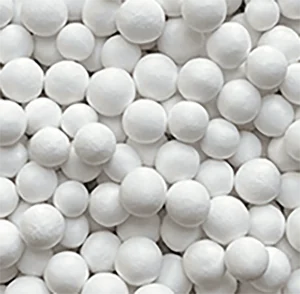
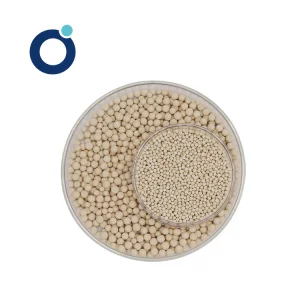
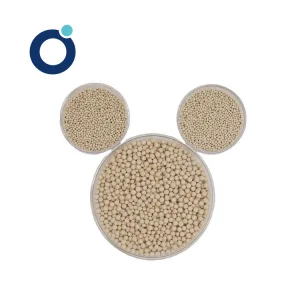
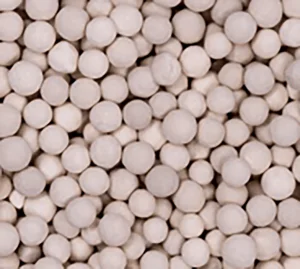
A 4 Angstrom Molecular Sieve (also known as Zeolite 4A) is an alkali metal aluminosilicate with an effective pore opening of approximately 4 angstroms (0.4 nm). Chemically represented as $Na_2O \cdot Al_2O_3 \cdot 2SiO_2 \cdot xH_2O$, this synthetic zeolite features a three-dimensional crystalline cage structure that functions as a highly selective adsorbent for polar molecules, primarily water.
The primary mechanism driving the efficiency of 4A molecular sieves is size exclusion coupled with electrostatic attraction. Molecules with a kinetic diameter of less than 4 Å—such as water ($H_2O$: ~2.65 Å), methanol ($CH_3OH$: ~3.6 Å), and carbon dioxide ($CO_2$: ~3.3 Å)—are efficiently captured inside the crystalline cavities. Conversely, larger molecules like ethane ($C_2H_6$: ~4.4 Å), propane ($C_3H_8$: ~4.9 Å), or larger hydrocarbons are excluded, rendering the 4A zeolite an invaluable component in clean, selective dehydration systems.
By preventing co-adsorption of hydrocarbons, 4A molecular sieves significantly reduce energy consumption during thermal regeneration phases, preventing coking and extending the operational lifespan of the desiccant bed in harsh industrial environments.
Standard 4A molecular sieves exhibit a Type I Langmuir isotherm behavior. Under standard ambient conditions ($25^\circ\text{C}$, $RH=60\%$), they maintain a static water adsorption capacity exceeding 21.5% by weight. The crystalline structure remains stable during thermal regeneration cycles at temperatures ranging between $200^\circ\text{C}$ and $350^\circ\text{C}$, maintaining pore structural integrity over thousands of cycles.
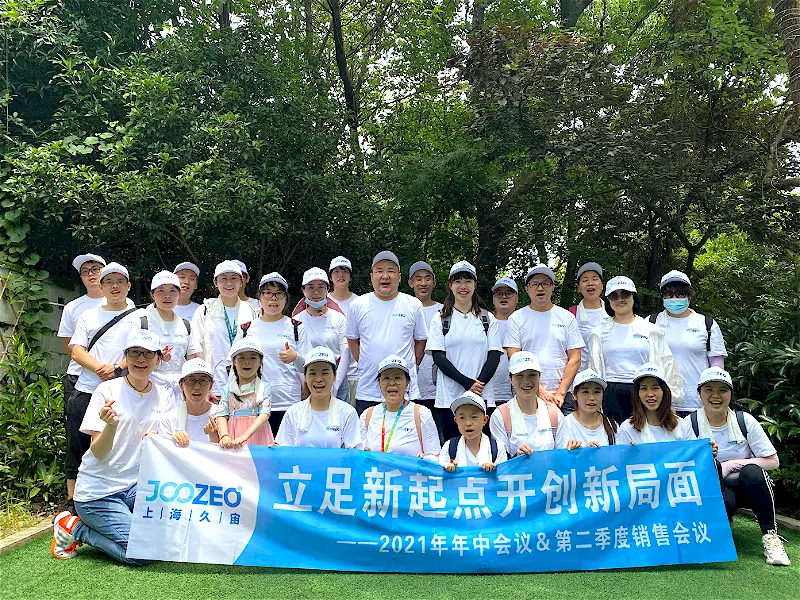
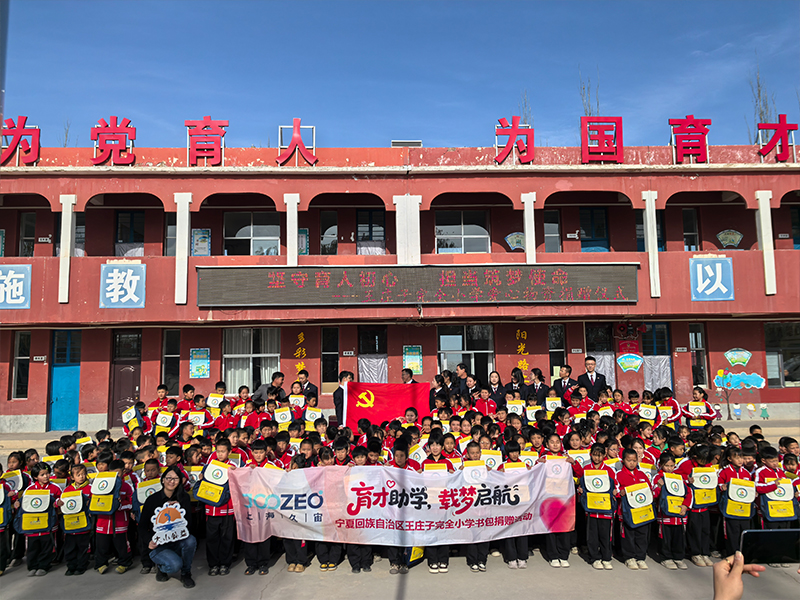
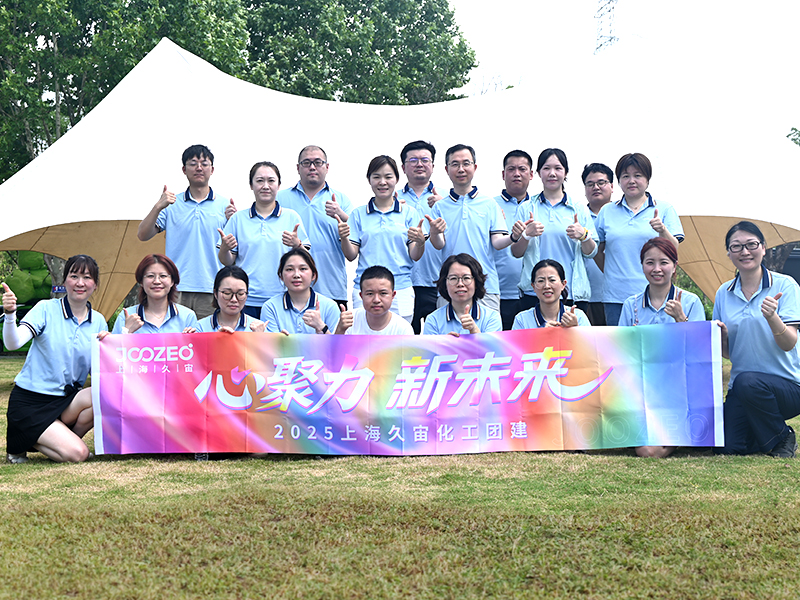
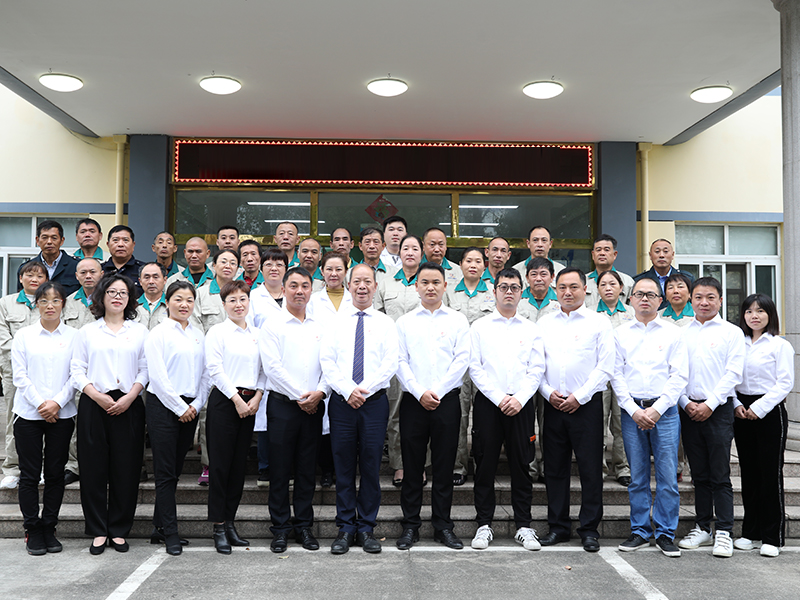
Located in Shanghai, the largest economic and industrial development hub in China, Jiuzhou has consistently adhered to the core operating principles of "Quality Control & Continuous Innovation." For three decades, we have committed ourselves to the development, research, and manufacturing of premium, high-performance chemical adsorbents.
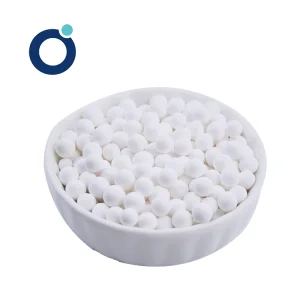
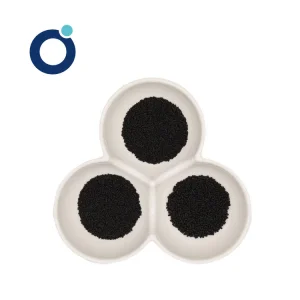
Our comprehensive portfolio features molecular sieve powders, active powders, activated alumina, aluminum oxide catalysts, various alumina tower packings, inert ceramic support balls, sodium silicates, aluminum hydroxide, and Zeolite 4A. All operations and products strictly comply with ISO 9001:2008 Quality Management standards, with certifications issued by internationally recognized third-party agencies including TUV and SGS.
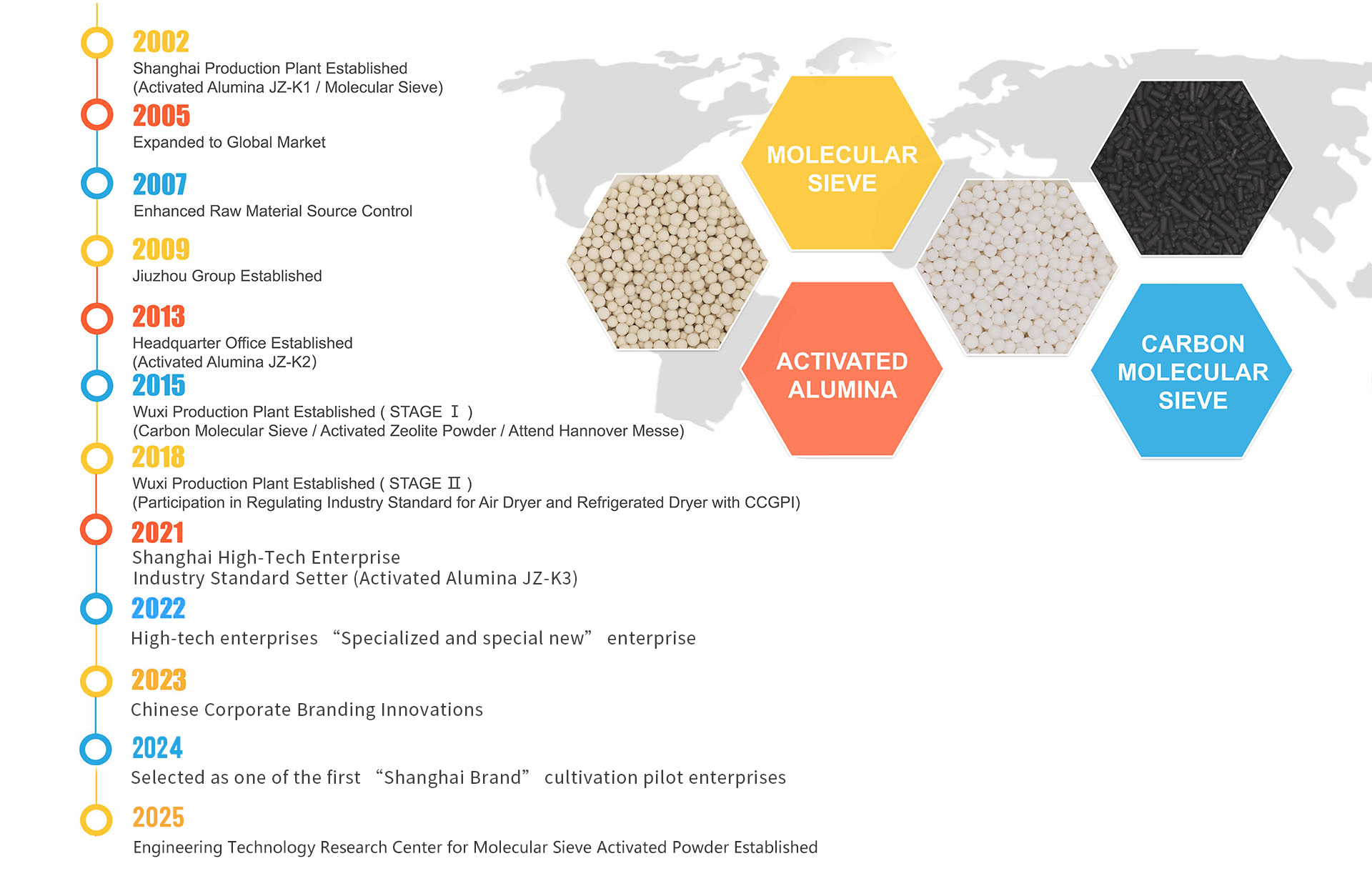
Our commitment to rigorous control and technological progress defines our place in the global adsorbents sector.
Every batch of raw materials is thoroughly checked before processing. We monitor parameters like particle size distribution, bulk density, crush strength, and water adsorption capacity at multiple stages of production. Our internal QC laboratory operates 24/7, maintaining a complete sample retention archive for comprehensive batch traceability.
Our R&D team continuously works to improve the structural strength and absorption speeds of our materials. By adjusting binder formulations and calcination parameters, we create customized solutions for specific client requirements, helping to reduce energy use and minimize pressure drops in industrial dryer systems.
Strategically situated production facilities optimize domestic raw material integration and logistics pathways.
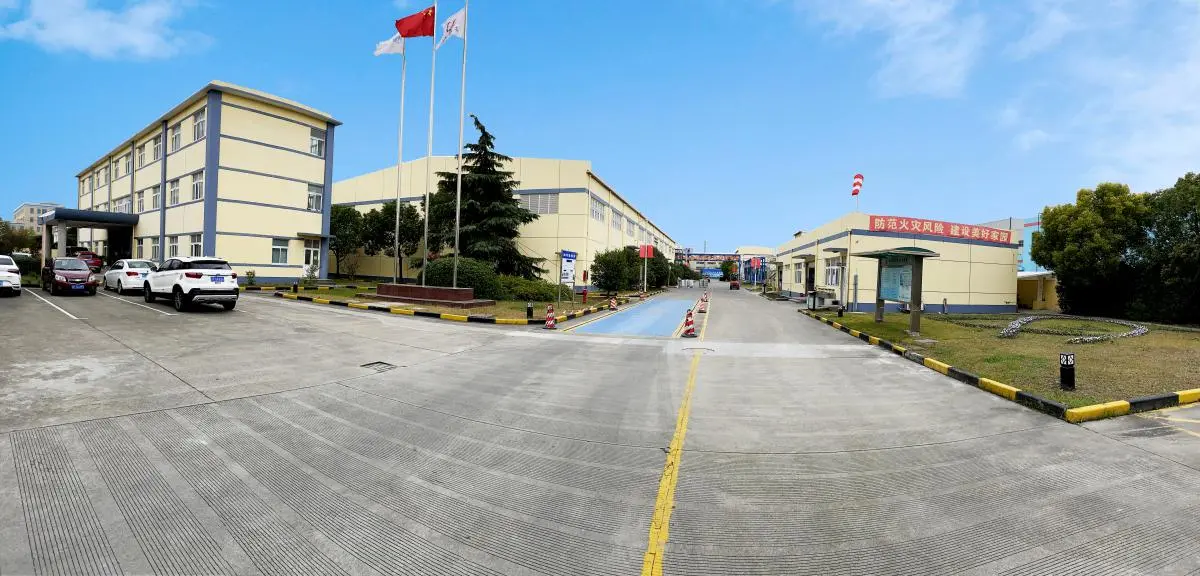
Focusing on high-precision catalyst manufacturing, finished product quality testing, international logistics management, and collaborative customer service operations.

Equipped with high-capacity rotary calcination kilns, automated bead forming systems, and bulk storage facilities to ensure consistent, large-scale supply output.
Jiuzhou is actively involved in drafting and maintaining national and association-level standards for compressed air drying and adsorption technology in China.
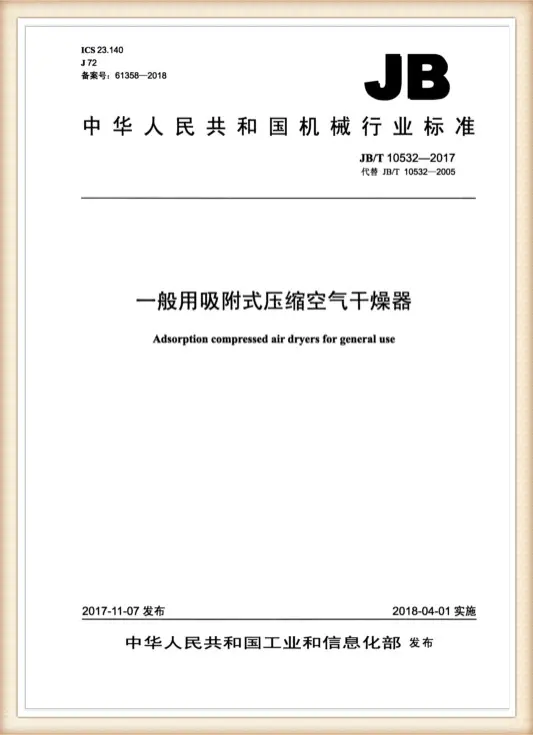 JB / T 10532-2017
Adsorption compressed air dryers for general industrial applications.
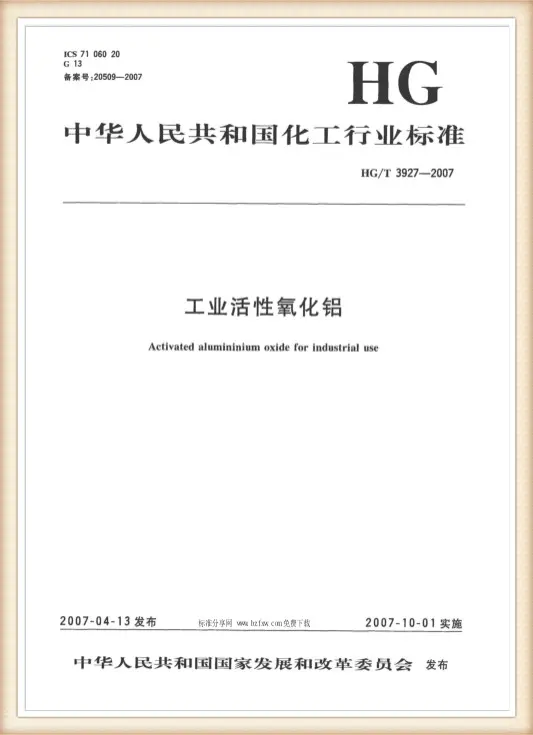 HG / T 3927-2007
Activated aluminum oxide for industrial use specifications.
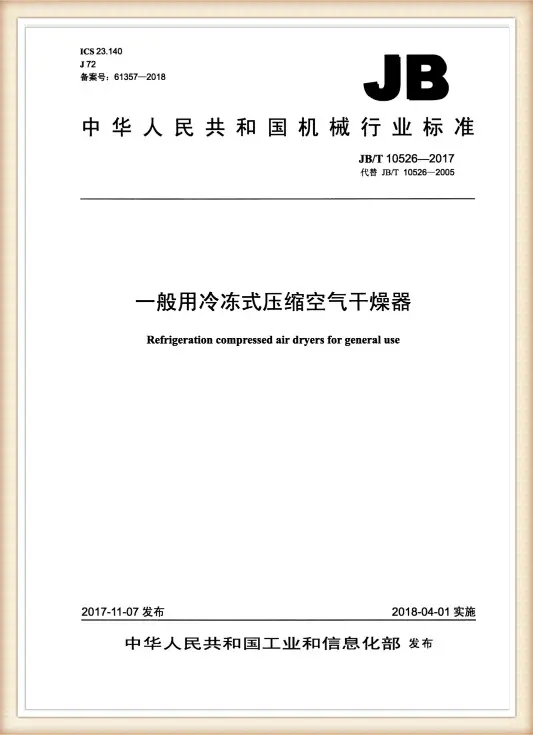 JB / T 10526-2017
Refrigeration compressed air dryers for general industrial use.
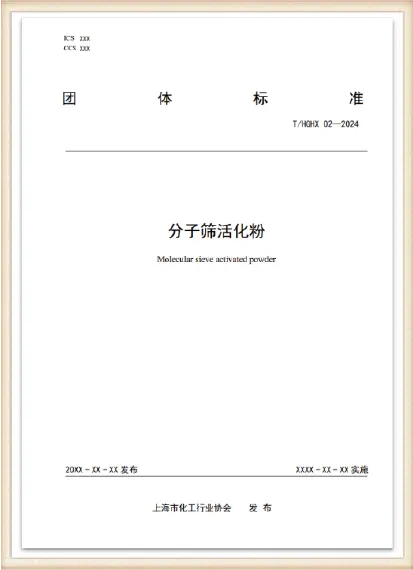 T/CGMA1201-2024
China General Machinery Industry Association Standards.
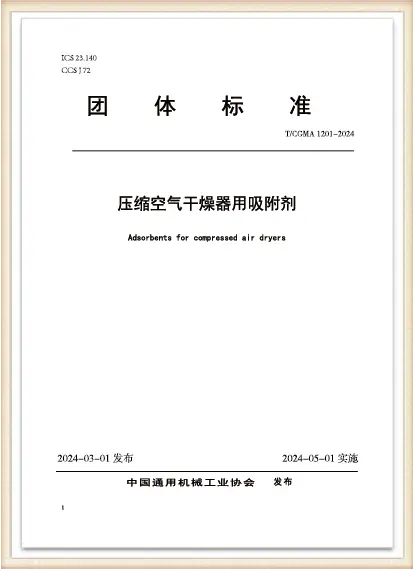 T/HGHX 02—2024
Industrial Chemical Adsorbents Association Specifications.
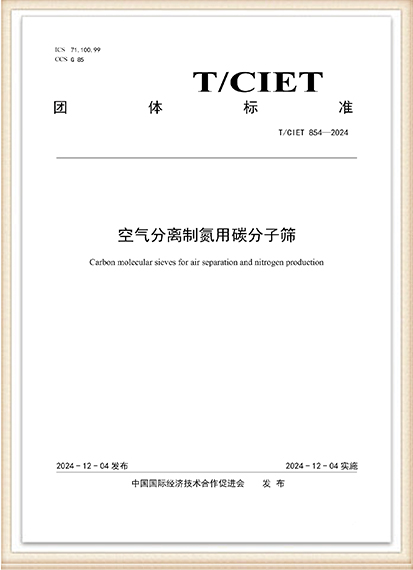 T/CIET 854-2024
Clean Industrial Adsorption Materials Regulations.
The global demand for 4A molecular sieves is driven by several key industrial sectors: oil and gas, petrochemicals, automotive systems, structural glazing, and metallurgy. As processing plants aim for lower greenhouse gas emissions and improved thermal efficiency, high-performance molecular sieves play a key role in reducing utility energy consumption.
In modern steam crackers, polymer-grade feedstocks (such as ethylene and propylene) must undergo deep dehydration to prevent catalyst poisoning in downstream polymerization reactors. Trace water content must be kept under 1 ppm. 4A molecular sieves are well-suited for this application as they reject hydrocarbons like ethylene, propylene, and butadiene, preventing capillary condensation and coking within the zeolite structure.
In liquefied natural gas (LNG) cold boxes, operating temperatures can drop below $-160^\circ\text{C}$. At these low temperatures, any residual moisture will freeze, leading to pipeline blockages and system downtime. Multi-bed TSA (Thermal Swing Adsorption) systems using 4A molecular sieves are standard for drying natural gas feedstreams, achieving dew points below $-70^\circ\text{C}$.
As a leading Chinese manufacturer, Jiuzhou delivers distinct advantages to global buyers by combining cost efficiency with high-quality standards:
| Zeolite Type | Effective Pore Diameter | Primary Molecules Adsorbed | Primary Applications |
|---|---|---|---|
| Molecular Sieve 3A | ~3 Å (0.3 nm) | $H_2O$, $NH_3$ (excludes $C_2H_6$) | Ethanol dehydration, cracked gas drying, insulated glass units. |
| Molecular Sieve 4A | ~4 Å (0.4 nm) | $H_2O$, $CO_2$, $H_2S$, $SO_2$ (excludes $C_3H_8$) | Air dryer systems, natural gas dehydration, refrigerant drying. |
| Molecular Sieve 5A | ~5 Å (0.5 nm) | n-paraffins, light alcohols (excludes branched compounds) | PSA hydrogen purification, n-iso paraffin separation. |
| Molecular Sieve 13X | ~10 Å (1.0 nm) | Large molecules, mercaptans, light hydrocarbons | Air prepurification (PSA/TSA), desulfurization processes. |
Better Air, Better Life — We design and manufacture our products to support cleaner processes, reduced energy use, and lower emissions across the chemical industry.


Key answers to help system engineers and purchasing managers maximize performance and runtime efficiency.
Explore our complete range of specialized materials, including desiccants, structural silicones, and advanced carbon molecular sieves.
Connect with our technical support team for customized adsorption solutions, pricing, and packaging configurations. We reply within 24 hours.
Send Request