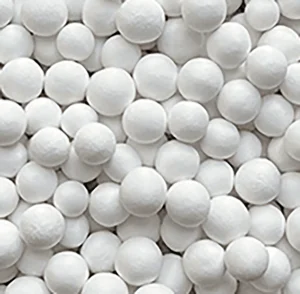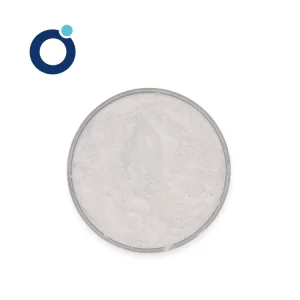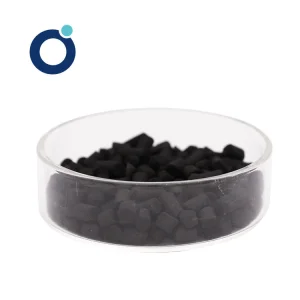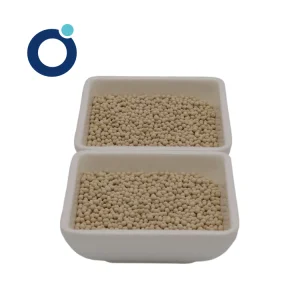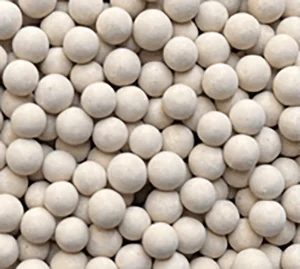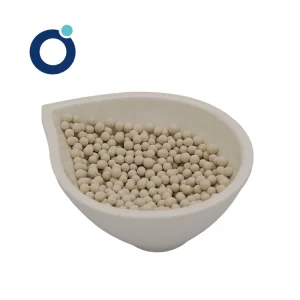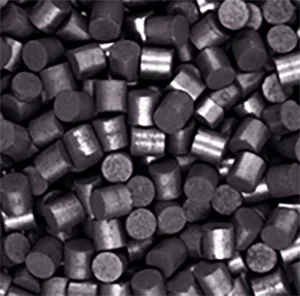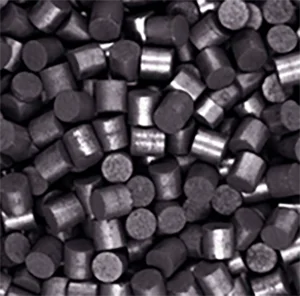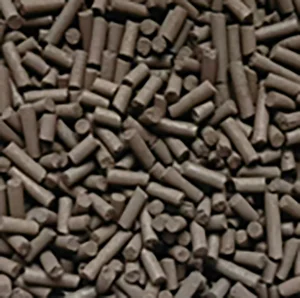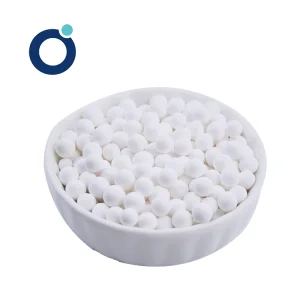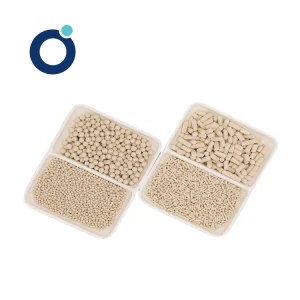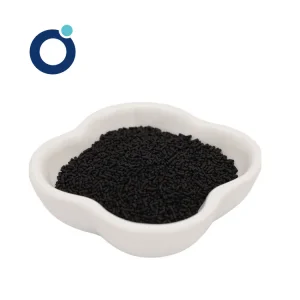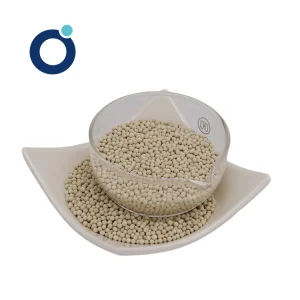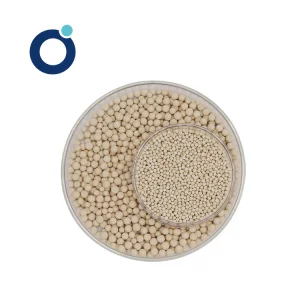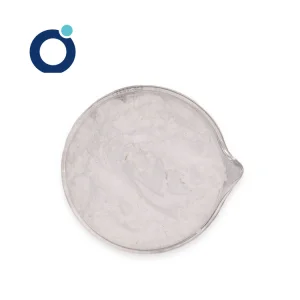
Engineered to deliver industry-leading separation kinetics and high crushing strength for rugged operating environments.
In the globalized search for industrial cost-efficiency, Carbon Molecular Sieve (CMS) technology has transitioned from a niche chemical commodity to a core driver of modern separation technology. The primary function of CMS is its capability to facilitate gas separation on a kinetic scale, most notably the separation of oxygen from nitrogen streams within Pressure Swing Adsorption (PSA) installations.
Unlike standard activated carbons which rely on equilibrium-based adsorption, CMS relies on engineered, sub-nanometer micro-pore channels (approximately 3 to 4 Angstroms). Oxygen molecules, having a smaller kinetic diameter (3.46 Å) than nitrogen molecules (3.64 Å), diffuse into these narrow pore paths hundreds of times faster. Consequently, the nitrogen passes through the adsorbent bed under pressure, generating high-purity nitrogen gas with low energy overhead.
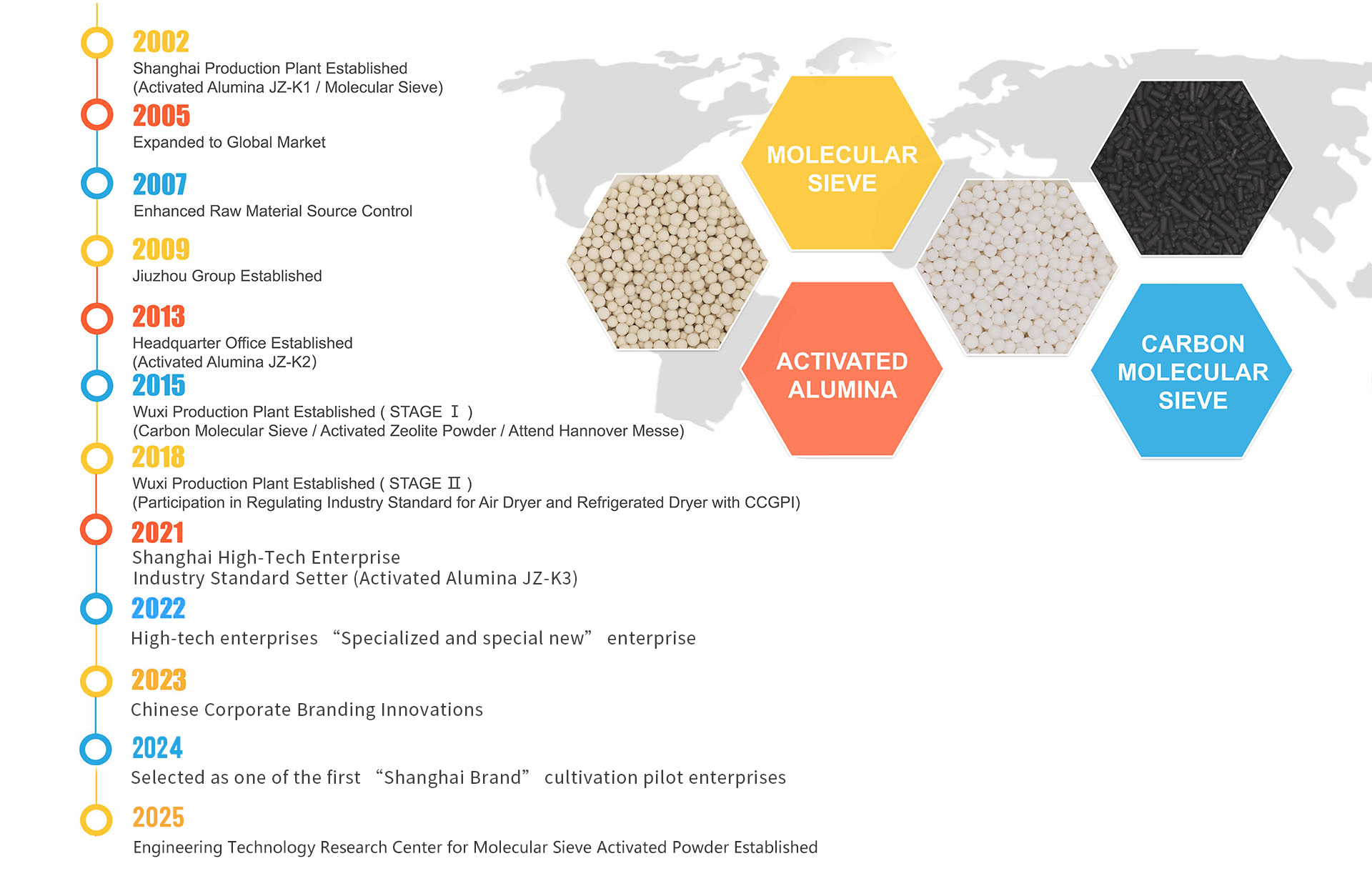
Located in the prominent Economic Development city of Shanghai, Jiuzhou has consistently adhered to its core principles of "Quality Control & Continuous Innovation". We are committed to the deep development, advanced research, and high-precision manufacturing of innovative chemical products.
Our primary product categories encompass a variety of molecular sieve powders, molecular sieves, activated powder, activated alumina, aluminum oxide catalysts, different types of alumina packing and ceramic balls, sodium silicates, aluminum hydroxide, zeolite 4A, sodium carbonates, SLES, and associated chemical solutions. Our manufacturing processes are ISO9001: 2008 Quality Management System certified, and audited by TUV and SGS.
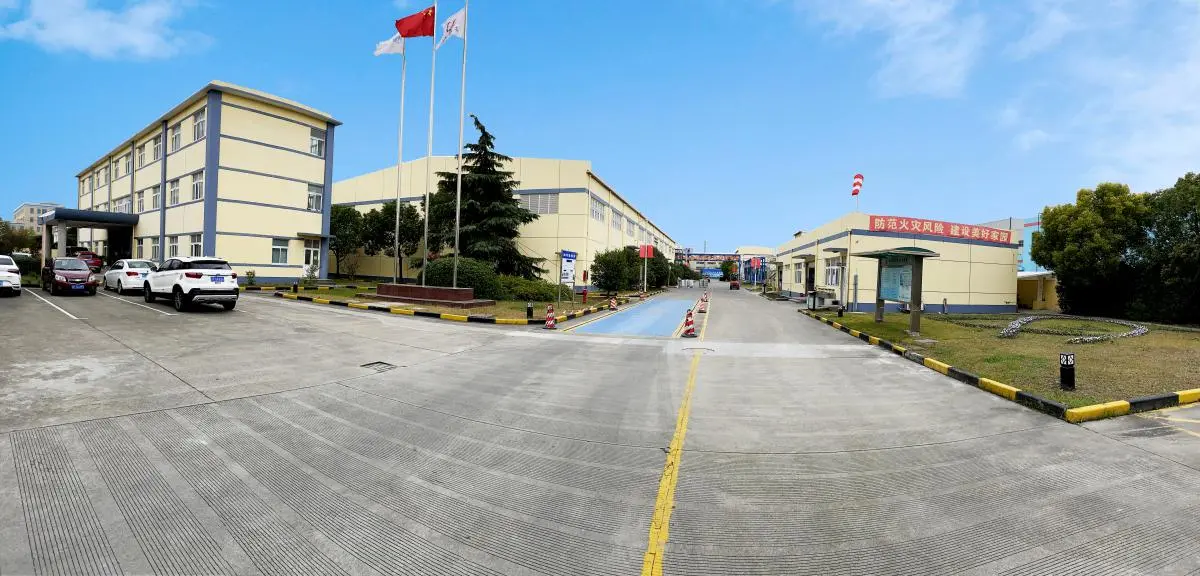
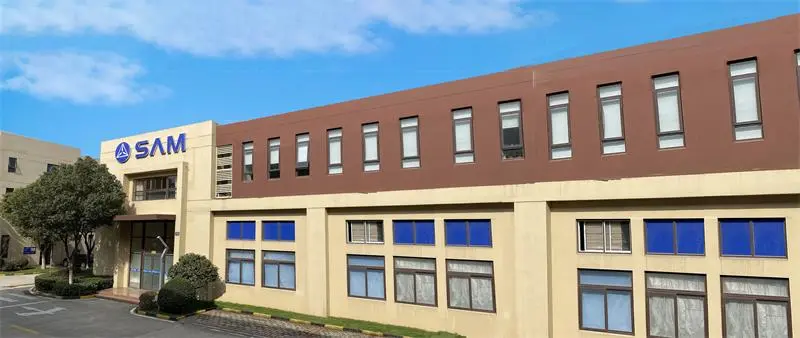
Adhering to strict international protocols across our state-of-the-art facilities in Shanghai and Wuxi.
Jiuzhou's technical strength and industry reputation are leading the industry in the field of desiccants, with senior experts and technical reserves, automated multi-functional production workshops, and a central laboratory and dynamic laboratory composed of large-scale monitoring and analysis instruments.
Better air, Better life
At Shanghai Jiuzhou Chemicals, we recognize that chemical engineering plays a critical role in global environmental management. Our commitment to green energy-saving and environmentally friendly adsorption solutions guides our processing, raw material selection, and distribution pipelines. We supply partners worldwide with chemical formulations that decrease energy footprints and improve overall output purity.
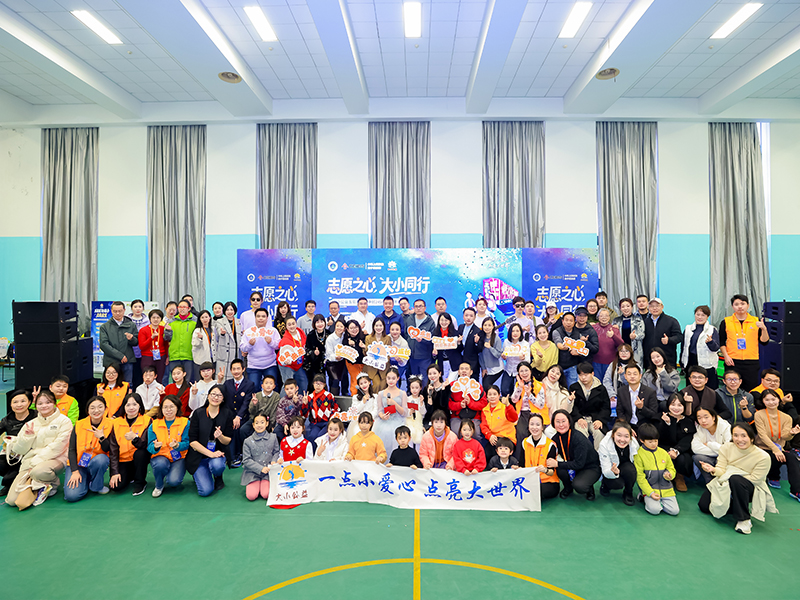
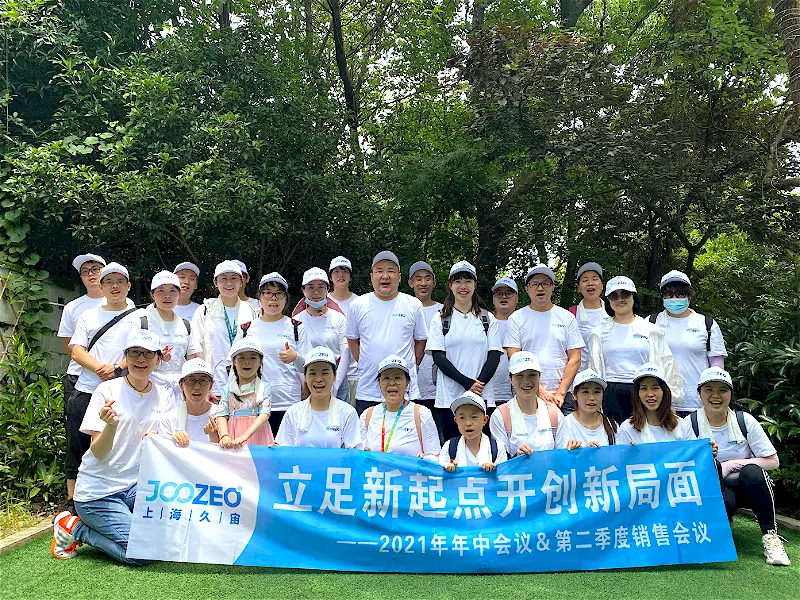
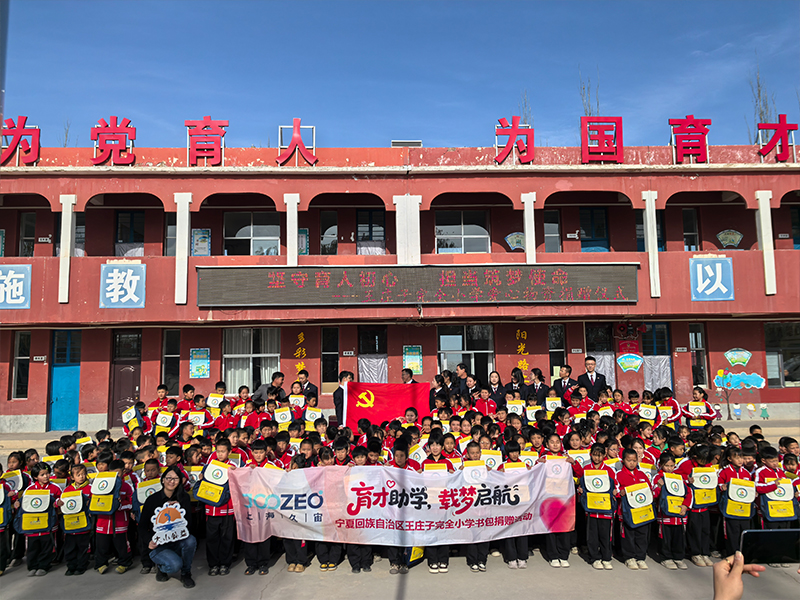
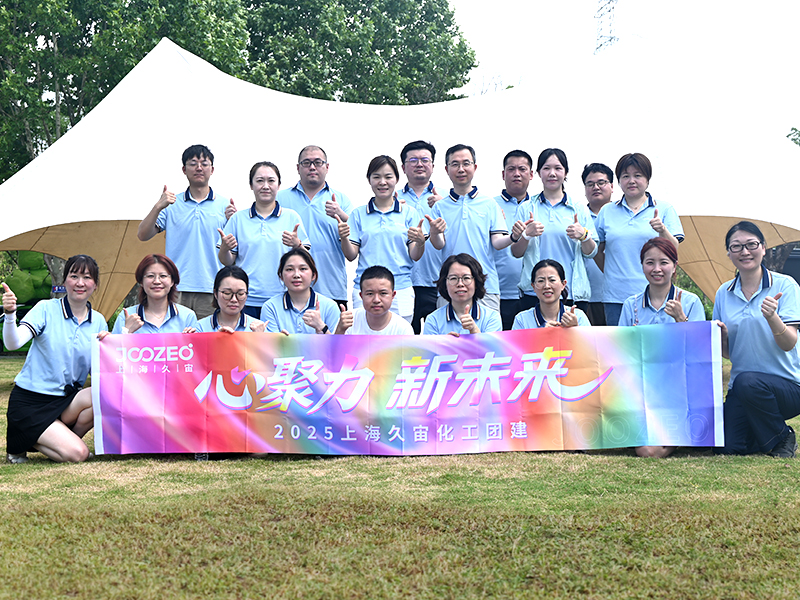
Below is a preview of our operational activities, showing our adherence to strict manufacturing, shipping, and quality assurance workflows across our production networks.
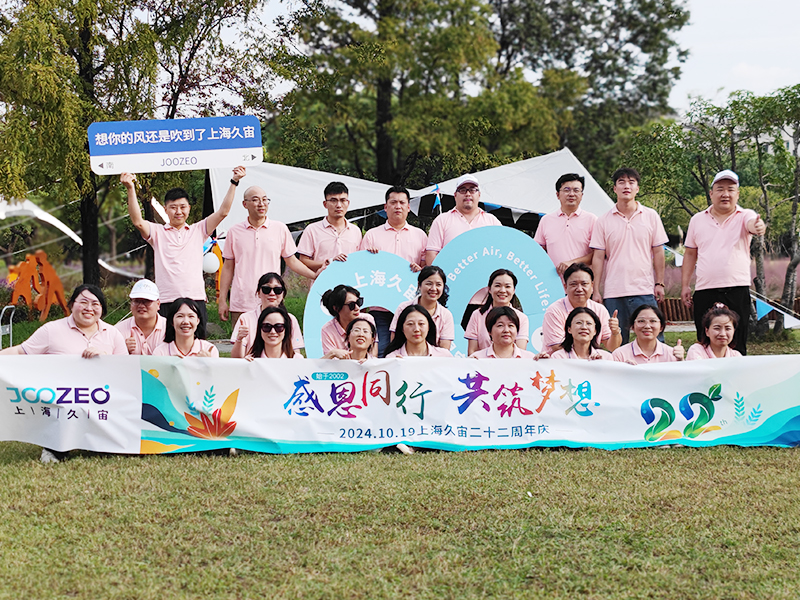
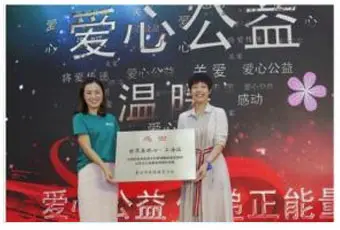
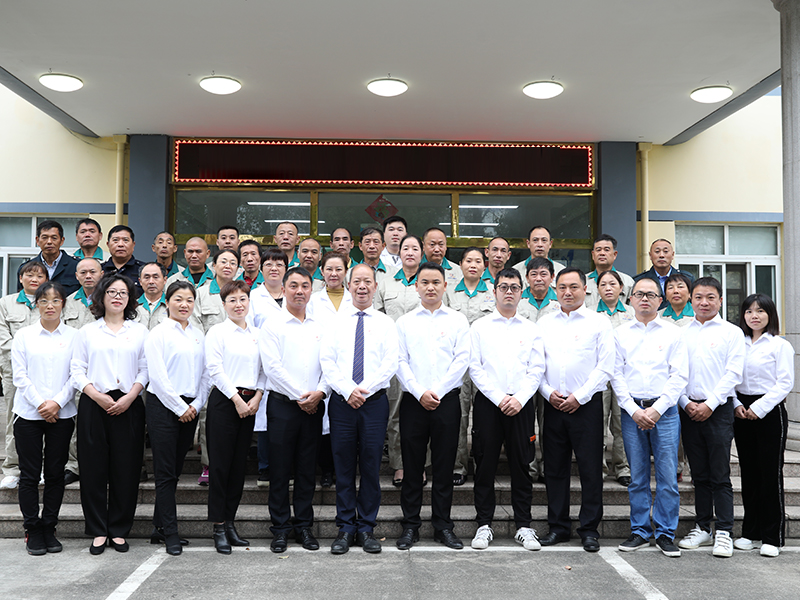
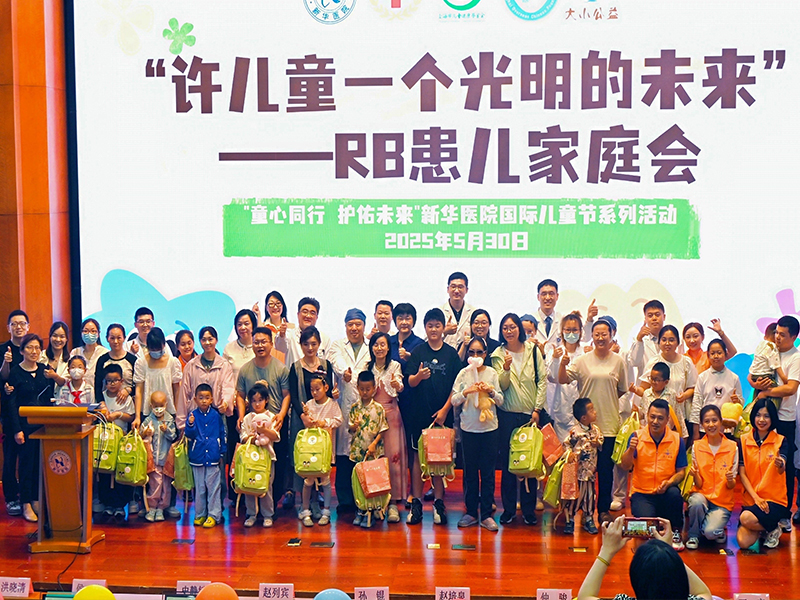
Jiuzhou is proud to participate in setting and revising Chinese National and Industrial standards for molecular sieve and adsorbent testing.
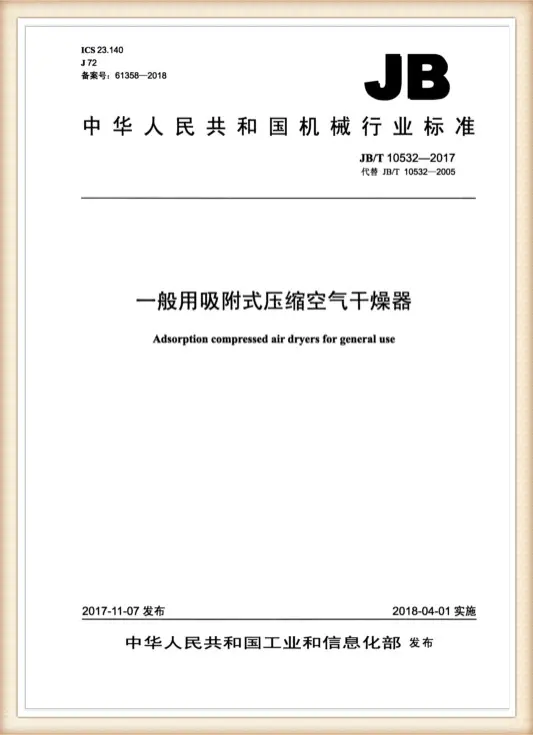
JB / T 10532-2017
Adsorption compressed air dryers for general use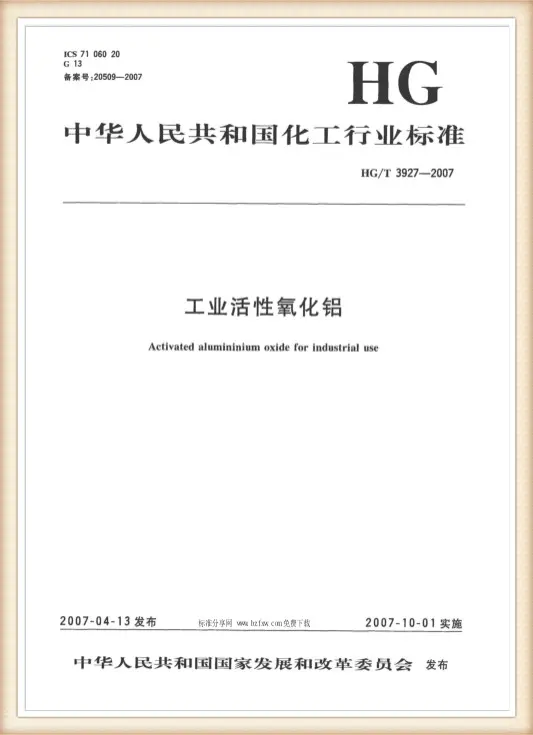
HG / T 3927-2007
Activated aluminum oxide for industrial use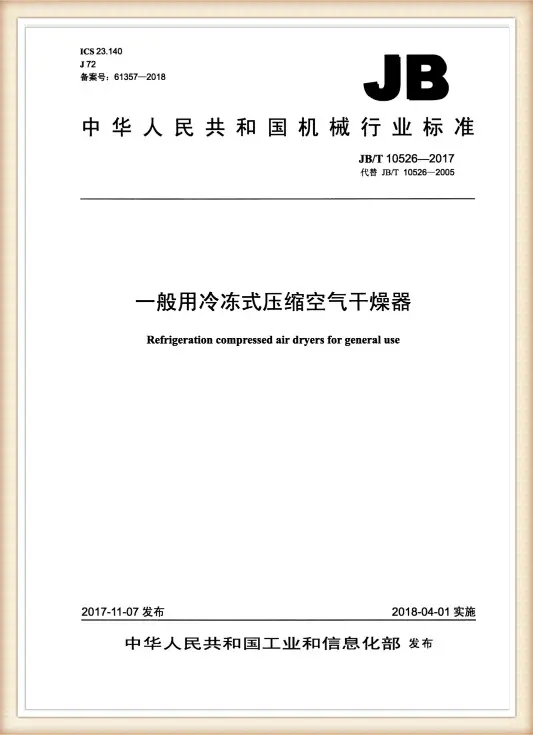
JB / T 10526-2017
Refrigeration compressed air dryers for general use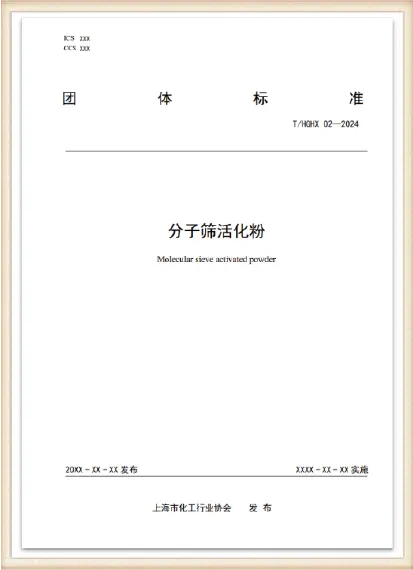
T/CGMA1201-2024
Standardized air compressor testing metrics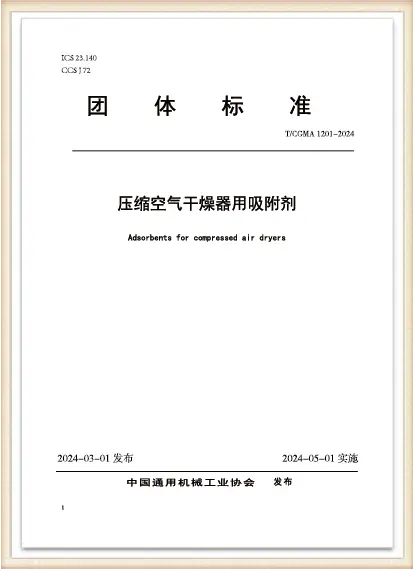
T/HGHX 02—2024
Chemical industry standard for high purity adsorption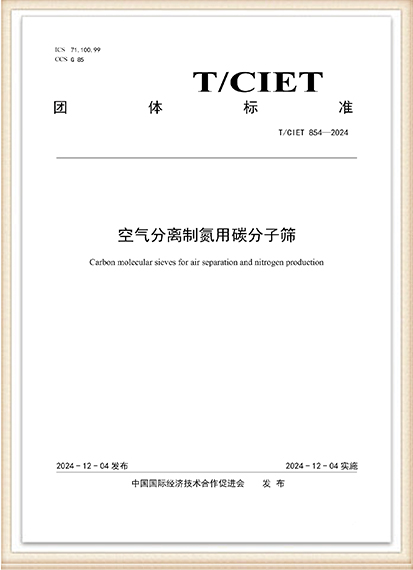
T/CIET 854-2024
Industrial environmental drying standardsAnalyzing key variables in procurement cycles, plant logistics, and engineering compliance across continents.
Industrial gas OEMs and procurement professionals face double pressure: lowering specific power consumption (SPC) while ensuring high system reliability. Our high-efficiency CMS carbon grades offer a cost-effective alternative to domestic European or North American products, reducing carbon replacement costs by 20% to 35% without sacrificing purity.
Our products are used in varied systems worldwide: in electronics manufacturing (purity requirements up to 99.999%), marine nitrogen generators (high mechanical vibration environments), petrochemical refineries (inert shielding and high-temperature gas drying), and food preservation packing (to displace oxygen and extend shelf life).
The development direction of CMS centers on engineering carbon matrices with highly precise sub-nanometer channels (< 3Å). Over the 2025-2030 timeframe, Jiuzhou is researching plant-derived renewable carbon precursors (coconuts, biomass) to decrease carbon emissions in our manufacturing, assisting partners in meeting global ESG initiatives.
The data below outlines the technical specifications of our Carbon Molecular Sieve grades, showing their suitability for various process requirements and system pressures.
| CMS Grade / Product | Optimal Operating Pressure | Average Pore Diameter | Bulk Density (g/L) | Min. Nitrogen Purity Yield | Crushing Strength (N/particle) |
|---|---|---|---|---|---|
| JZ-CMS Ultra-I | 0.7 - 0.9 MPa | 2.8 - 3.2 Å | 680 - 720 | 99.999% (Ultra Pure) | ≥ 95 N |
| JZ-CMS High-Yield | 0.6 - 0.8 MPa | 3.0 - 3.5 Å | 660 - 700 | 99.5% - 99.9% | ≥ 90 N |
| JooSorb AST Series | 0.5 - 1.2 MPa | Chemically Tailored | 720 - 750 | Custom Gas Separation | ≥ 110 N |
| JZ-ZMS Zeolite | 0.3 - 0.7 MPa | 4.0 - 9.0 Å | 620 - 660 | Oxygen Generation Core | ≥ 70 N |
Addressing technical questions regarding molecular separation, system optimization, and life cycle management.
Explore our broader product range, supporting industrial gas processing, environmental control, and clean manufacturing.
Get technical support, performance calculations, and customized quotes from our chemical engineering team. We respond within 24 hours.
Send Request