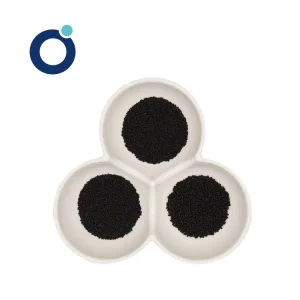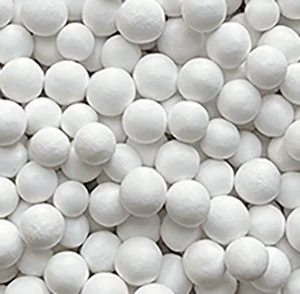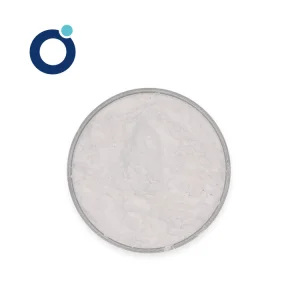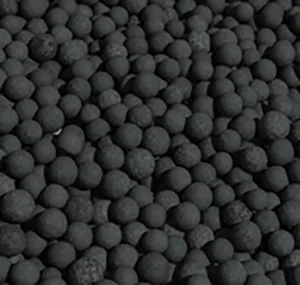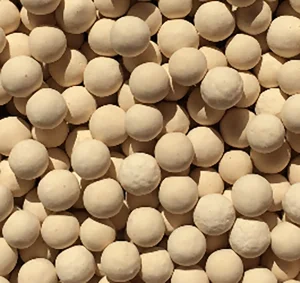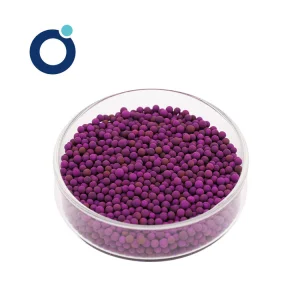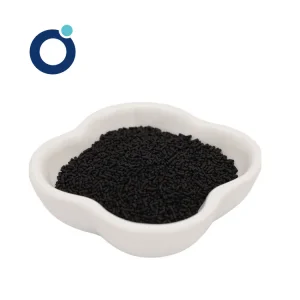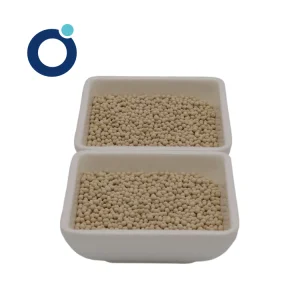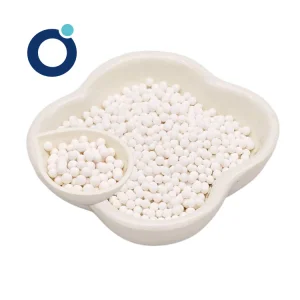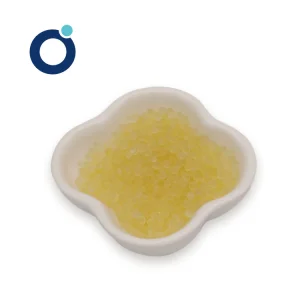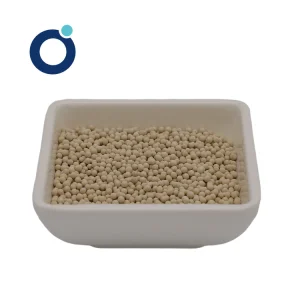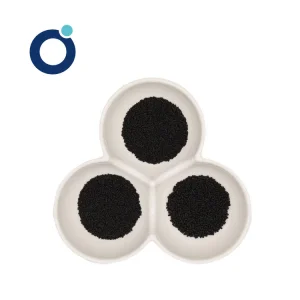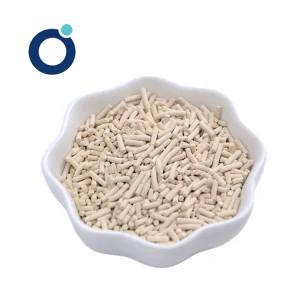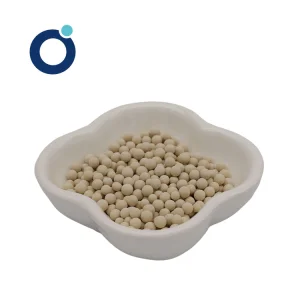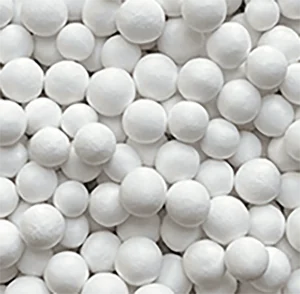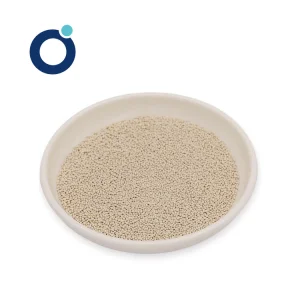
Molecular Sieve 4A is an alkali metal aluminosilicate, consisting of the sodium form of the Type A crystal structure. Having an effective pore opening of approximately 4 angstroms (0.4 nm), it selectively adsorbs molecules with a kinetic diameter of less than 4 angstroms while excluding larger chemical compounds. This molecular-level screening behavior makes 4A zeolites the premier desiccant for removing moisture, trace contaminants, and polar fluids from gaseous and liquid systems.
The chemical formula for the crystalline framework is typically represented as:
Na12[(AlO2)12(SiO2)12] · x H2O
Within this porous framework, sodium cations neutralize the negative charges of the aluminosilicate tetrahedra. These cations generate highly localized electrostatic fields within the unit cells, providing a profound affinity for polar molecules such as water (H2O). When moist gas passes through the molecular sieve bed, the water molecules are pulled into the sub-nanometer cavities and retained via physical adsorption, maintaining stable operation even under low partial pressures and high temperatures.
The operational longevity and thermodynamic efficiency of a molecular sieve desiccant bed are determined by several vital material characteristics. Industrial buyers must cross-examine manufacturer parameters with the following target specifications:
| Performance Property | Standard Bead (1.6 - 2.5 mm) | Standard Bead (3.0 - 5.0 mm) | Industrial Impact |
|---|---|---|---|
| Static Water Adsorption (%) | ≥ 21.5% | ≥ 21.5% | Determines absolute moisture retention capacity at equilibrium. |
| Bulk Density (g/mL) | 0.72 - 0.78 | 0.70 - 0.76 | Influences the mass of desiccant required to fill a specific vessel volume. |
| Crush Strength (N) | ≥ 35 N | ≥ 85 N | Prevents mechanical breakdown and attrition under high gas velocities. |
| Attrition Rate (wt%) | ≤ 0.1% | ≤ 0.1% | Minimizes dust generation, protecting downstream valves and compressors. |
| Package Moisture (wt%) | ≤ 1.5% | ≤ 1.5% | Ensures high initial activity upon installation prior to regeneration. |
Navigating the commercial pricing of molecular sieve 4A requires understanding the cost components from factory synthesis to logistics. Global price metrics are generally expressed per metric ton and fluctuate based on physical form (beads vs. extrudates), binder technologies, energy tariffs, and raw material access.
The structural matrix of Type 4A zeolite relies on precise ratios of silicon and aluminum sources (typically sodium silicate, sodium aluminate, or high-purity aluminum hydroxide). The purity of these raw materials directly influences the crystallinity of the resulting zeolite. Lower-purity reactants often contain trace iron or titanium compounds, which degrade hydrothermal stability over repeated thermal swing adsorption (TSA) cycles. Binders, such as attapulgite or kaolin clays, are also added to form the final beads, making up 10% to 20% of the product weight. Higher-grade binders increase mechanical crush strength and chemical resistance, which affects overall production costs.
Zeolite crystallization is followed by a thermal activation process to remove structural water. This activation occurs in rotary kilns or vertical calcining furnaces heated to 550°C–650°C. This energy-intensive process makes manufacturing highly sensitive to regional energy prices (natural gas and electricity). Factories with modern waste heat recovery systems and automated thermal profiling can optimize fuel consumption, providing more stable pricing amid volatile global energy markets.
The physical geometry of the molecular sieve beads impacts pricing. Spherical beads with narrow size distributions (e.g., 8x12 mesh or 4x8 mesh) require advanced sizing equipment and screening stages. Binders must be combined uniformly to prevent active zeolite dilution. Specialized grades for applications like insulating glass units or vehicle air brake systems require stricter quality assurance testing, which commands a premium over standard industrial-grade desiccants.
Packaging configurations (such as super sacks, steel drums, or moisture-barrier cartons) and export logistics impact the final delivered cost. Regulatory compliance, including REACH certification for the European Union, TSCA for the United States, and standard hazardous materials declarations, requires rigorous testing and documentation. Established manufacturers maintain structured supply chains to ensure compliance and support seamless import procedures.
Shanghai Jiuzhou Chemicals Co., Ltd. is located in Shanghai, a key economic development hub. Over the years, Jiuzhou has adhered to the principles of "quality control and innovation," focusing on the research, development, and manufacturing of high-quality, innovative chemical products. Our main product line includes molecular sieve powders, molecular sieves, activated powders, activated alumina, aluminum oxide catalysts, alumina packing materials, ceramic balls, sodium silicates, aluminum hydroxide, zeolite 4A, sodium carbonates, and SLES. Our operations are certified under the ISO9001:2008 quality management system, with additional product certifications from TUV and SGS.
Jiuzhou features a professional research team and experts in chemical manufacturing. We utilize modern international production technologies and specialized equipment, supported by a central laboratory equipped with monitoring and analysis instruments to ensure compliance with national and international quality standards.
Our dynamic laboratories and automated, multi-functional workshops allow us to offer tailored adsorption solutions. Joozeo products are exported globally, supported by a distribution network across the United States, Southeast Asia, Japan, Europe, North and South America, and the Middle East, delivering energy-saving and environmentally friendly options to our partners.
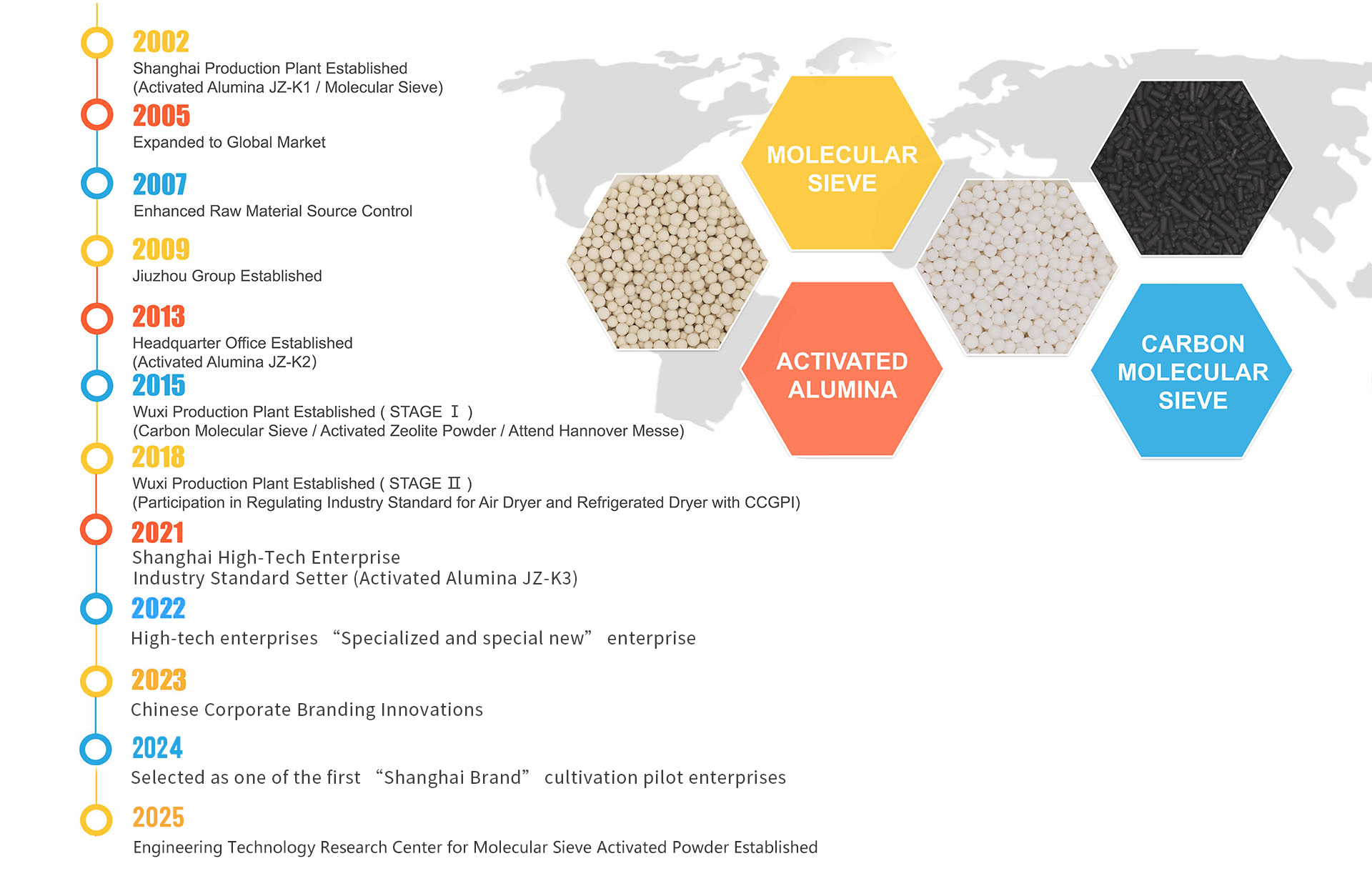
Every batch of molecular sieve 4A undergoes comprehensive QA protocols, from raw silicate selection to hydration testing and attrition analysis, ensuring consistent performance in the field.
Our technical team collaborates with chemical engineering institutions to optimize zeolite crystallite size, enhance thermal stability, and reduce the energy needed for regeneration.
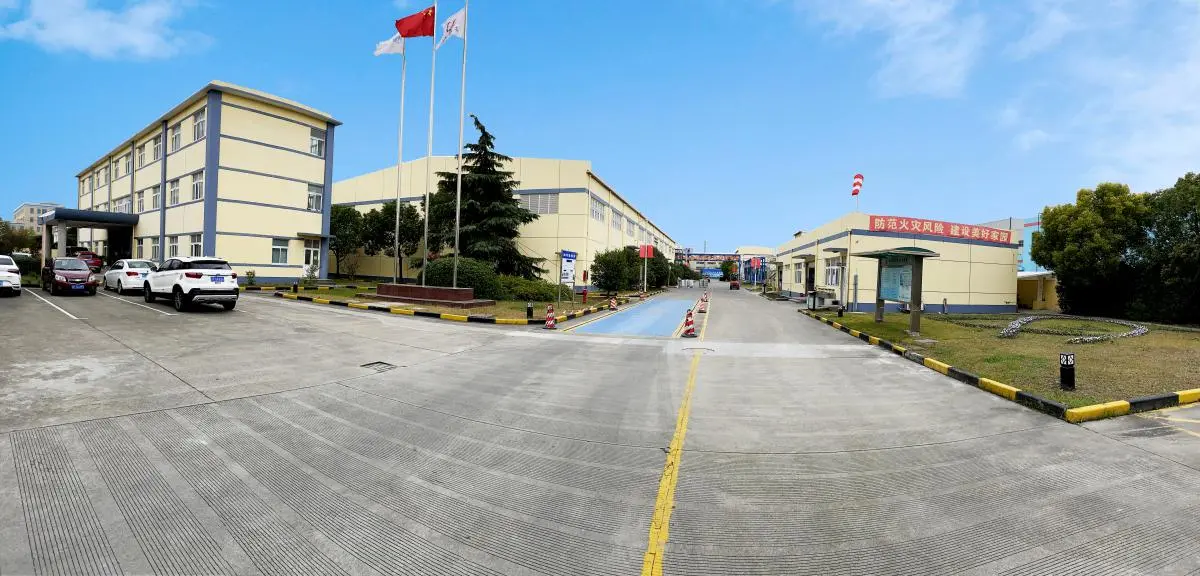
Shanghai Production Facility
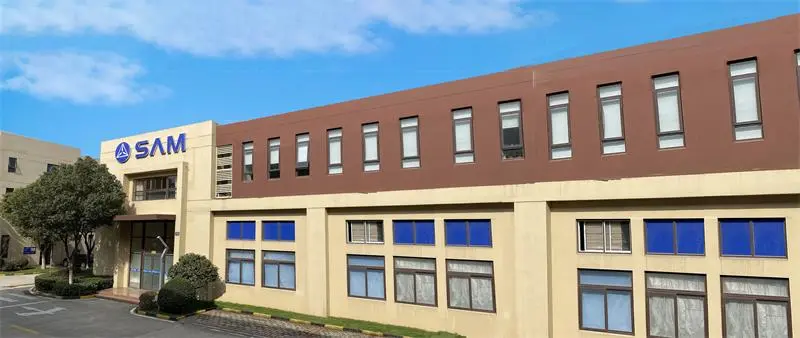
Wuxi Production Facility
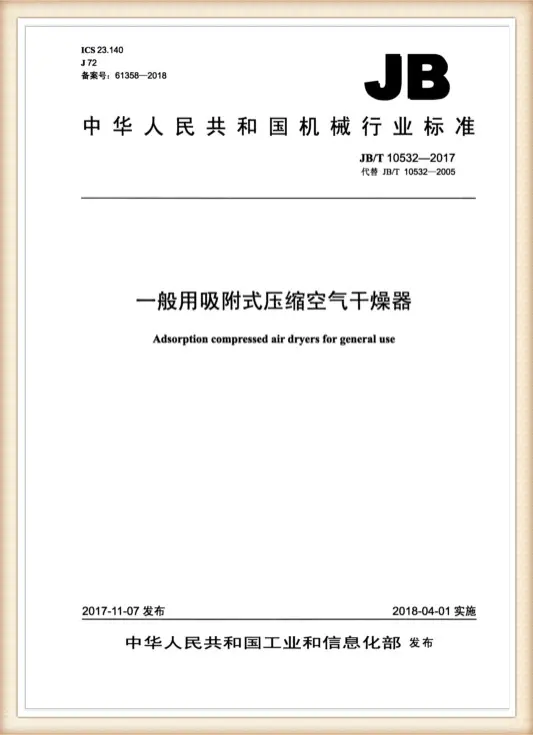
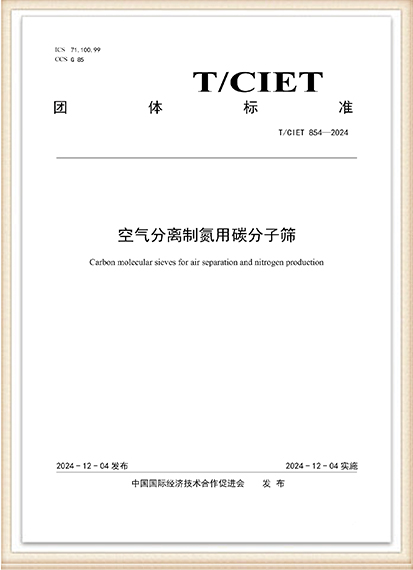
We manufacture and test our products in accordance with global industrial standards. This compliance ensures our molecular sieves deliver consistent performance under demanding operating conditions.
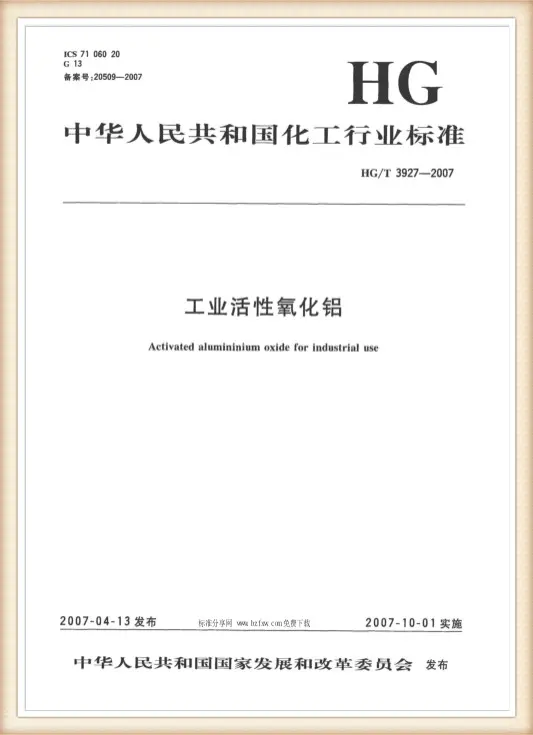
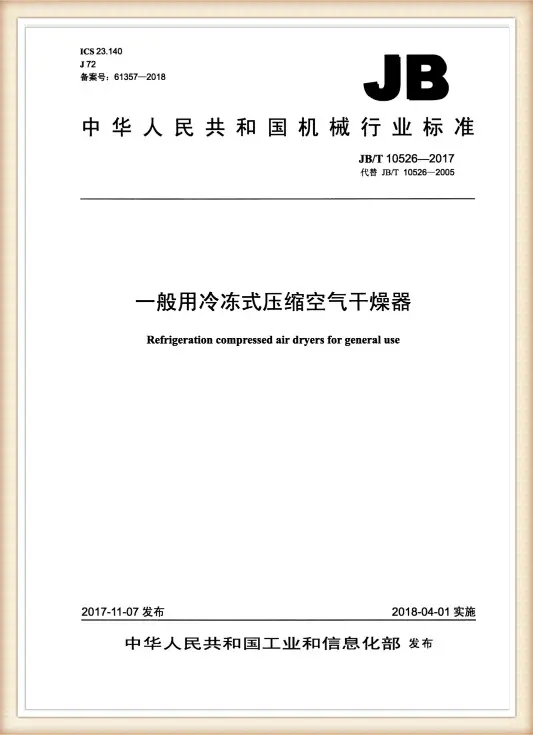
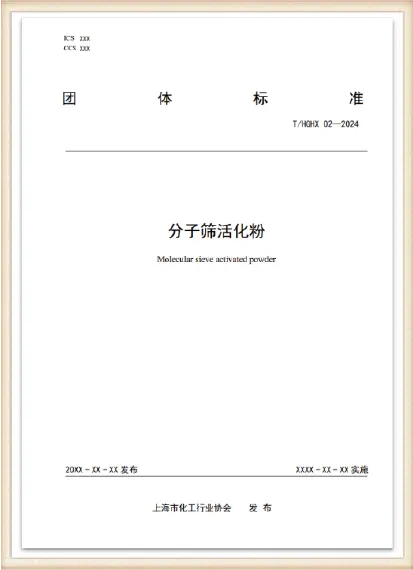
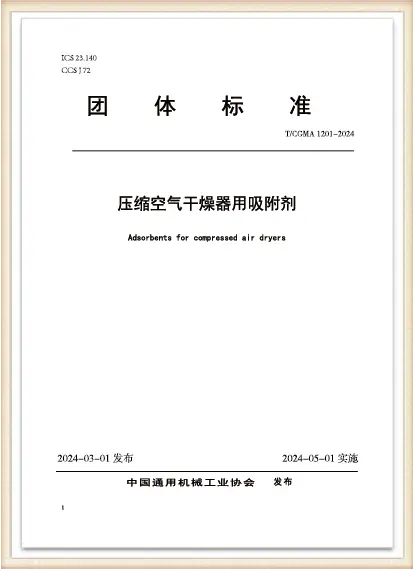
We design our manufacturing and production workflows to minimize environmental impact and lower carbon emissions. Our team is committed to developing cleaner, more sustainable chemical processes.


Molecular Sieve 4A is used in several key industrial application areas, including:
In cryogenic air separation, trace water vapor and carbon dioxide must be thoroughly removed from the inlet air stream to prevent freezing and blockages in heat exchangers. Molecular Sieve 4A is placed in the pre-purifier vessels to adsorb these trace impurities, ensuring safety and continuous operation in liquid oxygen and nitrogen production plants.
Natural gas streams contain carbon dioxide, hydrogen sulfide, and water vapor. 4A molecular sieves dehydrate natural gas to meet pipeline dew point specifications, helping prevent hydrate formation and pipeline corrosion. The high mechanical crush strength of 4A zeolites allows them to withstand pressure variations in thermal swing adsorption systems.
In closed-loop refrigeration systems, moisture can cause ice blockages in capillary tubes and accelerate oil hydrolysis. Small molecular sieve cores or cartridges dry the circulating refrigerants continuously. Similarly, air brake systems in commercial heavy vehicles use 4A molecular sieves to dry compressed air lines, helping prevent corrosion and pneumatic failure.
In architectural insulating glass units, spacer tubes are filled with 4A molecular sieves to adsorb moisture within the sealed air space, preventing condensation and fogging. In polyurethane paint and coating formulations, 4A molecular sieve powder is used as a moisture scavenger to prevent gas bubbles and pinholes during curing.
The manufacturing process for molecular sieves is evolving to focus on energy efficiency, structural integrity, and reduced environmental footprint. Our research and development roadmaps center on three main initiatives:
We support our global customer base through a structured supply and logistics network. We maintain distribution partnerships and warehouse inventory in North America, Europe, Southeast Asia, and the Middle East to enable timely dispatch and delivery.
Our engineering support services assist technical teams with desiccant bed sizing, pressure drop calculations, and regeneration cycle optimization. This technical verification helps ensure our molecular sieves deliver consistent performance under varying operating conditions.
Submit your process requirements, target parameters, or packaging options, and our chemical engineers will respond with detailed quotations and solutions within 24 hours.
Send Request