To maximize efficiency, modern molecular sieve column systems must balance mass transfer dynamics, gas-solid fluidization dynamics, and thermal cycling parameters. Design engineering is no longer simply about choosing an adsorbent; it requires detailed calculations of fluid kinetics within the bed structure.
A molecular sieve column functions as a dynamic mass transfer unit. Designing it requires defining the Mass Transfer Zone (MTZ). As gas or liquid flows through the adsorbent bed, the target impurities (such as moisture, carbon dioxide, or hydrogen sulfide) are adsorbed. This creates a profile ranging from fully saturated bed zones to active mass transfer regions, down to unused active beds. Accurately sizing the column requires managing the MTZ under variable temperatures and pressures. This prevents premature breakthroughs and maintains the product gas quality at low ppm or ppb levels.
Proper flow distribution is essential to prevent gas channeling. If gas flows faster through some areas of the bed than others, those portions saturate prematurely. High-performance design integrates internal deflector plates, inlet distributors, and specialized support media to achieve uniform gas velocity profiles.
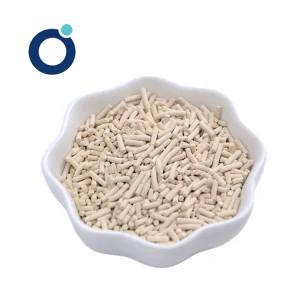
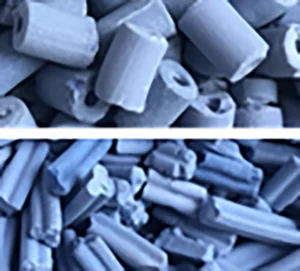
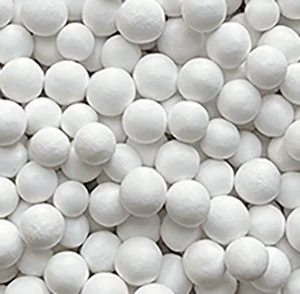
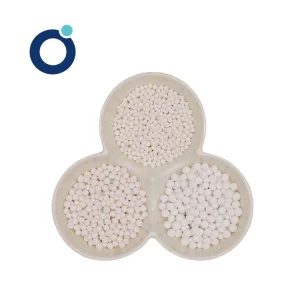
Using the Ergun Equation, design engineers calculate pressure drops across the packing. High pressure drops can crush adsorbent beads, creating dust and causing system failures. We optimize bead sizes (such as spherical particles vs. extrudates) and bed configurations to minimize operational pressure loss.
Thermal Swing Adsorption (TSA) requires heating cycles reaching up to 300°C. The column vessel, bed supports, and piping must accommodate cyclic thermal expansion without mechanical fatigue. Proper insulation and heating profiles protect the structural integrity of the system.
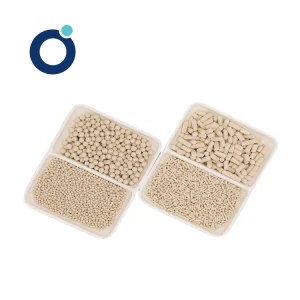
Additionally, selecting the correct pore size—ranging from 3Å (Zeolite 3A for dehydration) to 4Å, 5Å, and up to 10Å/13X (for carbon dioxide and heavy hydrocarbon removal)—is key. Choosing the right material ensures high thermodynamic selectivity and optimal mass-transfer kinetics, leading to reliable, long-term performance.
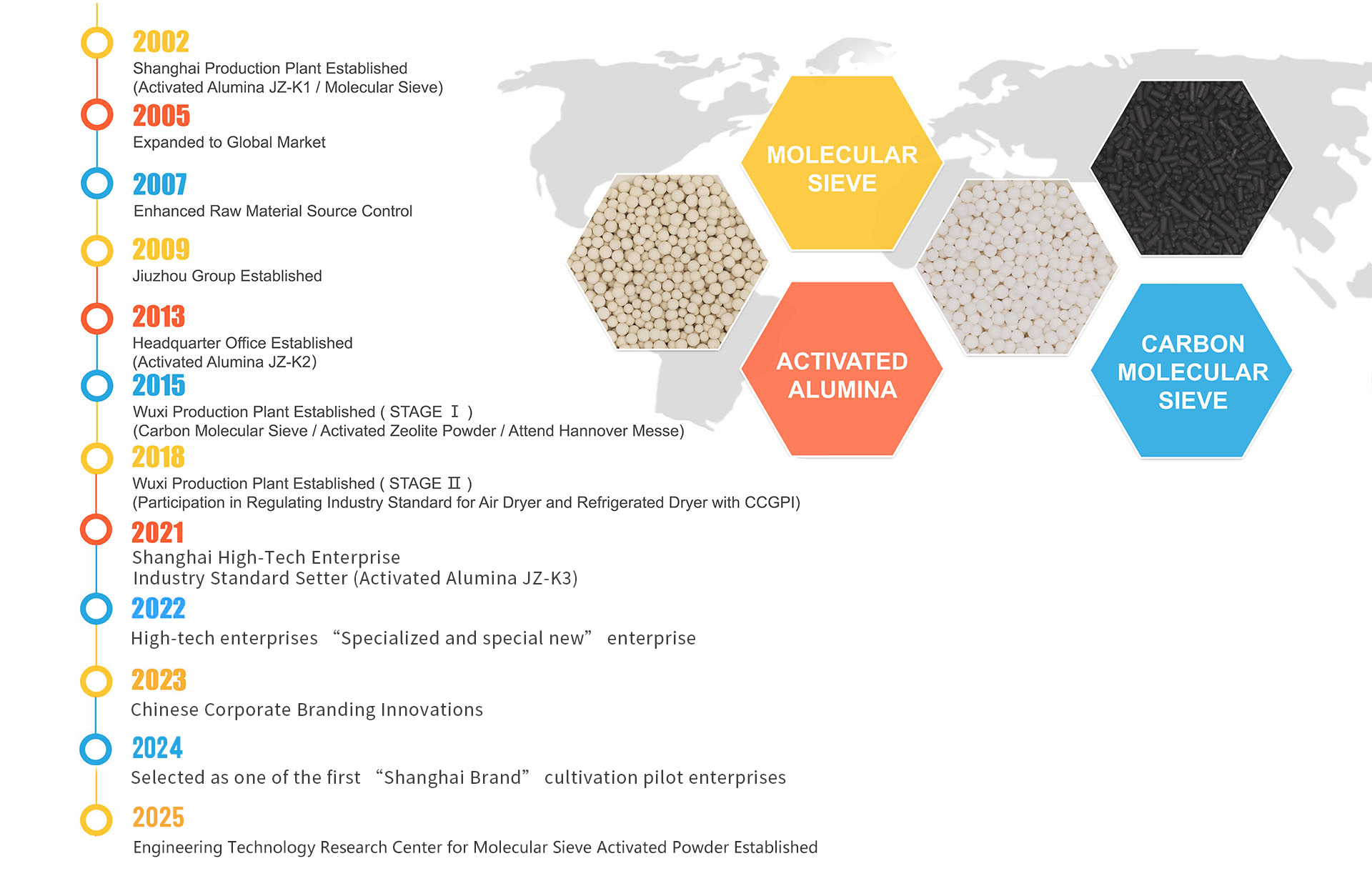
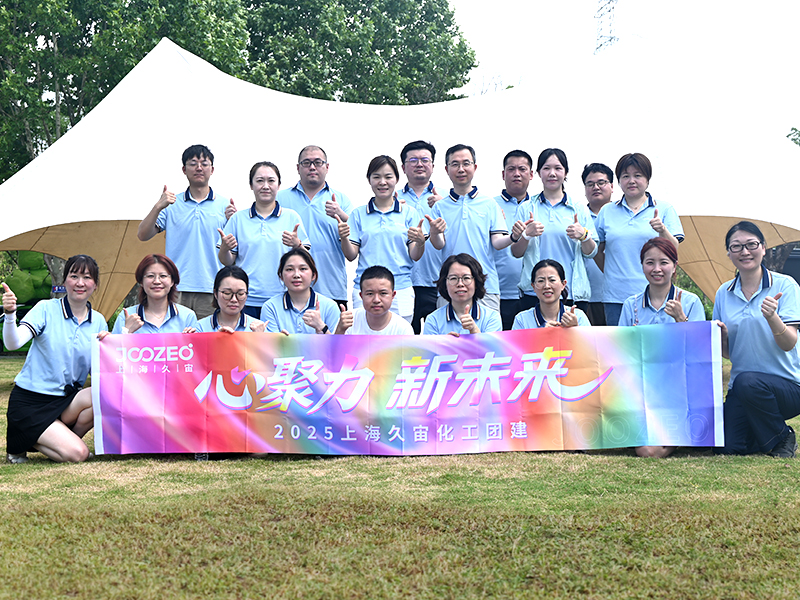
Established in 1994, Shanghai Jiuzhou Chemicals Co., Ltd. is located in Shanghai, a major economic development center. For decades, Jiuzhou has operated on the principles of "Quality Control & Continuous Innovation". We develop, manufacture, and supply high-quality, innovative chemical and adsorption products for partners worldwide.
Our core product line includes molecular sieve powders, synthetic molecular sieves, activated powder, activated alumina, aluminum oxide catalysts, structured alumina packing, ceramic balls, sodium silicates, aluminum hydroxide, zeolite 4A, and more. Our facilities and processes are certified under ISO 9001:2008 and verified by TUV & SGS, ensuring international quality compliance.
With an automated, multi-functional production system, a central analytics laboratory, and dynamic simulation testing facilities, we support partners across the globe. Our products are exported to North America, South America, Europe, Southeast Asia, Japan, and the Middle East, offering customized, energy-saving adsorption solutions.
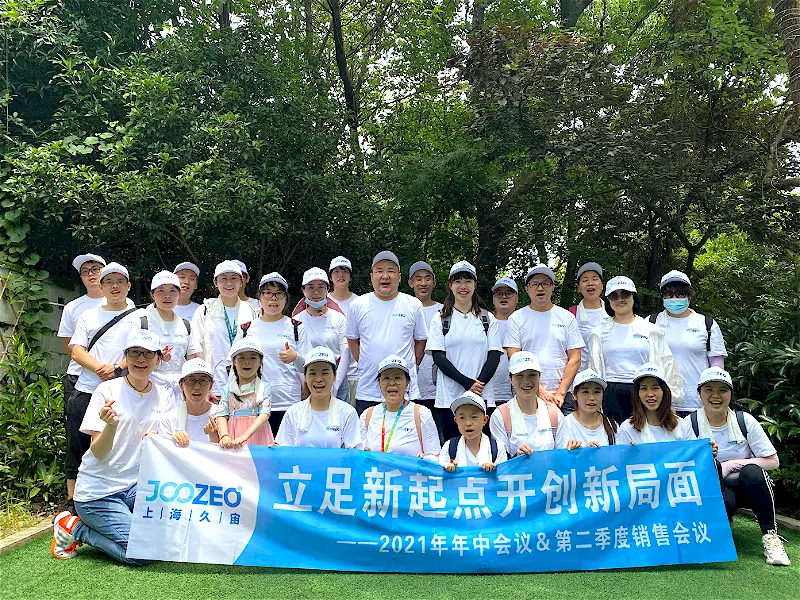
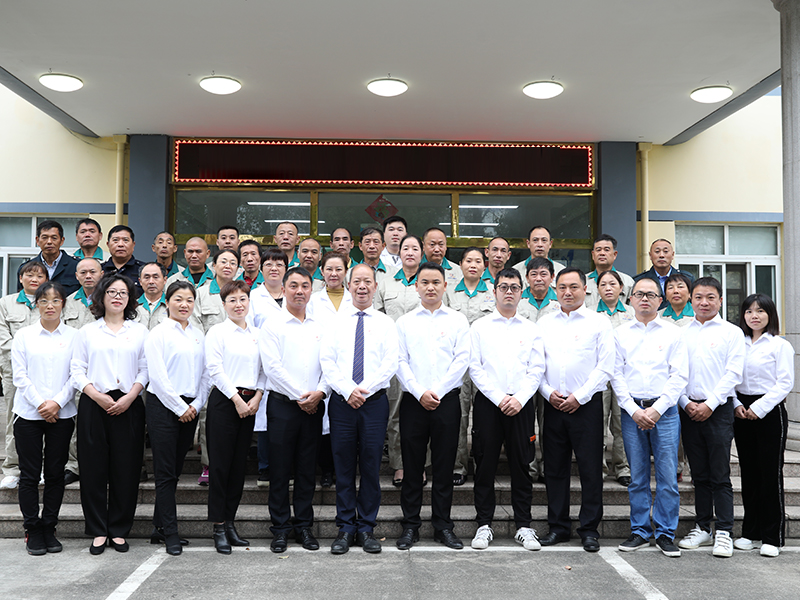
Jiuzhou employs a dedicated team of researchers and chemical engineers. We utilize modern production technology and testing instrumentation to monitor products from raw material input to final output. This quality management system ensures high crush strength, stable adsorption capacity, and low dust levels for all molecular sieve batches.
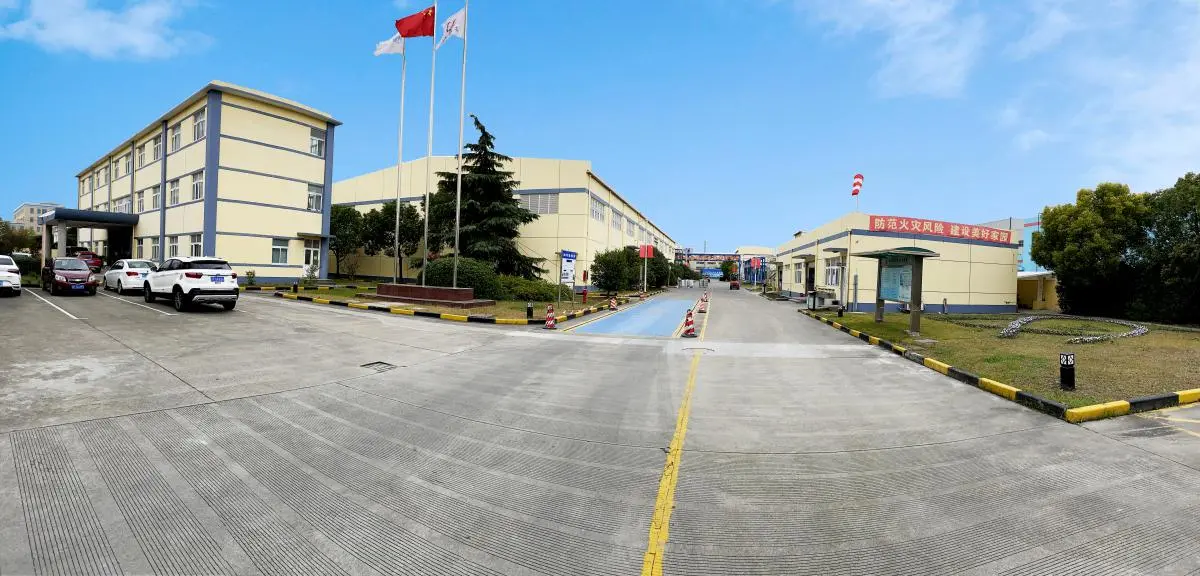
Our Wuxi and Shanghai factories provide reliable supply capacities. This infrastructure allows us to serve large-scale petrochemical developments, air separation projects, and industrial desiccant requirements worldwide.
Shanghai Factory Infrastructure
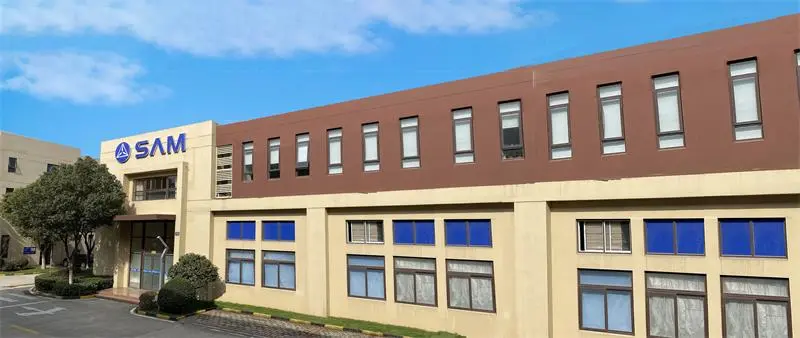
Wuxi Factory Production Center
Large-scale industrial plants require custom engineering configurations to meet regional standards, gas feed specifications, and energy efficiency targets.
Modern column systems must support high flow rates and cyclical regeneration, which is why engineering procurement managers look for complete, integrated solutions rather than basic commodity products. We offer end-to-end support, providing specialized adsorbents, flow distribution internals, and thermal calculations to optimize performance.
Our 3A molecular sieves selectively dehydrate cracked gas, ethylene, propylene, and butadiene without co-adsorbing hydrocarbons, preventing polymerization inside the pores and extending bed service life.
Before liquefaction (LNG), natural gas must be dried to moisture levels below 0.1 ppm to prevent freezing in cryogenic exchangers. Our systems remove water, CO2, and sulfur compounds (H2S, mercaptans) simultaneously.
Air purification systems require the removal of H2O and CO2 prior to cryogenic separation. Our 13X molecular sieve columns are designed for high dynamic CO2 adsorption capacity, protecting down-stream processes.
For pressure swing adsorption (PSA) and temperature swing adsorption (TSA) operations, column geometries are tailored to minimize pressure drops and prevent fluidization. These designs help reduce operating costs and lower energy consumption during regeneration cycles.
Jiuzhou Chemicals does not simply follow standards; we actively contribute to drafting and setting industrial standards in China and globally, validating our technical authority.
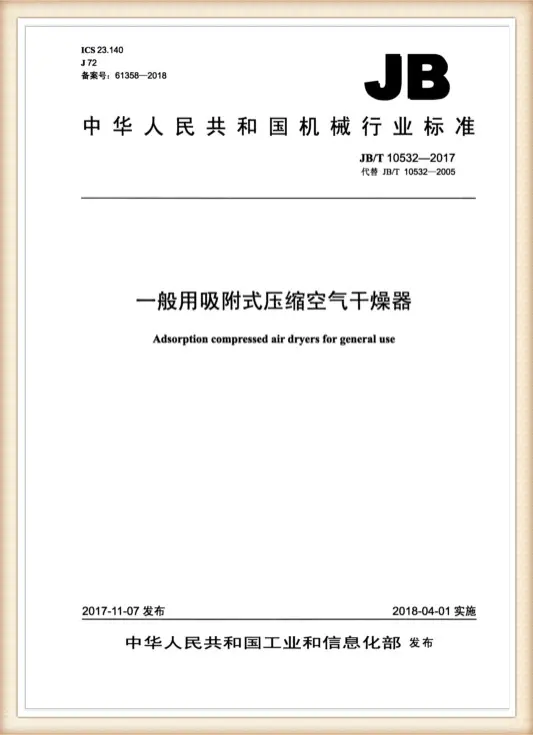
JB / T 10532-2017
Adsorption compressed air dryers for general use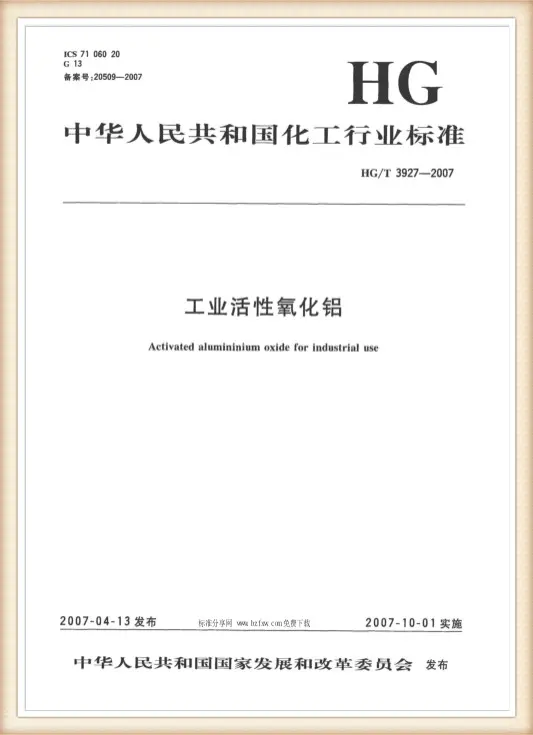
HG / T 3927-2007
Activated aluminium oxide for industrial use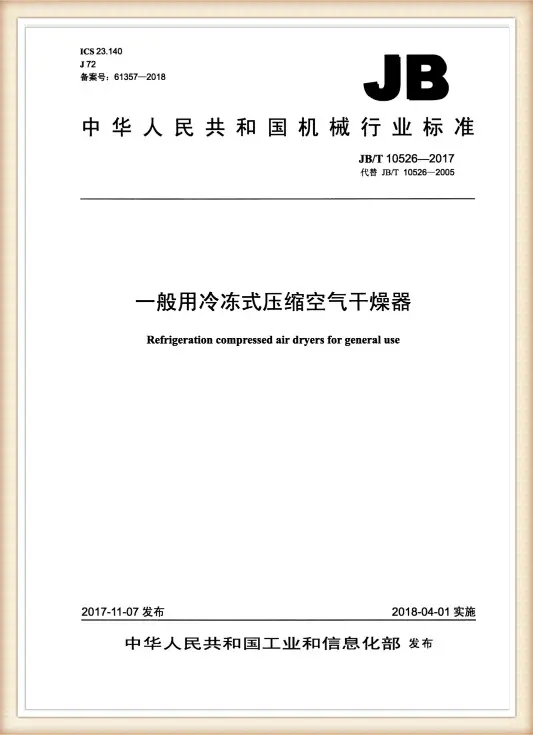
JB / T 10526-2017
Refrigeration compressed air dryers for general use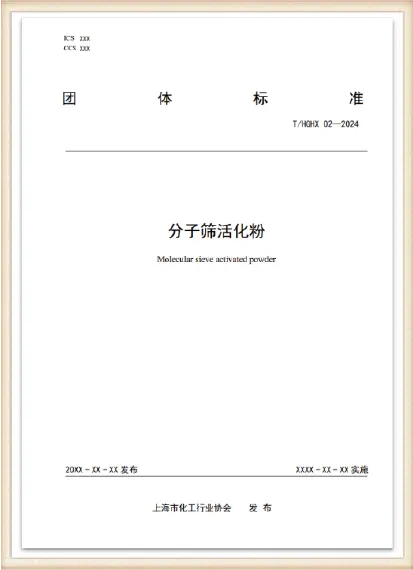
T/CGMA 1201-2024
Industrial Machinery Standard Association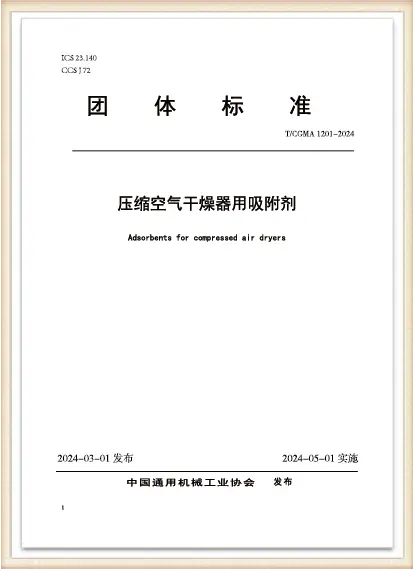
T/HGHX 02-2024
Chemical Engineering Adsorbent Guidelines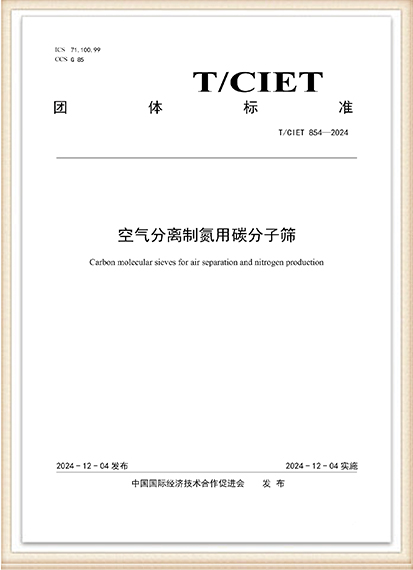
T/CIET 854-2024
Adsorption systems technical assessmentBy contributing to standards like JB/T 10532 and HG/T 3927, we ensure our manufacturing processes align with recognized specifications for mechanical reliability, adsorption efficiency, and structural safety.
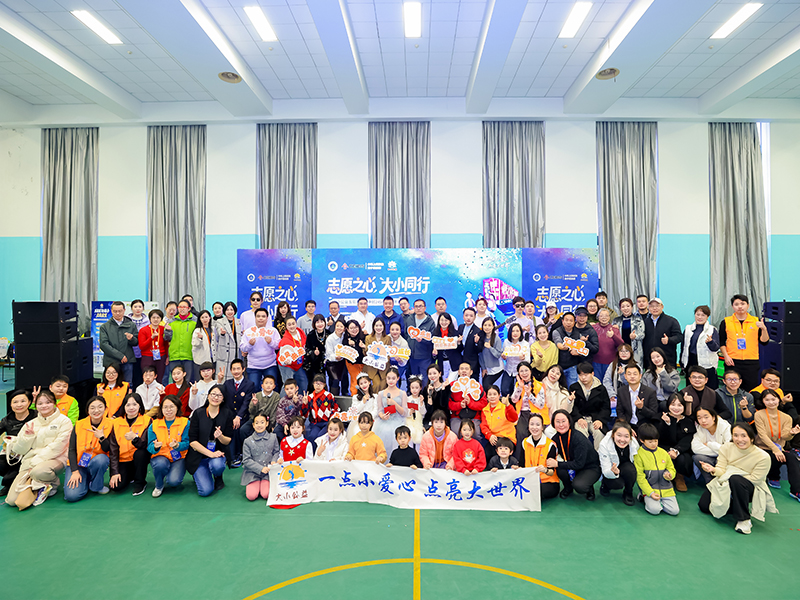
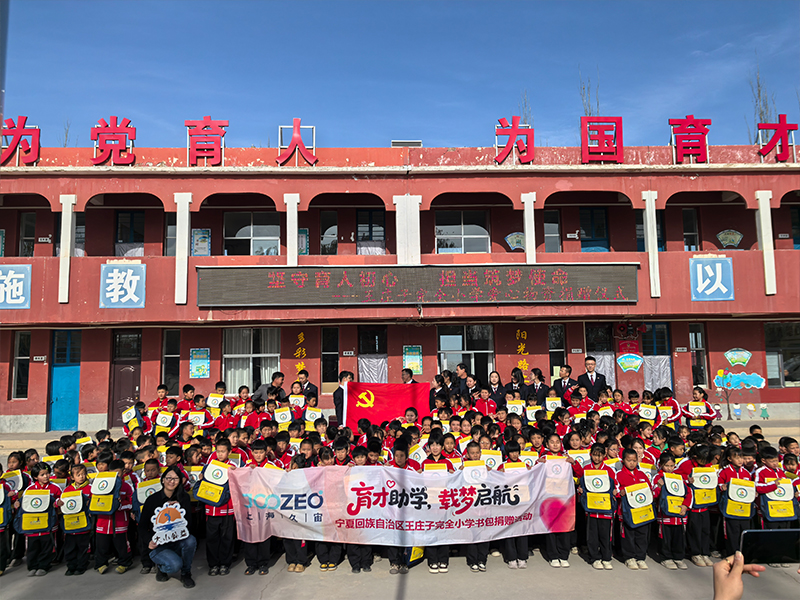
Under the slogan "Better air, Better life", Jiuzhou Chemicals is committed to clean manufacturing, carbon reduction, and developing green adsorption solutions.
Our products contribute directly to ecological protection. In biogas upgrading, carbon capture, VOC removal, and clean industrial air systems, our high-efficiency molecular sieves help reduce greenhouse gas emissions and optimize process efficiency.

Detailed technical information for process engineers and procurement managers designing molecular sieve columns.
Connect with our technical support team for tailored configuration sizing, adsorbent selection, and standard compliance inquiries. We respond within 24 hours.
Send Request / Inquiry