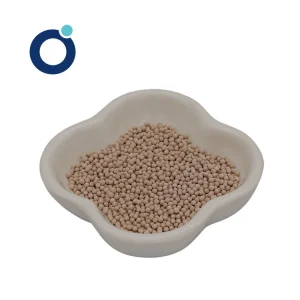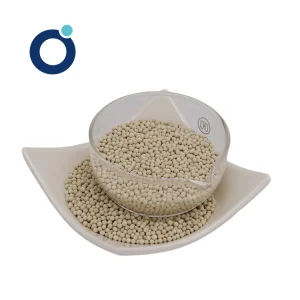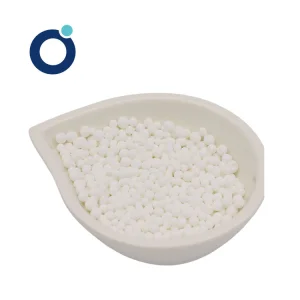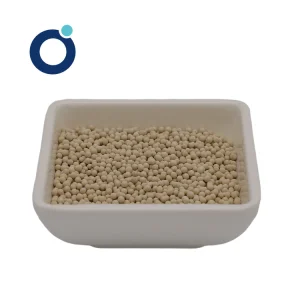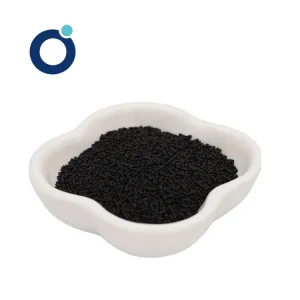
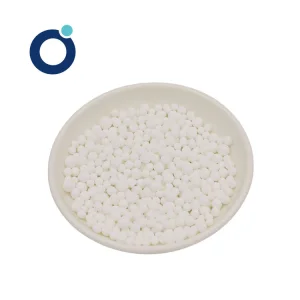
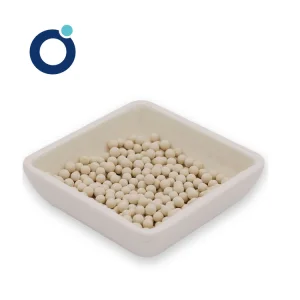
Molecular sieves, synthetic crystalline aluminosilicates (zeolites), are the bedrock of modern industrial gas dehydration, liquid separation, and purification systems. However, their high-efficiency adsorption is not permanent. As water vapor, volatile organic compounds (VOCs), and heavy hydrocarbons accumulate within the highly ordered micro-pore network (ranging from 3Å to 10Å depending on the type, such as 3A, 4A, 5A, or 13X), the adsorption capacity drops. The process of restoring this capacity is known as molecular sieve regeneration.
Regeneration typically relies on thermal swinging—specifically Temperature Swing Adsorption (TSA)—or pressure swinging—specifically Pressure Swing Adsorption (PSA). The fundamental physical mechanism is simple: the adsorption equilibrium curve is highly dependent on temperature and partial pressure. By raising the bed temperature or reducing the system pressure, the adsorbed water and impurities are vaporized and driven out of the zeolite cavities.
In industrial TSA systems, hot regeneration gas (commonly dry nitrogen, methane, or clean fuel gas) heated to 200°C to 320°C (392°F to 608°F) is passed through the saturated molecular sieve bed in a counter-current flow direction. Counter-current flow ensures that the inlet end of the bed—which contains the highest impurity concentration—is cleaned last, preventing the displacement of impurities deeper into the active adsorption zone.
| Regeneration Parameter | Optimal Target Range | Impact of Deviation |
|---|---|---|
| Heating Temperature | 200°C - 320°C | Low: Incomplete desorption & loss of dew point; High: Thermal degradation of zeolite structure. |
| Cooling Temperature | Under 45°C | High: Thermal shock on adsorption cycle switch; immediate pre-adsorption of moisture. |
| Regeneration Flow Velocity | 0.08 - 0.15 m/s | Low: Inefficient heat transfer; High: Bed fluidization and mechanical attrition of beads. |
| Regeneration Gas Dew Point | < -60°C (at atmospheric) | High: Residual water retention, severely limits subsequent adsorption performance. |
As global energy standards shift towards carbon neutrality and lower industrial emissions, the traditional energy-intensive molecular sieve regeneration model is undergoing a massive transformation. The technological roadmap focuses on three main developments:
Industrial dehydration is not a one-size-fits-all process. The molecular sieve type and regeneration cycle parameters must match the specific composition of the fluid stream:
Natural Gas Processing & LNG Operations: Water content in pipelines must be reduced to below 0.1 ppmv to prevent the formation of gas hydrates at cryogenic liquefaction temperatures (-162°C). High-stability 3A and 4A molecular sieves are typically used. They must resist hydrothermal aging and maintain structural integrity during hundreds of regeneration cycles in the presence of acidic compounds ($H_2S$ and $CO_2$).
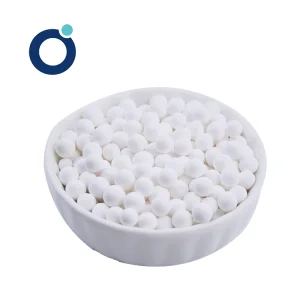
Air Separation Units (ASU): Before air enters cryogenic separation cold boxes, moisture and carbon dioxide must be completely removed to prevent freezing inside heat exchangers. The standard pre-purification unit (PPU) utilizes a multi-layer bed containing activated alumina at the inlet to capture bulk moisture, followed by high-performance 13X molecular sieve to selectively adsorb $CO_2$ and trace hydrocarbons.
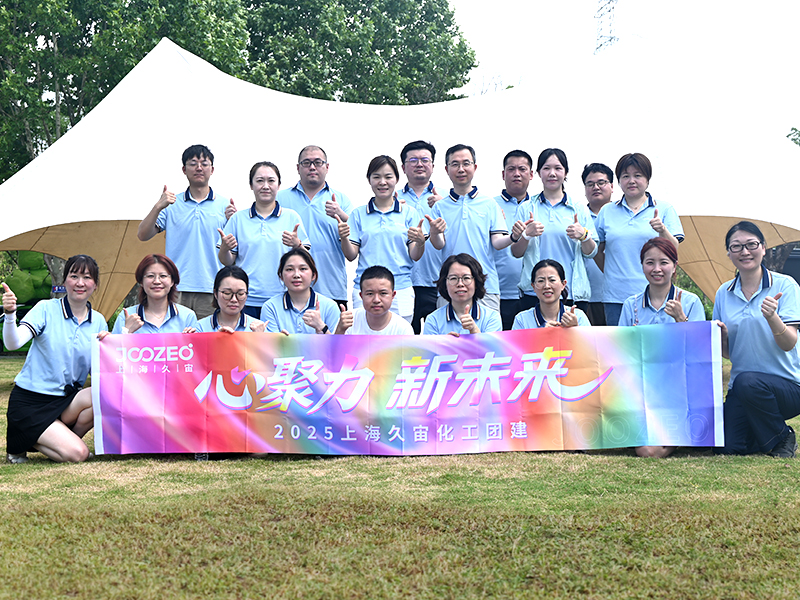
Established in 1994, JOOZEO has consistently adhered to the principles of strict quality control and technical innovation. We are committed to developing and manufacturing world-class chemical adsorbents and dynamic regeneration technologies.
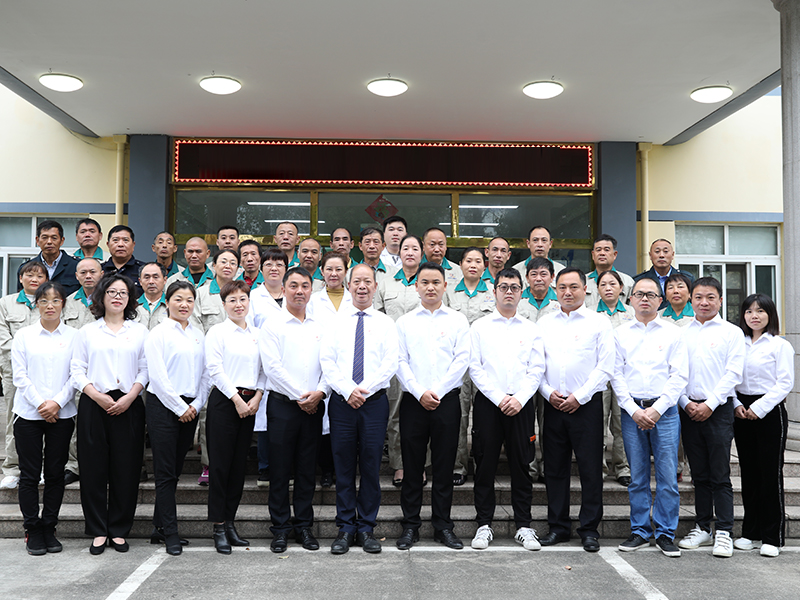
Jiuzhou (JOOZEO) factory features a professional, world-class research team and chemical product experts. We utilize advanced international production technologies and specialized equipment. These setups align with national environmental and safety directives, and operate alongside an analytical central laboratory.
Jiuzhou’s technical depth and market reputation make it a leading choice in the desiccants sector. With automated multi-functional production lines and a central testing lab, we ensure every batch meets rigid international criteria. Joozeo products are exported globally, supported by logistics and service networks across the United States, Southeast Asia, Japan, Europe, the Middle East, and the Americas.
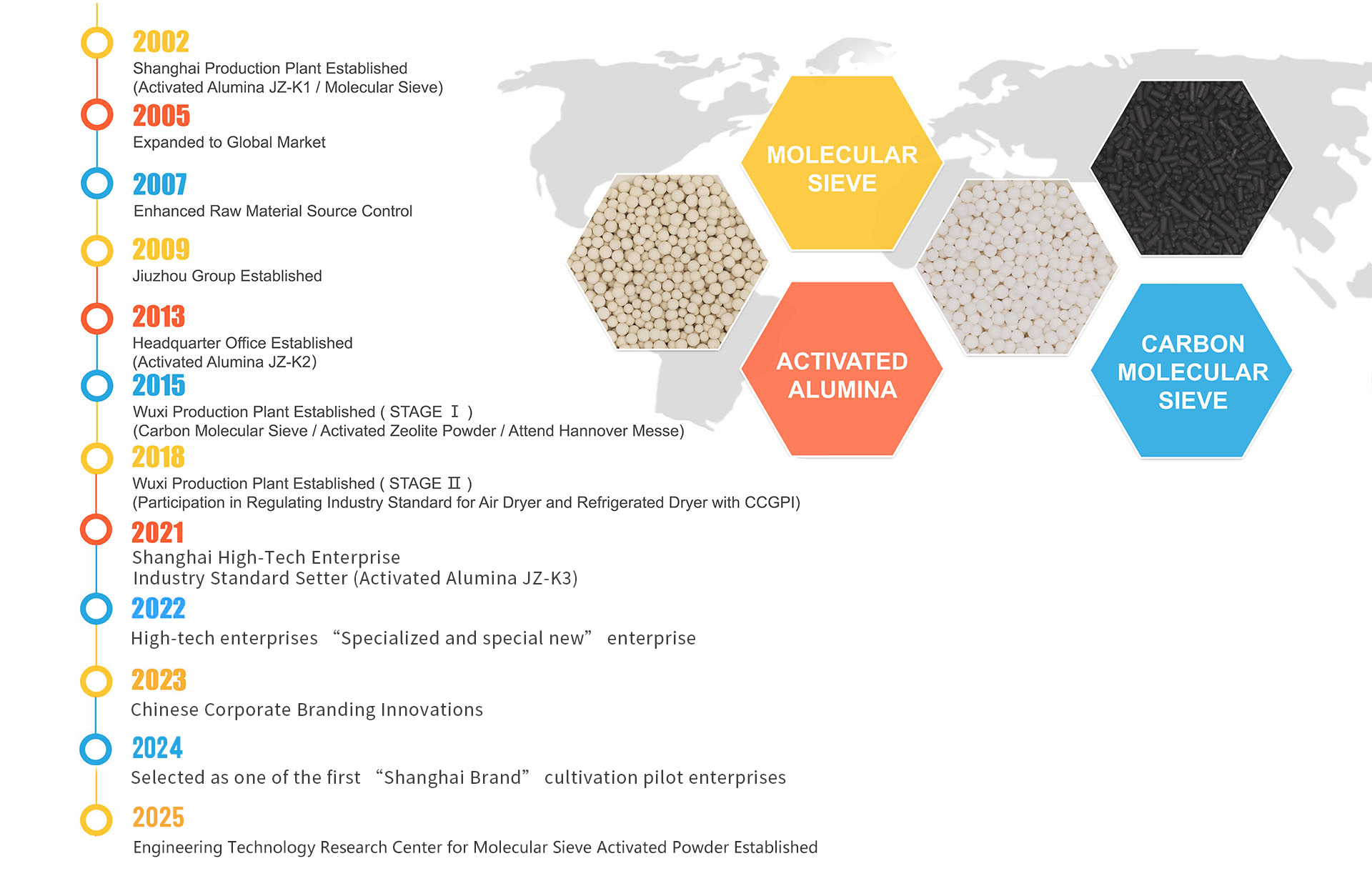
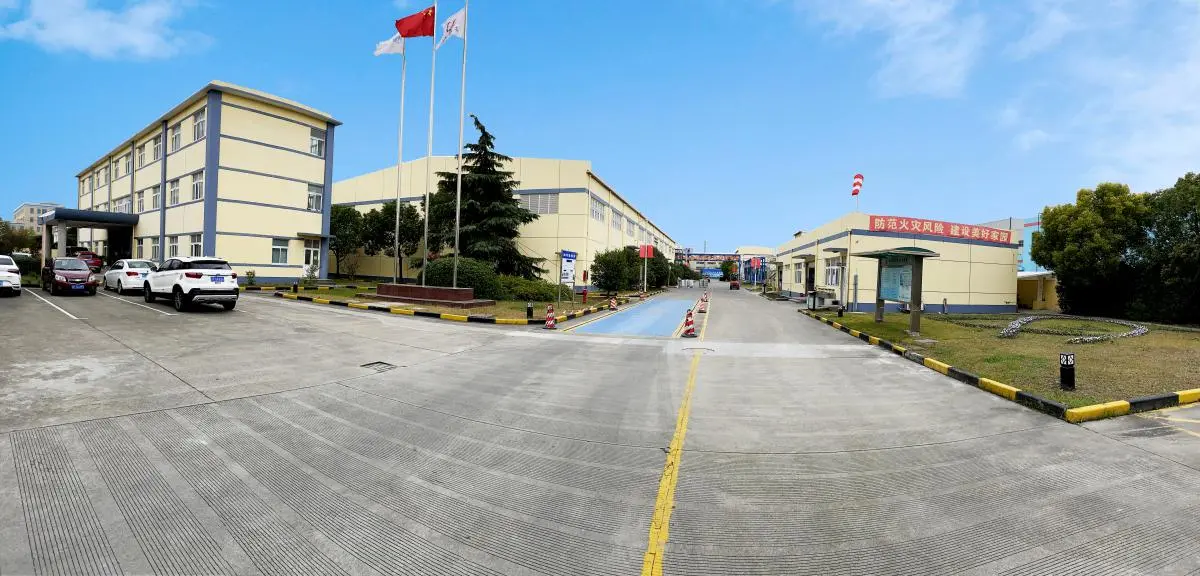
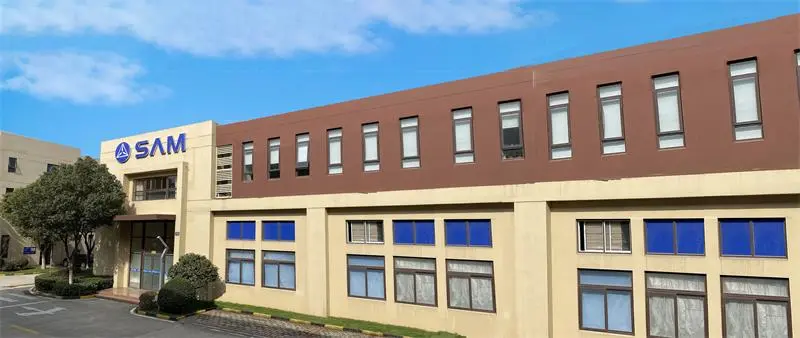
The global raw material markets demand stability, cost predictability, and consistent chemical properties. Operating from our integrated production bases in Shanghai and Wuxi, JOOZEO applies Industry 4.0 digital manufacturing methods. By combining automated raw material blending, continuous rotary calcination furnaces, and automated tracking systems, we minimize human error and variance between batches.
Our vertical integration ensures resilience. From raw sodium silicate, zeolite powder synthesis, to final thermal pelletization and packaging, the entire lifecycle is monitored under an ISO 9001:2008 system. This localized control insulates buyers from rapid cost fluctuations and material shortages, ensuring shipping punctuality.
Furthermore, our factories prioritize energy conservation. By reclaiming hot exhaust gas from calcination rotary kilns and routing it back to our pre-drying units, we reduce overall fuel consumption. This strategy helps offset energy tariff increases and lowers the carbon footprint of the molecular sieve manufacturing cycle.
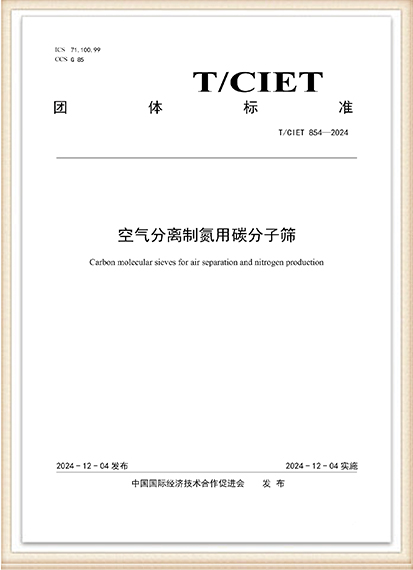
JOOZEO acts as a core standard setter and technical contributor for critical chemical dryer and desiccant standards:
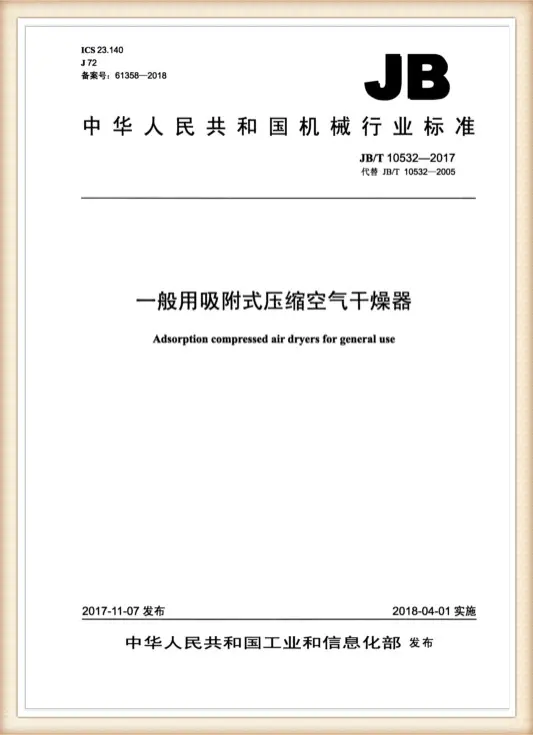
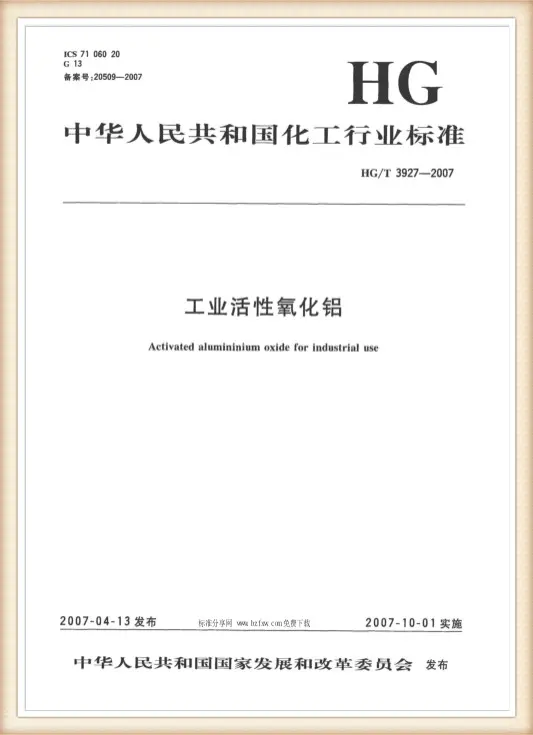
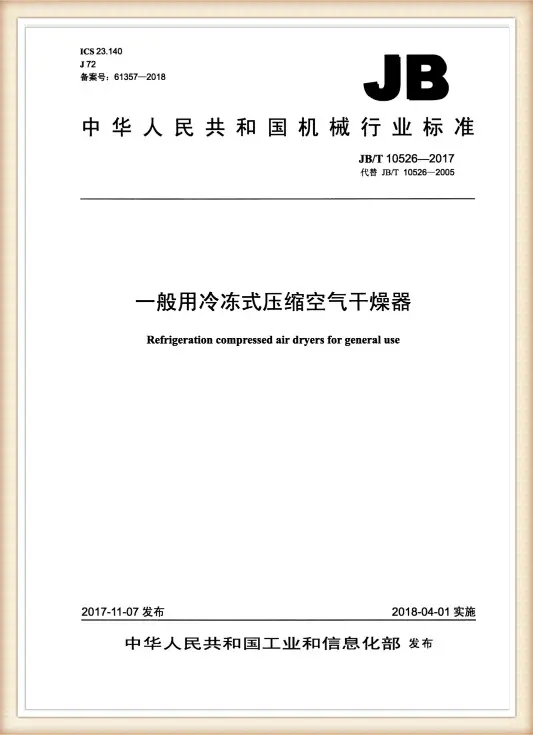
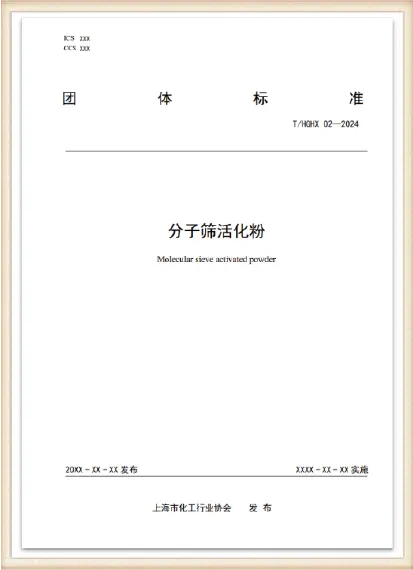
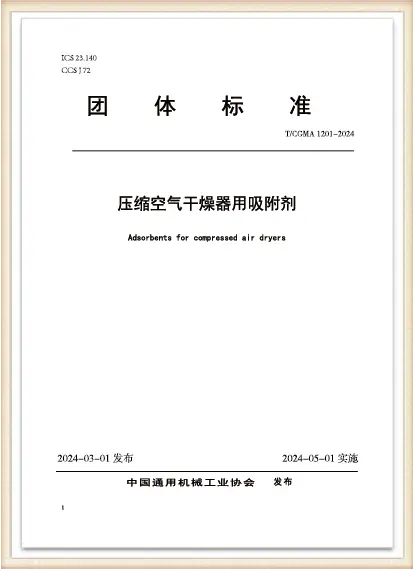

Engineering contractors, plant managers, and procurement officers face strict regulatory criteria when sourcing adsorbents. Our molecular sieve arrays are manufactured under strict compliance protocols, including:
To meet global sourcing needs, JOOZEO maintains regional networks in key hubs: the US, Southeast Asia, Japan, Europe, North and South America, and the Middle East. When procuring molecular sieves, we provide complete compliance documentation, including certificates of analysis (COA) for every shipment, to ensure seamless customs clearance and process integration.
Industrial clients require transparent, predictable pricelists. Molecular sieve pricing is determined by three main technical criteria:
JOOZEO offers bulk OEM pricing matrices for regular annual allocations. Our manufacturing plants in Shanghai and Wuxi maintain chemical stocks to fulfill both regular purchases and urgent shutdown requirements.
Our application engineers are ready to assist with sizing calculations, customized binder profiles, and detailed OEM contract pricelists. We guarantee a response within 24 hours.
Send Inquiry Request