Engineered to exact kinetic specifications, ensuring thermodynamic reliability and dew-point performance under extreme cyclic stresses.
Shanghai Jiuzhou Chemicals Co., Ltd. is strategically situated in Shanghai, China's premier financial and economic development hub. Adhering strictly to the cornerstone philosophies of "Quality Control & Innovation", we have committed ourselves for decades to the development, manufacturing, and global supply of high-end synthetic zeolites and desiccant solutions.
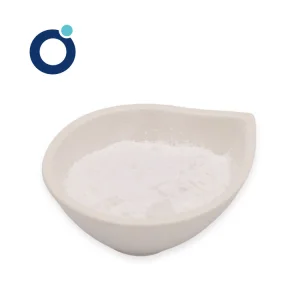
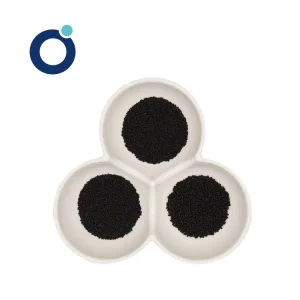
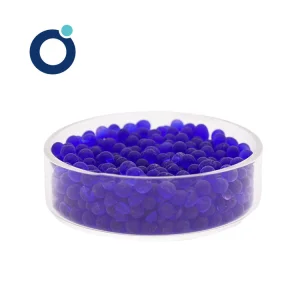
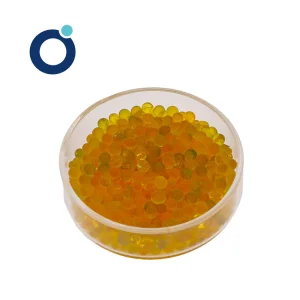
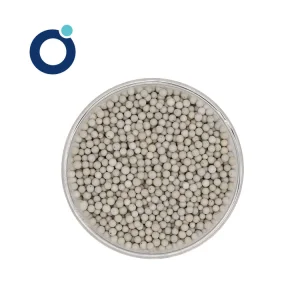
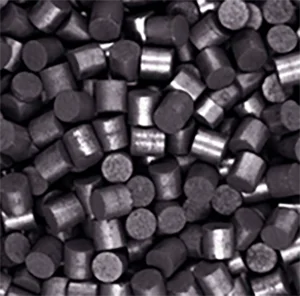
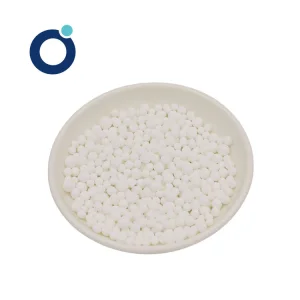
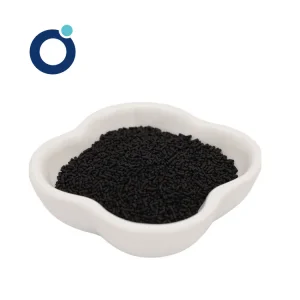
Our production suite is exceptionally comprehensive, encompassing various molecular sieve powders, finished molecular sieves, activated powder, activated alumina, aluminum oxide catalysts, customized alumina packing, inert ceramic balls, and tailored zeolite 4A matrices. Certified under ISO9001:2008 and fully validated by third-party testing giants TUV and SGS, Jiuzhou guarantees unmatched chemical uniformity and mechanical integrity.
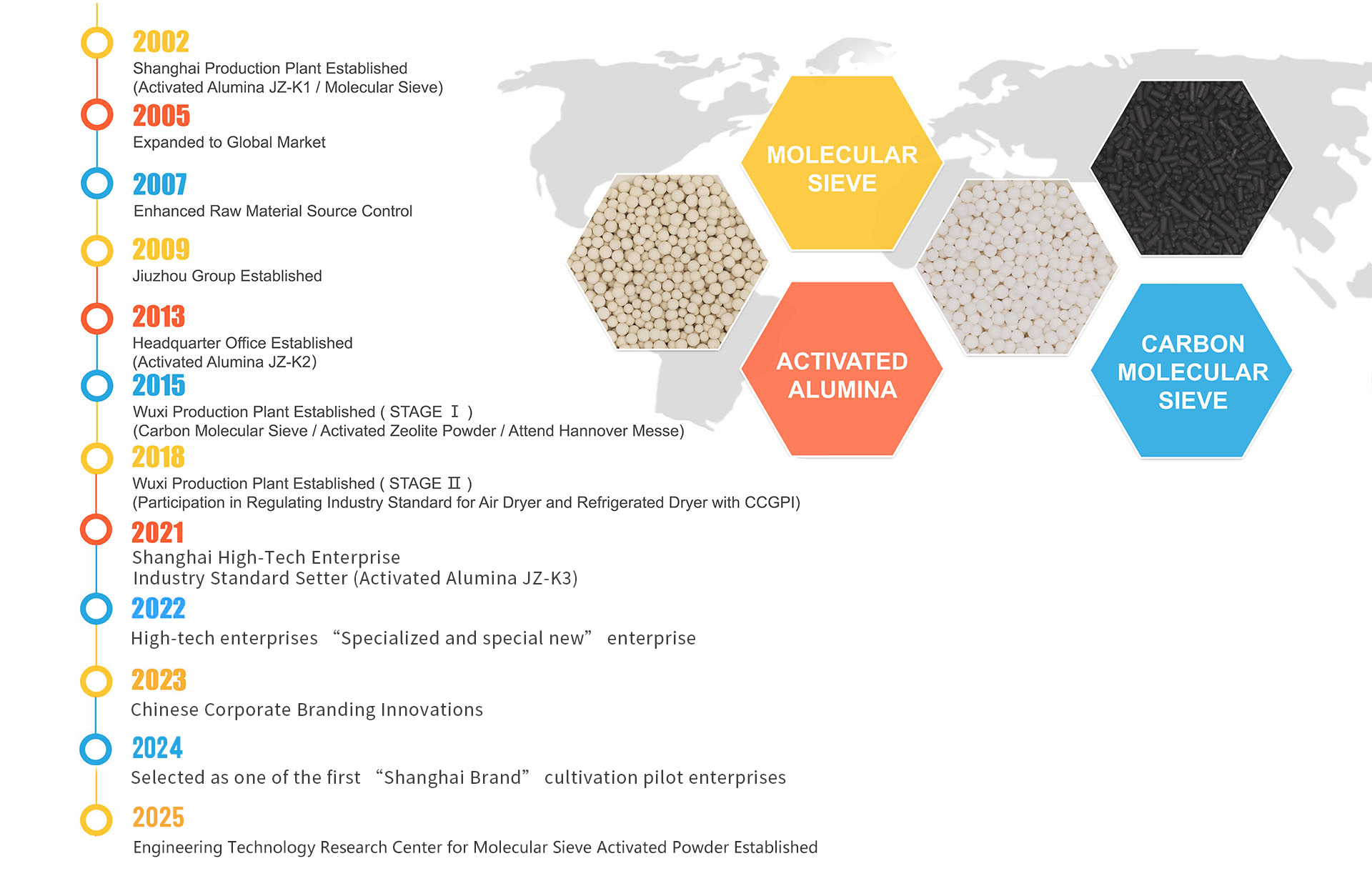
Analyzing the transition from baseline dehydration to highly selective molecular separation in clean energy, medical oxygen, and green infrastructure.
Modern carbon capture, utilization, and storage (CCUS) projects rely extensively on structured Faujasite (13X) and customized zeolite frameworks. High-affinity molecular sieves are now optimized to selectively capture CO2 molecules from flue gases and industrial off-gases, operating at optimal kinetics to reduce regenerative energy penalties.
The global push toward the hydrogen economy demands high-purity hydrogen stream production. Our carbon molecular sieves (CMS) and specialized 5A/13X zeolites are critical in Pressure Swing Adsorption (PSA) complexes, isolating hydrogen from synthesis gas, reformates, and methane cracking streams to reach ultra-pure 99.999% grades.
Insulating glass manufacturers and solvent formulators increasingly demand extremely low-dusting, high-dispersion 3A molecular sieve powders. These specialized powders suppress localized moisture and chemical vapor pressure inside multi-pane windows and polymer formulations, preventing structural fatigue and condensation over multi-decade cycles.
B2B procurement directors prioritize structural integrity, mass transfer dynamics, and multi-cycle stability to prevent premature system collapse.
Industrial desiccant beds undergo extreme pressure variations during thermal swing cycles (TSA). Low crush strength leads to dust formation and channeling, causing high pressure drops. Our OEM products are manufactured under rigorous pressure profiles to achieve superior mechanical crush ratings (>80 N for standard beads).
A narrow mass transfer zone is essential for maximizing chemical process yields. By optimizing crystalline porosity distribution and bead geometry, Jiuzhou's molecular sieves ensure sharp, predictable adsorption fronts, allowing engineers to design smaller beds with significantly reduced adsorbent volumes.
Replacing hundreds of tons of industrial desiccants incurs huge operational costs. Enterprise buyers seek molecular sieves that preserve high dynamic adsorption capacities over thousands of regeneration cycles. Jiuzhou’s formulation additives minimize hydrothermal structural collapse, extending bed life by 30% to 50% compared to typical market offerings.
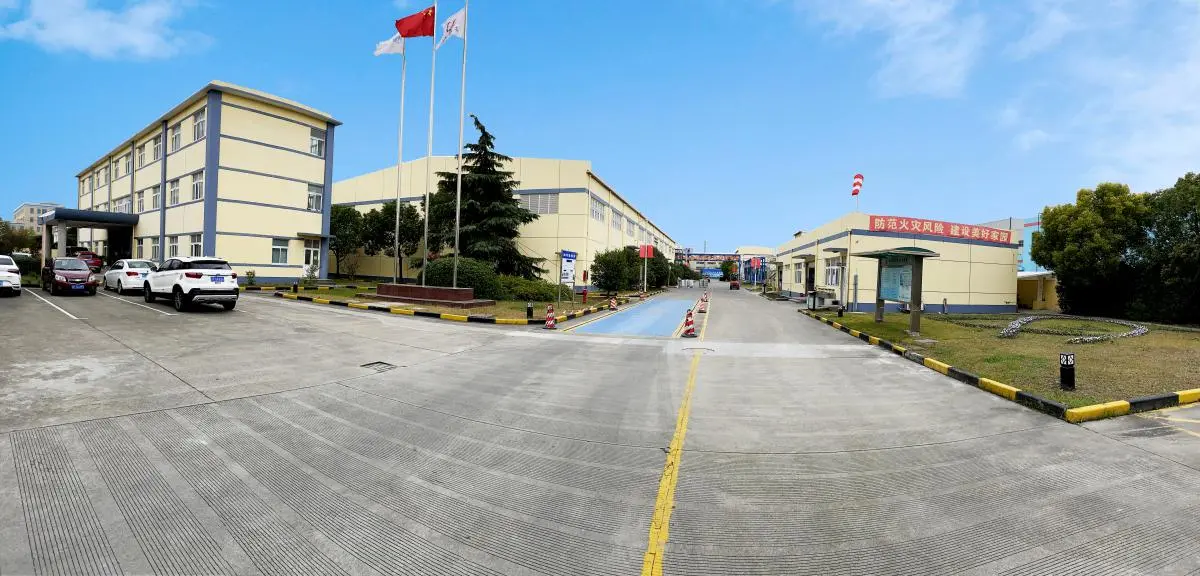
Jiuzhou operates fully modernized manufacturing plants across Shanghai and Wuxi. Driven by Factory 4.0 smart controls, we integrate automated raw material handling, real-time chemical dosing, and precision calcination kilns.
This technological framework eliminates batch-to-batch inconsistencies. Advanced PLC-controlled calcining kilns ensure uniform heat treatment, which is critical for configuring target pore openings in 3A, 4A, 5A, and 13X zeolites.

Operating next to Shanghai’s major ports, Jiuzhou ensures rapid shipping, direct export compliance, and robust custom packaging configurations (steel drums, super sacks, and moisture-barrier bags) to withstand prolonged ocean transport.
Sustainable chemistry practices aligned with global carbon reduction mandates and eco-friendly manufacturing initiatives.
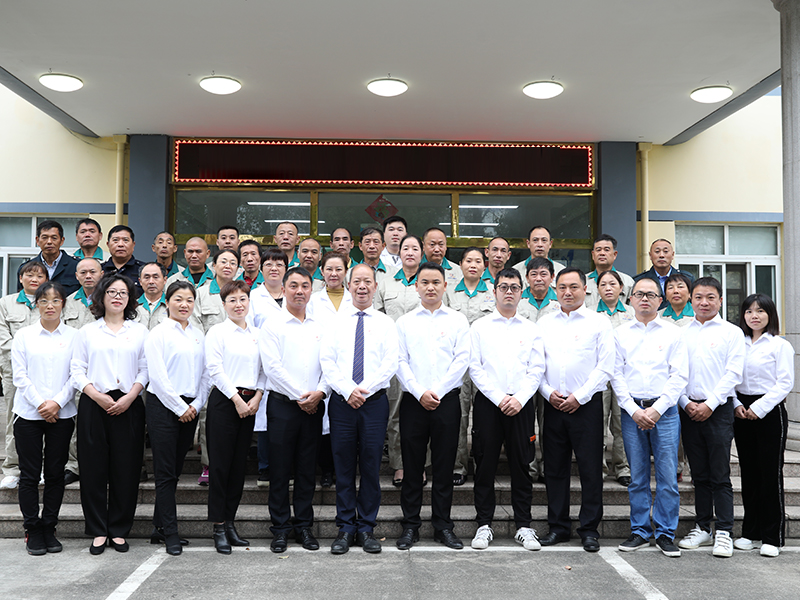
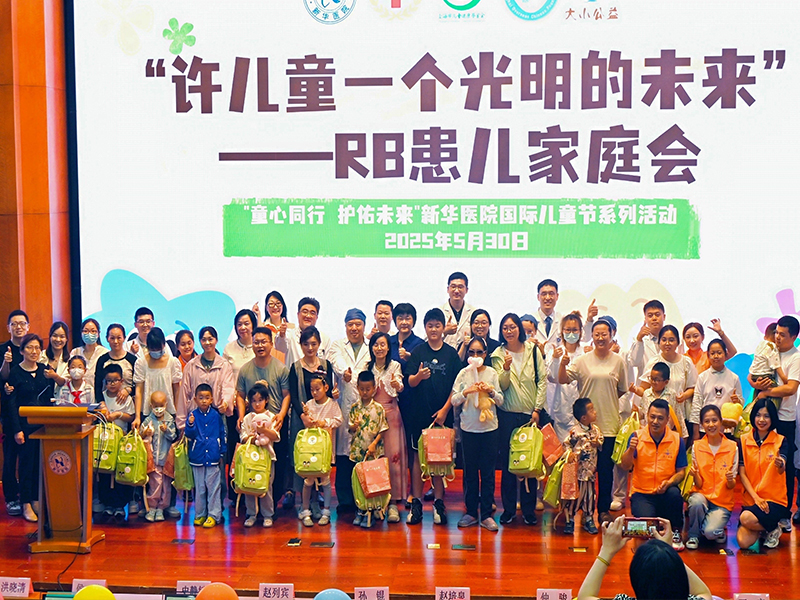
Jiuzhou Chemicals doesn't just meet regulations; we help define them. We are active contributors to national and industrial standards for desiccants and adsorption dryers.
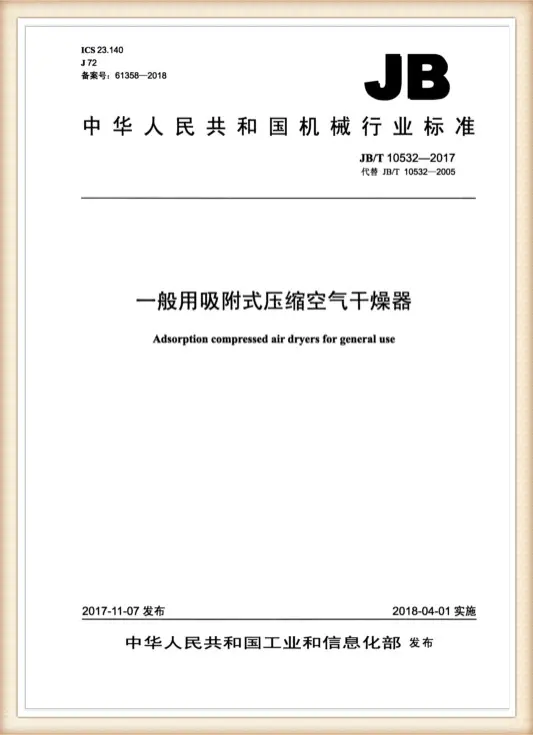
Adsorption compressed air dryers for general use
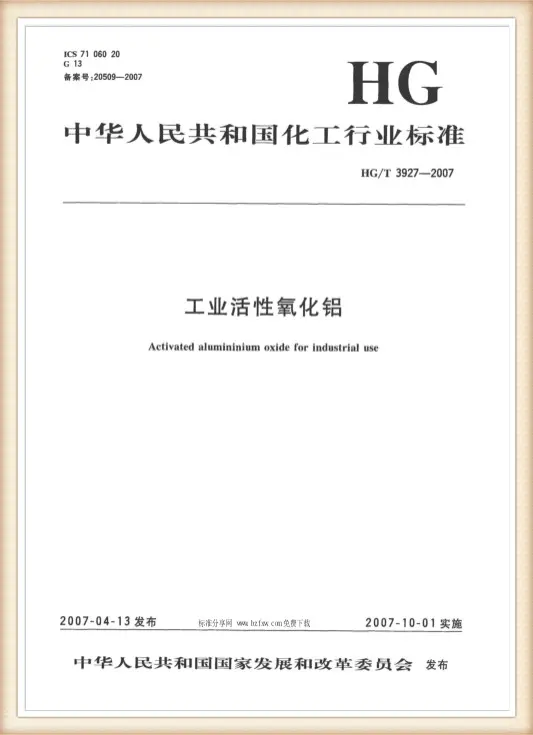
Activated aluminum oxide for industrial use
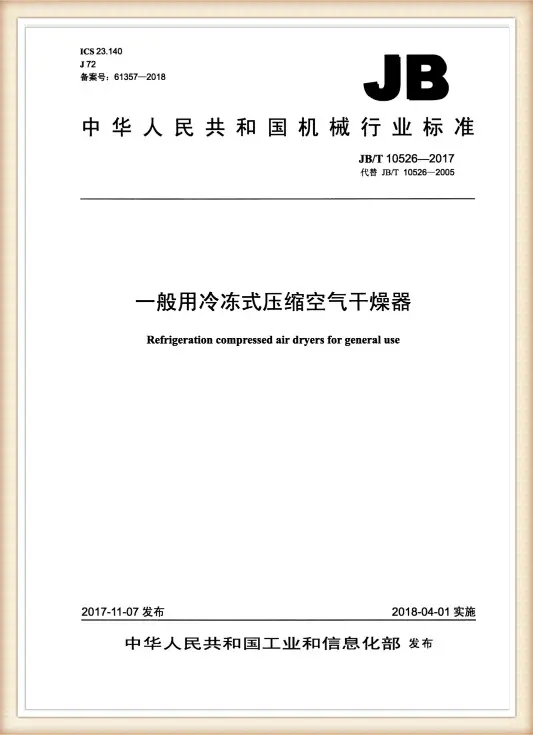
Refrigeration compressed air dryers for general use
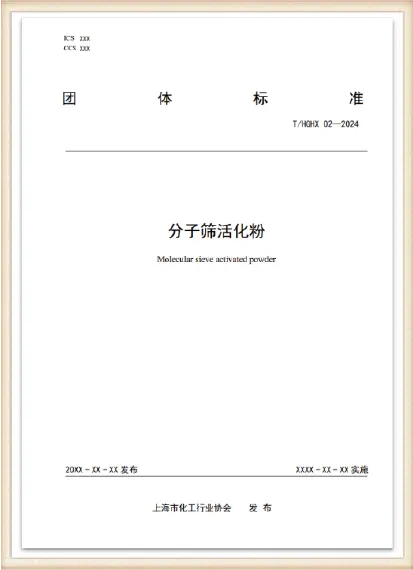
Industrial adsorption equipment performance criteria
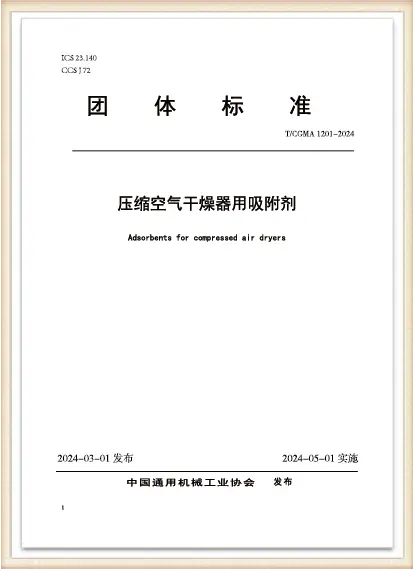
Advanced chemical engineering standard parameters
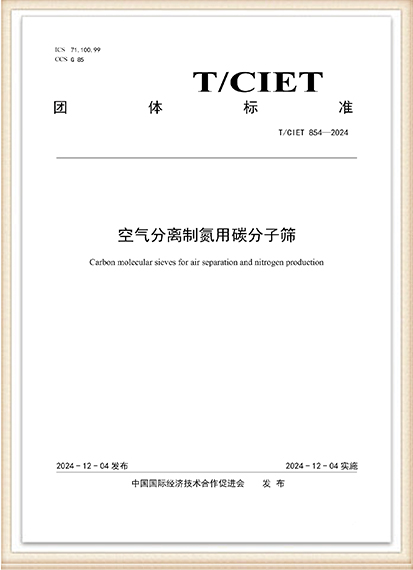
Carbon footprint and eco-labeling standards
How Jiuzhou's customized molecular sieves meet distinct regional, industrial, and geological challenges.
In critical ethane recovery and LNG liquefaction trains, gas streams must be dehydrated to less than 0.1 ppmv water to prevent ice formation in cryogenic heat exchangers. Jiuzhou’s specialized 4A-DG molecular sieves provide high-efficiency water adsorption with zero hydrocarbon co-adsorption.
High-purity oxygen generators in medical clinics and industrial combustion facilities require rapid nitrogen adsorption. Our highly lithium-exchanged molecular sieves yield exceptional N2/O2 selectivity, supporting compact generator designs.
High-sulfur feedstocks require simultaneous dehydration and desulfurization. Jiuzhou's 5A-S and 13X series selectively capture H2S, mercaptans, and COS without triggering catalytic side reactions like olefin polymerization.
Expert answers addressing the chemistry, operation, and optimization of synthetic zeolites in major industrial processes.
Complementary products designed to protect molecular sieve beds, optimize dew points, and extend overall service life.
Looking for customized pore diameters, bulk density adjustments, or specific packaging configurations? Submit your request and get a response within 24 hours.
Send Request