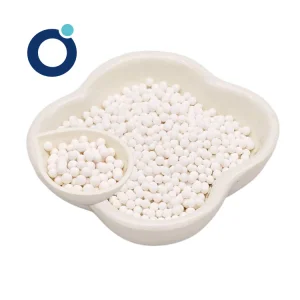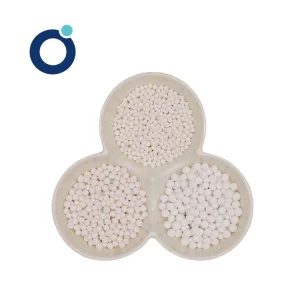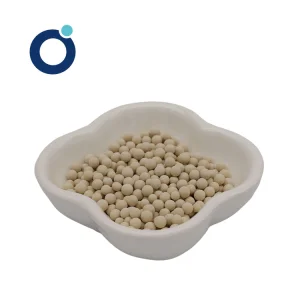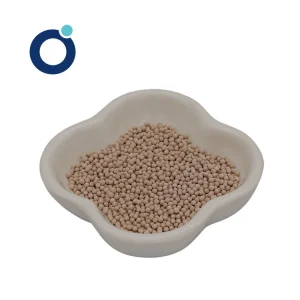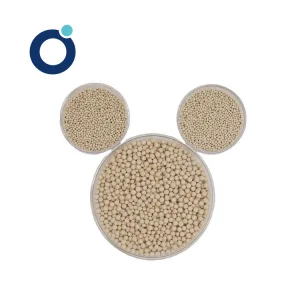
In the high-stakes sectors of petrochemical processing, natural gas dehydration, air separation units (ASUs), and environmental protection, the performance of industrial adsorbents determines overall system efficiency. Molecular Sieves (Synthetic Zeolites) serve as the structural backbone for trace-level moisture and impurity elimination, achieving dew points below -70°C. Their highly defined crystalline structures feature uniform pore sizes (typically 3Å, 4Å, 5Å, and 10Å/13X), allowing them to selectively adsorb molecules based on kinetic diameters.
Globally, the transition toward clean energy sources like liquefied natural gas (LNG), ultra-low sulfur diesel, and hydrogen purification via Pressure Swing Adsorption (PSA) has catalyzed demand for high-performance adsorbents. Enterprises face a common challenge: selecting an OEM supplier capable of producing molecular sieves with high crushing strength, low attrition rates, and optimized mass transfer zones (MTZ) to maximize desiccant lifecycle and minimize operating costs.
As a leading Chinese OEM molecular sieve factory and global exporter, Shanghai Jiuzhou Chemicals integrates advanced raw material preparation, precision extrusion, and state-of-the-art tunnel kiln calcination to provide competitive, standard-compliant adsorbent solutions for global operators.
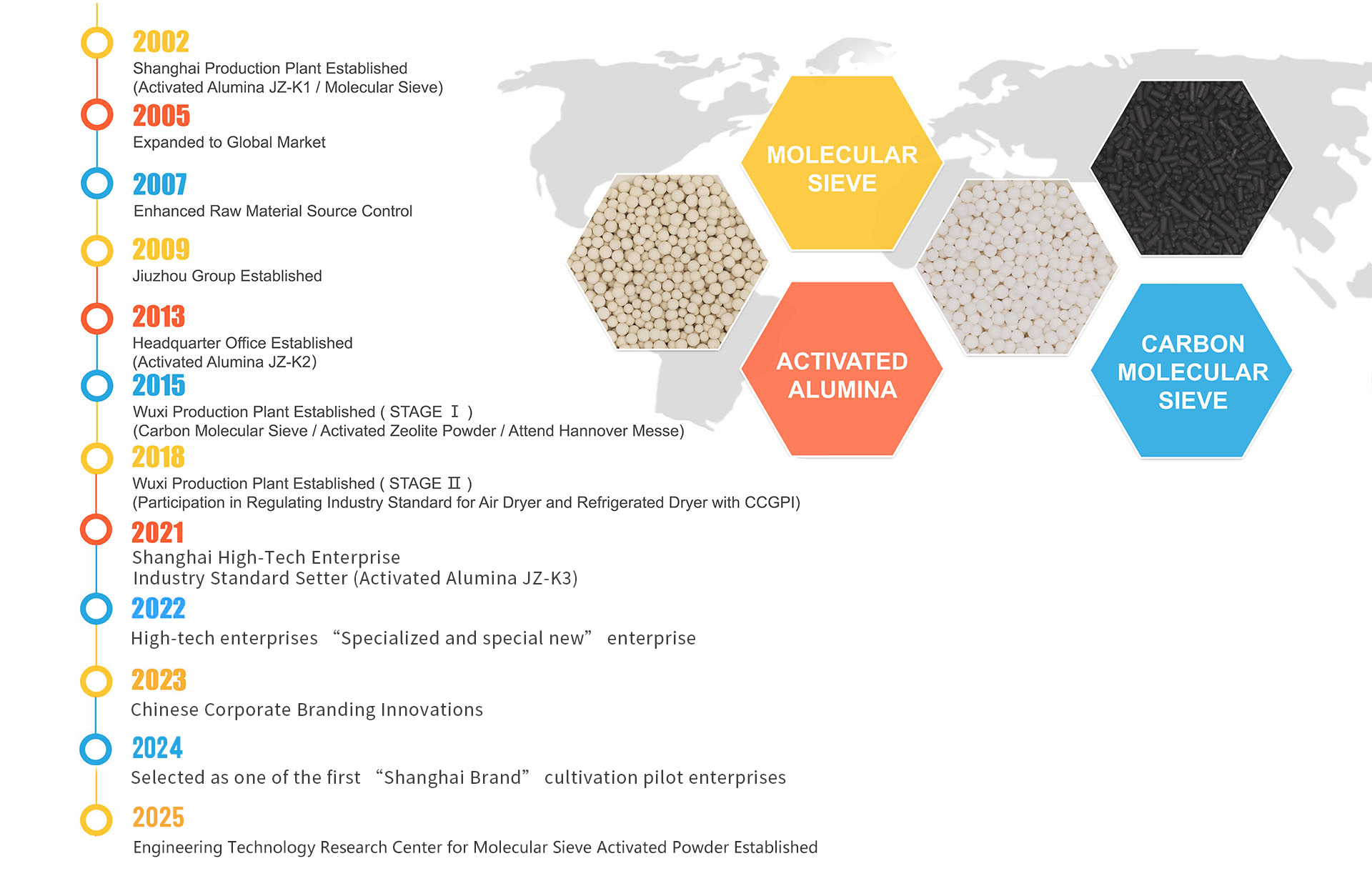
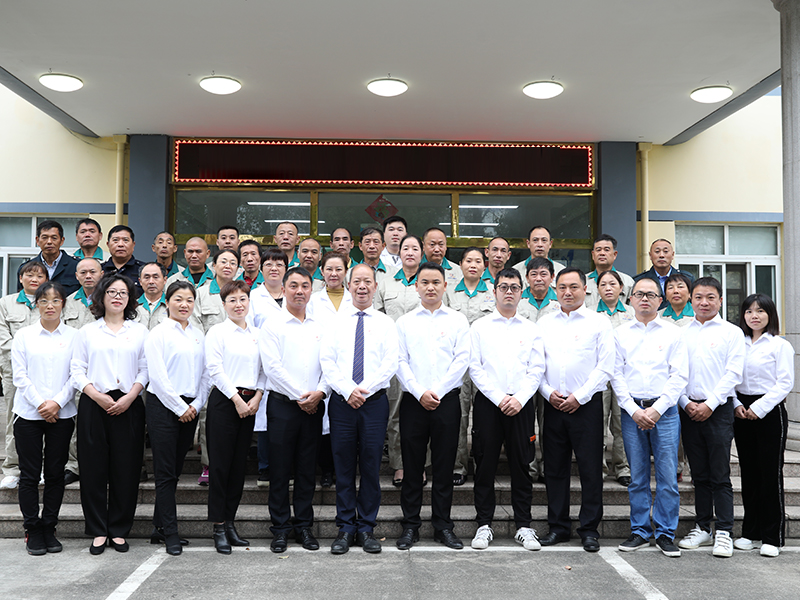
Shanghai Jiuzhou Chemicals Co., Ltd. is strategically located in Shanghai, the economic and logistics hub of China. Over the years, Jiuzhou has adhered to our core operating principles of Quality Control (100%) and Innovation (100%). We specialize in the R&D, manufacturing, and global exportation of high-purity molecular sieve powders, finished molecular sieves, activated powder, activated alumina, aluminum oxide catalysts, various alumina packing materials, ceramic balls, sodium silicates, aluminum hydroxide, zeolite 4A, sodium carbonates, and SLES.
All production facilities operate under strict compliance with the ISO9001: 2008 Quality Management System, validated by world-leading third-party inspectors including TUV and SGS. Our technical team features senior chemical synthesis experts and advanced Dynamic Laboratories equipped to test adsorption cycles under simulate process conditions, ensuring that our products meet or exceed international standards.
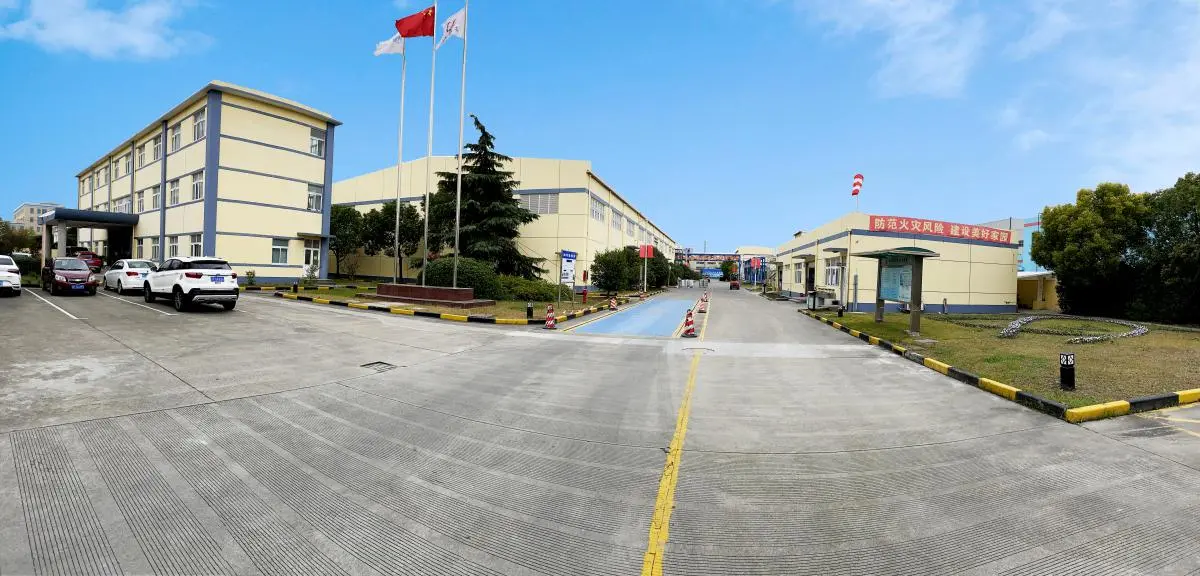
To support global supply chains and high-volume industrial demand, Jiuzhou operates dual specialized factories in Shanghai and Wuxi. This dual-facility system offers redundant production capabilities, protecting client supply chains from interruption and ensuring timely logistics.
The Shanghai Factory focuses on advanced synthetic zeolite synthesis and precision custom OEM packaging, leveraging proximity to the Port of Shanghai for fast shipping. The Wuxi Factory houses high-volume calcining kilns, multi-functional automated molding workshops, and raw material processing lines.
Equipped with computerized process controls (DCS), our manufacturing lines ensure uniform thermal distribution during activation. This precision controls pore size distribution and preserves the mechanical integrity of the finished spheres and extrudates.
We believe industrial manufacturing must co-exist with environmental preservation. Under our operational mission, "Better Air, Better Life", Jiuzhou invests in closed-loop water treatment, low-NOx gas burners, and modern particulate filtration systems to reduce the environmental impact of our factories.
Our molecular sieves contribute to environmental efforts globally by removing carbon dioxide, volatile organic compounds (VOCs), and sulfur compounds from process gas streams, helping operators meet strict environmental emission standards.

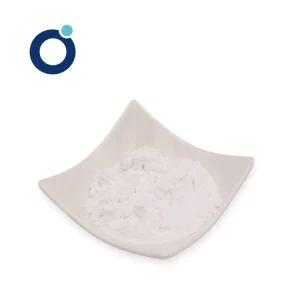
Understanding the structural characteristics of synthetic zeolites is critical for system design and optimization. The selection of pore sizes governs physical adsorption selectivity.
Chemical Formula: 0.6 K2O : 0.4 Na2O : Al2O3 : 2.0 SiO2 : x H2O
Primary Applications: Dehydration of unsaturated hydrocarbons (ethylene, propylene, butadiene), ethanol drying, and insulated glass units. Excludes molecules larger than 3 Å (such as ethane), preventing catalytic co-adsorption.
Chemical Formula: Na2O : Al2O3 : 2.0 SiO2 : x H2O
Primary Applications: Standard moisture removal in closed liquid or gas systems (refrigerants, static packaging). Adsorbs water, methanol, ethanol, hydrogen sulfide, carbon dioxide, sulfur dioxide, and ethylene.
Chemical Formula: 0.8 CaO : 0.2 Na2O : Al2O3 : 2.0 SiO2 : x H2O
Primary Applications: Separation of normal and isomer paraffins (C4-C6 fractions), hydrogen purification via pressure swing adsorption (PSA), and removal of carbon dioxide and moisture from air streams.
Chemical Formula: Na2O : Al2O3 : 2.8 SiO2 : x H2O
Primary Applications: High-capacity removal of H2O and CO2 from air before cryogenic separation (ASU units), desulfurization (sweetening) of natural gas and LPG, and liquid hydrocarbon drying.
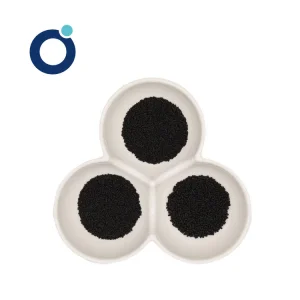
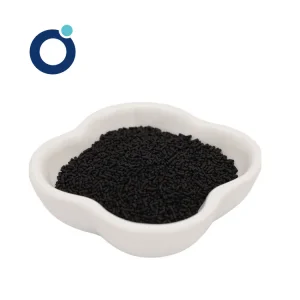
Aperture Control: Precise sub-nanometer carbon pores
Primary Applications: Used primarily in Pressure Swing Adsorption (PSA) nitrogen generators. Selectively separates oxygen from air streams based on the difference in diffusion rates.
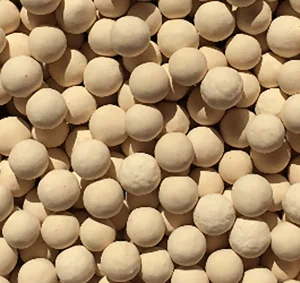
Composition: Highly porous Al2O3 structure
Primary Applications: Used as a pre-bed desiccant to protect molecular sieve layers from liquid water contamination, as well as for fluoride removal and arsenic remediation in water treatment.
Procurement teams managing industrial adsorbents look for a balance of cost-efficiency, reliable physical properties, and supply chain security. Shanghai Jiuzhou Chemicals delivers on these priorities through vertical integration and efficient manufacturing practices.
By producing critical upstream materials such as sodium silicates and zeolite powders in-house, we control raw material purity and insulate clients from pricing volatility. This integration enables us to offer flexible customization (OEM/ODM) for properties including:
Our dynamic laboratory validates bulk density, equilibrium water capacity, attrition rate, and crush strength for every batch before dispatch, providing full traceability for global shipments.
Jiuzhou is an active participant in drafting national and industrial standards for the Chinese chemical and compressed air industries. Our technical contributions ensure high product quality and compliance across the sector.
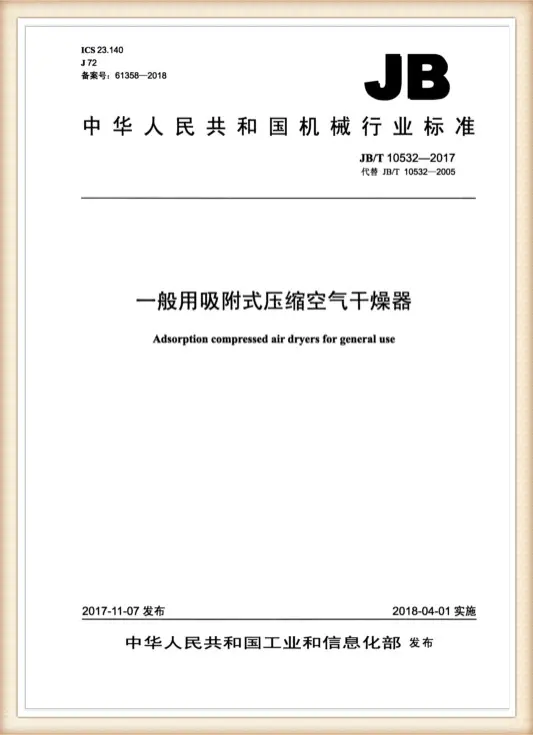
JB / T 10532-2017
Adsorption compressed air dryers for general use
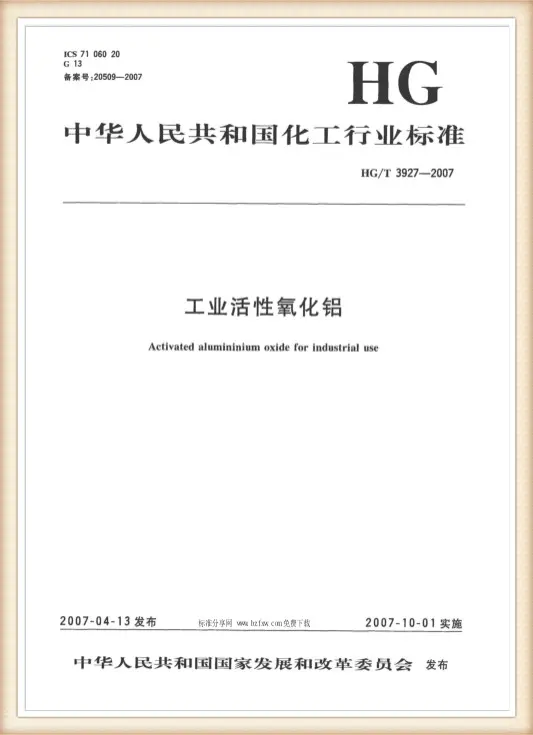
HG / T 3927-2007
Activated aluminum oxide for industrial use
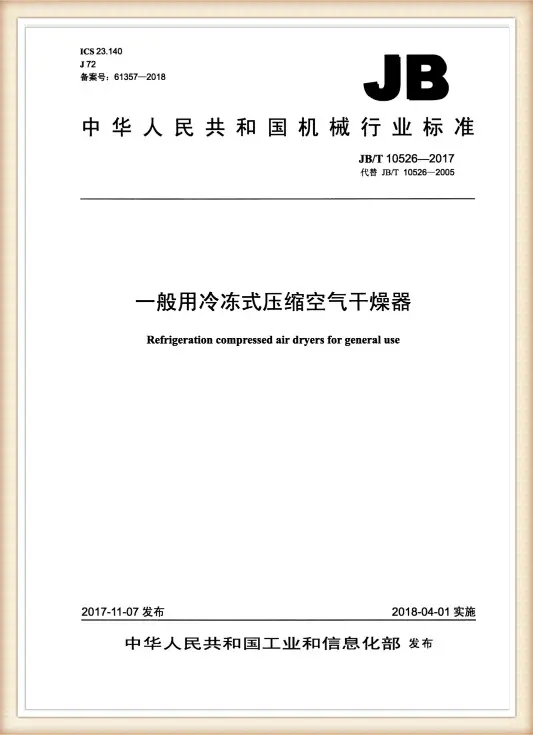
JB / T 10526-2017
Refrigeration compressed air dryers for general use
T/CGMA 1201-2024
Advanced Compressed Air Quality & Adsorbent Specifications
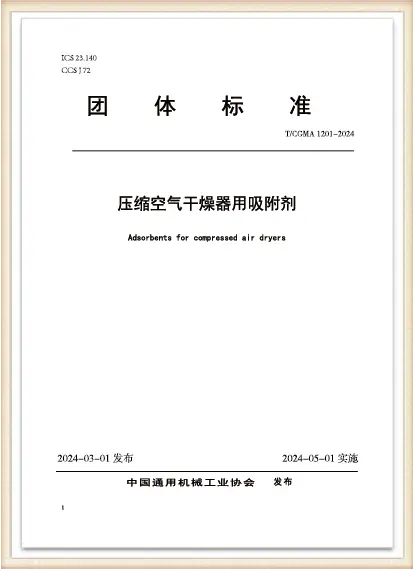
T/HGHX 02—2024
Chemical Industry Standard for Synthetic Zeolite Testing Methods
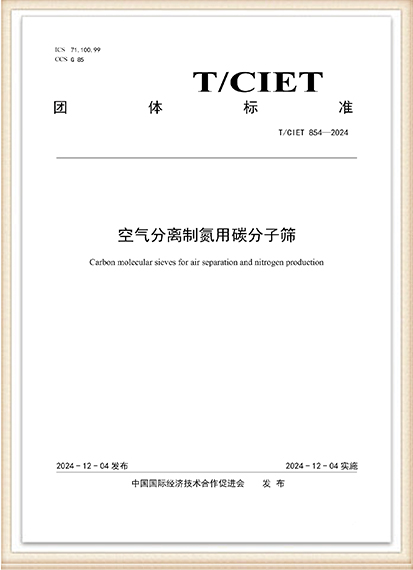
T/CIET 854-2024
Green Manufacturing & Carbon Footprint Assessment for Adsorbents
In cryogenic air separation units (ASUs), trace levels of water vapor (H2O) and carbon dioxide (CO2) must be removed from the incoming air before it enters the heat exchanger. If not removed, these compounds will freeze, causing blockages and plant shutdowns.
The Solution: Our high-capacity Molecular Sieve 13X is deployed in pre-purifier beds, often protected by a layer of Activated Alumina. This setup achieves dew points below -70°C and reduces CO2 levels to under 1 ppm, ensuring continuous operation of the cryogenic system.
Key Metrics to Track: High thermal stability during regeneration, low pressure drop across the bed, and low attrition to prevent particulate carryover into downstream compressors.