
Browse through our state-of-the-art molecular sieve products engineered for unparalleled dehydration and purification kinetics.
Consistently setting international benchmarks in chemical manufacturing since 1994.
Shanghai Jiuzhou Chemicals Co., Ltd. is strategically situated in Shanghai, China's foremost economic and technological development hub. Over decades of consistent hard work and technological iteration, Jiuzhou has strictly adhered to the core philosophies of "Quality Control & Innovation". We are a vertically integrated enterprise committed to the synthesis, scientific research, testing, manufacturing, and distribution of premium-grade, highly specialized industrial chemical products.
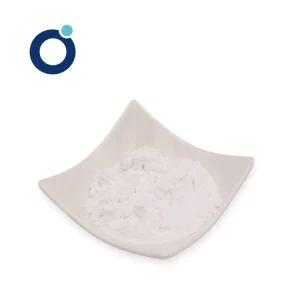
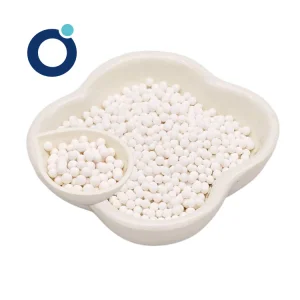
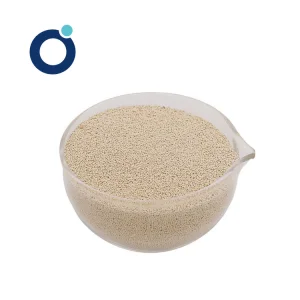
Our expansive product portfolio incorporates a wide spectrum of modern catalysts and adsorbents, including synthetic molecular sieve powders, active zeolite powders, activated alumina, aluminum oxide catalysts, structural alumina tower packings, specialized ceramic balls, instant sodium silicates, aluminum hydroxide, zeolite 4A, soda ash, and other primary industrial chemicals. Having established our baseline around strict international standards, all Jiuzhou manufacturing plants and products carry accredited ISO9001:2008 Quality Management System certifications, as well as TUV and SGS testing compliance marks.
With an elite, world-class scientific research group alongside highly experienced chemical engineers, Jiuzhou operates state-of-the-art multi-functional automated manufacturing sites. Our central analysis facility is armed with dynamic testing loops, high-performance physical adsorption instruments, and comprehensive monitoring mechanisms to guarantee absolute reliability. This ensures that every shipment meets or exceeds demanding global benchmarks for adsorption capacities, mechanical crushing strength, and low attrition rates.
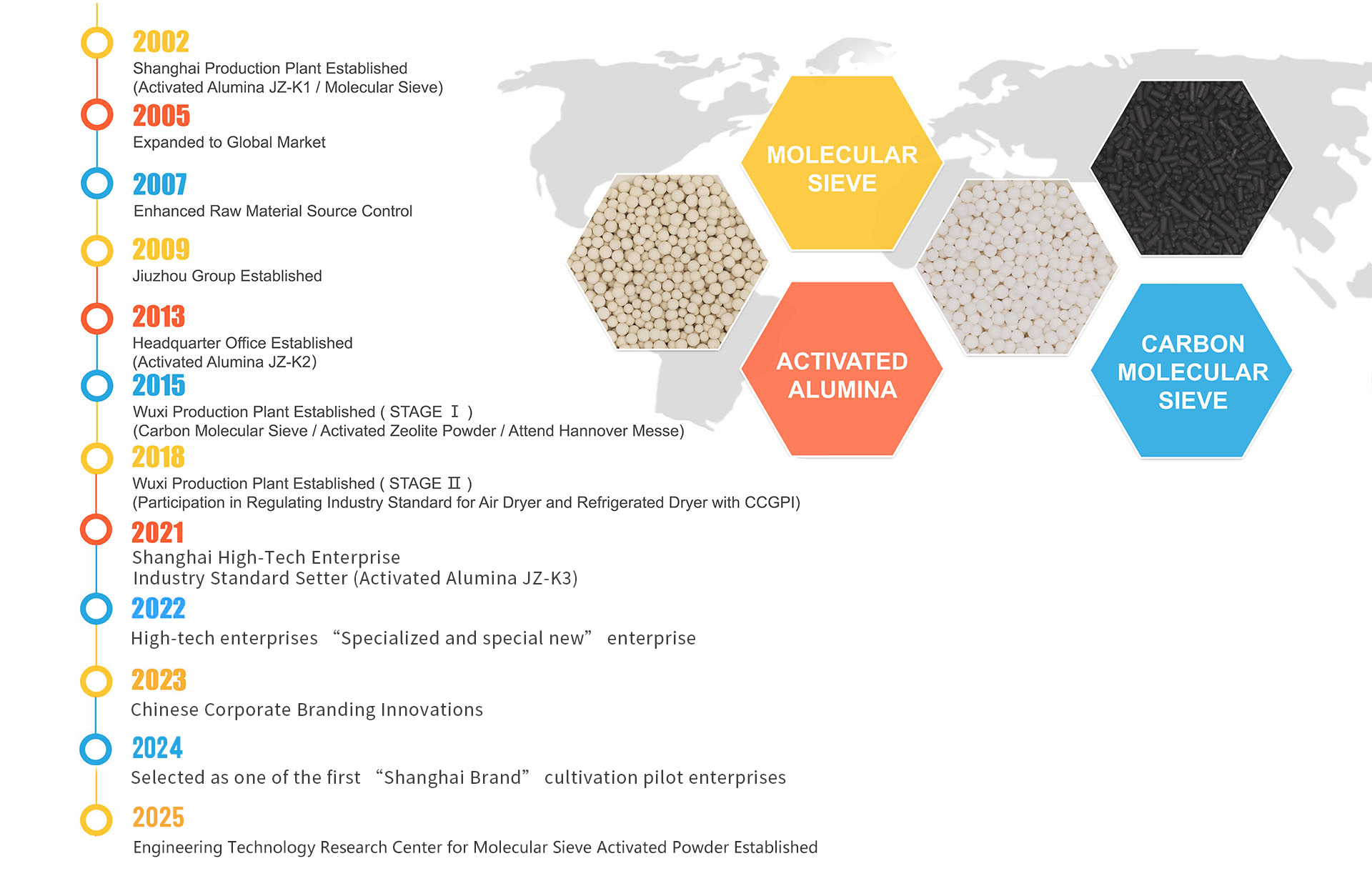
Precision, capability, and performance validation are baked into every manufacturing stage.
Our facilities are operated under strict SPC (Statistical Process Control) limits. From the calcining processes of premium raw materials to crystal structure formation, we perform atomic absorption spectrophotometry (AAS) and X-ray diffraction (XRD) tests on every batch to maintain a 100% target conformity.
Innovating with the evolution of chemical refining. Our laboratories actively research high-selectivity carbon molecular sieves (CMS) and highly dispersed zeolite powders for the plastics, paints, and performance coatings industries, guaranteeing 100% innovation momentum year-on-year.
Fully automated production lines across Shanghai and Wuxi ensuring consistent global distribution capacities.
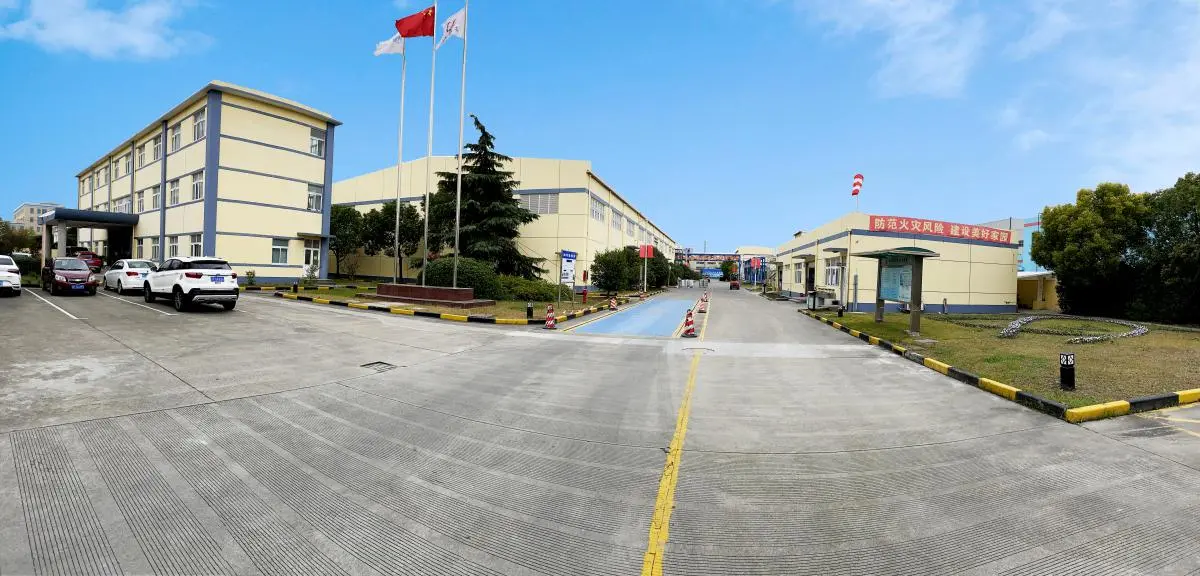
Focuses on high-tech custom synthesis and high-performance gas purification media development.

Focuses on raw material synthesis, large-scale calcination, and bulk adsorbent production.
An authoritative whitepaper breakdown of pore size kinetics, selective adsorption, and the global macroeconomic roadmap.
Molecular sieves rely on uniform crystalline pore paths. Precise modification of the aluminosilicate framework determines whether the kinetic diameter allows water (2.6Å), ammonia (2.6Å), or larger volatile compounds to enter the cage. The development of specialized silicalite frameworks helps achieve ultra-high purity targets for clean energy infrastructure.
With the expansion of the green economy, pressure swing adsorption (PSA) technologies demand zeolites that can withstand fast cycle frequencies. Modern synthetic options focus on lowering mass transfer resistances, ensuring that trace moisture and carbon dioxide are stripped without taxing thermal desorption systems.
Procurement teams globally face challenges around material degradation during maritime transit. Our special structural packing solutions, combined with humidity-barrier polymer coatings, ensure that chemical adsorbents maintain zero moisture absorption until the commissioning phase.
The molecular sieve industry is shifting towards optimized kinetic selectivity. As processing units operate at higher flow rates, conventional adsorbents often suffer from high pressure drops and excessive dusting, which can poison catalyst beds downstream. Our research at Shanghai Jiuzhou Chemical Co., Ltd. has developed high-density spherical shapes designed to maximize bulk density while maintaining efficient internal diffusion pathways. These efforts are focused on improving the overall thermal stability and mechanical crush strength of our adsorbents, protecting your operations from unexpected shut-downs.
Engineered products tailored to specific industrial sectors, optimizing operation uptime and gas purification targets.
Natural gas pipelines must be kept completely dry to prevent gas hydrate blockages. Our 3A and 4A molecular sieves selectively adsorb water vapor down to <0.1 ppm, preventing pipeline corrosion and protecting liquefaction plants (LNG) from freezing during cryogenic steps.
Our lithium-exchanged and high-performance sodium zeolites are optimized for pressure swing adsorption (PSA) units, delivering steady, high-concentration medical oxygen from ambient air by filtering out nitrogen molecules.
For modern architectural glass, moisture accumulation in the dead space causes fogging and thermal loss. Our specialized molecular sieve beads provide long-term protection, extending the service life of sealed double-glazed windows.
We actively shape national and enterprise-level standards to drive higher safety and durability profiles across the chemical industry.
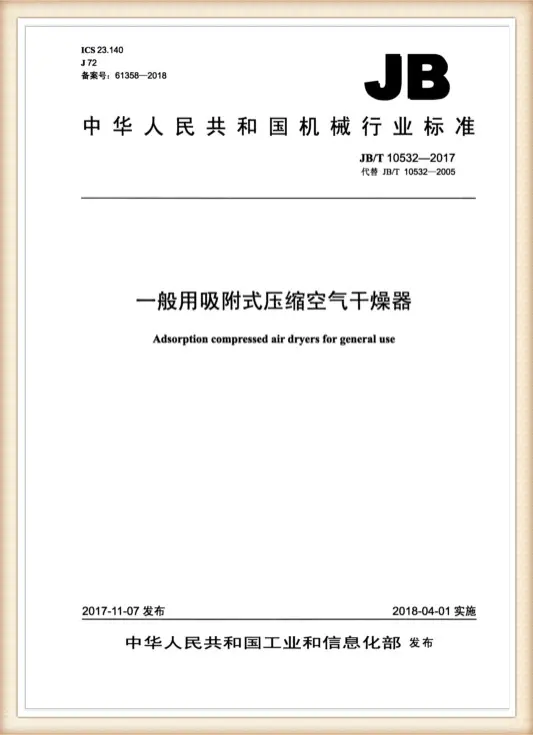
JB / T 10532-2017
Adsorption compressed air dryers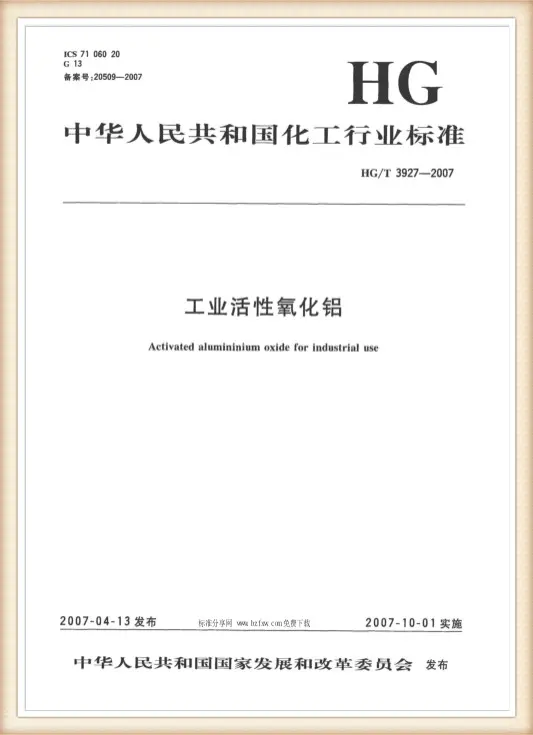
HG / T 3927-2007
Activated alumina for industrial use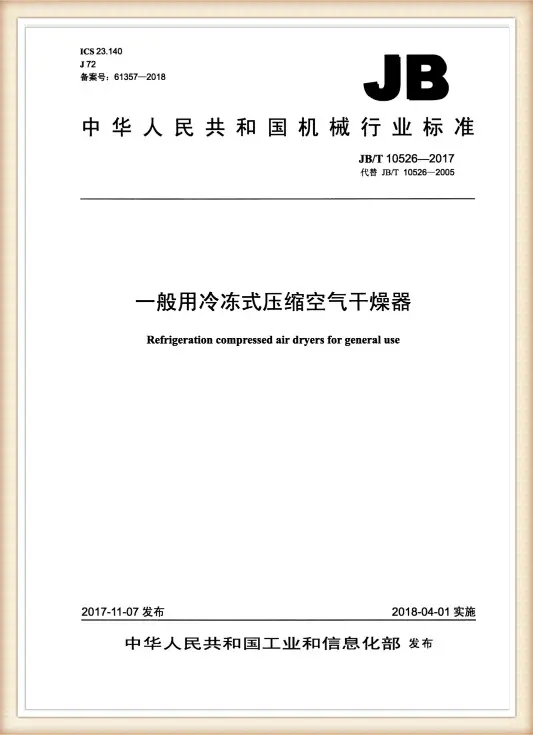
JB / T 10526-2017
Refrigeration compressed air dryers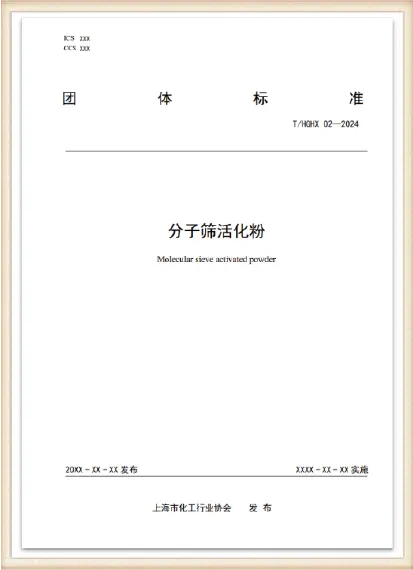
T/CGMA1201-2024
General Machinery Standard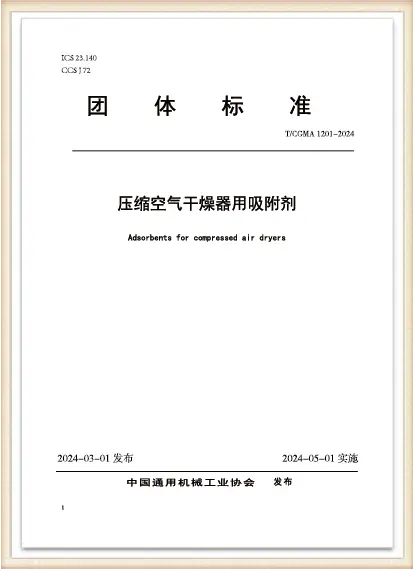
T/HGHX 02—2024
Chemical Adsorbent Quality Standard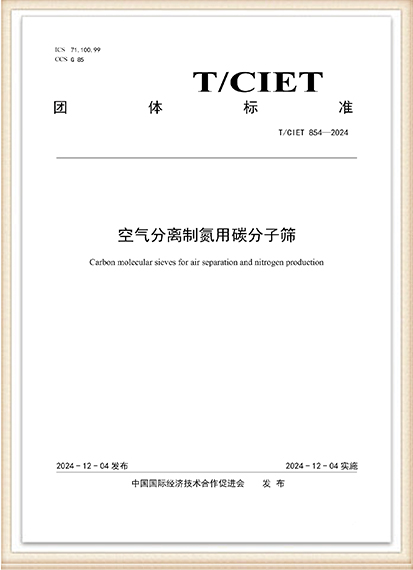
T/CIET 854-2024
Environmental Protection GuidelinesWe believe sustainable manufacturing is key to a healthier global environment.
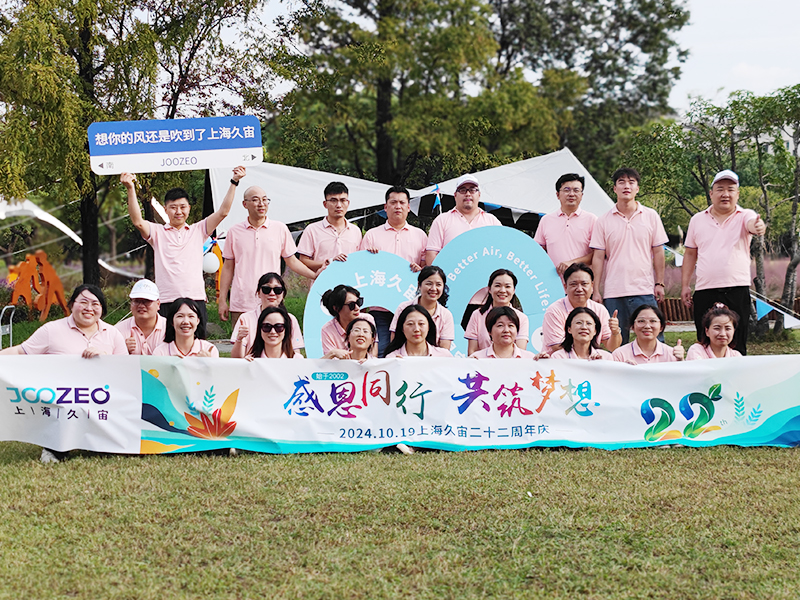
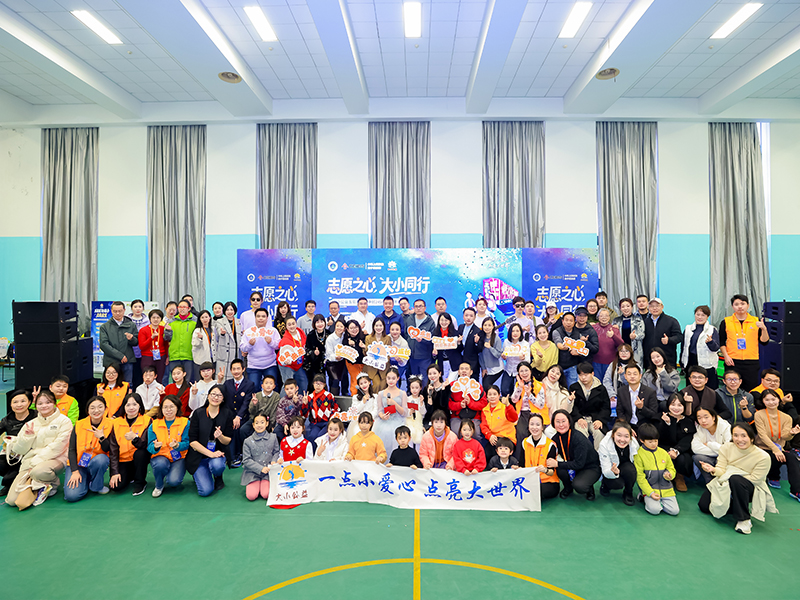
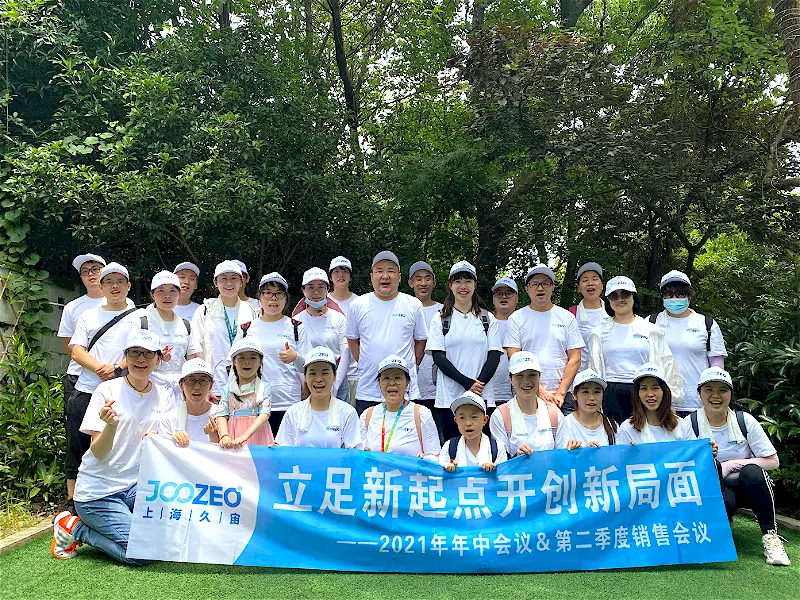
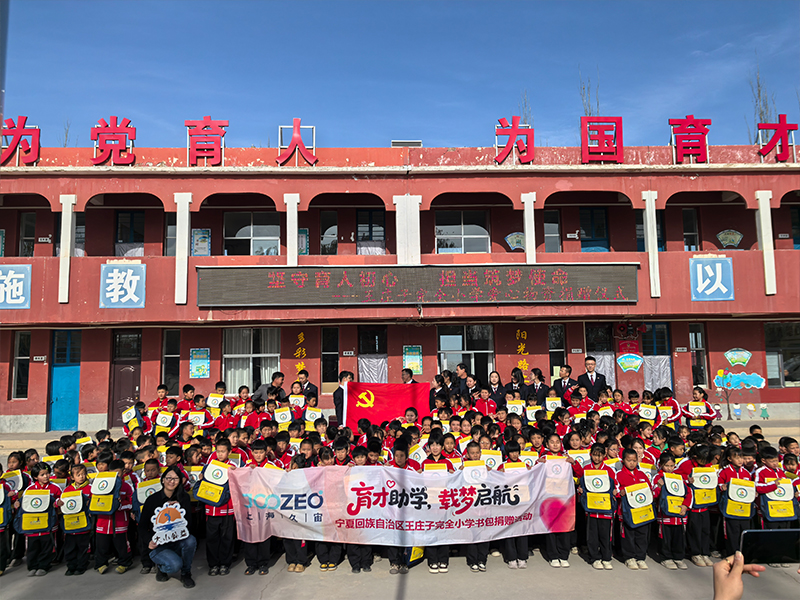
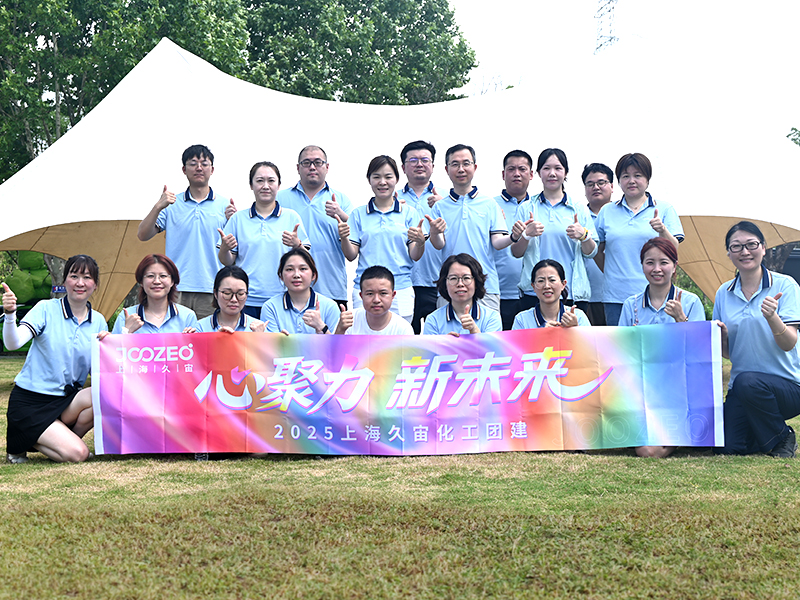
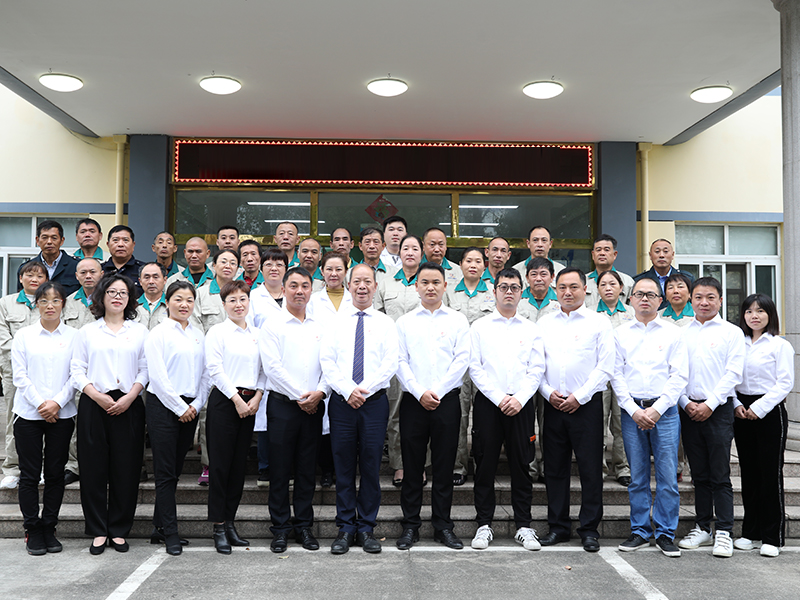
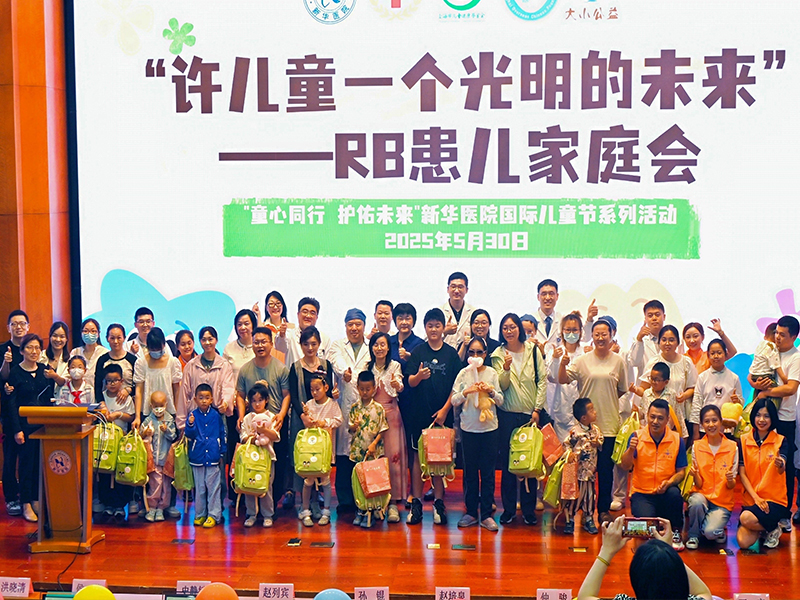
Exploring advanced materials and eco-friendly activation technologies for the next generation of industrial adsorbents.
Conventional zeolites require intensive thermal activation, consuming significant amounts of energy. Shanghai Jiuzhou is researching low-emission, microwave-assisted activation systems that reduce carbon emissions during manufacturing. Additionally, our R&D team is developing bindless molecular sieves. By eliminating inert binders, these materials improve adsorption capacity per unit mass, reducing raw material usage for global procurers.
Looking ahead, we aim to integrate tracking systems into bulk packaging. By utilizing smart indicators, plant managers can monitor real-time relative humidity inside bulk bags prior to reactor loading. This helps prevent premature saturation, optimizes dryer system performance, and minimizes operational risks.
Integrating Metal-Organic Frameworks (MOFs) with classical zeolite structures to achieve high-precision molecular separations.
Expert answers on molecular sieve selection, regeneration cycles, and global procurement details.
A: Selection is based on the kinetic diameter of the molecules you wish to adsorb and exclude. A 3A molecular sieve (pore size ~3 Å) selectively adsorbs water (2.6 Å) while excluding ethylene and ethanol, preventing co-adsorption. A 4A sieve is standard for moisture removal in non-acidic gas streams. A 5A sieve removes larger paraffins, and a 13X sieve (pore size ~10 Å) is suitable for removing larger nitrogenous and sulfur-based compounds in air separation prep systems.
A: Pricelist values vary based on the specific zeolite type (e.g., standard sodium form vs. lithium-exchanged), binder materials (attapulgite or custom binders), spherical bead sizes (e.g., 8x12 mesh vs. 4x8 mesh), and order volume. OEM projects involving custom packaging or custom activation temperatures are quoted based on specific client requirements. Please contact our sales team to request an updated quotation sheet.
A: In typical gas dehydration systems (TSA systems), molecular sieves generally last 2 to 4 years, depending on the presence of contaminants like heavy hydrocarbons or acid gases. Regeneration is typically done by passing a dry purge gas through the bed at temperatures between 200°C and 300°C to release adsorbed moisture and restore capacity.
A: Both our Shanghai and Wuxi factories operate under a unified ISO9001:2008 Quality Management System. We perform X-ray diffraction tests on raw zeolite powder batches to confirm crystallinity before processing. Finished beads are tested for crushing strength, bulk density, attrition loss, and static water adsorption capacity prior to packaging.
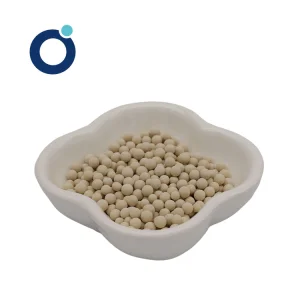
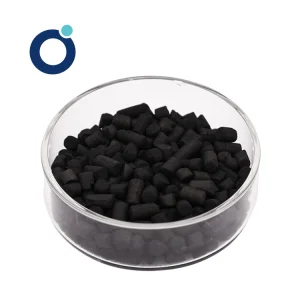
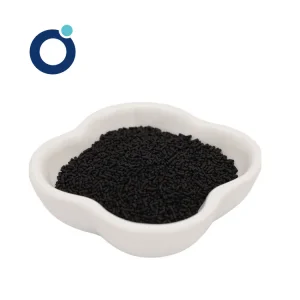
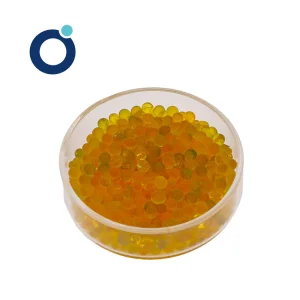
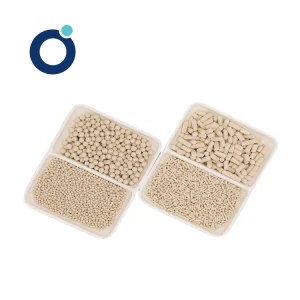
Discover our wider range of silica gels, active carbon, and custom zeolites engineered for diverse industrial processes.
Have a technical question or need a quote? Reach out to our engineers. We respond within 24 hours.
Send Request