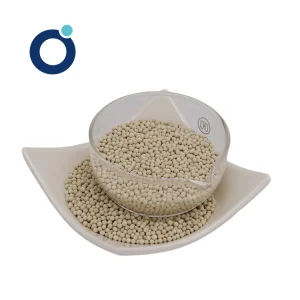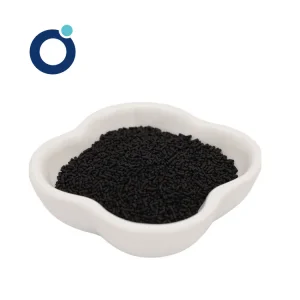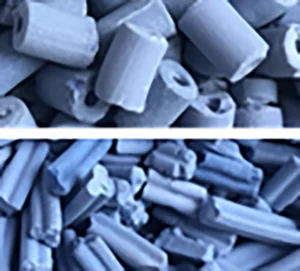
Select high-purity molecular sieves, catalysts, and specialty desiccants formulated for extreme industrial environments.
Modern industrial plants rely heavily on high-precision crystalline aluminosilicates—commonly known as molecular sieves—to achieve trace-level water removal and gas separation. As global process engineering reaches new boundaries of pressure, flow rates, and environmental regulations, bulk molecular sieve procurement has transitioned from commodity purchasing to rigid engineering collaboration.
Our OEM manufacturing services address this evolution by configuring pore diameters (3Å, 4Å, 5Å, and 10Å/13X) to prevent co-adsorption of hydrocarbons, optimize crush strength to withstand high fluid bed velocities, and lower attrition to safeguard capital machinery. From LNG cryogenic dehydration lines to pharmaceutical nitrogen purification systems, we provide tailored bulk solutions designed to minimize energy expenditure during thermal swing regeneration.
Optimizing efficiency, safety, and purity levels across critical industrial processing verticals.
Protect downstream polymer catalysts by removing trace moisture down to <0.1 ppm. Custom 3A molecular sieves prevent co-adsorption of hydrocarbon feeds like ethylene and propylene, avoiding catalytic poisoning and coke formation.
Removal of water, carbon dioxide (CO2), and heavy sulfur compounds (mercaptans, H2S) prior to liquefaction (LNG). Our engineered 4A and 13X materials prevent pipeline corrosion and freeze-ups in cryogenic heat exchangers.
Removal of carbon dioxide and moisture from atmospheric air before it enters low-temperature distillation columns. Prevents cold-box blockages and enables continuous, high-purity production of Liquid Oxygen, Nitrogen, and Argon.
Over 30 Years of Adsorption Chemistry, Materials Innovation, and Rigorous Engineering Control.
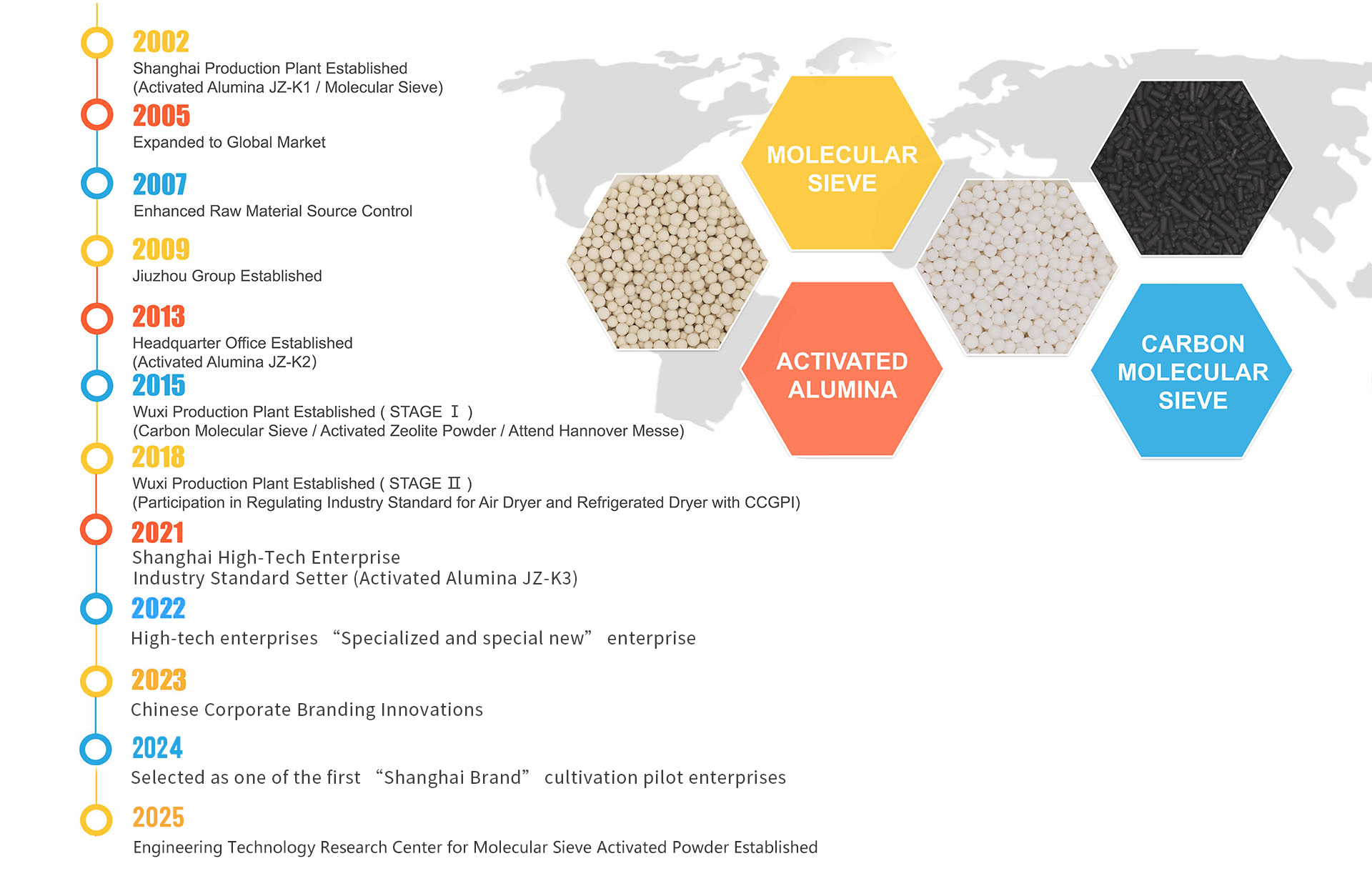
Headquartered in Shanghai, the economic powerhouse of China, Shanghai Jiuzhou Chemicals Co., Ltd. has always adhered to the core values of "Quality Control 100%, Innovation 100%". Over three decades, we have evolved into a global leader in the development, research, and high-volume manufacturing of advanced adsorbents, desiccants, and catalytic substrates.
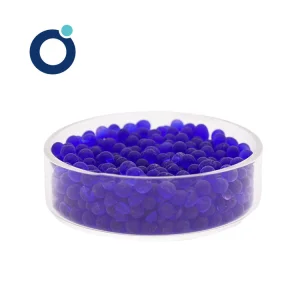
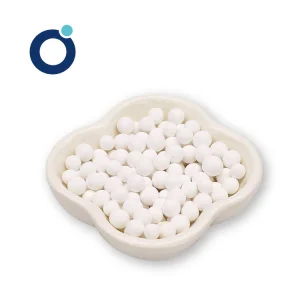
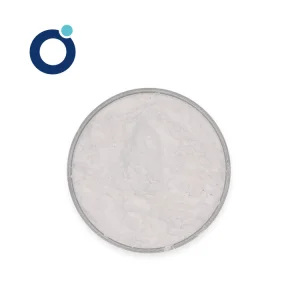
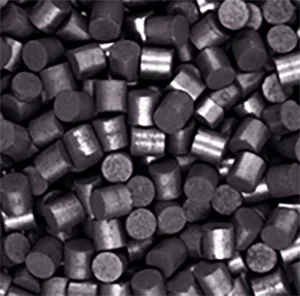
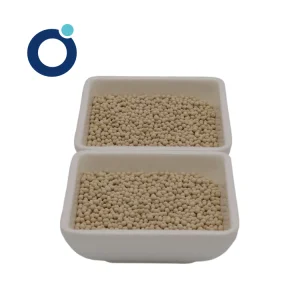
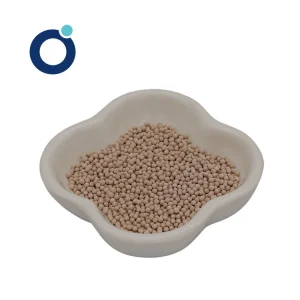
Our comprehensive chemical portfolio includes high-performance synthetic molecular sieve powders, finished molecular sieves, activated powders, activated alumina, aluminum oxide catalysts, alumina packings, inert ceramic balls, sodium silicates, aluminum hydroxide, zeolite 4A, sodium carbonates, and SLES. Underpinned by ISO9001:2008 Quality Management System certifications, as well as TUV and SGS audits, our factories guarantee batch-to-batch chemical conformity across thousands of metric tons annually.
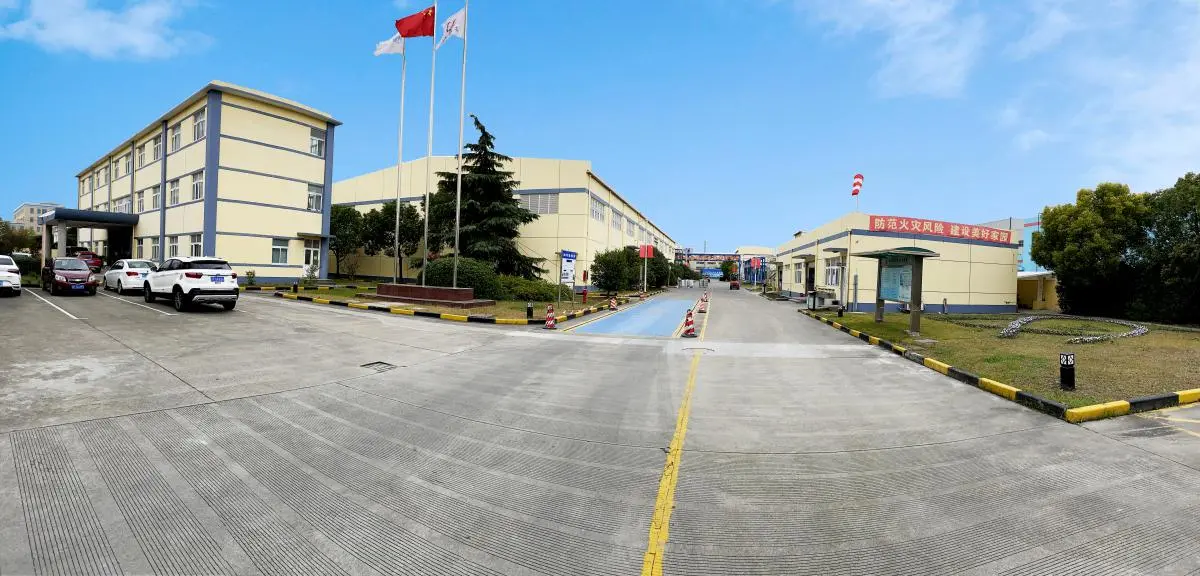
Primary testing, R&D labs, and customized synthetic formulation lines specializing in fine chemical processing and specialty zeolite crystal modifications.
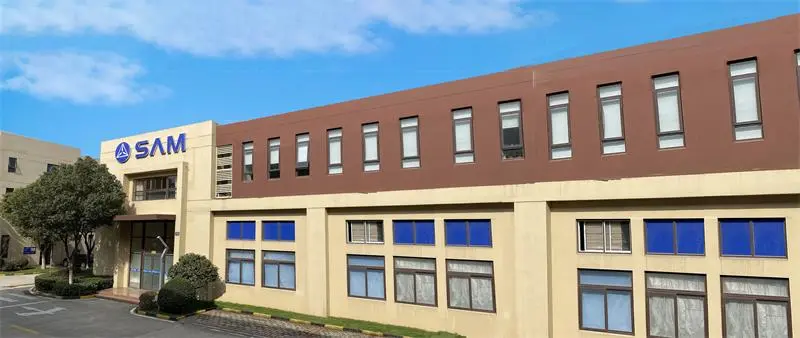
Bulk scale-up facilities equipped with high-capacity rotary kilns, automated bead formers, and advanced calcination lines for steady-state supply chains.
We are not just a manufacturer; we are architects of national chemical standards. By collaborating with trade associations and engineering boards, we actively shape the technical frameworks governing dry-air and catalytic technologies worldwide.
Decarbonization, high kinetic efficiency, and green chemistry driving molecular sieve research.
Traditional molecular sieves contain up to 20% inert binder (clay/silica). Our R&D division has developed binderless molecular sieves, converting clay binders into active zeolite structures. This delivers a 20-30% increase in working adsorption capacity, dramatically lowering the size, weight, and footprint of industrial pressure-swing systems.
By altering the ion-exchange ratios (e.g., Sodium, Calcium, and Potassium cations in the aluminosilicate framework), we control pore opening sizes down to decimals of an Angstrom. This allows for precise separation of molecules of near-identical kinetic diameters, such as nitrogen and oxygen, or carbon dioxide and methane.
Industrial systems expose sieves to violent thermal shock during regeneration cycles (up to 300°C in TSI/TSA setups). Our technological roadmap focuses on increasing hydrothermal stability, ensuring our synthetic crystal matrices resist structural collapse over thousands of thermal cycles.
Proof of engineering validation—Jiuzhou has drafted and executed multiple industry-defining standards.
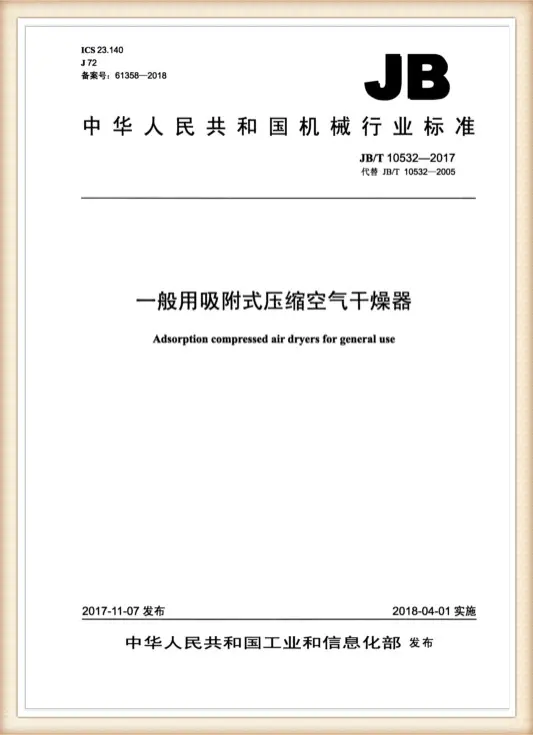
JB / T 10532-2017
Adsorption Compressed Air Dryers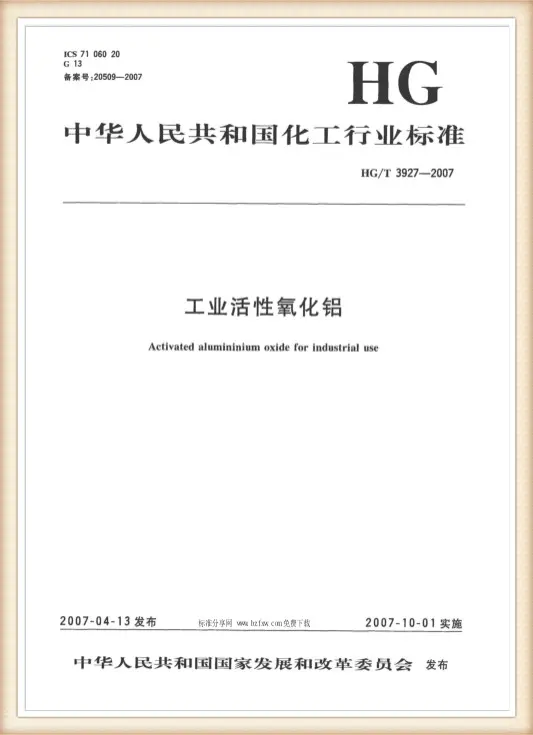
HG / T 3927-2007
Activated Alumina for Industrial Use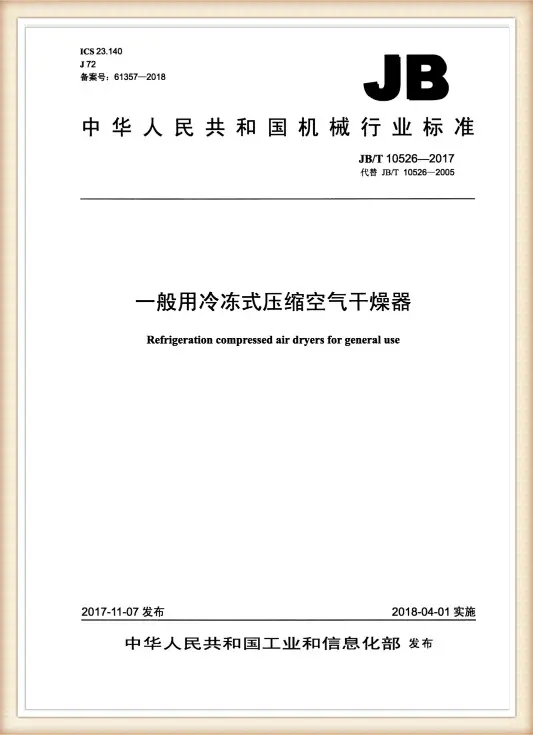
JB / T 10526-2017
Refrigeration Compressed Air Dryers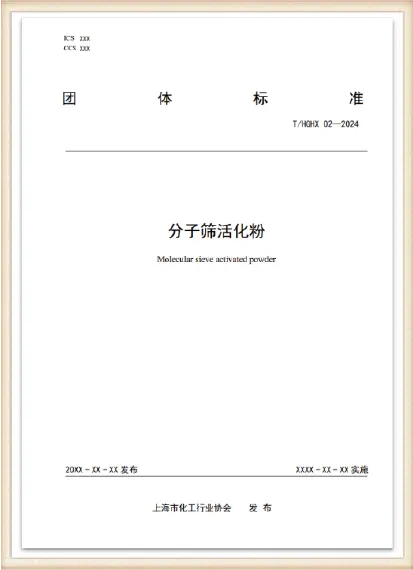
T/CGMA 1201-2024
Machinery & Compressor Standards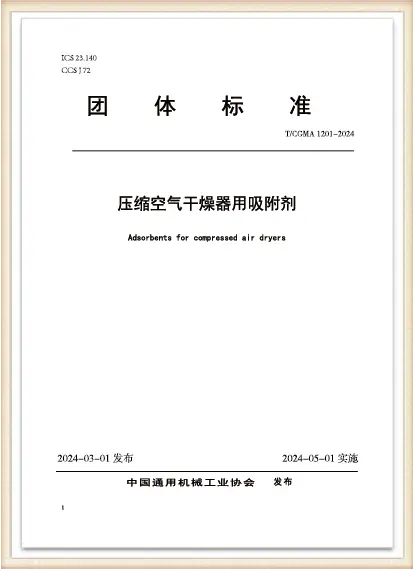
T/HGHX 02-2024
Chemical Synthetic Adsorbent Testing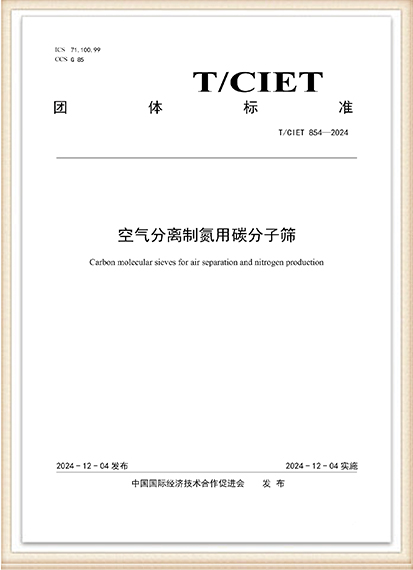
T/CIET 854-2024
Environmental Protection & Green MaterialsAdsorbent chemistry plays an indispensable role in global decarbonization and green industrial transitions. Our manufacturing technologies are optimized to reduce energy intensive calcination cycles, and our finished products are critical components in carbon capture (CCS), bio-ethanol purification, and heavy pollutant mitigation projects worldwide.
By producing advanced materials that lower pressure drops across drying towers, we directly assist factories in reducing their global scope 1 & scope 2 greenhouse gas emissions. We practice what we preach—maintaining zero-discharge water recycling systems and strict particulate filtration across our Shanghai and Wuxi manufacturing facilities.

Ensuring seamless logistical execution, import readiness, and regional regulatory compliance.
Adsorbent materials are highly reactive to atmospheric moisture. We prevent pre-activation during maritime transport by deploying double-barrier vacuum sealing inside carbon steel drums, heavy-duty super sacks with high-integrity foil liners, and hermetically sealed HDPE pails for sensitive pharmaceutical powders.
With established supply-chain corridors and distribution nodes in the United States, Europe, Southeast Asia, Japan, North & South America, and the Middle East, we ensure on-site warehouse replenishment and JIT (Just-In-Time) inventory deliveries for processing continuous industrial operations.
We keep compliance up to date. Our molecular sieves undergo strict testing to ensure compatibility with FDA specifications for indirect food contact, and comply with European REACH, RoHS, and OSHA hazard communication requirements for handling chemical media.
Answers to complex chemical and engineering queries compiled by our senior molecular sieve design experts.
Explore additional specialized chemical formulations designed to protect your manufacturing streams.
Submit your process conditions (fluid composition, temperature, operating pressure, and target dew point). Our application specialists will respond within 24 hours with a custom adsorption design proposal.
Send Technical Request