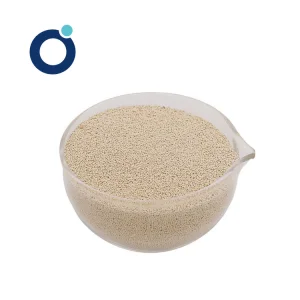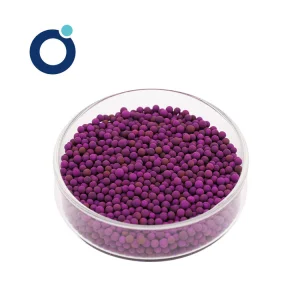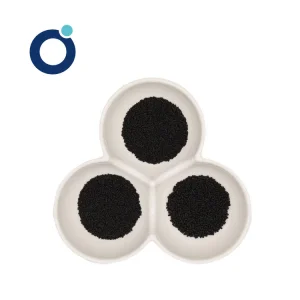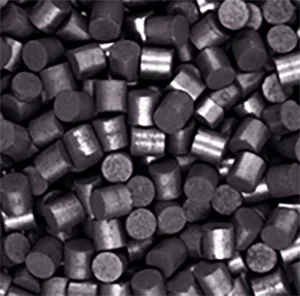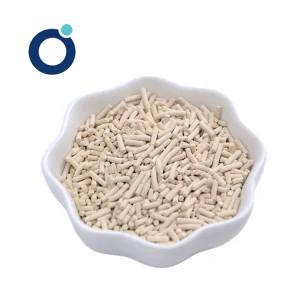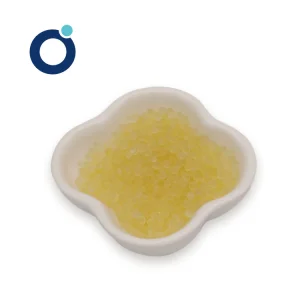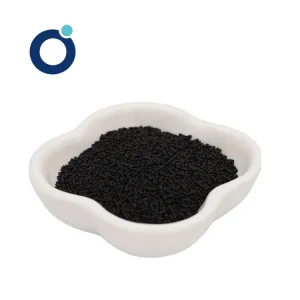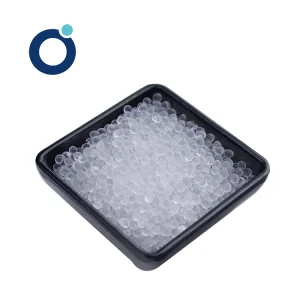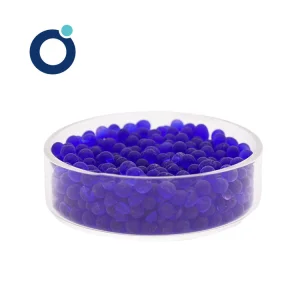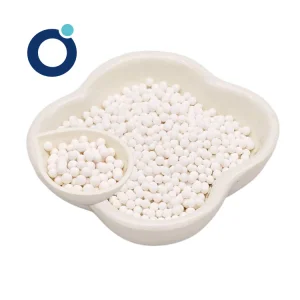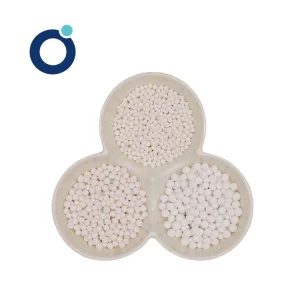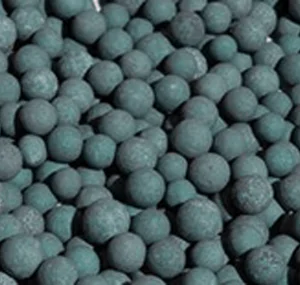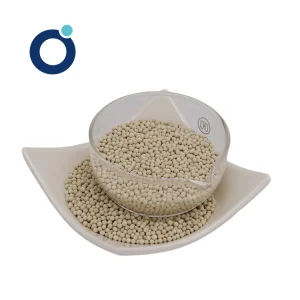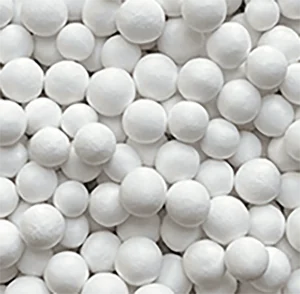
High-efficiency molecular architectures engineered for Pressure Swing Adsorption (PSA) systems and process gas separation.
Enhanced nitrogen-to-oxygen adsorption kinetics, optimizing nitrogen capture capacity in complex molecular networks.
Exceptional mechanical crush strength designed to resist high cyclic pressures within PSA pressure vessels.
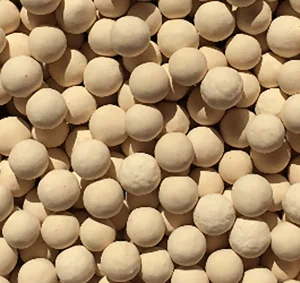
Custom pore sizes and customized bead geometry configurations targeting precise flow properties.
The global demand for high-purity oxygen has experienced a paradigm shift, transitioning from centralized cryogenic air separation plants to localized, on-site generator systems. This evolution is driven by the need for cost reduction, system reliability, and supply chain independence. At the core of every modern Pressure Swing Adsorption (PSA) and Vacuum Pressure Swing Adsorption (VPSA) system lies the molecular sieve—specifically engineered synthetic zeolites. Recent global trends indicate a significant demand spike for highly efficient medical-grade lithium-based molecular sieves and high-density sodium-based molecular sieves (specifically 13X zeolite modifications).
Industry applications are expanding beyond health infrastructure. Aquaculture farms, metallurgy, thermal glass processing, and wastewater treatments increasingly rely on dedicated PSA oxygen generators. By utilizing high-selectivity molecular sieves, operators achieve up to 93%–95% oxygen concentration with drastically lower energy consumption, allowing modular generator packages to run continuously without high maintenance costs.
To understand the mechanics of Zeolite Molecular Sieves, it is essential to examine the crystalline structure of these aluminosilicates. The framework consists of SiO4 and AlO4 tetrahedra, which form a highly organized network of micro-cavities. These cavities contain positively charged cations (such as sodium, calcium, or lithium ions) that balance the negative charge of the alumina framework.
When compressed air is fed into the adsorption column of an oxygen generator:
Procuring raw adsorbents is not merely an exercise in finding the lowest per-ton cost. Technical buyers must audit manufacturers based on lifecycle cost performance. The key parameters that determine ROI include:
A. Specific Energy Consumption (SEC): A superior molecular sieve reduces the pressure threshold required for adsorption, translating directly to lower kilowatt-hours consumed by the air compressor.
B. Bulk Density and Nitrogen Loading Capacity: Higher loading capacity means a smaller, lighter adsorption column can be designed, reducing the capital expense of structural steel and compressor sizing.
C. Regeneration Profile: The dew point of the feed air is critical. The molecular sieve must possess high tolerance to residual moisture or be backed by a reliable layer of activated alumina to prevent hydrothermal degradation of the active zeolite phase.
Established Year
Countries with Trade Relations
Production Facility Footprint
Quality & Innovation Focus
A global leader in custom adsorbents, chemical catalyst chemistry, and standard-setting manufacturing practices.
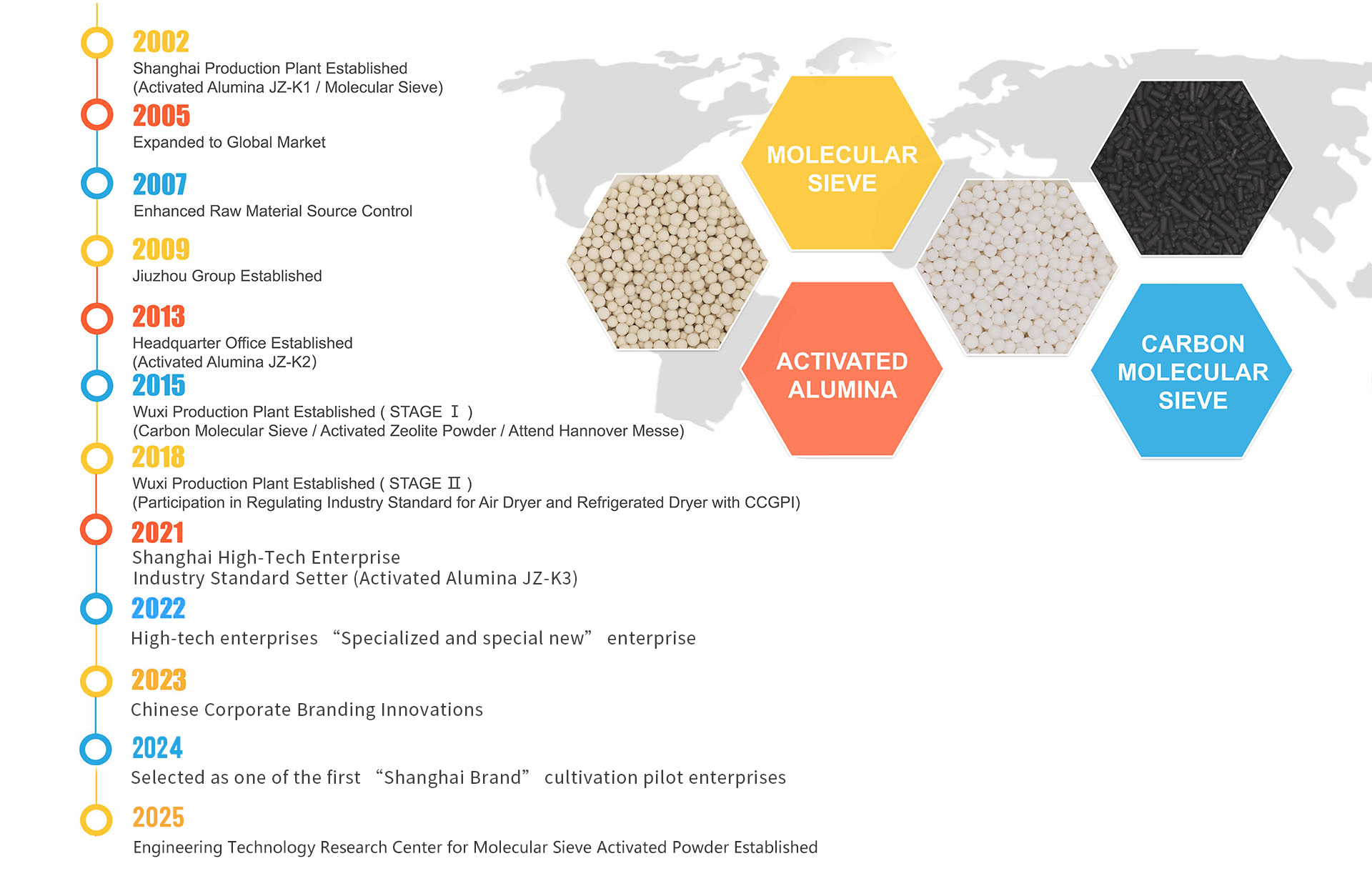
Shanghai Jiuzhou Chemicals Co., Ltd. is strategically located in Shanghai, the economic center of China. Over the years, Jiuzhou has consistently adhered to the principles of "Quality Control, Continuous Innovation," devoting substantial resources to the development, manufacturing, and application engineering of high-performance innovative chemical adsorbents. Our primary product catalog includes advanced molecular sieve powders, synthetic molecular sieves, activated powders, activated alumina, aluminum oxide catalysts, various ceramic and alumina tower packing components, sodium silicates, aluminum hydroxide, zeolite 4A, sodium carbonates, and SLES.
Our complete product portfolio has successfully obtained ISO9001:2008 Quality Management System Certification along with international TUV & SGS compliance validations. With our technical expertise and solid industry standing, Joozeo is a leading brand in the global industrial desiccant and adsorbent sectors.
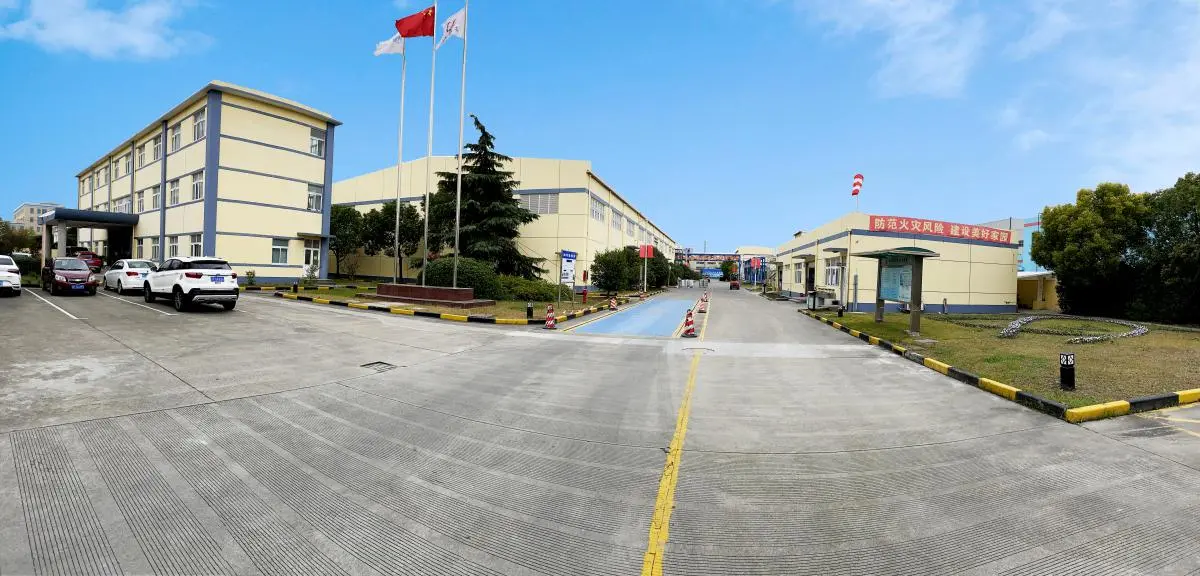
Our primary Shanghai installation houses automated production lines and our dynamic adsorption testing facilities. Here, we conduct molecular-level modeling and pilot runs for custom OEM client requirements.
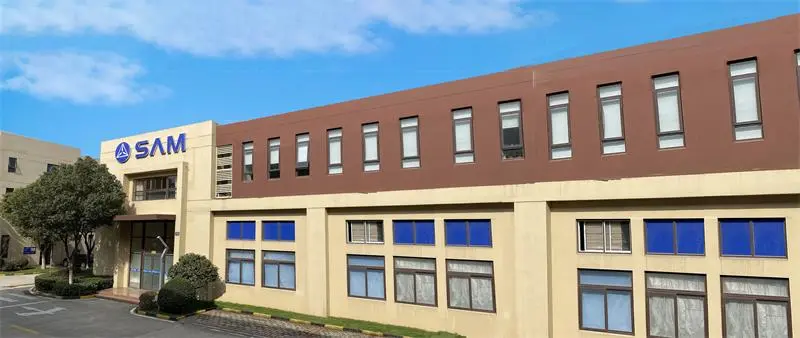
The Wuxi factory represents our heavy industrial output capacity. It features high-capacity rotary kilns, automated packaging lines, and strict quality control zones designed to guarantee uniform bead size distribution.
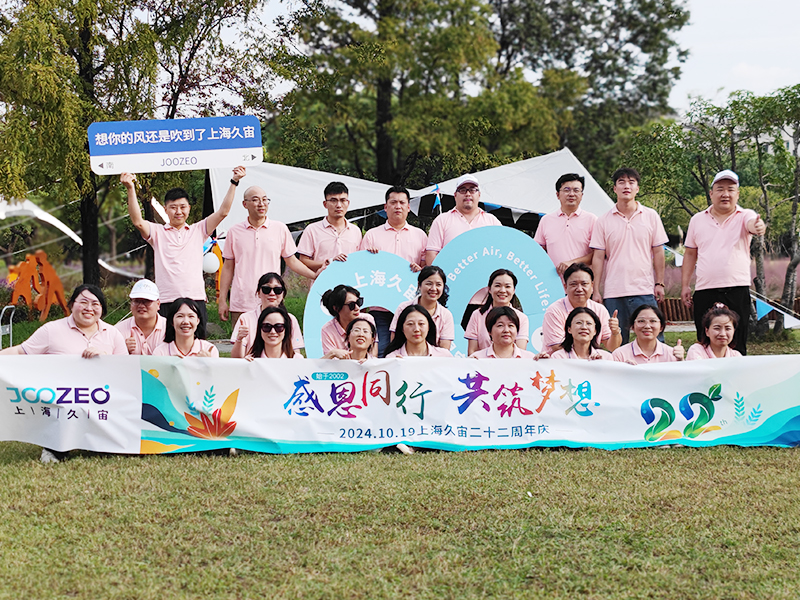
"Better air, Better life" is not just a motto; it is our environmental pledge. Our production processes utilize heat-recovery loops and advanced waste management practices to minimize carbon footprint. We design our molecular sieves to operate with optimal energy efficiency, helping downstream industries lower their greenhouse gas emissions by reducing compressor loads.
JOOZEO's technical strength is demonstrated by our active leadership in drafting national and industrial manufacturing standards.
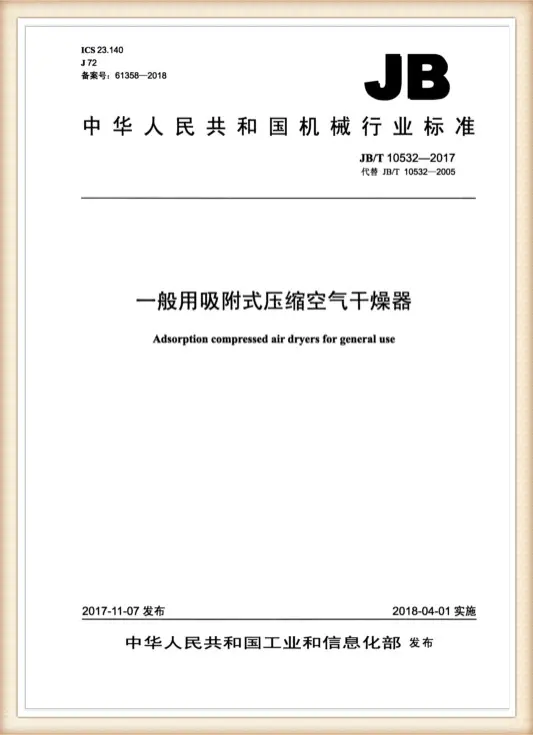
Adsorption compressed air dryers for general use.
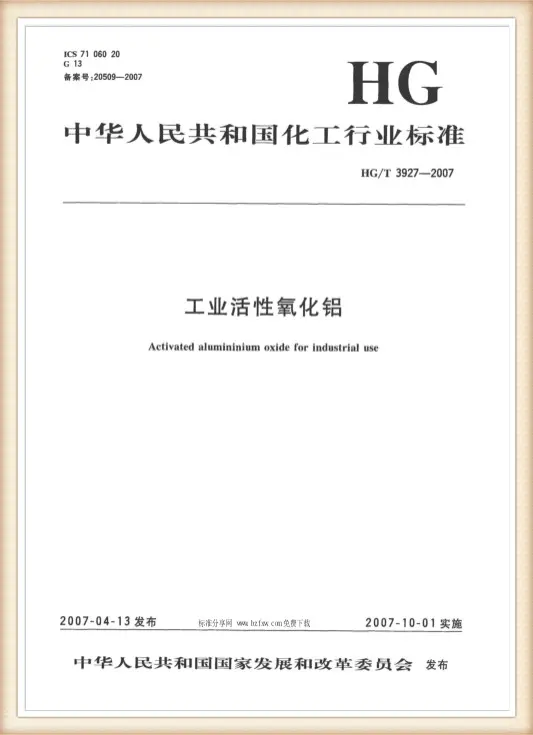
Activated aluminum oxide for industrial use.
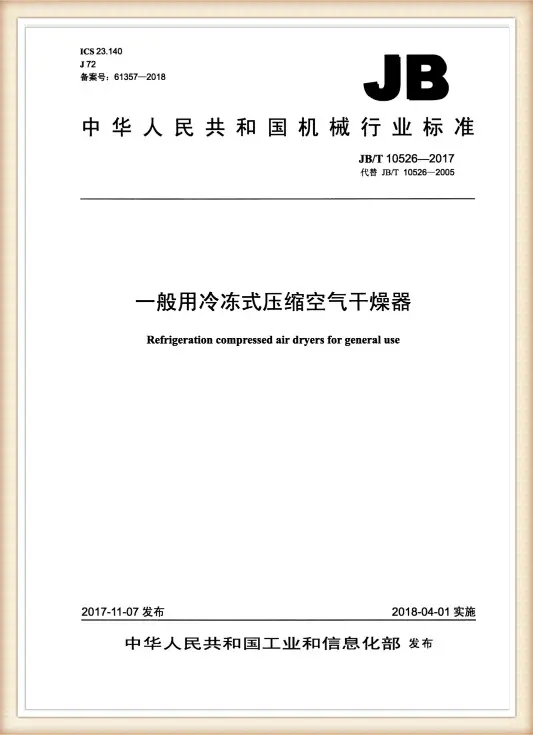
Refrigeration compressed air dryers for general use.
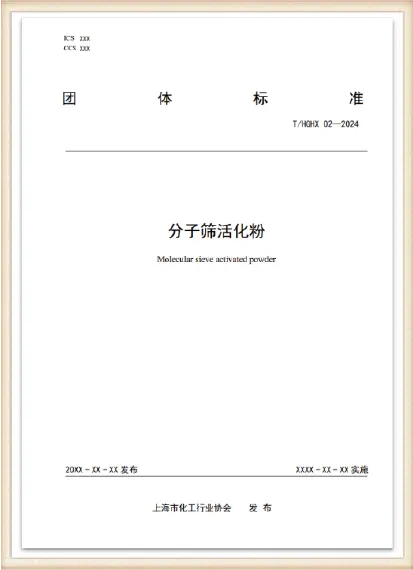
Adsorbent performance guidelines and quality metrics.
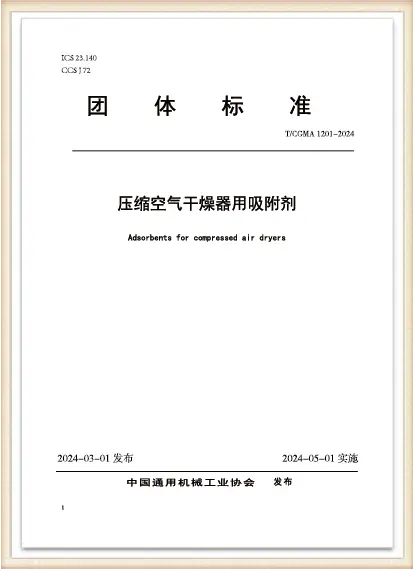
Industrial chemical catalyst and adsorption testing procedures.
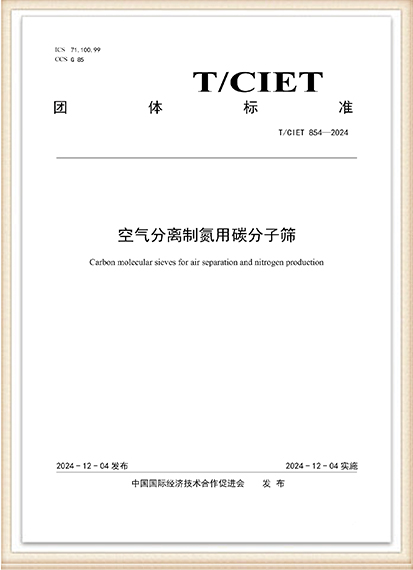
Green manufacturing protocols for molecular sieve production.
How Jiuzhou's automated manufacturing systems ensure quality control and cost efficiency.
In manual or low-tier production facilities, variations in drying temperatures and binder ratios cause inconsistencies in molecular sieve pore diameters and physical strength. Jiuzhou has addressed this through a fully digitalized Factory 4.0 platform. From raw material preparation to final activation, every stage is managed by computerized control systems. This maintains precise temperature regulation in the activation kilns, ensuring every batch matches the target crystal structure and meets structural strength requirements.
Our quality verification processes extend beyond standard static laboratory tests. Jiuzhou operates dynamic laboratories that replicate actual PSA and VPSA operating conditions. We subject sample batches to multiple pressure cycles to record dynamic adsorption capacity, mass transfer rates, and mechanical wear. By testing under real-world conditions, we ensure our products deliver reliable, long-term performance in industrial environments.
Operating out of Shanghai provides significant supply chain advantages. Our proximity to major shipping ports reduces transit times and transport costs. Over the past three decades, Jiuzhou has established distribution networks across North America, Europe, South America, the Middle East, and Southeast Asia. This enables us to maintain stable lead times and provide responsive local support for global plant operators.
Detailed answers to key technical questions encountered by design engineers and procurement departments.
What is the functional lifespan of JOOZEO molecular sieves in industrial PSA oxygen systems?
Under optimal operating conditions—specifically where the intake air is properly pre-filtered to remove liquid water, oil aerosols, and organic vapors—our molecular sieves typically maintain efficient performance for 3 to 5 years. Standard maintenance, including regular pre-filter replacements, helps preserve the adsorption capacity of the molecular sieve bed.
How does intake air quality impact the performance of the molecular sieve?
Synthetic zeolites have a high affinity for water molecules. If feed air with high humidity enters the molecular sieve bed, the pores will preferentially adsorb water instead of nitrogen, reducing oxygen concentration. We recommend installing an activated alumina pre-drying layer or a refrigerated dryer upstream to protect the molecular sieve from moisture contamination.
What is the difference between Sodium 13X and Lithium-based molecular sieves?
Sodium 13X molecular sieves are standard, cost-effective options for industrial oxygen generators, producing 90%–93% purity. Lithium-based molecular sieves (Li-LSX) offer higher nitrogen adsorption capacity and selectivity. While Li-LSX requires a higher initial investment, it allows for smaller adsorption columns and reduces energy consumption, making it suitable for portable medical concentrators and high-efficiency systems.
Can JOOZEO customize bead sizes for custom oxygen generator designs?
Yes. We offer customization of bead sizes (such as 0.4–0.8mm, 1.6–2.5mm, or 3.0–5.0mm) to match your system's flow rate and pressure drop requirements. Smaller beads provide faster adsorption rates but increase pressure drop, while larger beads reduce pressure drop. We work with clients to determine the optimal balance for their system design.
What regeneration temperature is required for thermal desorption cycles?
For thermal regeneration of moisture-saturated molecular sieves, the purge gas temperature should be maintained between 200°C and 350°C. Heating above 450°C should be avoided, as excessive temperatures can cause hydrothermal degradation of the zeolite crystal structure, leading to permanent loss of adsorption capacity.
Explore our full line of industrial desiccants, silica gels, and activated alumina products.
Get in touch with our application engineers for expert product selection assistance and custom OEM quotes. We respond within 24 hours.
Send Enquiry Request