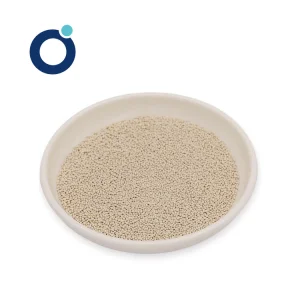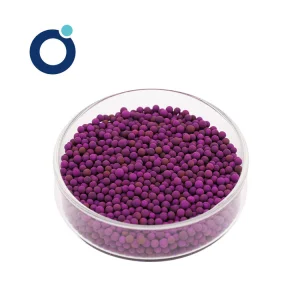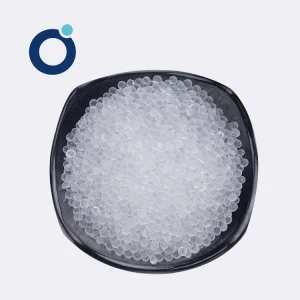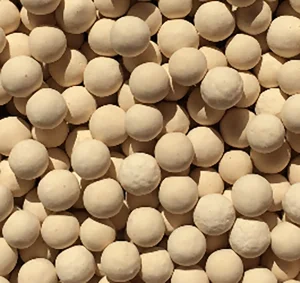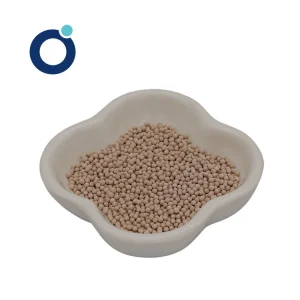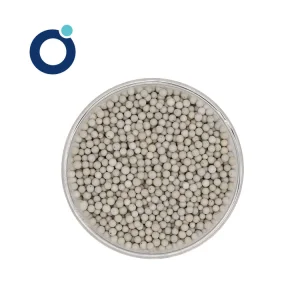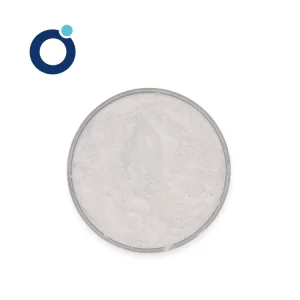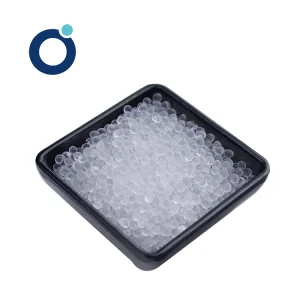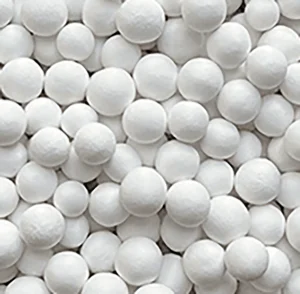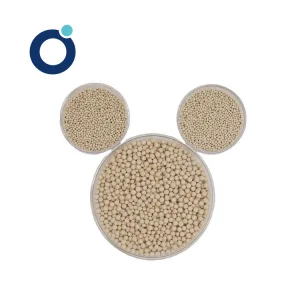
Engineered to deliver exceptional thermal stability, optimum pore volume, and superior gas selectivity.
In the modern industrial and healthcare paradigms, molecular sieve-based oxygen generation stands as a crucial chemical engineering pillar. Utilizing Pressure Swing Adsorption (PSA) and Vacuum Pressure Swing Adsorption (VPSA) principles, synthetic zeolites function as the selective filtration medium that isolates gaseous nitrogen from ambient air, leaving a clean stream of oxygen. The global demand for molecular sieve adsorbents is experiencing rapid expansion. This growth is driven by a massive transition from cryogenic air separation methods to decentralized, on-site, and energy-efficient oxygen generator plants.
From the massive metallurgical furnaces in industrial zones to portable oxygen concentrators (POCs) carried by respiratory patients worldwide, synthetic zeolites (primarily Li-X and 13X structures) form the core of modern gas purification. Over the past decade, global carbon neutral mandates have forced heavy industries to seek eco-efficient technologies. Decentralized PSA plants powered by advanced molecular sieves consume significantly less energy than liquid oxygen logistics chains, effectively lowering carbon footprints across medical networks, glass manufacturing, steel manufacturing, and aquaculture operations.
Technical Insight: Lithium-based molecular sieves exhibit up to 2-3 times higher nitrogen adsorption capacity and nitrogen-to-oxygen selectivity than traditional sodium or calcium-based zeolites, significantly reducing the size of adsorption beds in portable concentrators.
China has become the global production hub for synthetic zeolites, combining massive scale with advanced material science engineering. Jiuzhou Chemicals (Joozeo) exemplifies this trend by integrating domestic resource advantages with strict ISO-certified manufacturing environments. The efficiency of a molecular sieve plant is measured by its raw material synthesis consistency, high-purity cation-exchange processes, and structural durability under rapid cycling conditions.
Our plants in Shanghai and Wuxi utilize highly automated, continuous processing systems that eliminate batch-to-batch inconsistencies common in smaller chemical workshops. The key is in the calcination and crystallization phases. Under precise temperature controls, zeolites are synthesized with highly uniform pore structures of exactly 3Å, 4Å, 5Å, or 10Å (13X). Cation exchange, particularly for Lithium-modified sieves, requires high chemical fidelity to replace sodium ions within the aluminosilicate frame. This process maximizes nitrogen affinity without collapsing the fragile crystalline channels.
The procurement profiles of international buyers differ based on their local markets:
Over 30 years of continuous chemical synthesis excellence.
Trusted supplier for PSA system builders worldwide.
State-of-the-art facilities located in Shanghai and Wuxi.
Jiuzhou Chemicals is a key contributor to national industrial drying and adsorbent manufacturing standards.
| Standard Reference | Description & Industrial Application |
|---|---|
| JB / T 10532-2017 | Adsorption compressed air dryers for general use. Formulates standards for moisture control prior to PSA air separation beds. |
| HG / T 3927-2007 | Activated aluminum oxide for industrial use. Regulates mechanical, chemical, and physical property benchmarks for desiccants. |
| JB / T 10526-2017 | Refrigeration compressed air dryers for general use. Standardizes temperature drop dynamics in feed-air pre-treatment processes. |
| T/CGMA1201-2024 | New industrial standard detailing requirements for dynamic energy efficiency under modern pressure swing operations. |
| T/HGHX 02—2024 | Chemical adsorbent testing and quality control protocols for high-grade synthetic zeolites. |
| T/CIET 854-2024 | Green manufacturing guidelines and carbon footprint accounting models for molecular sieve exporters. |
Our focus remains on two core principles: Quality Control (100%) and Innovation (100%). Operating a central research laboratory with advanced monitoring instruments, Jiuzhou ensures that every shipment aligns with strict physical density, crush strength, and adsorption capacity targets.
Equipped with high-temperature rotary kilns, automated bead shaping equipment, and advanced particle classification systems.
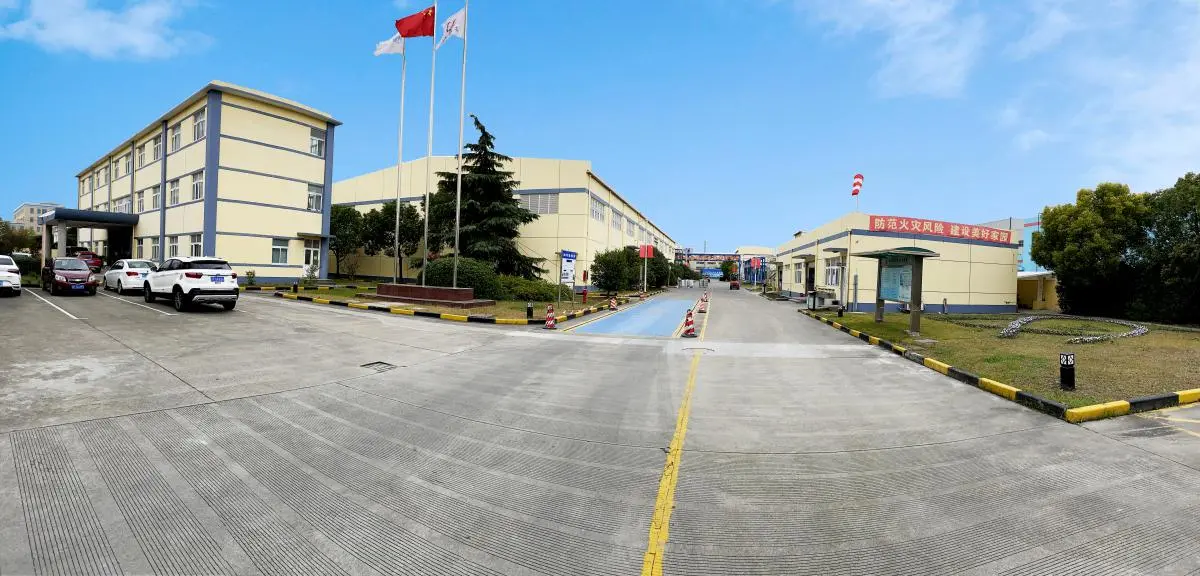
Dedicated to bulk industrial molecular sieves, alumina catalysts, ceramic ball packing, and specialized OEM formulation lines.

"Better air, Better life" — We design energy-saving adsorbents that lower the environmental impact of air separation processes.
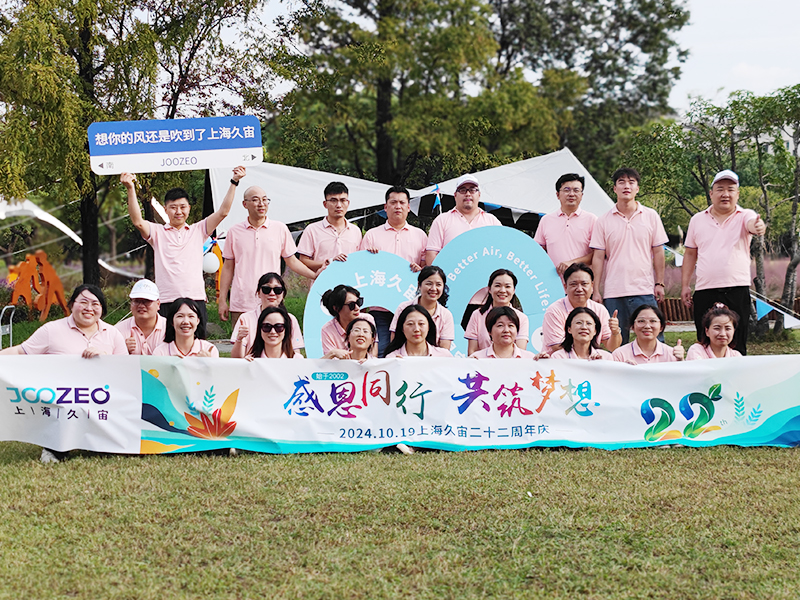
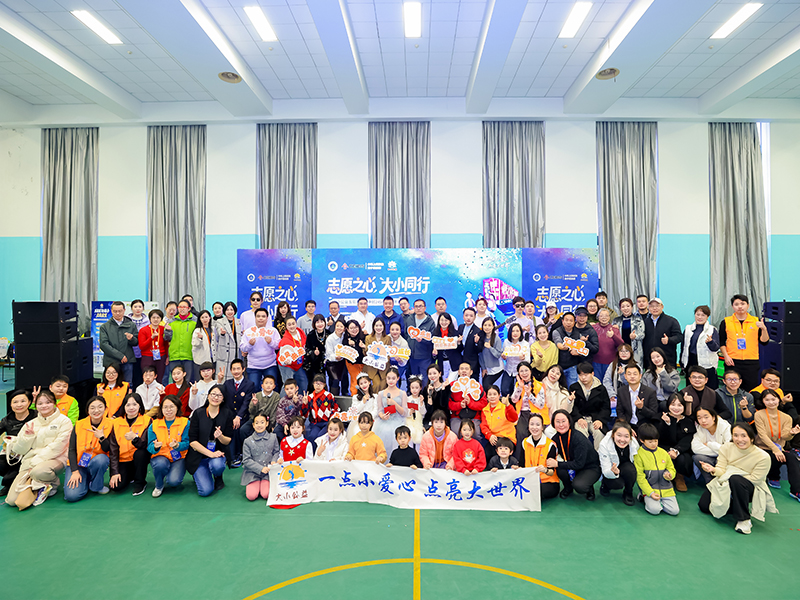
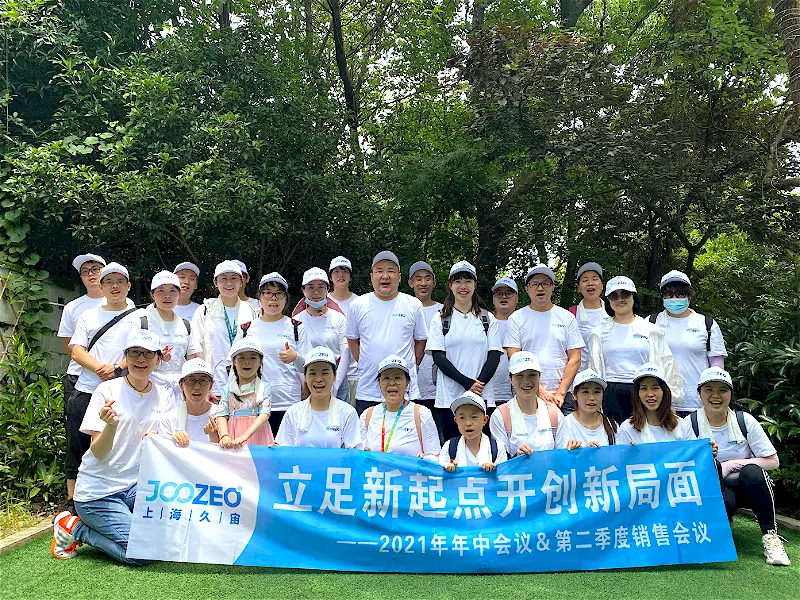
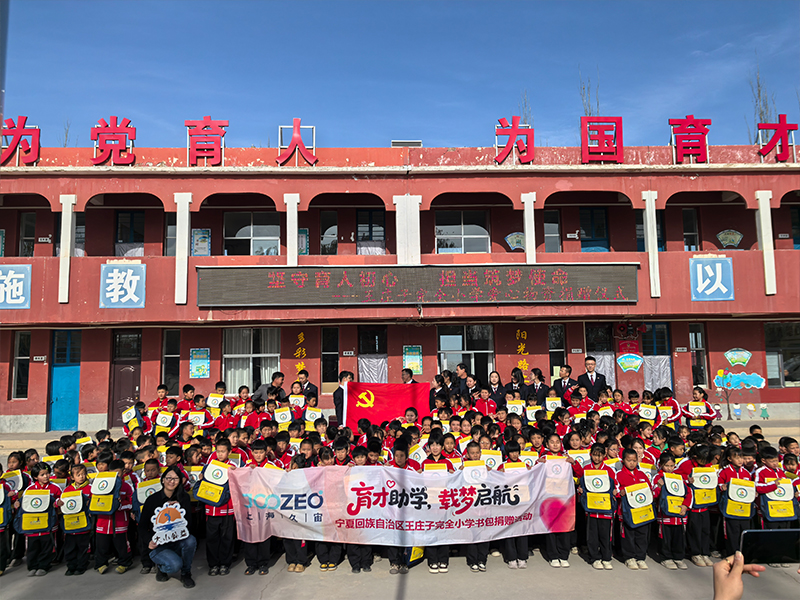
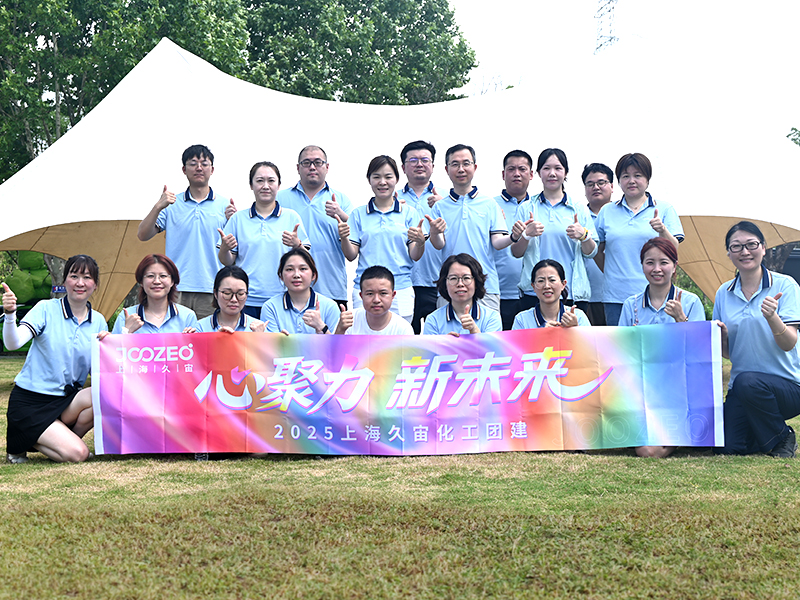
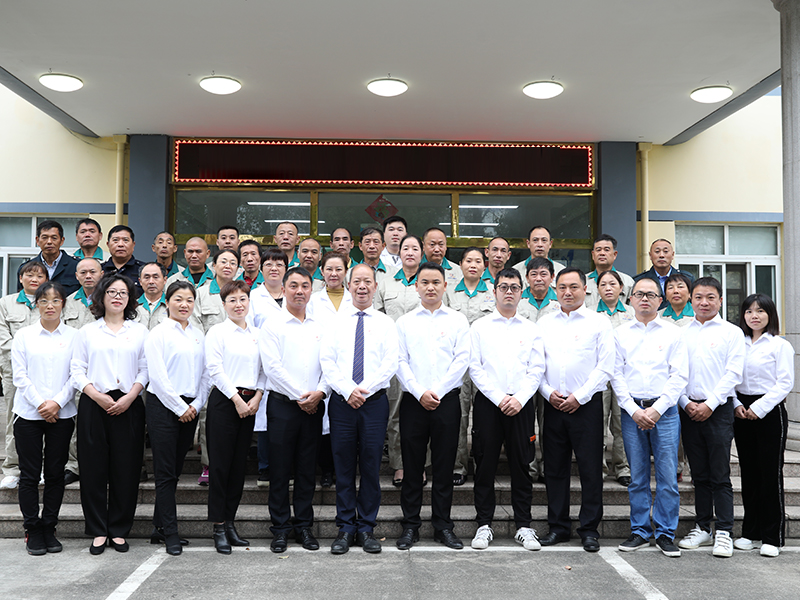
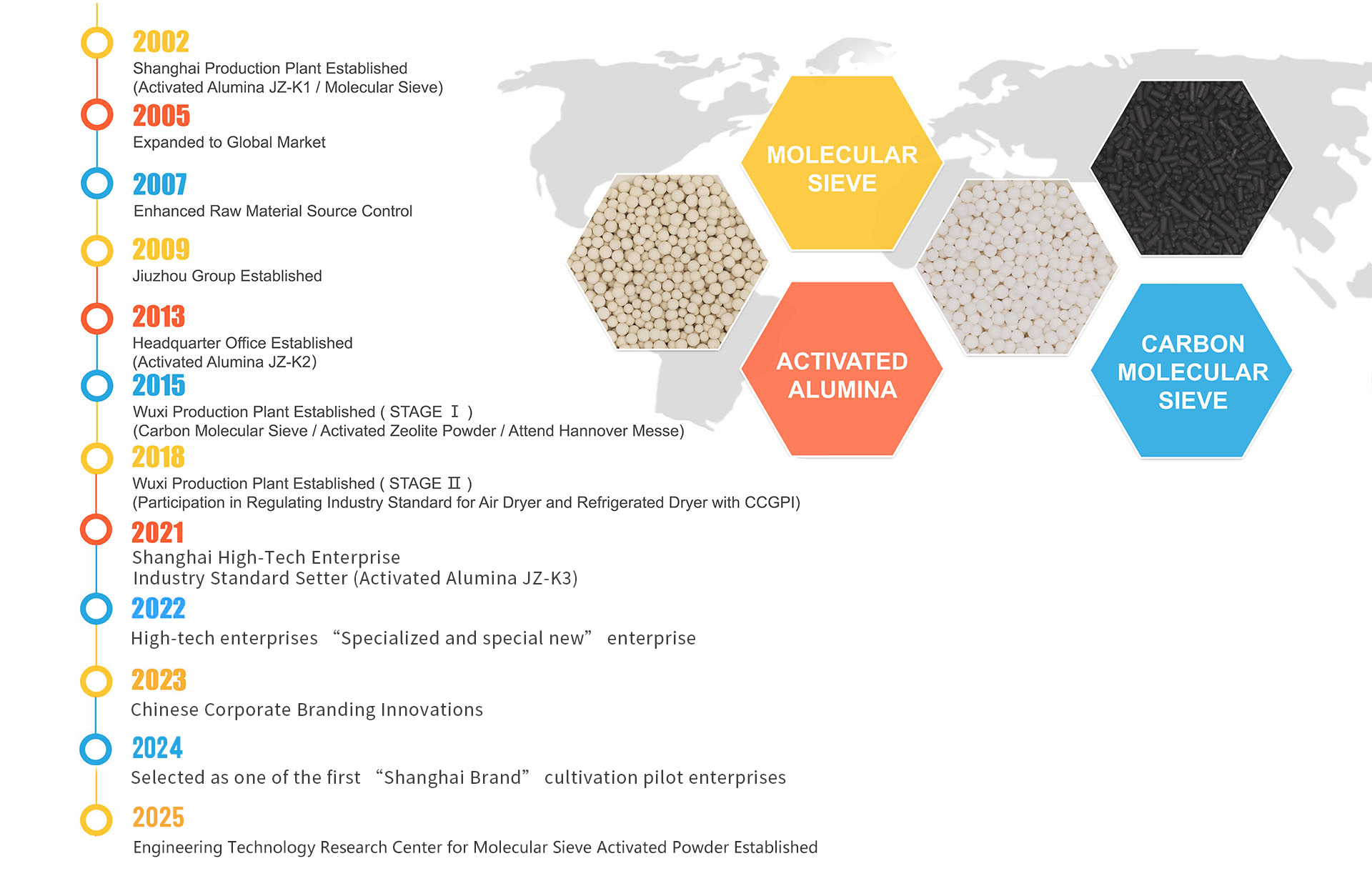
Shanghai Jiuzhou Chemicals Co., Ltd. is located in Shanghai, the largest economic development city in China. Over the years, Jiuzhou has adhered to the principles of "quality control and innovation," committing itself to the development, research, and manufacturing of high-quality chemical products. Our product catalog includes molecular sieve powders, molecular sieves, activated powder, activated alumina, aluminum oxide catalysts, various alumina packing materials, ceramic balls, sodium silicates, aluminum hydroxide, zeolite 4A, sodium carbonates, and SLES. All products have passed ISO9001: 2008 quality management certification, alongside TUV and SGS testing audits.
With a world-class research team and dynamic laboratories featuring advanced analytical instruments, Jiuzhou maintains industry-leading technical strength. We export our products globally, having established distribution networks in the United States, Southeast Asia, Japan, Europe, North and South America, and the Middle East. Through these channels, we provide our partners with customized services and energy-efficient adsorption solutions.
Providing direct answers to engineering challenges, material selection, and optimization queries.
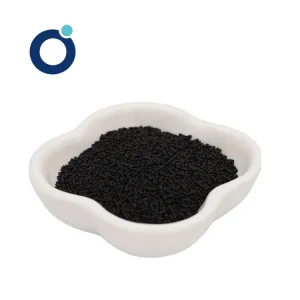
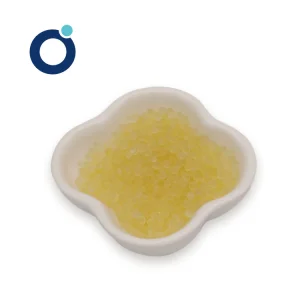
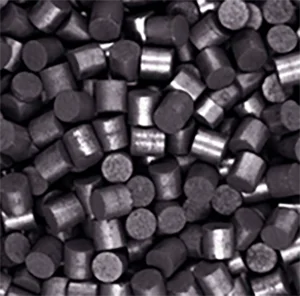
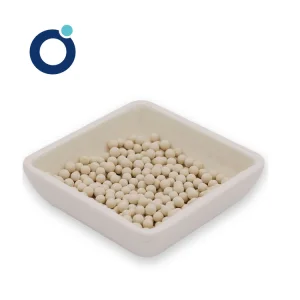
Explore our specialized range of molecular sieve powders, carbon sieves, silica gels, and custom formulations.
Consult with our chemical engineers for custom particle sizing, specifications, bulk orders, and technical quotes. We respond to all enquiries within 24 hours.
Send Request / Enquiry