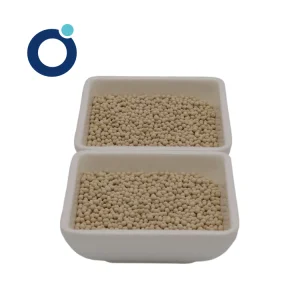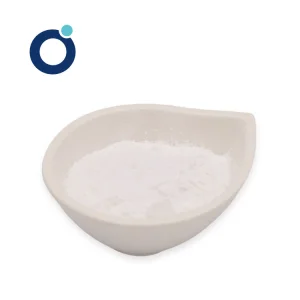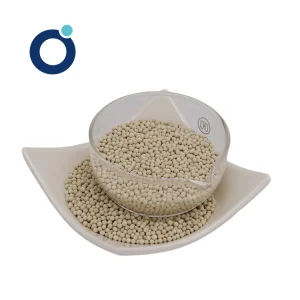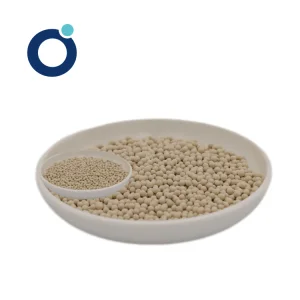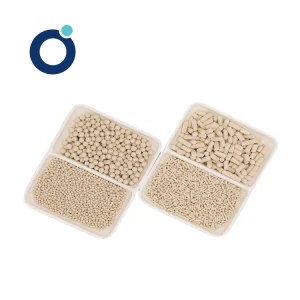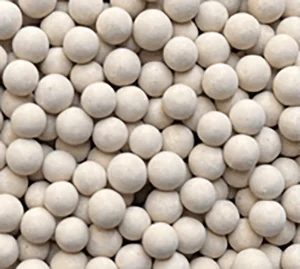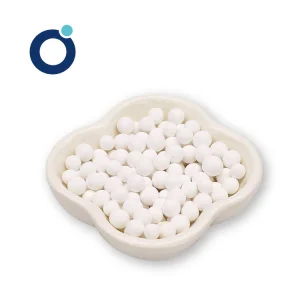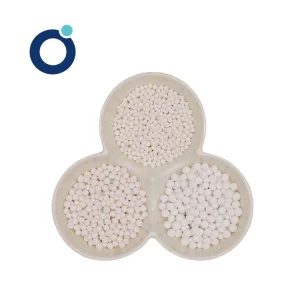
Direct procurement pathways for crucial molecular sieve models engineered to handle the rigorous natural gas processing and refinery workloads in Baku, Sumgait, and the wider Caspian basin.
Azerbaijan stands as the cornerstone of energy infrastructure in the South Caucasus, anchoring critical supply corridors like the Southern Gas Corridor (SGC) and exporting millions of barrels of crude oil through the Baku-Tbilisi-Ceyhan (BTC) pipeline. At the heart of this vast petrochemical matrix is the requirement for extreme gas purity. Moisture, acid gases, carbon dioxide, and sulfur species (mercaptans) threaten pipeline integrity and cryogenic separation safety. This is where high-affinity zeolites are indispensable.
The modernization programs currently sweeping through state refineries, such as the Heydar Aliyev Oil Refinery modernization project managed by SOCAR, have created a massive shift in procurement dynamics. Operating companies are increasingly moving away from restrictive regional supplier monopolies to embrace global manufacturing hubs that offer transparent chemical specifications, stable bulk capacity, and highly predictable mass-transfer characteristics.
By prioritizing thermodynamic stability, high crush strength, and optimal attrition resistance, Azerbaijani procurement managers can directly prevent bed degradation, minimize pressure drops, and extend thermal swing adsorption (TSA) cycle lifetimes from standard 2-year periods to upwards of 5 years.
Molecular sieve engineering is rapidly moving towards localized pore customization and synthetic crystal optimization to meet stricter energy standards and global zero-carbon policies.
Pore openings controlled down to fractions of an angstrom (e.g., 3Å, 4Å, 5Å, 10Å) to selectively exclude hydrocarbons while capturing polar water molecules with extreme kinetic efficiency.
Optimized thermal desorption thresholds that permit regeneration at lower temperatures, saving refineries up to 15% in utility costs for TSA process heaters.
Modified Zeolite 13X structure designs geared specifically for pre-combustion and post-combustion Carbon Capture, Utilization, and Storage initiatives.
From a global procurement standpoint, chemical engineers are recognizing that the total cost of ownership (TCO) of molecular sieves is not determined by initial capital expenditure, but by lifetime performance. Sieve formulations with low attrition rates protect downstream compressors from particulate dust carryover, preventing unscheduled shutdowns that can cost petrochemical facilities hundreds of thousands of dollars per day.
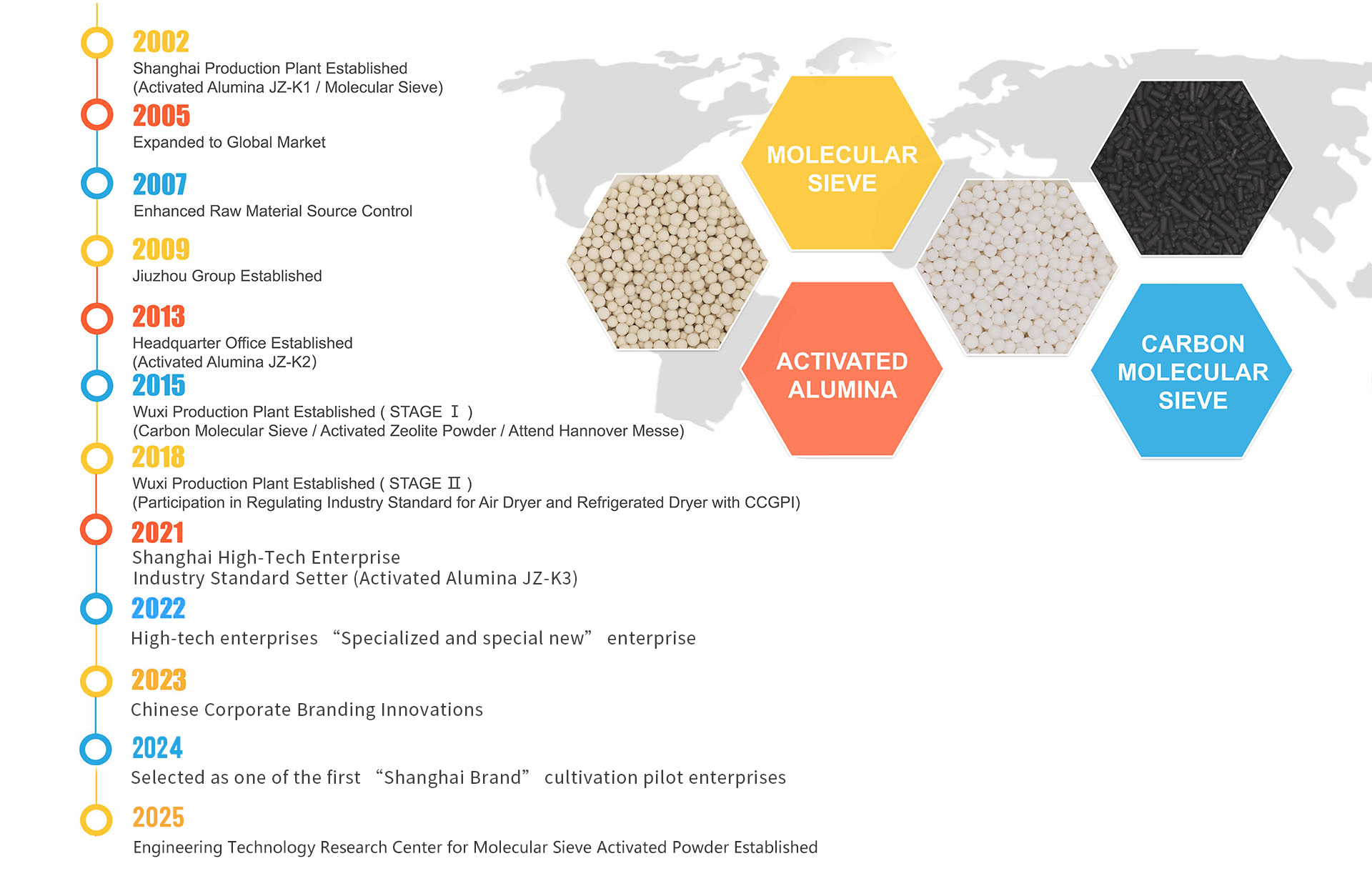
Shanghai Jiuzhou Chemicals Co., Ltd. (operating globally under the brand JOOZEO) is located in the key economic and manufacturing hub of Shanghai, China. Over decades of operation, Jiuzhou has consistently adhered to the twin principles of "quality control and continuous innovation," driving research and high-volume manufacturing of world-class adsorbents and catalytic materials.
Our comprehensive production portfolio spans synthetic molecular sieve powders, activated powders, molecular sieve beads, activated alumina, catalysts, and engineered packing balls. With fully integrated operations certified under the ISO9001: 2008 quality management system, and backed by international certifications from TUV & SGS, JOOZEO supplies reliable materials that consistently pass international laboratory checks.
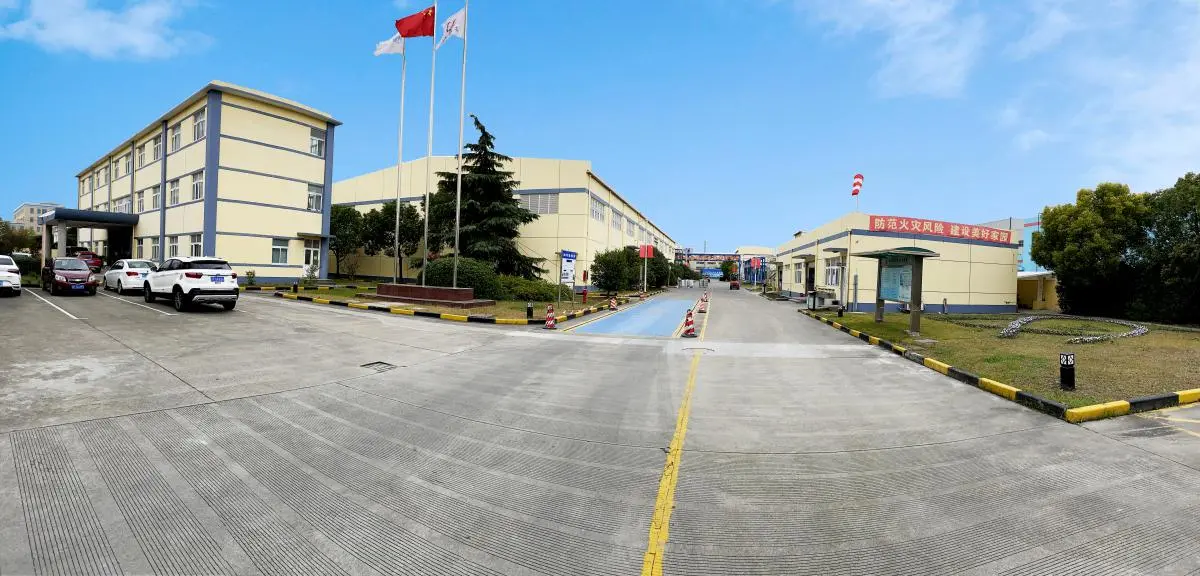
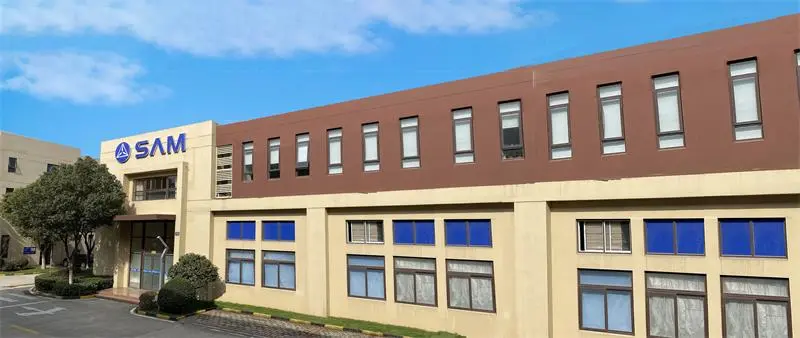
JOOZEO’s production capabilities are distributed across our advanced facilities in Shanghai and Wuxi. Operating under Factory 4.0 models, these facilities utilize automated dosing, calcination control, and real-time analytical loops to guarantee batch uniformity.
For Azerbaijani buyers, procuring from China Factory 4.0 offers key competitive advantages:
JOOZEO’s technology leaders actively participate in drafting and refining industrial standards for China's machinery and chemical industries, establishing high operational benchmarks globally.
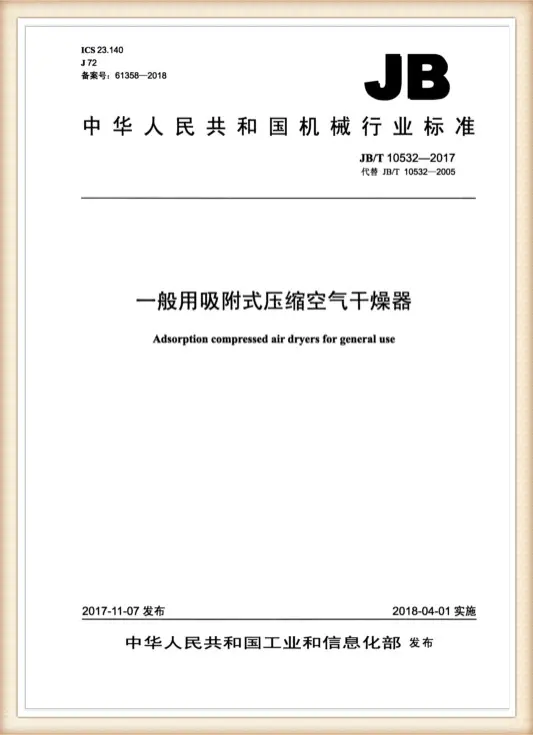
JB / T 10532-2017
Adsorption compressed air dryers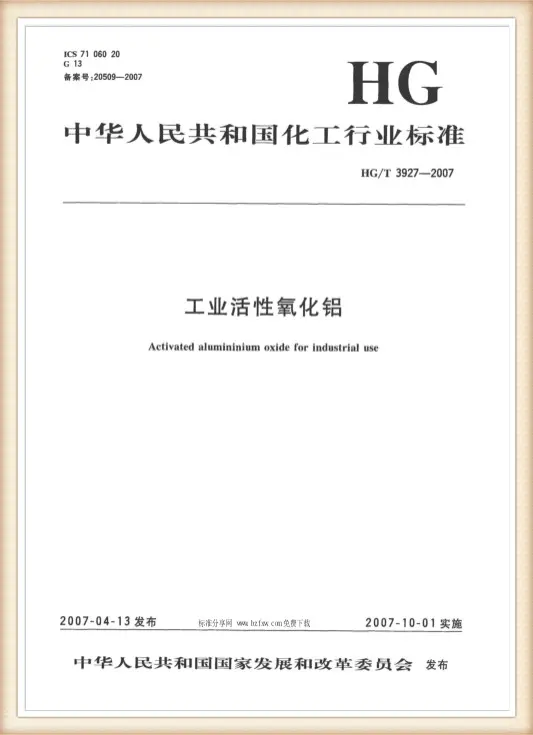
HG / T 3927-2007
Activated alumina for industrial use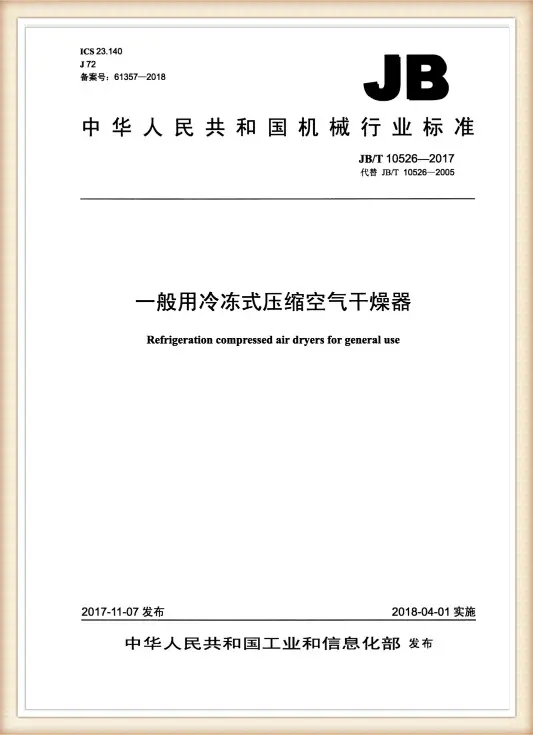
JB / T 10526-2017
Refrigeration compressed air dryers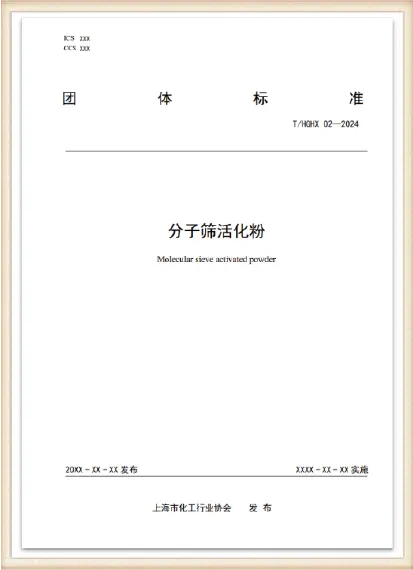
T/CGMA1201-2024
Adsorbent Safety Standards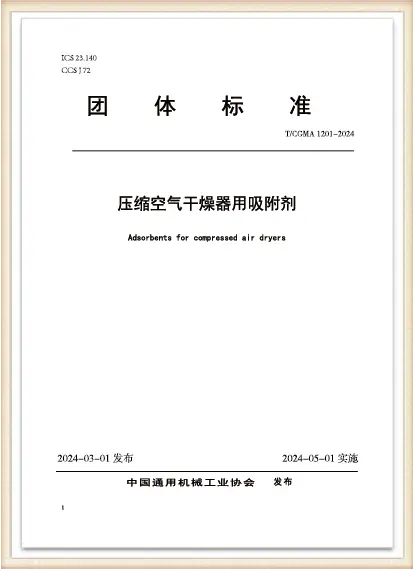
T/HGHX 02—2024
Synthetic Zeolite Protocols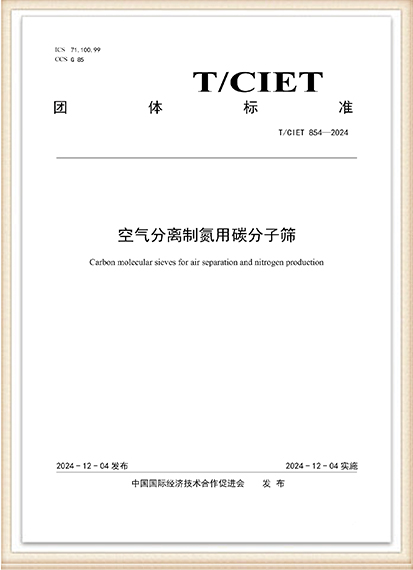
T/CIET 854-2024
Environmental Adsorption criteriaOur molecular sieves are custom-configured for the regional conditions found in the Caspian Sea basin. High relative humidity during certain seasons, combined with variable trace contaminants in associated gas streams, demands robust adsorbent beds.
JOOZEO designs products that reduce gas emissions, lower energy requirements in process regeneration, and support cleaner industrial air. Environmental stewardship is baked directly into our manufacturing processes.
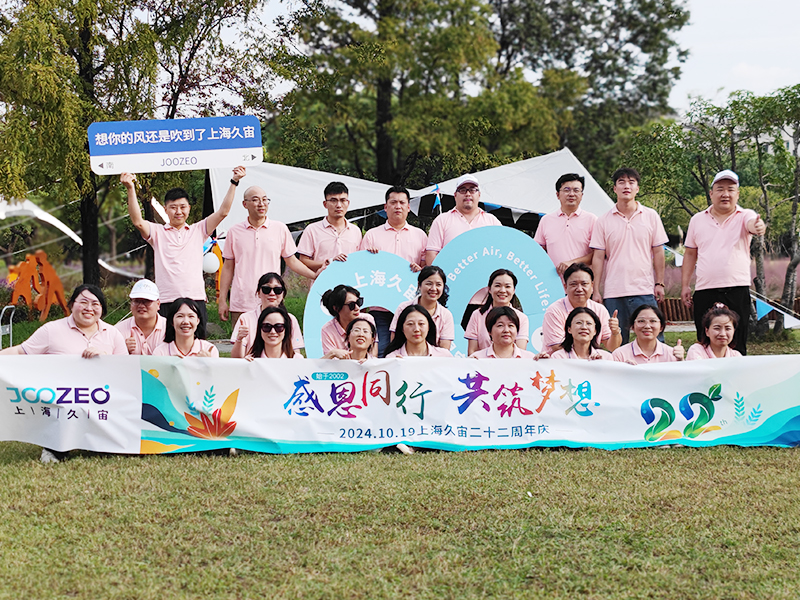
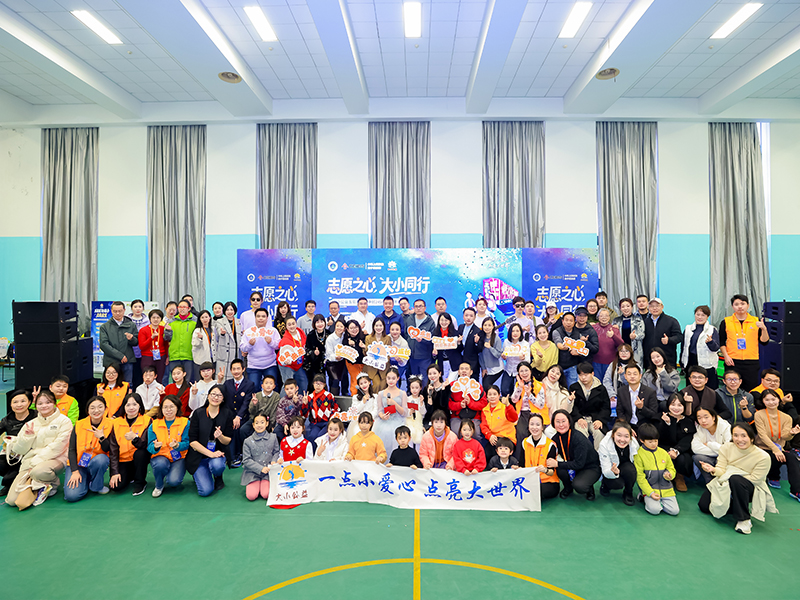
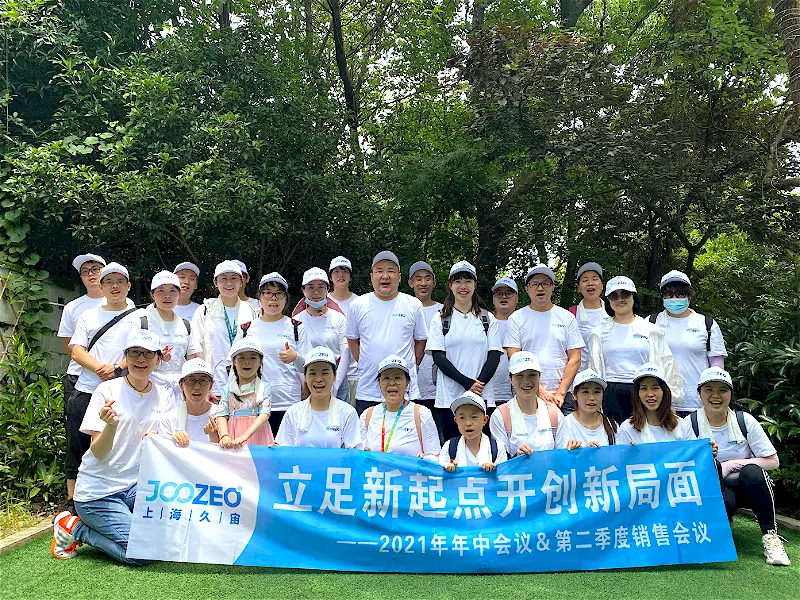
Browse our certified range of molecular sieve powders, desiccants, and catalytic adsorbents engineered to international benchmarks.
Find quick answers to common technical queries and supply chain workflows regarding JOOZEO's industrial molecular sieves.
Generally, we recommend Molecular Sieve 4A (such as JZ-ZMS4) for standard natural gas dehydration where co-adsorption of hydrocarbons must be prevented. If gas contains heavy mercaptans or requires simultaneous H2S and CO2 removal, Molecular Sieve 5A (JZ-ZMS5) or Molecular Sieve 13X is preferred. Our technical team works directly with your engineers to analyze feedstock composition before recommending specific types.
JOOZEO has a dedicated quality control system. Every batch of molecular sieves is tested for static water adsorption capacity, bulk density, crush strength, and attrition rate before leaving our Shanghai and Wuxi factories. All products are manufactured in compliance with ISO9001:2008 and receive third-party verification from TUV and SGS.
Under normal operating conditions and with proper feed gas pre-treatment (such as liquid coalescing filters to prevent oil poisoning), our premium molecular sieves typically last between 3 to 5 years (multiple regeneration cycles). Their high mechanical crush strength minimizes premature dusting and bed compaction.
Shipments to Baku, Azerbaijan are typically routed via two primary paths: rail freight through Central Asia directly to Alat port, or sea freight to Black Sea ports (such as Poti or Batumi) followed by rail transit to Baku. Typical transit times range from 25 to 45 days, depending on route selection and customs processing times.
Yes, we provide technical documentation and advice on proper loading procedures (such as dense-phase loading) to prevent particle attrition and ensure even gas flow distribution across the adsorption bed. We can also provide startup guidance and operational parameters for heating and cooling cycles.
Get in touch with our technical sales team for tailored chemical specifications, customized sizing, and competitive price quotes delivered within 24 hours.
Send Inquiry Now