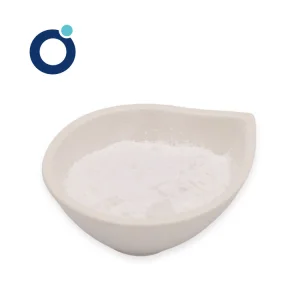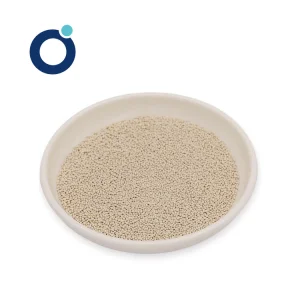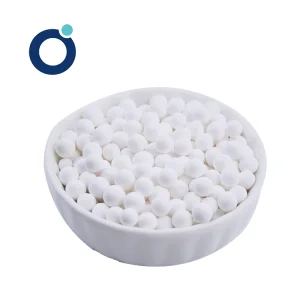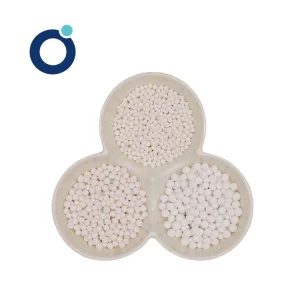
Discover our leading series of engineered molecular sieves, premium sodium silicates, and custom-formulated adsorbents manufactured under rigorous quality control standards.
As global industries transition toward carbon-neutral operations, clean energy systems, and high-efficiency purification, the market for activated molecular sieves is witnessing a major transformation. Traditional desiccant materials are increasingly replaced by synthetically designed, crystalline zeolites that offer high selectivity, excellent mechanical integrity, and reliable regeneration capacity.
Today, the key industry drivers focus on the optimization of process kinetics. With the emergence of green hydrogen production, carbon capture, utilization, and storage (CCUS) technologies, and ultra-low dew point air drying applications, the requirement for custom-tailored pore configurations has surged. From 3A, 4A, 5A, to 13X crystalline lattices, each type is meticulously engineered to achieve specific molecular discrimination, which prevents co-adsorption and optimizes dynamic gas flow.
Furthermore, sustainability has penetrated the chemical manufacturing supply chain. Global procurement offices are no longer just looking at immediate performance metrics; they are closely examining the lifecycle footprint of the materials. Adsorbents that operate under lower thermal swing regeneration (TSA) or pressure swing adsorption (PSA) temperatures are highly preferred, as they contribute directly to reducing corporate Scope 1 emissions.
For chemical process designers and global procurement professionals, securing the correct activated molecular sieve requires analyzing parameters that go beyond basic size and shape. To achieve optimal performance and minimize the Total Cost of Ownership (TCO), several crucial properties must be verified:
Shanghai Jiuzhou Chemicals Co., Ltd. is located in China's major economic development hub, Shanghai. Over the years, Jiuzhou has consistently adhered to the core operating principles of "Quality Control & Continuous Innovation." We are deeply committed to the research, development, engineering, and manufacturing of premium, high-performance chemical products.
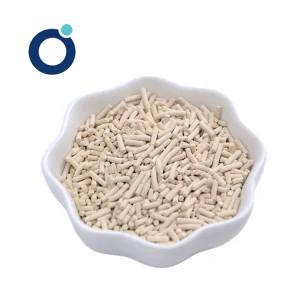
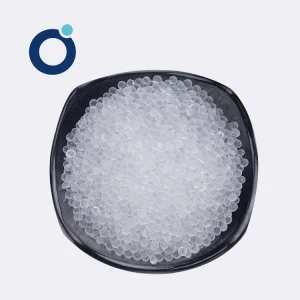
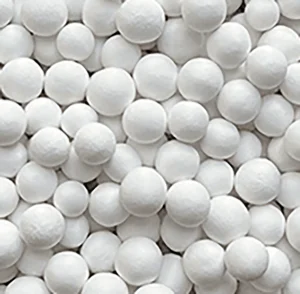
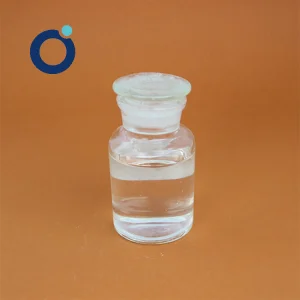
Our comprehensive catalog includes various molecular sieve powders, activated molecular sieves, activated powder, activated alumina, aluminum oxide catalysts, premium alumina packing materials, ceramic support balls, liquid and powdery sodium silicates, aluminum hydroxide, zeolite 4A, sodium carbonates, and SLES.
All our manufacturing complexes operate under the ISO 9001:2008 quality management system certification and hold verification from world-renowned inspection bodies including TUV & SGS.
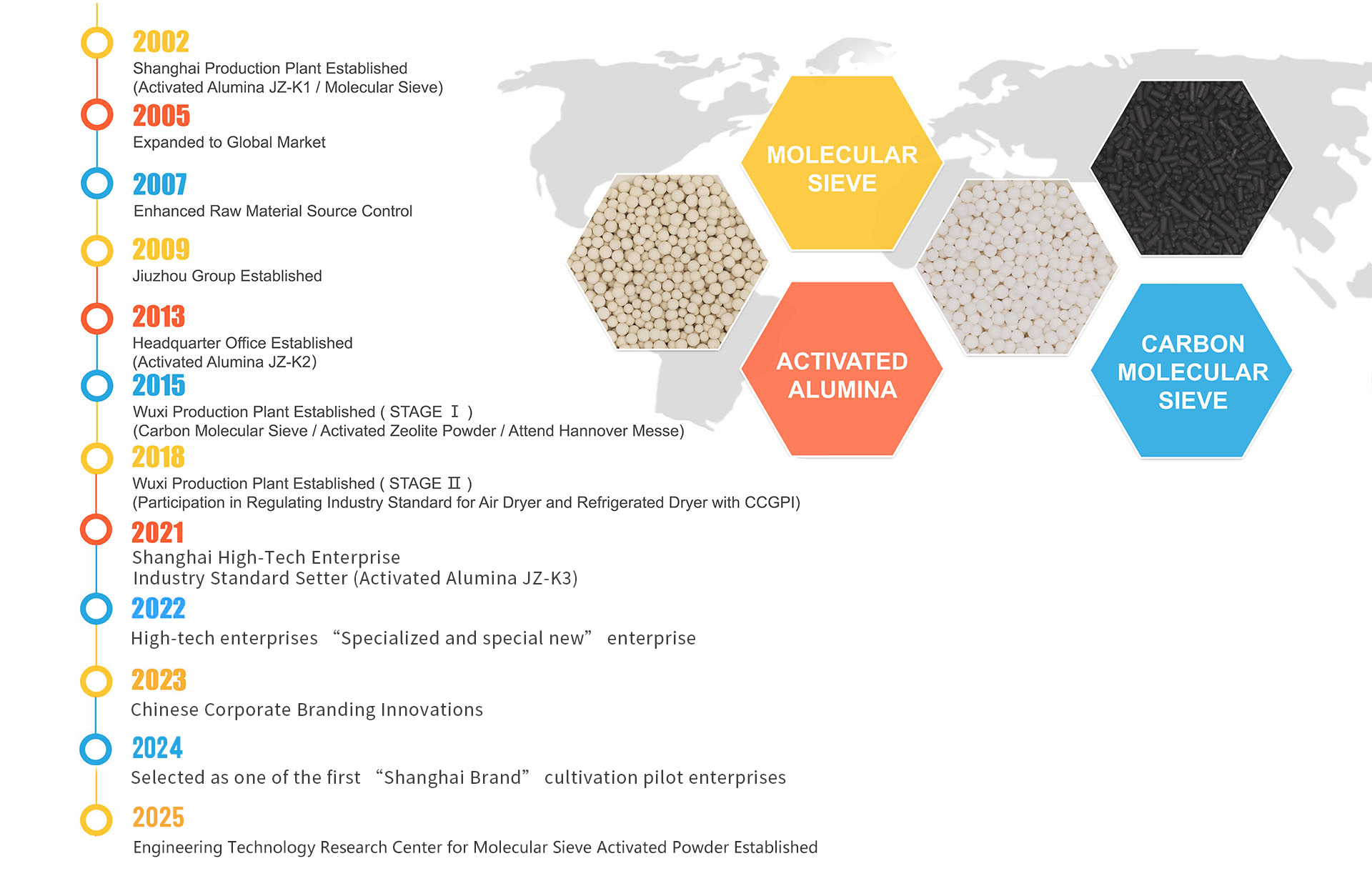
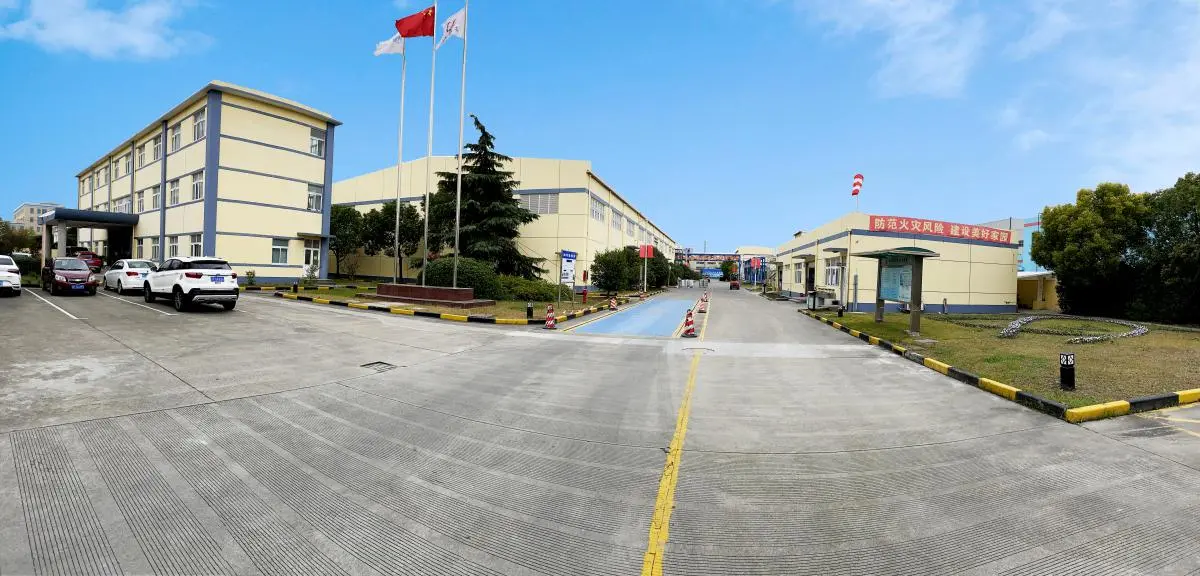
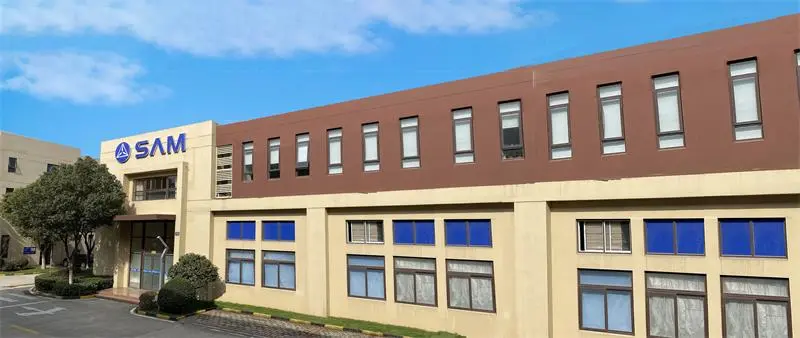
As a pioneer in adsorption technology, Shanghai Jiuzhou Chemicals actively participates in establishing and revising national and industrial standards for molecular sieves and desiccants.
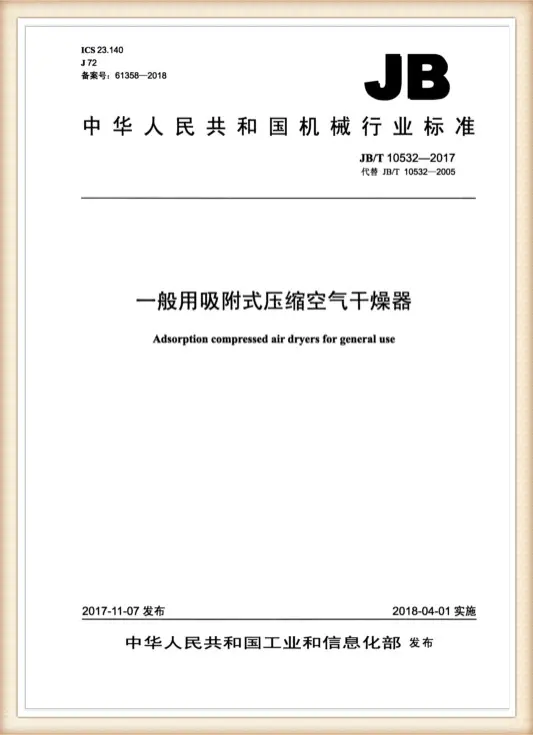
Adsorption compressed air dryers for general use
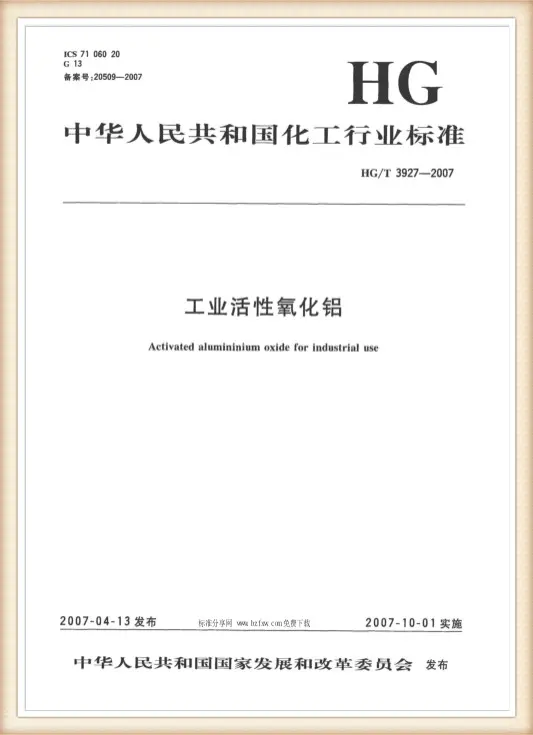
Activated aluminum oxide for industrial use
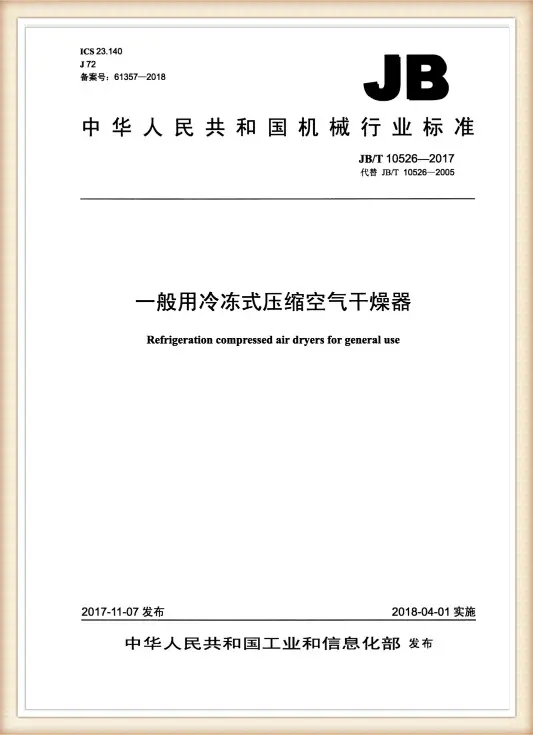
Refrigeration compressed air dryers for general use
Industry application standards and compliance protocols
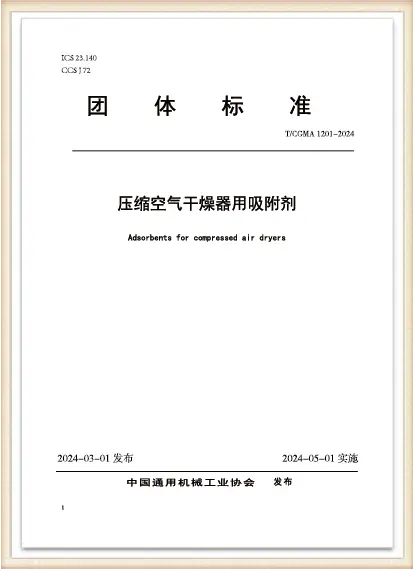
Adsorbent chemical composition testing guidelines
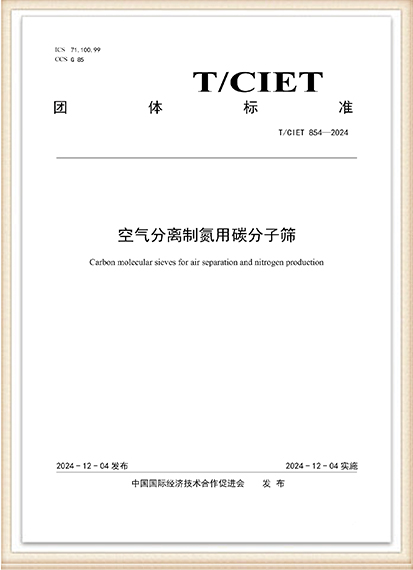
Green development criteria for chemical adsorbents
During steam cracking processes to produce ethylene, moisture trace levels must be controlled to prevent downstream catalyst poisoning and freezing in cold distillation columns. Our custom-designed 3A molecular sieves exclude larger hydrocarbons like ethylene, propylene, and butadiene, selectively co-adsorbing only water molecules. This prevents critical green oil formation and maximizes production cycles.
Natural gas processing plants require extremely low water content levels (typically less than 0.1 ppmv) to prevent hydrate crystallization in cryogenic heat exchangers. Our robust molecular sieves handle high concentration inlet gases, offering high dynamic capacity for water, carbon dioxide, and sulfur compound removal. They are optimized to perform efficiently in heavy hydrocarbon feeds.
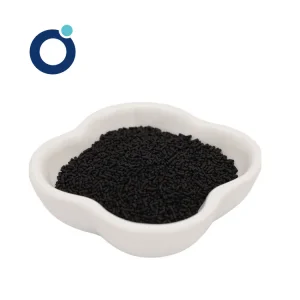
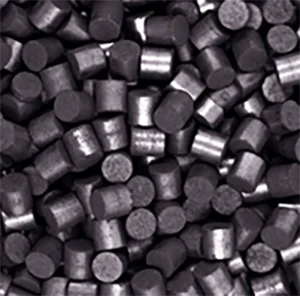
In Pressure Swing Adsorption (PSA) or Vacuum Pressure Swing Adsorption (VPSA) systems, nitrogen and carbon molecular sieves are key to generating high-purity nitrogen and oxygen. JOOZEO supplies highly porous, synthetically controlled zeolites that ensure rapid mass transfer and high kinetic selectivity, significantly lowering operating costs for industrial gas producers.
Condensation or fogging inside double-pane glass structures degrades performance and reduces product service life. Our 3A molecular sieve beads feature low gas adsorption properties (preventing deflection from nitrogen or air adsorption under temperature swings) while offering high affinity for moisture, maintaining IGU dryness for decades.
Better air, Better life
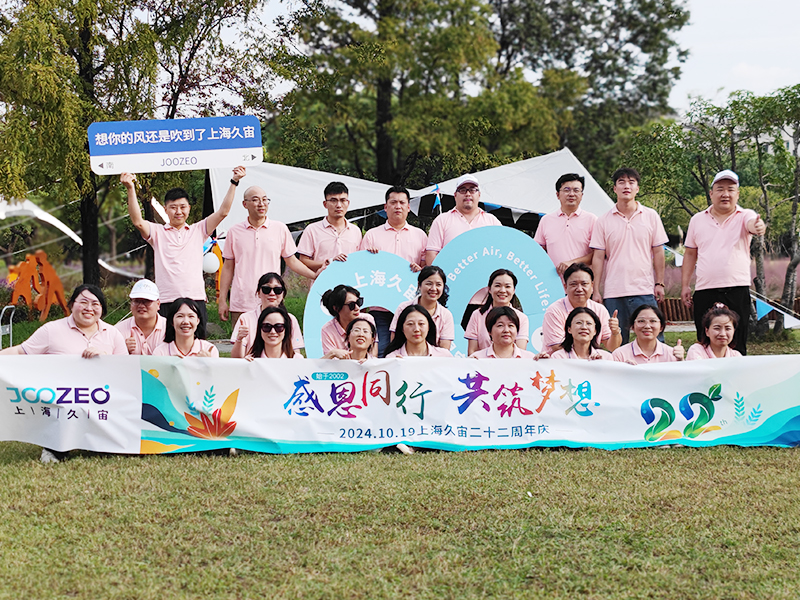
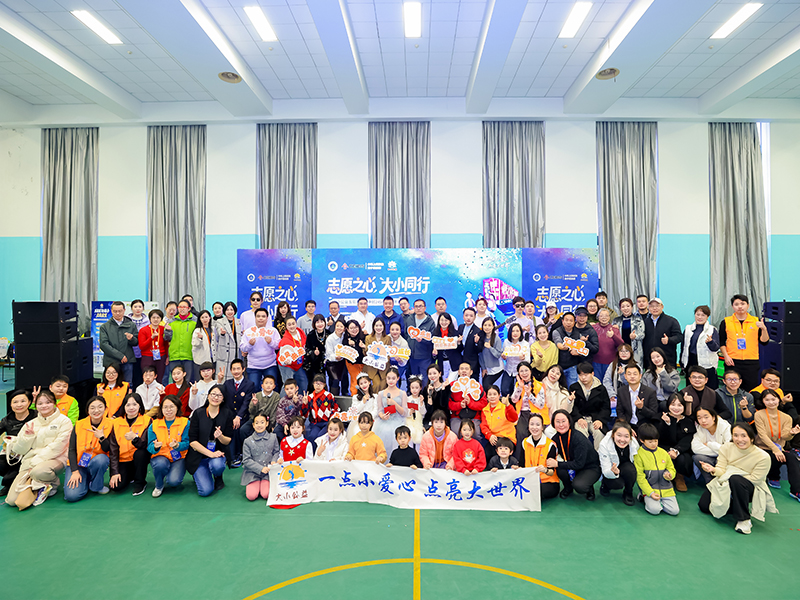
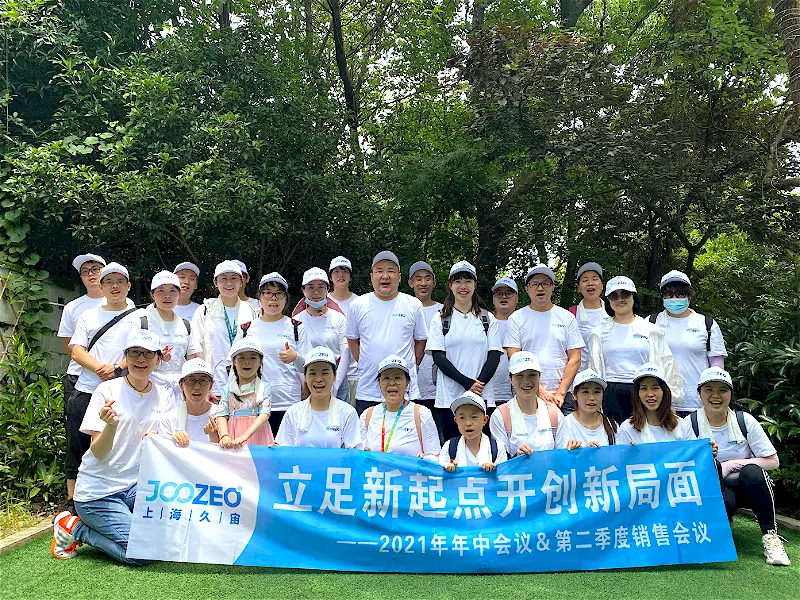
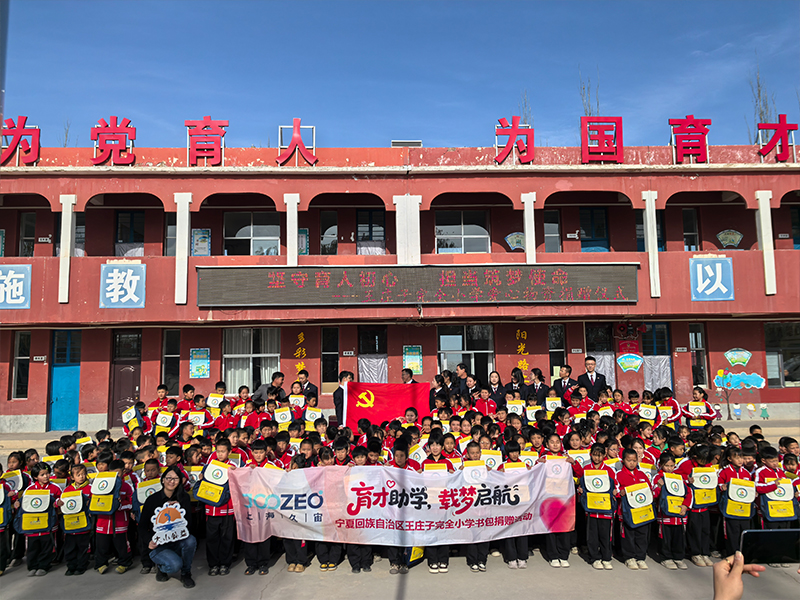
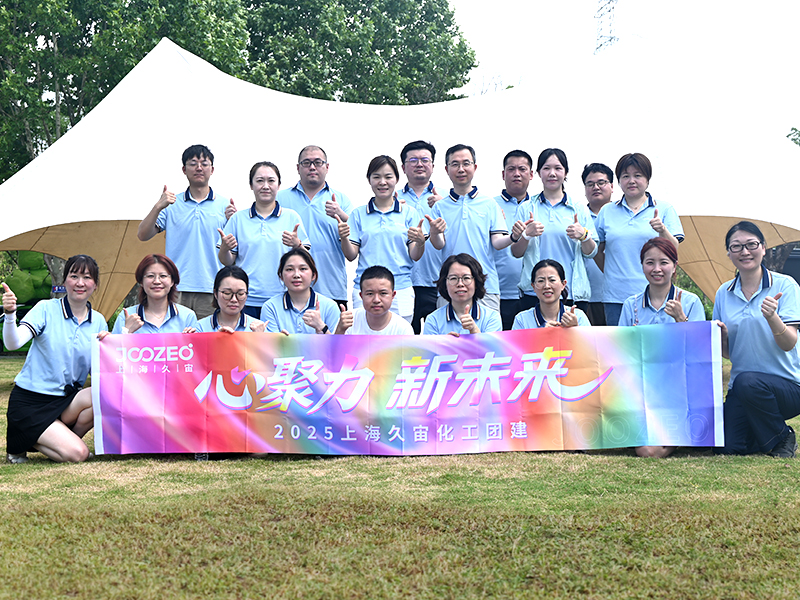
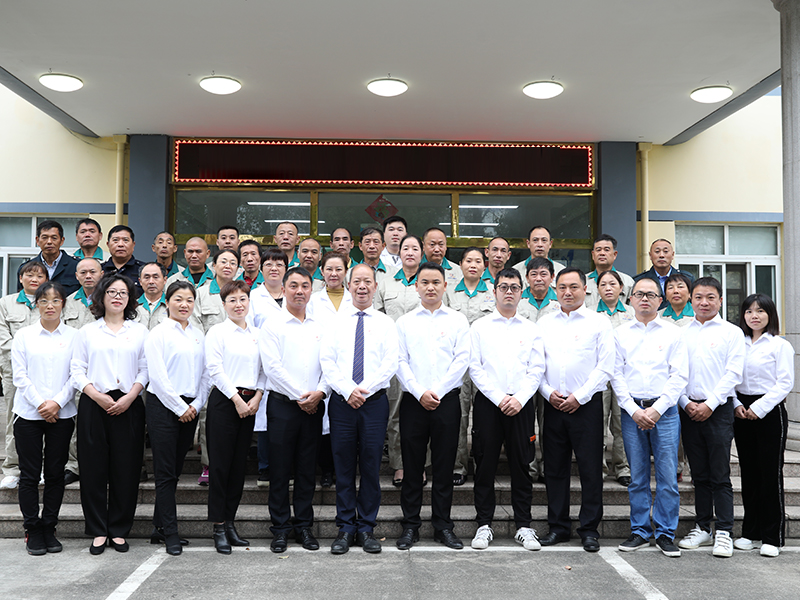
Jiuzhou's technical expertise and industry reputation make us a trusted name in desiccant technologies. Our operations feature automated, multi-functional production lines and a central testing facility housing dynamic analysis instruments. We maintain a reliable distribution network spanning the United States, Southeast Asia, Japan, Europe, Central and South America, and the Middle East, delivering high-performance, cost-effective adsorption systems worldwide.
The future of adsorption technology lies in structural customization at the sub-nanometer scale. Jiuzhou’s research division is actively developing next-generation adsorbents designed to address demanding process conditions:
In today's complex international trading environment, compliance is a core pillar of supply chain resilience. Jiuzhou ensures all processes meet global chemical safety standards:
REACH & RoHS Compliance: Our product catalog complies with EU REACH regulations and RoHS directives, guaranteeing the absence of restricted hazardous chemicals. Additionally, we follow FDA food-grade regulations for items deployed in pharmaceutical packaging and food storage systems.
Our raw materials are sourced from verified global suppliers to prevent sudden supply chain disruptions. With large-scale storage facilities located near major transport corridors, we maintain safe inventory reserves to guarantee consistent, on-time delivery even during market volatility.
Technical answers to key questions asked by engineers and procurement specialists.
From carbon molecular sieves for nitrogen generation to activated alumina for water treatment, we supply high-performance solutions engineered for demanding process environments.
Have questions about technical specifications, pricing, or custom formulation options? Get in touch with our team of engineers. We respond within 24 hours.
Send Request