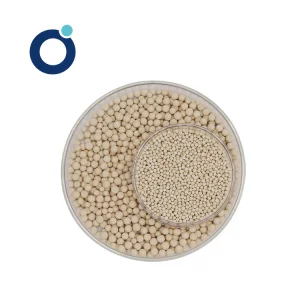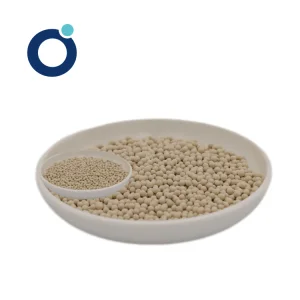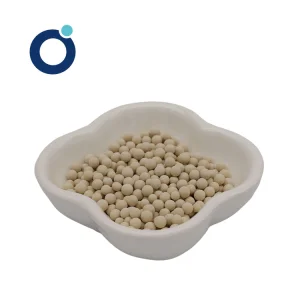
Discover our comprehensive range of high-efficiency molecular sieves, activated alumina, and catalyst supports manufactured to stringent ISO 9001:2008 standards.
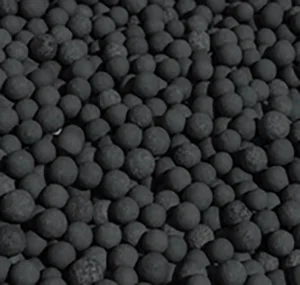
Carbon Molecular Sieve (CMS) is the core operational adsorbent utilized in Pressure Swing Adsorption (PSA) nitrogen generators. Unlike traditional zeolites that separate gases based on thermodynamic affinity, CMS separates gas components through **kinetic rate differentiation**. This process relies heavily on the ultra-precise tailoring of micro-pores within the carbon matrix, typically sized between 0.28 to 0.3 nanometers.
Oxygen molecules, possessing a kinetic diameter of 0.346 nm, diffuse into these tailored micro-pores significantly faster than Nitrogen molecules, which have a kinetic diameter of 0.364 nm. When compressed air is introduced to the CMS adsorption bed under pressure, oxygen, carbon dioxide, and water vapor are preferentially trapped inside the carbon pores, allowing high-purity nitrogen to flow through as the product gas stream. Once the adsorption bed reaches saturation capacity, the system depressurizes, releasing the adsorbed oxygen to regenerate the CMS bed for the subsequent cycle.
Oxygen diffuses hundreds of times faster than nitrogen, maximizing adsorption kinetics and minimizing footprint.
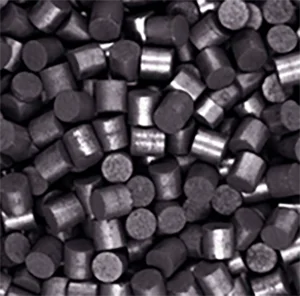
Synthesized with select coal and polymer materials to achieve exceptional bulk density and mechanical crush strength.
Optimal desorption rates allow cycle switching times as short as 60 seconds, lowering overall compressed air consumption.
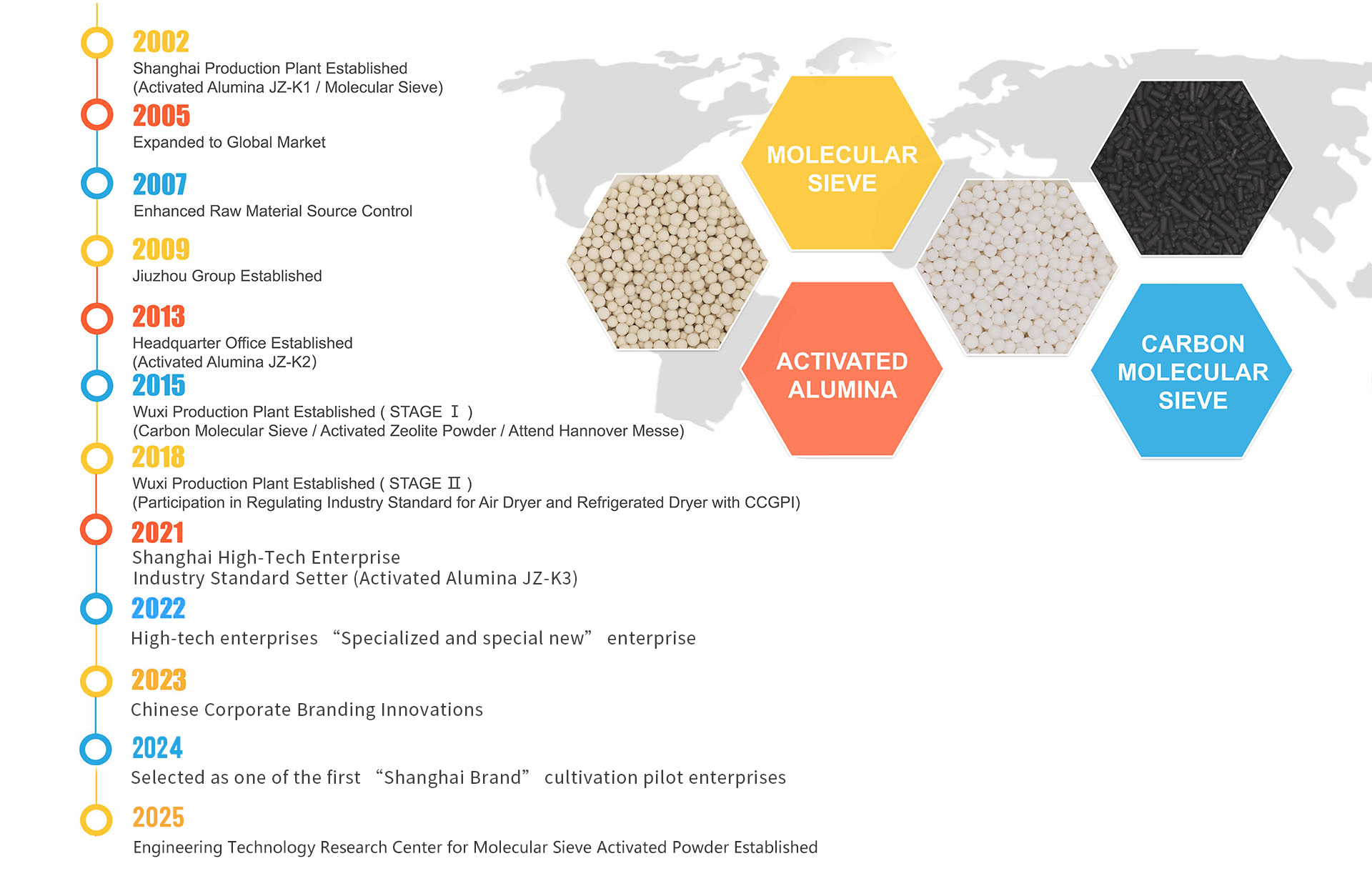
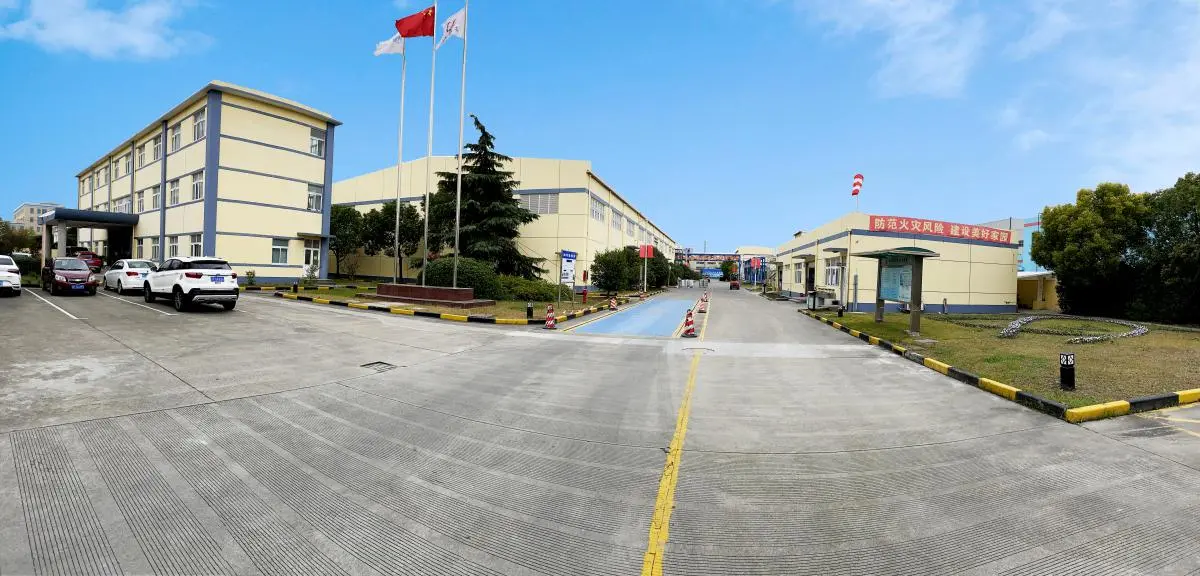
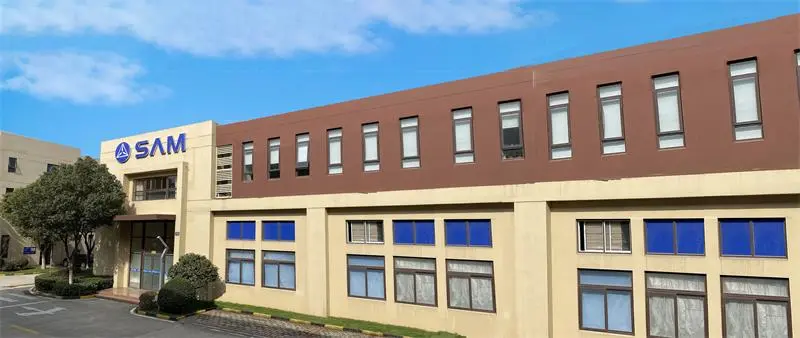
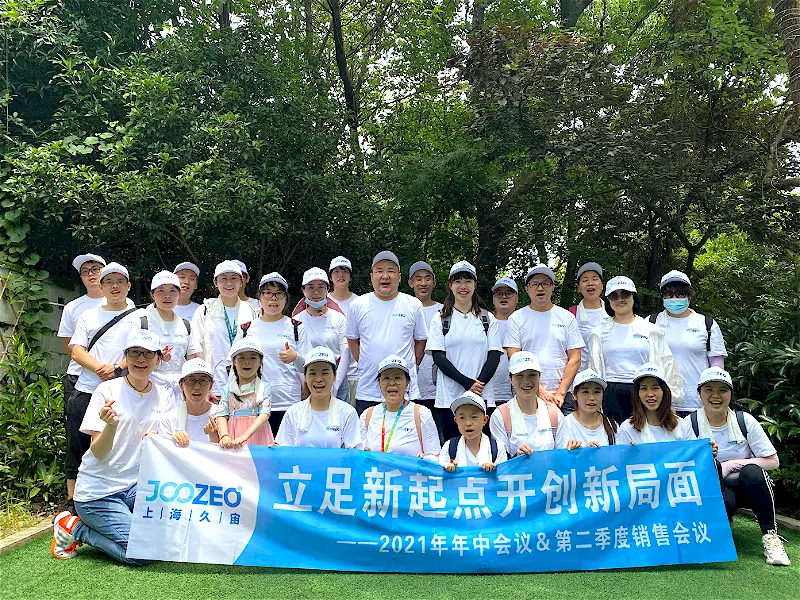
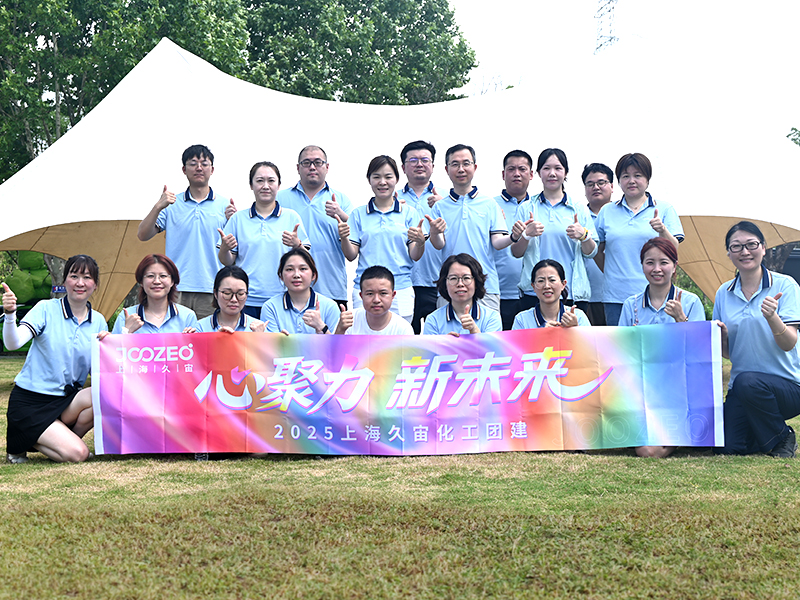
Shanghai Jiuzhou Chemicals Co., Ltd. is located in the key economic hub of Shanghai. Over the years, Jiuzhou has consistently adhered to the core principles of "Quality Control & Innovation", dedicating itself to the engineering, manufacture, and deployment of premium molecular sieves, activated alumina, catalysts, and auxiliary packing components.
Operating automated multi-functional production facilities in both **Shanghai** and **Wuxi**, Jiuzhou is backed by global quality certifications including ISO9001:2008, TUV, and SGS. Our products power high-performance systems in over 80 countries, delivering customized, eco-efficient chemical adsorption solutions.

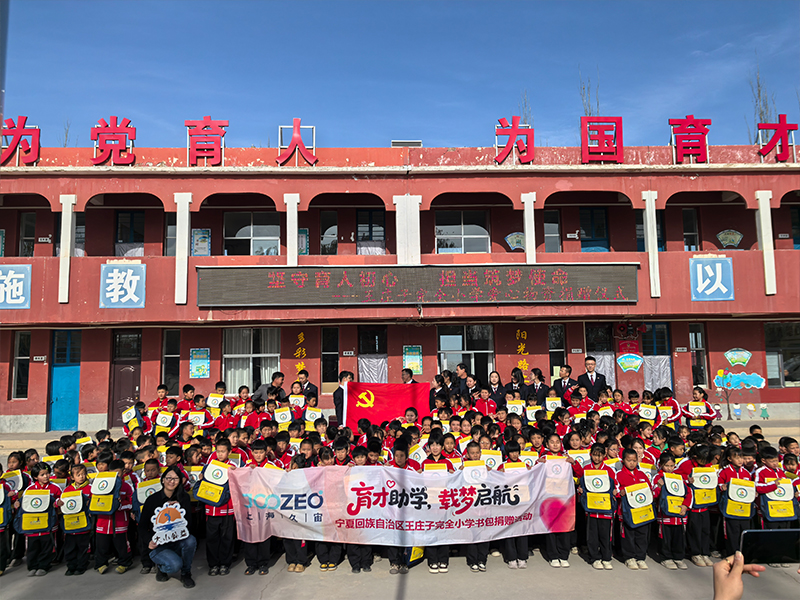
Jiuzhou is actively invested in dynamic green supply chains, carbon reduction solutions, and clean air filtration technologies. We believe chemical manufacturing should contribute directly to environmental preservation.
Why leading global gas engineering firms rely on China's manufacturing ecosystems for high-efficiency adsorbent sourcing.
Chinese manufacturers operate within integrated industrial parks, sourcing select precursors and polymers locally. This geographical proximity reduces transit costs, stabilizes pricing, and mitigates overseas shipping blockages.
By employing multi-stage rotary kilns with computerized temperature profiles, Chinese manufacturers precisely manage the carbonization and activation rates of the raw materials, securing high yield rates of high-performance nitrogen CMS grades.
Highly optimized processes and automated high-throughput manufacturing lines yield cost structures that pass substantial savings directly to system packagers, engineering firms, and end-users.
As an active standard setter, Jiuzhou produces materials that fully conform to local, national, and international engineering criteria.
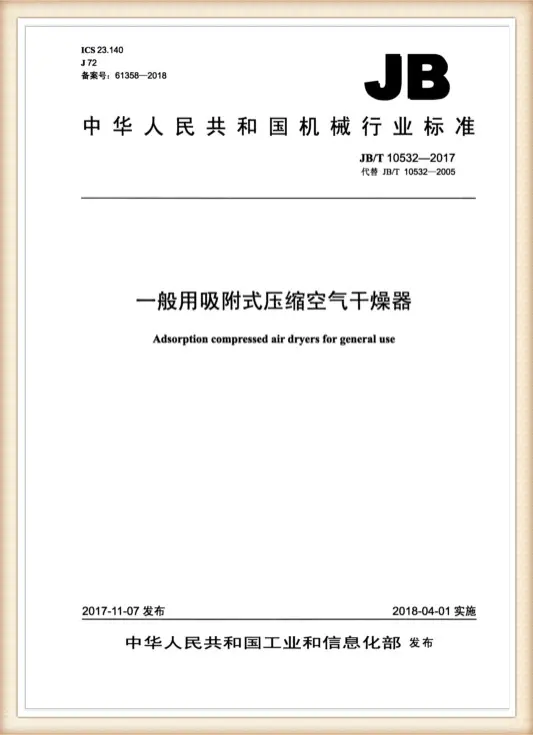
JB / T 10532-2017
Adsorption compressed air dryers for general use
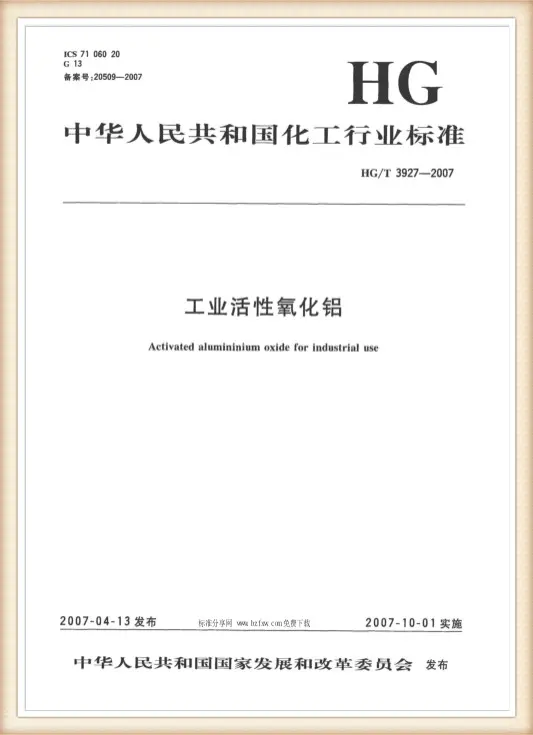
HG / T 3927-2007
Activated aluminum oxide for industrial use
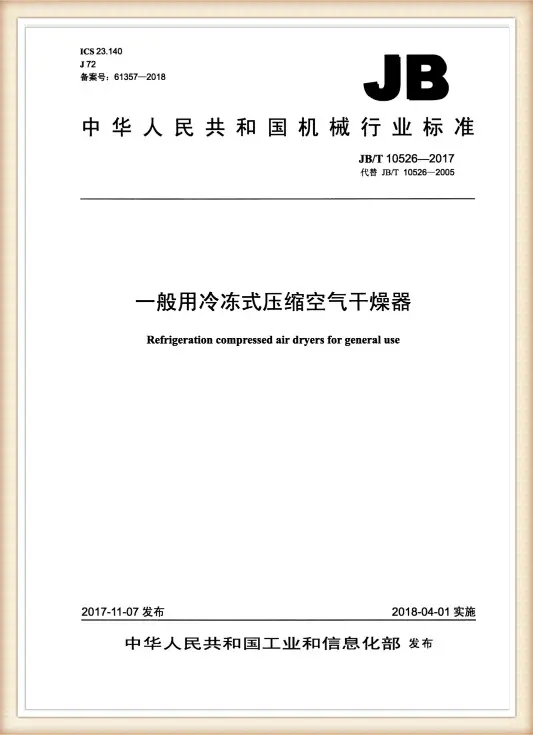
JB / T 10526-2017
Refrigeration compressed air dryers for general use
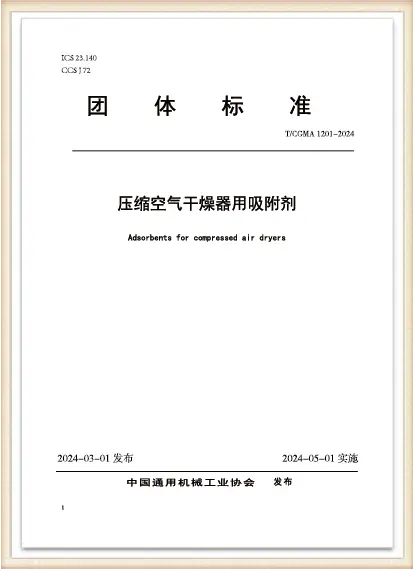
T/CGMA 1201-2024
Industrial standard framework
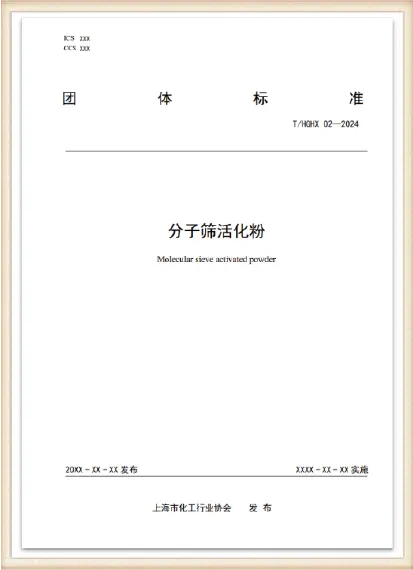
T/HGHX 02—2024
Chemical standards association
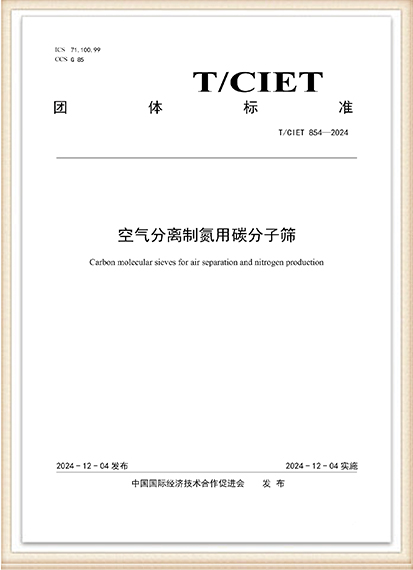
T/CIET 854-2024
Quality certification standard
Carbon Molecular Sieve functions as a critical processing component across diverse sectors, ensuring high safety margins, process control, and optimal product shelf life.
In refineries and onshore drilling operations, high-purity nitrogen blanketing is used to stabilize storage tanks and processing pipelines. By excluding oxygen, CMS-driven PSA plants prevent accidental combustion of hydrocarbons and limit the rate of oxidative pipeline corrosion.
Ultra-fine pitch Surface Mount Technology (SMT) and semiconductor packaging demand oxygen-free environments to prevent copper track oxidation at elevated soldering temperatures. Our high-efficiency CMS ensures a constant nitrogen purge of 99.999% purity.
For fresh food, pharmaceutical intermediates, and agriculture shipping containers, nitrogen purging acts as a non-chemical preservative. Displacing oxygen stops aerobic bacterial replication and lipid oxidation, significantly extending global supply chain reach.
Decarbonization, performance elevation, and operational automation are steering modern molecular sieve innovations.
Historically, producing a unit of high-purity nitrogen required high input volumes of compressed air, driving up compressor power demands. The latest iterations of CMS leverage optimized pore channels that enable higher $N_2$ recovery rates. This means smaller compressors can be utilized, drastically lowering baseline energy consumption.
Traditional CMS beds are prone to mechanical degradation and dust formation over years of cyclical pressure shifts. Innovation in polymeric binder matrices has led to CMS particles with superior crush strength (typically above 85N/particle), ensuring physical integrity for over 8-10 years under stable operating conditions.
Modern gas generator designs pair Carbon Molecular Sieve directly with high-surface-area activated alumina and 3A/4A zeolite molecular sieves. This multi-layer bed structure dynamically strips humidity, trace oils, and acid impurities prior to contact with the primary CMS bed, protecting the sensitive micro-pores from pore blockage.
To secure accurate quotes and select the correct CMS grade for your project, procurement engineers should evaluate several physical and chemical properties:
| Performance Metric | Typical Value / Range | Significance in Operation |
|---|---|---|
| Purity Level | 95% to 99.999% | Dictates gas application options (ranging from simple laser cutting to strict semi-conductor standards). |
| Nitrogen Yield ($N_2$/h.t) | 150 - 320 $m^3$/h per Metric Ton | Determines total adsorbent volume and vessel dimensions needed to meet target production rates. |
| Crush Strength | ≥ 75 - 95 N / Particle | Limits particle fracturing, settling, and attrition dust during system pressure swings. |
| Bulk Density | 0.64 - 0.72 g/ml | Impacts target pack density and prevents fluidization/channeling under high air velocities. |
| Residual Water Capacity | ≤ 1.0 % wt | Ensures the material arrives dry and ready for immediate loading. |
Answers to technical and commercial inquiries regarding operational lifetimes, system maintenance, and international shipping.
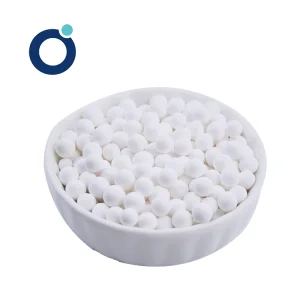
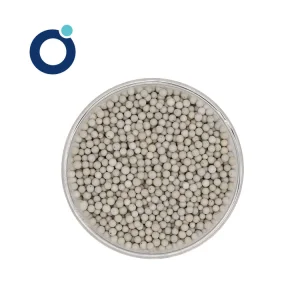
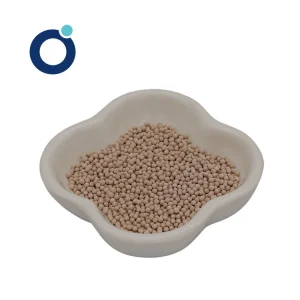
Complete your systems with premium desiccants, silica gels, ceramic support balls, and specialty molecular sieve formulations.
Connect with our technical support and chemical engineering department. We evaluate system parameters, design specific adsorption configurations, and supply detailed quotations within 24 hours.
Send Request