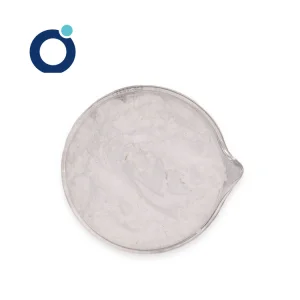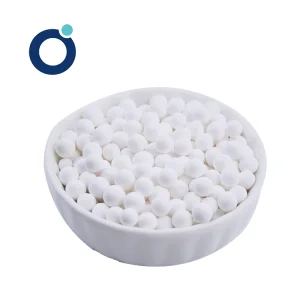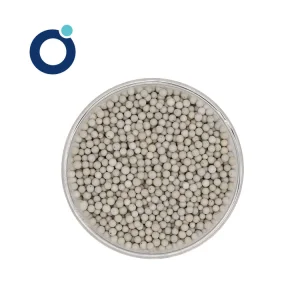
Explore our flagship industrial-grade molecular sieve products designed for optimal performance under rigorous temperature, pressure, and flow variations.
Shanghai Jiuzhou Chemicals Co., Ltd. is located in the largest economic development hub, Shanghai. Over the years, Jiuzhou has consistently adhered to the cornerstone principles of "Quality Control 100% & Innovation 100%," driving breakthrough R&D in the design, crystallization, and manufacturing of high-performance chemical adsorbents.
Our core solutions span across specialized Lithium Molecular Sieves (Li-X type), molecular sieve powders, active formulations, activated alumina, catalysts, and advanced ceramic packaging. Engineered using next-generation crystallization methods, our materials are fully certified under ISO9001:2008, TUV, and SGS, delivering unmatched mechanical durability and selectivity.
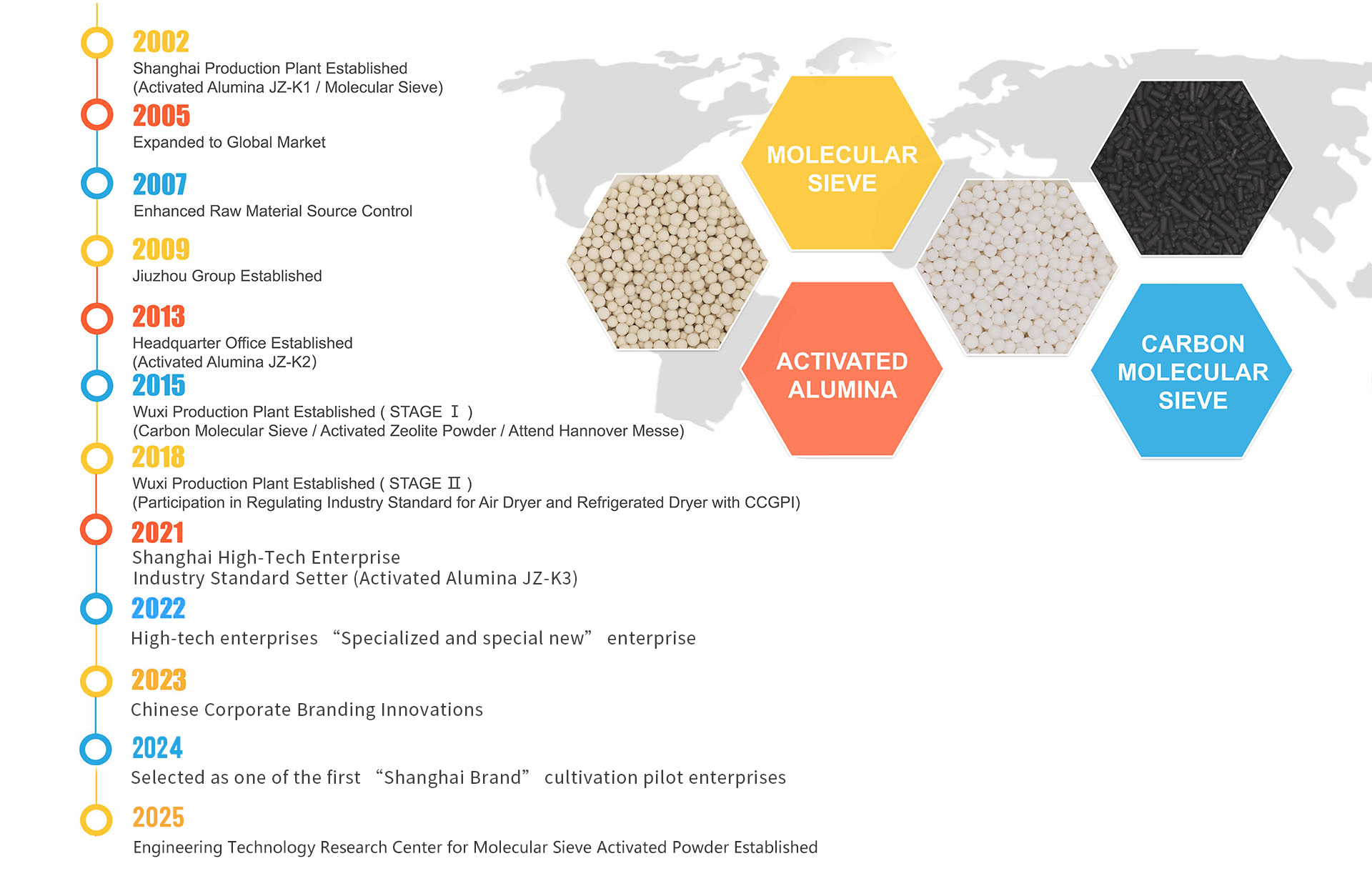
Understanding the molecular architecture and kinetic properties of extra-framework Lithium-doped Faujasite structures in industrial gas separation.
Lithium Molecular Sieves represent the absolute pinnacle of synthetic zeolite development for non-cryogenic air separation. Chemically structured as low-silica X-type zeolites (LSX with a Si/Al ratio of 1.0) and heavily exchanged with lithium cations (Li+), these crystalline materials possess an exceptional electrostatic field gradient within their porous channels. The polarization interactions between the high-density charge of Li+ ions and the quadrupole moment of nitrogen (N2) molecules create a highly selective adsorption dynamic, far exceeding standard Sodium (NaX) or Calcium (CaA) zeolites.
In oxygen generation systems (such as medical concentrators and large-scale industrial VPSA plants), the primary objective is to separate nitrogen from raw air stream. Lithium cations positioned in the accessible coordination sites (specifically Site III' inside the supercages of the faujasite framework) interact strongly with the electron cloud of N2. Because oxygen (O2) has a much smaller quadrupole moment, it passes through the crystalline matrix virtually unhindered, yielding high-purity oxygen (up to 95%).
Key thermodynamic parameters defining Joozeo’s Lithium Molecular Sieves include:
The global molecular sieve market is shifting towards optimization. In the medical sector, the micro-concentrator trend demands zeolites with ultra-high nitrogen capacity per unit volume, forcing manufacturers to minimize the inactive binder content. The industry is rapidly moving towards "binderless" Lithium molecular sieves, where the standard clay binder is chemically converted into active zeolite phases. Additionally, with the rise of carbon-neutral manufacturing, reducing energy consumption in VPSA air separation units is vital. Premium LiX zeolites offer the kinetic efficiency required to execute shorter PSA cycles, saving up to 25% of electrical energy compared to traditional systems.
Bridging the gap between specialized chemical properties and macro-scale application demands for EPCs, gas manufacturers, and medical device brands.
Providing high-rate kinetic separation for portable oxygen concentrators (POC) and clinical PSA oxygen systems. Extensively tested for stable nitrogen adsorption even under varying humidity levels, guaranteeing patient safety and medical compliance.
Empowering large-scale VPSA plants in steelmaking, glass manufacturing, and chemical synthesis. High-efficiency oxygen enrichment reduces greenhouse gas emissions and operational fuel consumption by optimizing combustion efficiency.
Generating high-purity feed gas for ozone generators used in municipal water purification and wastewater treatment. The high mechanical strength of Joozeo zeolites minimizes dust formation, protecting downstream generator electrodes.
Global procurement teams (particularly in Europe, North America, and Japan) evaluate Lithium Molecular Sieves based on stringent technical criteria that directly affect long-term plant operating costs. These indicators include:
Strategically positioned in Shanghai and Wuxi, our facilities support high-volume manufacturing with rapid logistics to major international shipping routes.
Focuses on high-tech catalyst formulation, customized R&D trials, and serves as our global headquarters and central analysis laboratory. It coordinates closely with global supply chains to ensure timely, certified shipments.
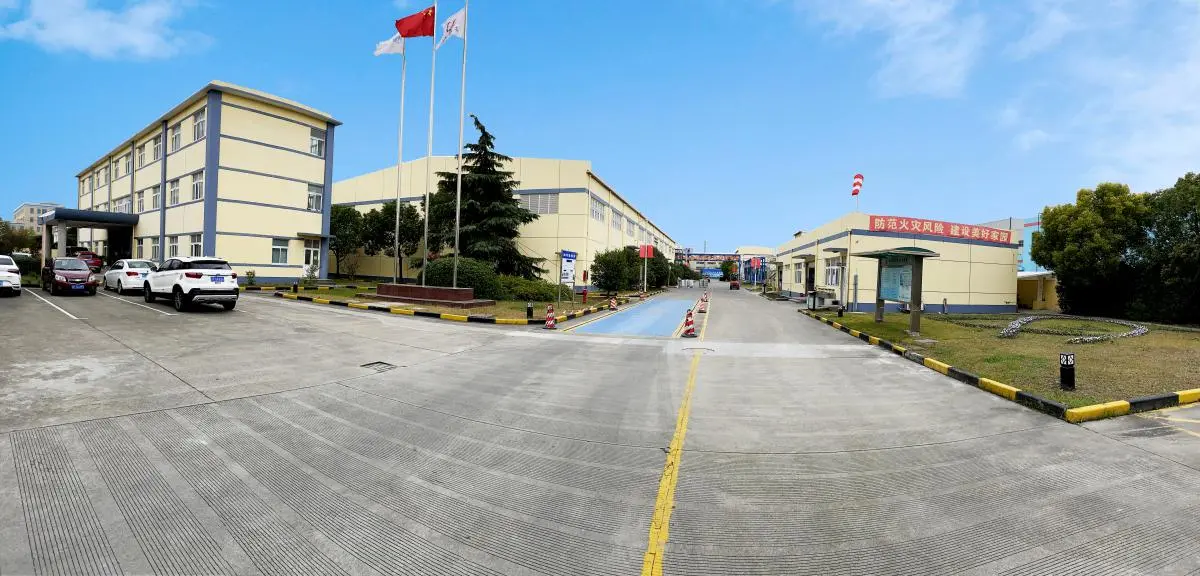
Our bulk processing plant, featuring advanced continuous-activation rotary kilns, automated packaging lines, and extensive warehouse space to support immediate dispatch of standard materials.

Leading the chemical industry in establishing robust standards for compressed air processing and high-grade alumina catalysts.
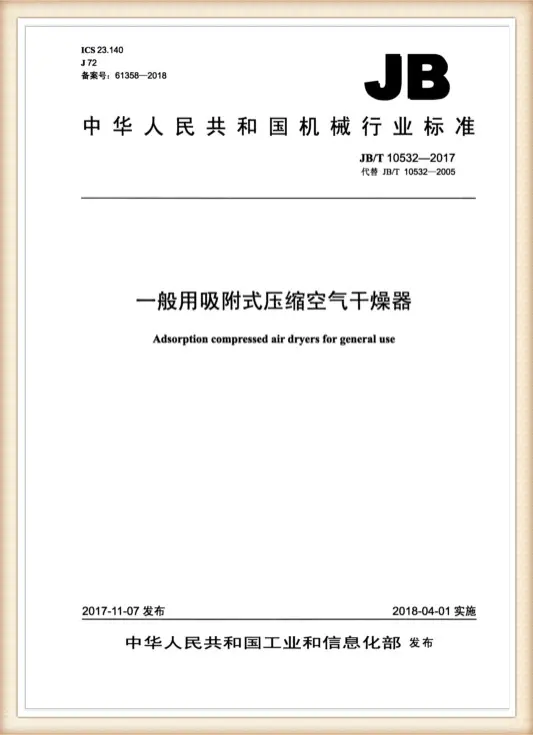 JB / T 10532-2017
Adsorption compressed air dryers for general use
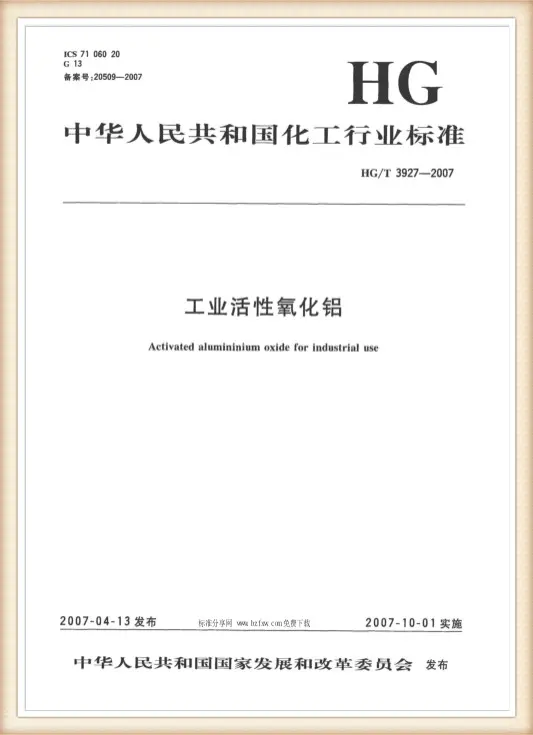 HG / T 3927-2007
Activated aluminium oxide for industrial use
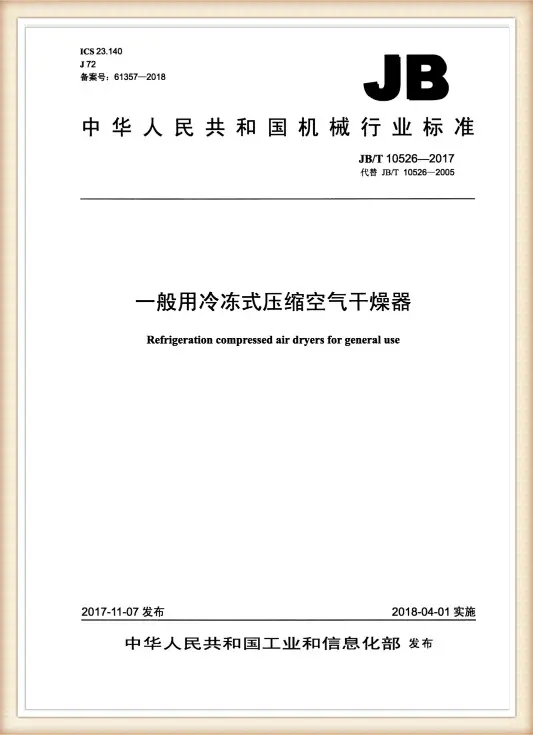 JB / T 10526-2017
Refrigeration compressed air dryers for general use
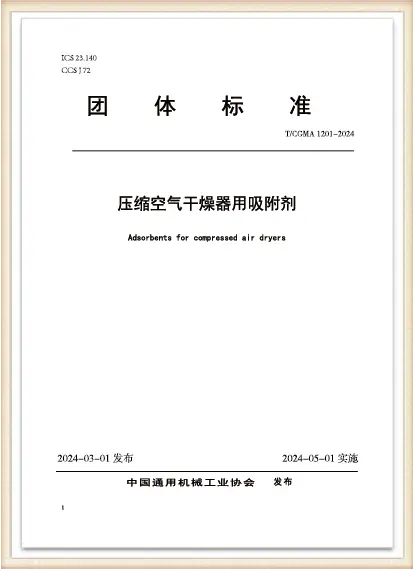
 T/CGMA1201-2024
National Industrial Equipment & Adsorption Dryers Standard
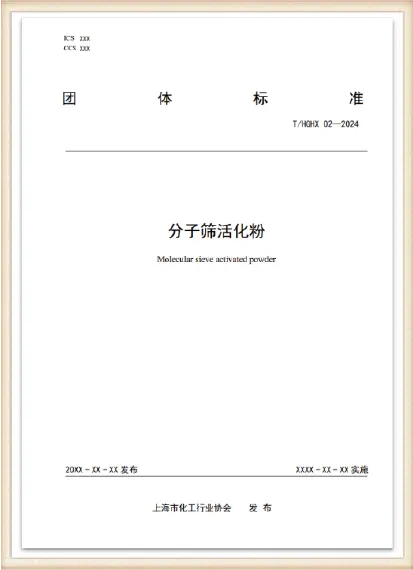
 T/HGHX 02—2024
Advanced Chemical Zeolite and Separations Criteria
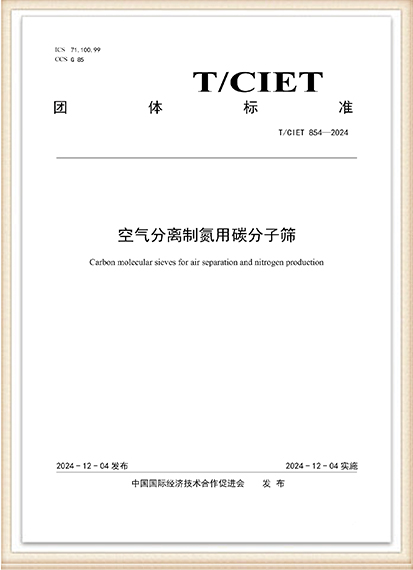 T/CIET 854-2024
Ecological Standard Compliance & Materials Testing
We actively invest in energy-efficient production systems and ecological programs. Our processes minimize carbon output, aligning with global climate targets.
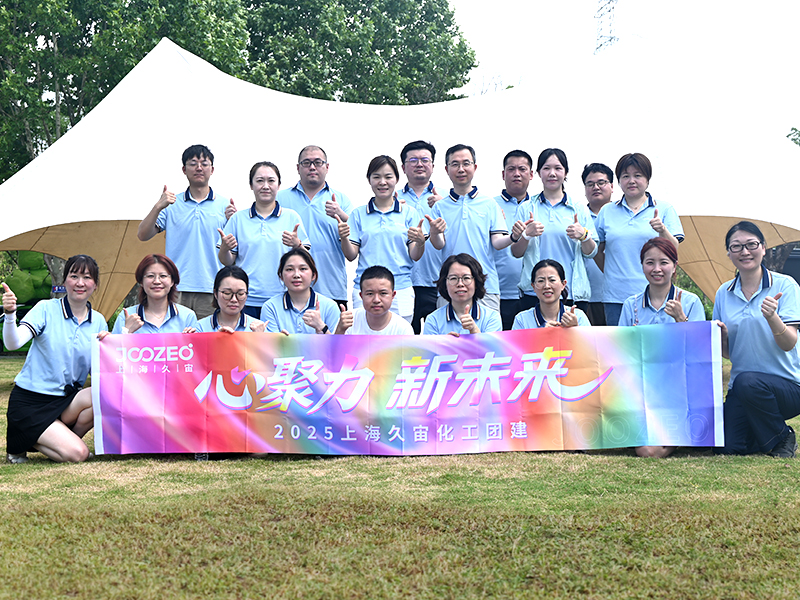
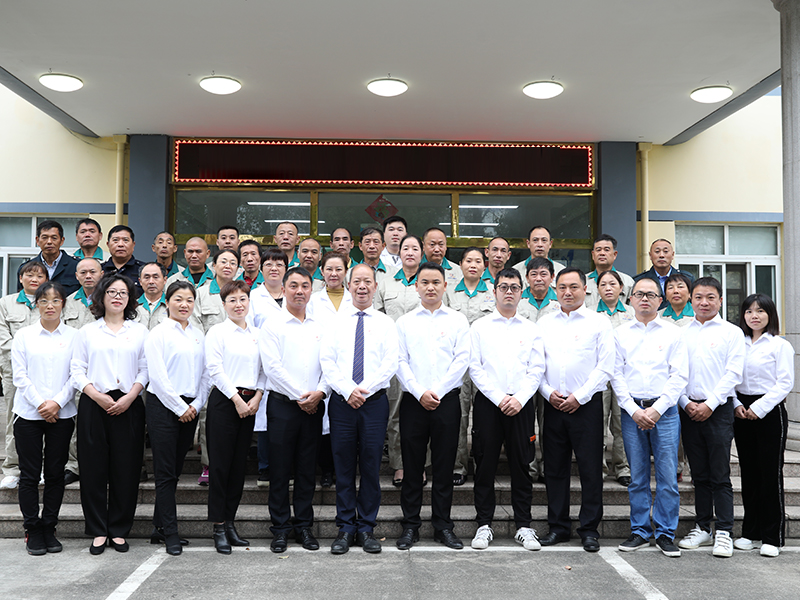
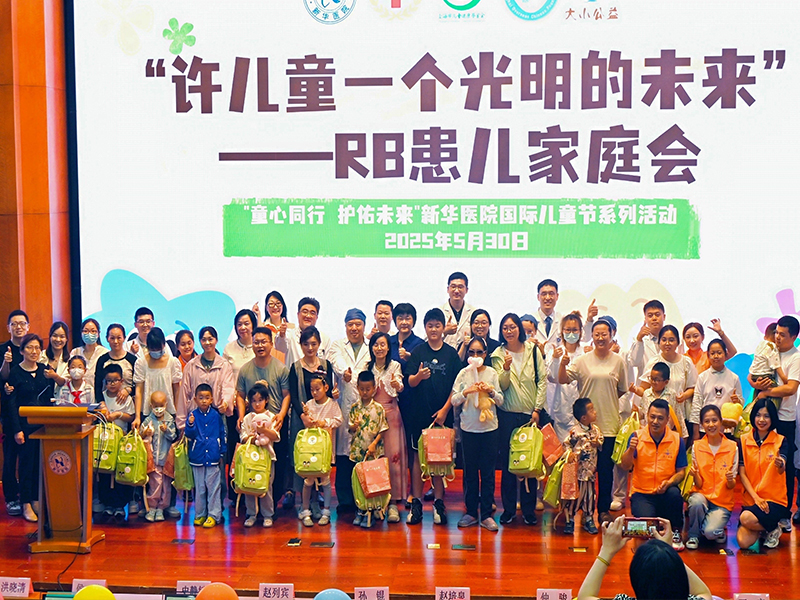
Leading the transition toward high-efficiency separation processes and smart adsorbents.
In response to emerging global industrial challenges, Joozeo’s research laboratory has established a comprehensive technology roadmap focusing on the following key areas:
By integrating molecular modeling and high-throughput physical testing, we continue to optimize our molecular structures. Our goal is to expand the boundaries of gas separation technology, supporting partners worldwide in achieving high performance and sustainable operations.
Expert responses to critical engineering questions about Lithium molecular sieves and industrial adsorbents.
The superior performance of Lithium molecular sieves (LiX) is due to the high electrostatic field gradient generated by the extra-framework lithium cations (Li+) inside the FAU zeolite structure. The lithium ions are smaller than sodium ions, allowing them to interact more closely with the quadrupole moment of nitrogen molecules. This leads to higher nitrogen adsorption capacity and nitrogen-to-oxygen selectivity, especially under low-pressure conditions (such as in VPSA systems).
Standard molecular sieves contain up to 20% clay binder to hold the crystal particles together, which does not contribute to adsorption. Binderless molecular sieves undergo a chemical process that converts this clay binder into active zeolite crystals. This increases active zeolite content by 15-20%, improving adsorption capacity, reducing bed size, and lowering compressor energy consumption.
Lithium molecular sieves are highly hydrophilic; water molecules block the active lithium sites, reducing nitrogen capacity. To prevent this, VPSA systems use an upstream alumina or silica gel pre-bed to remove water. If moisture contamination occurs, the zeolites can be regenerated by passing a dry purge gas through the bed at temperatures between 250°C and 350°C.
With proper feed gas pre-treatment (removing moisture, aerosols, and hydrocarbons), our molecular sieves can operate reliably for over 5 to 8 years. Their high mechanical crush strength prevents structural attrition, maintaining low pressure drop across the bed throughout their service life.
Explore our broader portfolio of chemical adsorbents, structural carriers, and specialty inorganic compounds engineered for global supply chains.