Explore our premium line of synthetic zeolites, specialty aluminas, and engineered catalysts trusted by global processing plants.
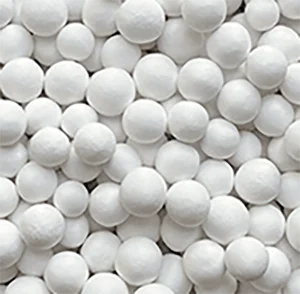
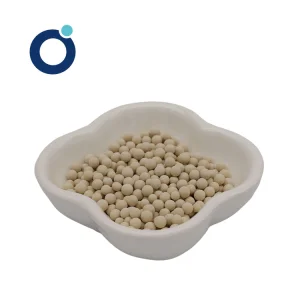
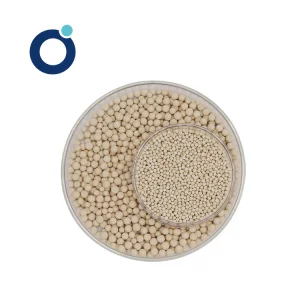
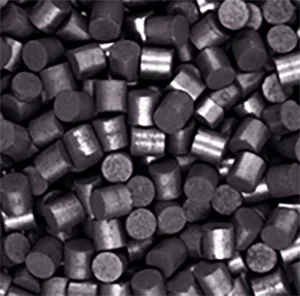
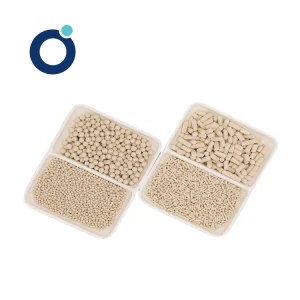
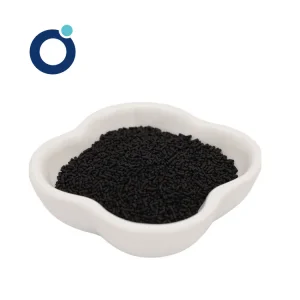
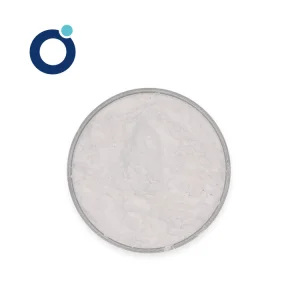
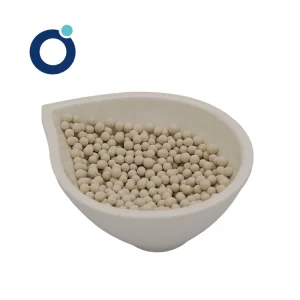
Molecular sieves are crystalline aluminosilicates, uniquely characterized by uniform pores and high internal surface areas. As the global processing industries shift toward more rigorous environmental targets and energy-efficient operations, the demand for high-purity molecular sieves has surged. Today, these advanced desiccants are critical components in petrochemical refining, air separation units (ASUs), natural gas processing, and carbon capture initiatives.
Geopolitically, the production and export of high-grade zeolites have concentrated in advanced hubs where manufacturing efficiency can align with precise chemistry. As industrial buyers demand longer cycle lifetimes, lower attrition rates, and higher dynamic adsorption capacities, suppliers must demonstrate both structural crystalline control and high-volume consistency to remain competitive in global supply chains.
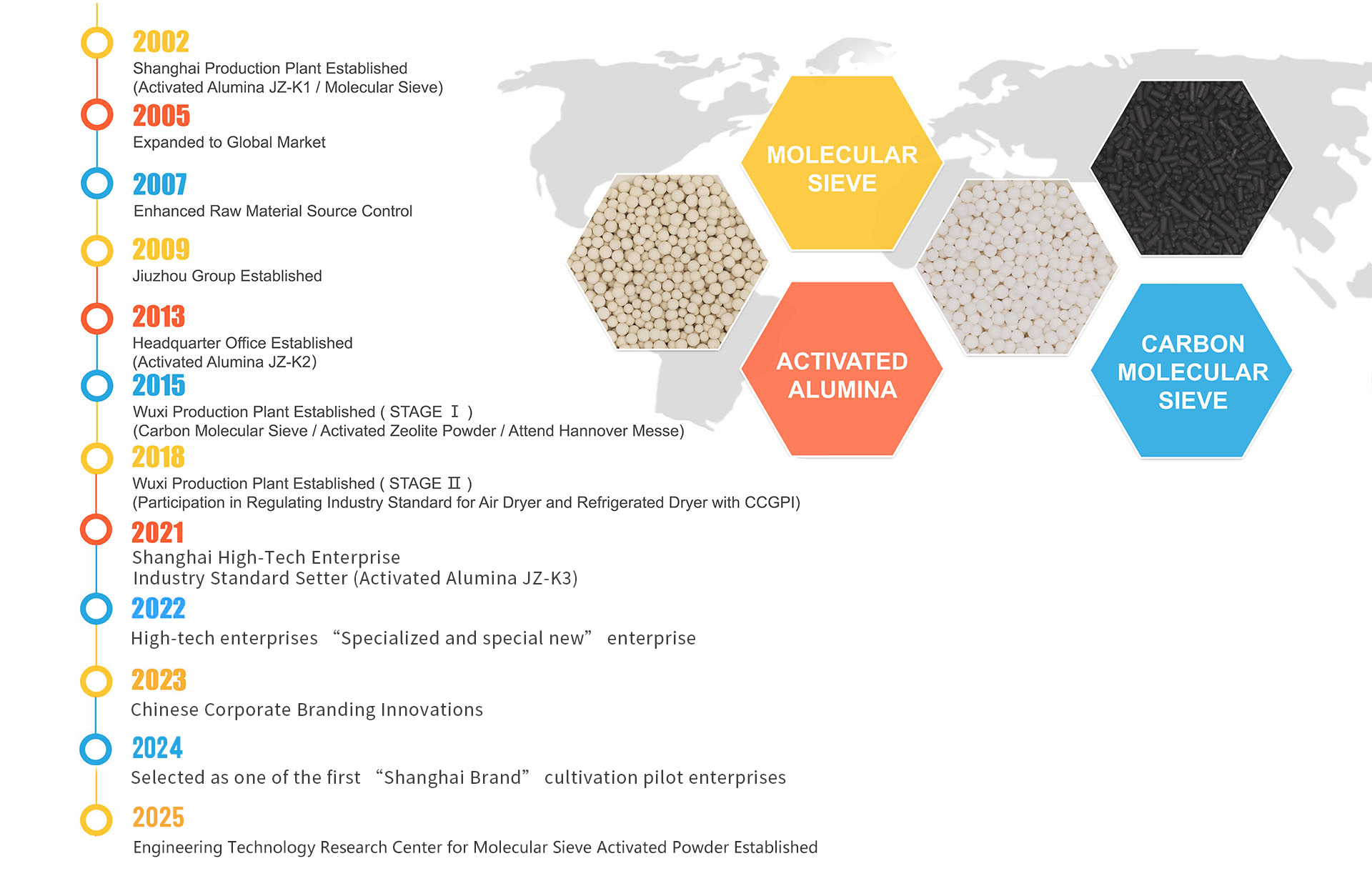
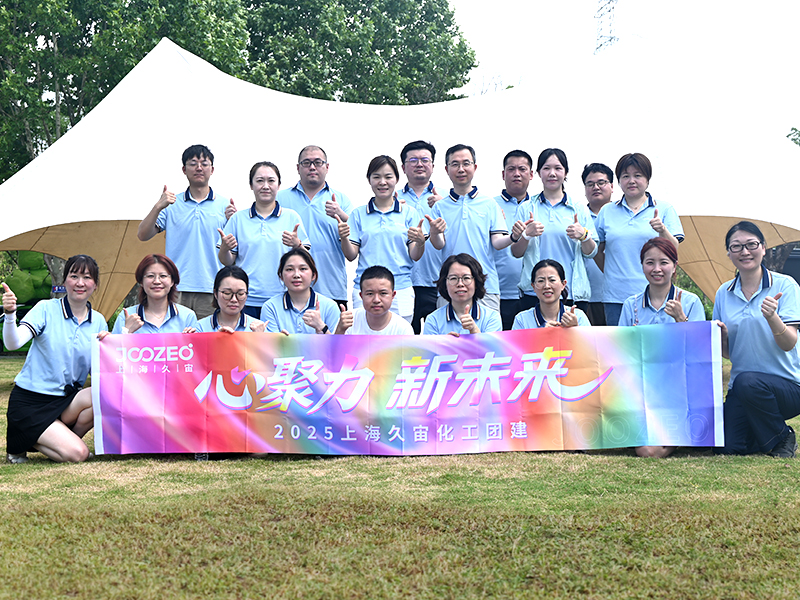
Adhering to the core tenets of Quality Control and Continuous Innovation, Jiuzhou has established a global footprint in industrial gas dehydration and purification.
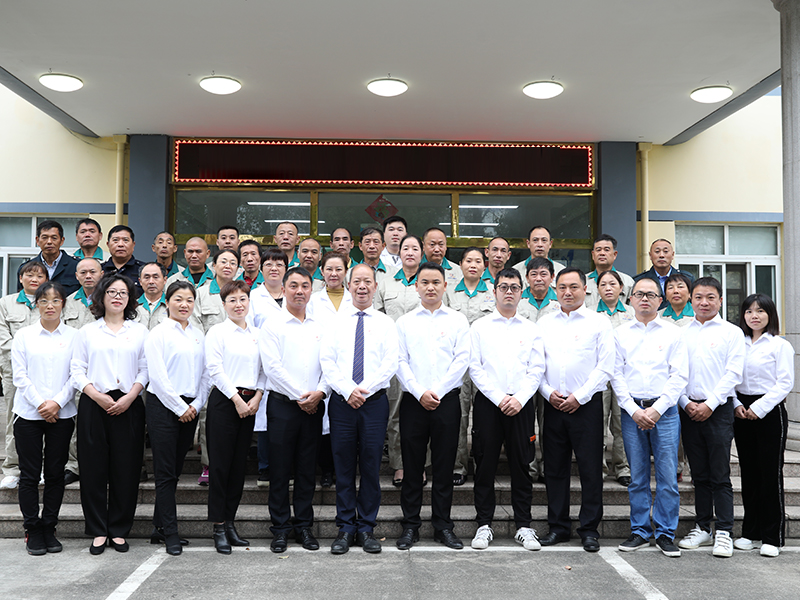
Shanghai Jiuzhou Chemicals Co., Ltd. is located in the key economic hub of Shanghai. Over the decades, Jiuzhou has consistently integrated state-of-the-art international production technologies with a robust national research lab. Our full product catalog—ranging from molecular sieve powders, active powders, activated alumina, catalysts, and ceramic balls, to sodium silicates—is certified under ISO9001: 2008, TUV, and SGS frameworks.
Engineers select molecular sieves based on the kinetic diameter of the target molecules. Below is our standard dynamic guide.
| Zeolite Type | Effective Pore Diameter | Critical Adsorbates | Primary Industrial Applications |
|---|---|---|---|
| Type 3A (LTA) | ~3 Å (0.3 nm) | $H_2O$, $NH_3$ (excluding hydrocarbons) | Ethylene/propylene drying, ethanol dehydration, insulated glass units. |
| Type 4A (LTA) | ~4 Å (0.4 nm) | $H_2O$, $CO_2$, $SO_2$, $H_2S$, $C_2H_6$ | Closed-loop air drying, refrigerant dehydration, packaging desiccants. |
| Type 5A (LTA) | ~5 Å (0.5 nm) | n-Paraffins, light alcohols, $H_2S$ | PSA hydrogen purification, separation of normal/iso-paraffins. |
| Type 13X (FAU) | ~10 Å (1.0 nm) | Mercaptans, high-mass organic vapors, $CO_2$ | Air separation pretreatment (removal of $CO_2$ and $H_2O$), medical oxygen generators. |
| Carbon Molecular Sieve | Variable slit-like pores | Oxygen ($O_2$), light gases | Nitrogen generator packages via pressure swing adsorption (PSA). |
How Jiuzhou Chemicals merges industrial scaling with deep quality assurance to maximize buyer ROI.
By leveraging dedicated production facilities in both Shanghai and Wuxi, Jiuzhou balances high-volume chemical crystallization with customized, low-batch premium specialty formulations.
Our centralized testing laboratory utilizes advanced dynamic simulation instruments to run real-world temperature swing adsorption (TSA) cycles, validating crush strength and water uptake before shipping.
Direct supply agreements for sodium silicate and aluminum hydroxide enable Jiuzhou to insulate global buyers from price volatility, ensuring reliable, long-term procurement quotes.
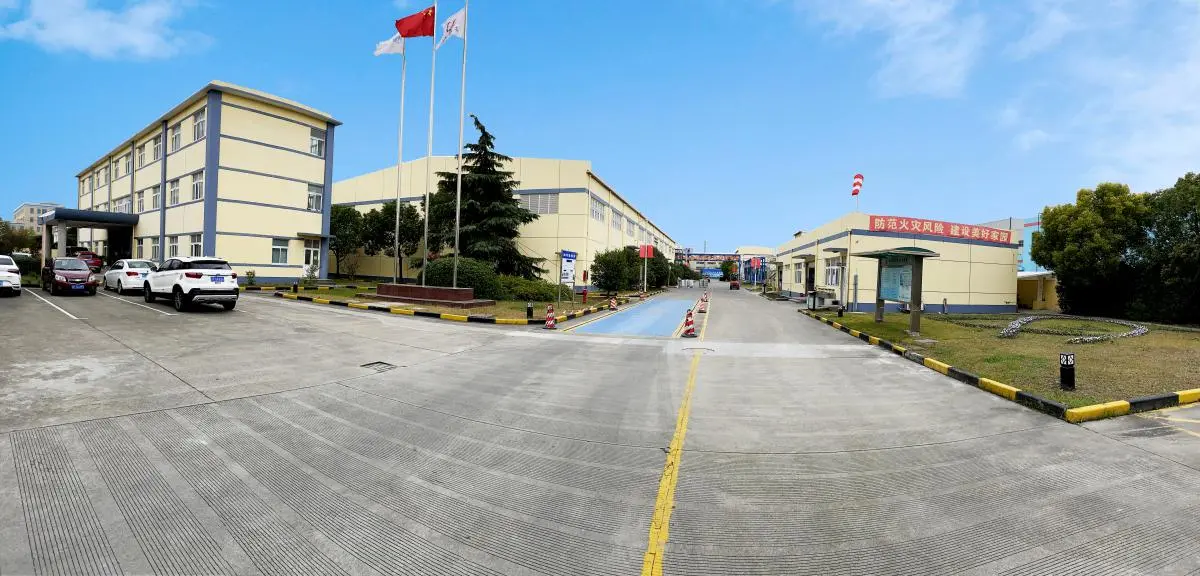
Focused on large-scale production of standard synthetic zeolites and active powders, integrating multi-functional automatic kilns.

Housing our central analysis lab, custom formulation units, and localized applications testing for custom structural requirements.
Our technical experts actively shape standardizations across Chinese and international chemical alliances, reflecting our industry leadership.
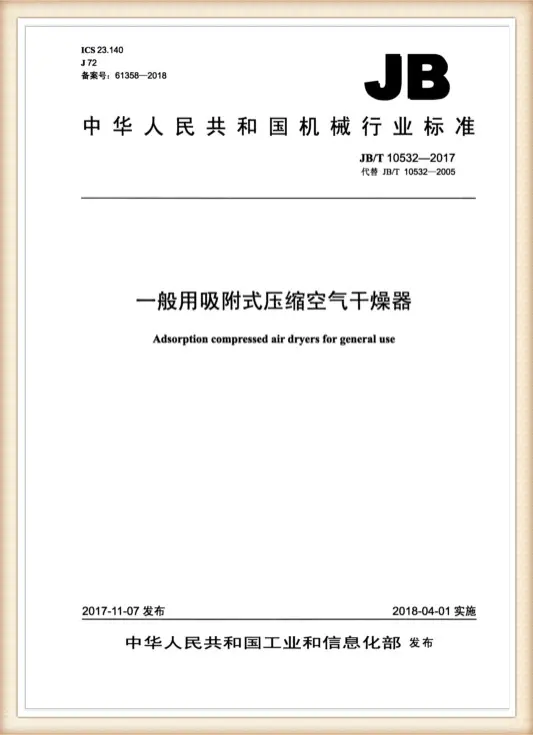
Adsorption compressed air dryers for general industrial operations.
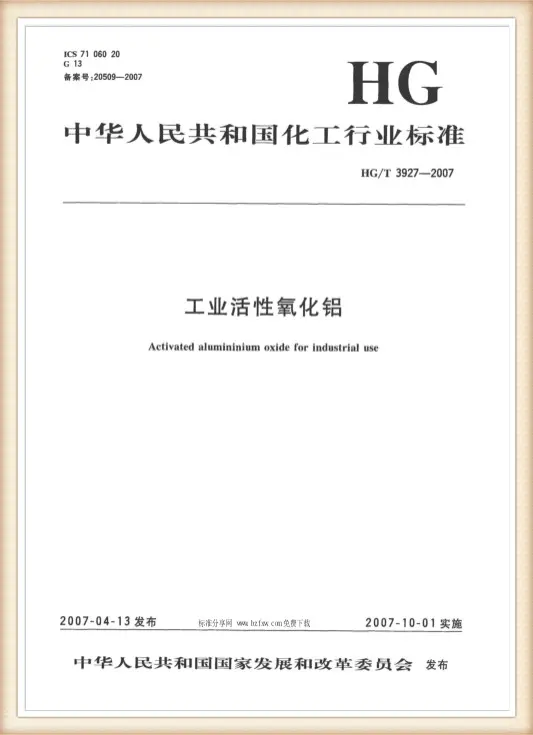
Activated aluminum oxide specifications for critical industrial processes.
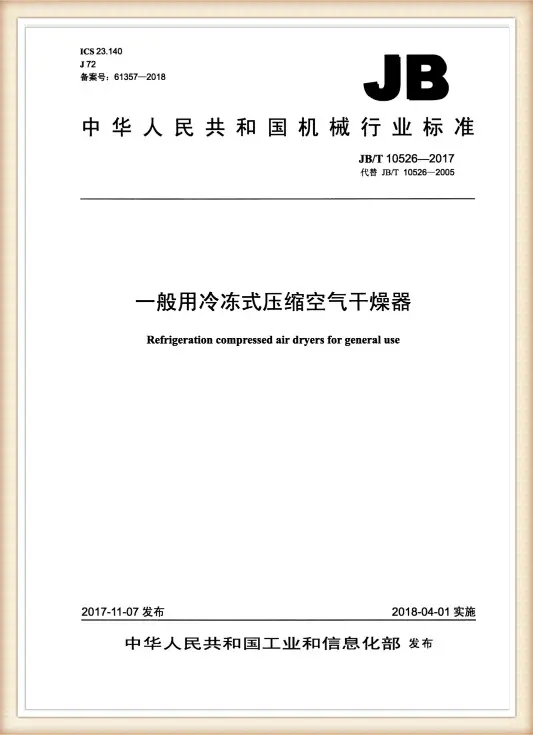
Refrigeration compressed air dryers for general industrial use.
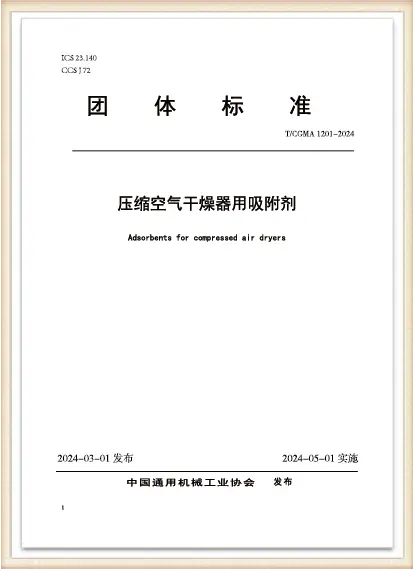
Active participant in recent machinery association guidelines.
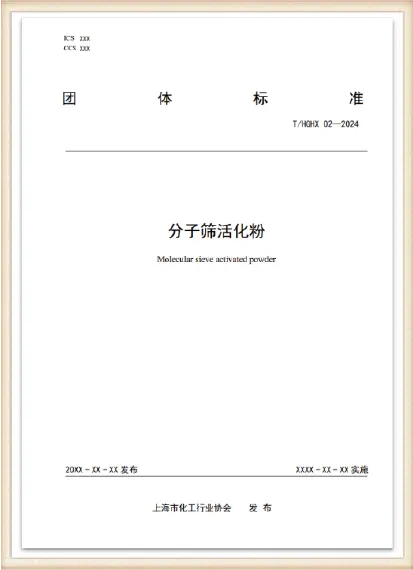
Guiding local chemical manufacturing quality parameters.
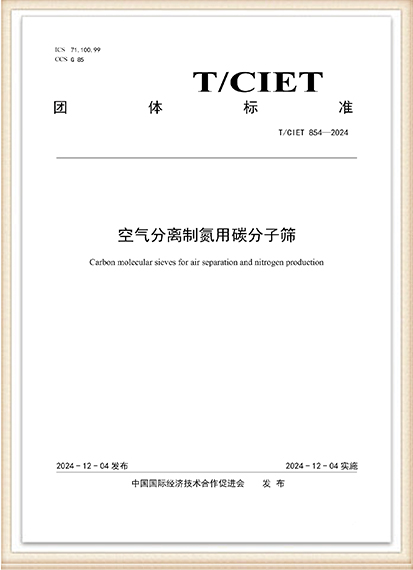
Green development standards for chemical industrial adsorbents.
Our specialized molecular sieves are optimized for diverse industrial configurations around the globe.
In cold-climate gas pipelines, minor water vapor can form gas hydrates, leading to pipeline blockage. Using Jiuzhou's low-attrition 4A and 5A molecular sieves allows operators to reliably dry gas down to less than 0.1 ppm water content, preventing icing and corrosion in downstream cryogenic separation units.
Our specialized oxygen molecular sieves (such as the JZ-OI series) utilize high lithium/calcium ion exchange rates to selectively adsorb nitrogen. This allows PSA oxygen concentrators in medical centers and steel plants to yield consistent, high-purity $O_2$ streams up to 93-95%.
To produce fuel-grade ethanol, moisture must be reduced below the azeotropic limit. Jiuzhou’s 3A molecular sieves selectively exclude the larger ethanol molecules while cleanly trapping water, achieving water removal rates of over 99% in vapor-phase dehydration systems.
At Jiuzhou, corporate development aligns with environmental sustainability. We optimize industrial operations globally to reduce resource consumption and support carbon neutrality.
Evaluating quotes from global suppliers requires examining core material performance metrics to avoid early bed fluidization or unit failure.
Static adsorption capacity measures maximum water retention at equilibrium. Dynamic adsorption capacity, however, indicates performance under constant flow. Always request dynamic breakthrough curve data corresponding to your specific linear gas velocities.
High gas velocities can generate structural movement within the desiccant bed. Low crush strength increases the rate of dusting (attrition), creating pressure drops. Ensure your supplier quotes include attrition rates below 0.1% weight loss.
Bulk density affects how much mass is required to fill a set vessel volume. Understanding the thermal limits and Heat of Adsorption is essential for designing the regeneration cycle heater load correctly.
Direct insights from our laboratory specialists addressing common engineering and sourcing questions.
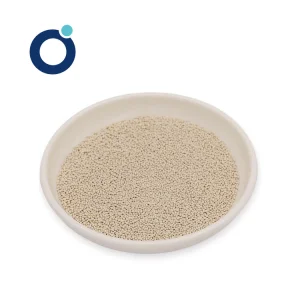
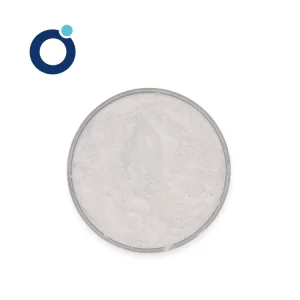
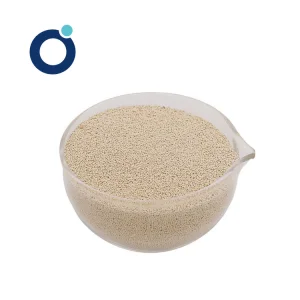
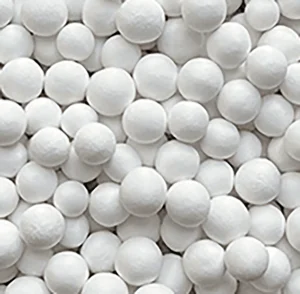
Our specialized formulations designed for specific chemical processing applications.
Submit your operating parameters—including gas flow rates, target dew points, pressure levels, and pipe sizing. Our engineering team will respond within 24 hours with custom recommendations.
Send Sourcing Request