Engineered for high-purity nitrogen recovery, medical-grade oxygen generation, and comprehensive dehydration across critical petrochemical pipelines.
Shanghai Jiuzhou Chemicals Co., Ltd. is strategically situated in Shanghai, China's premiere center for economic development and chemical research. Driven by our founding tenets of strict "quality control" and persistent "product innovation", we have committed over three decades to the R&D, synthesized engineering, and distribution of superior molecular sieves, carbon molecular sieves, activated powder, activated alumina, and catalyst support structures.
Our expansive production ecosystem conforms to the highest international quality frameworks. Fully validated by ISO9001:2008, TUV, and SGS certifications, JOOZEO products guarantee unparalleled batch consistency, mechanical durability, and optimal adsorption kinetics. In serving global heavy industries, we operate specialized testing nodes, including a dynamic performance testing laboratory equipped to model real-world gas velocity, thermal profiles, and pressure drops.
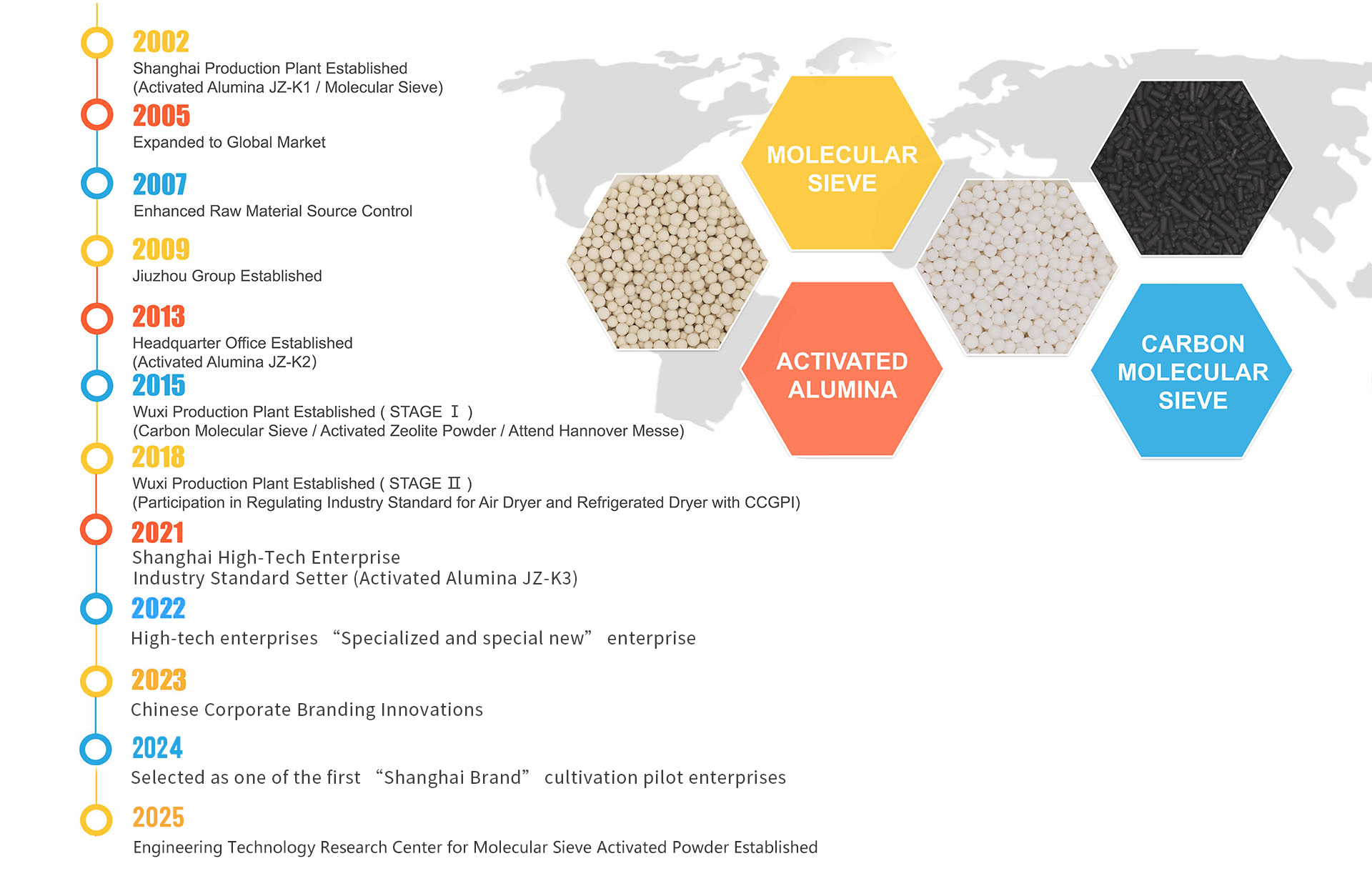
Jiuzhou Chemicals coordinates two highly specialized production locations to safeguard global supply lines, balance production capacities, and achieve logistic flow efficiencies.
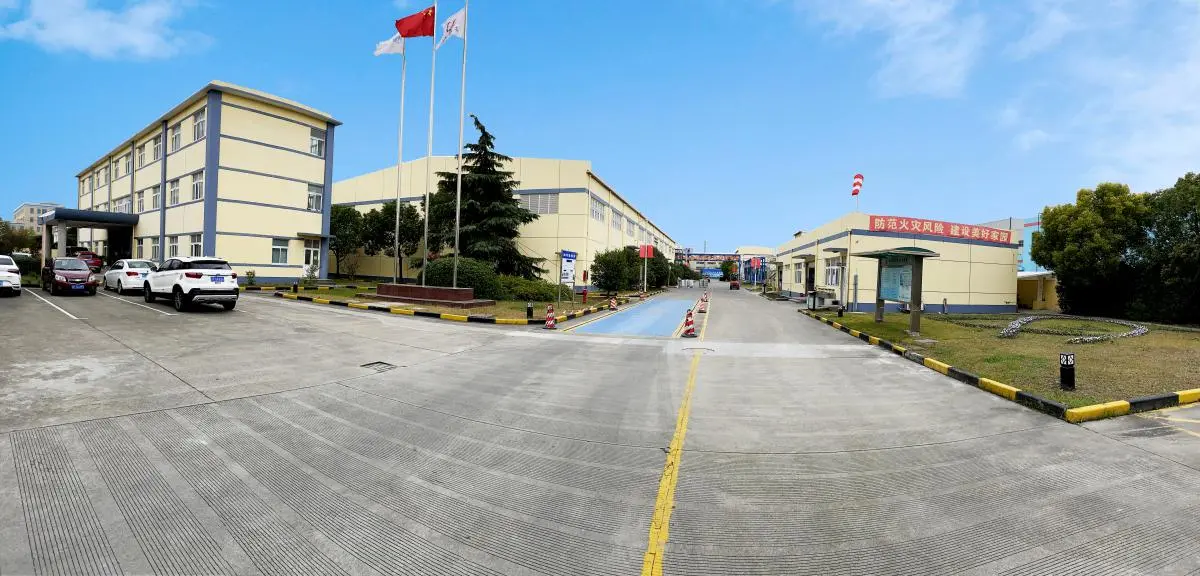
Our Shanghai facility acts as our engineering anchor, housing our advanced synthesis equipment and central analytics lab. Located near major ports, it focuses on high-purity CMS formulations, lithium-based oxygen molecular sieves, and custom chemical synthesis. It is integrated with automated quality verification loops that continuously audit pore structural distribution and mechanical crush strength.
The Wuxi facility is built for high-throughput batching, drying, and packaging of bulk activated alumina and zeolite molecular sieves. Operating advanced rotary calcining systems, it maintains strict thermal control across all production runs. This site provides manufacturing redundancy, protecting our global partners from unexpected supply disruptions.

Demonstrating technical authority, Jiuzhou Chemicals is a key contributor to national and industry standards, defining performance guidelines for dryers and industrial adsorbents.
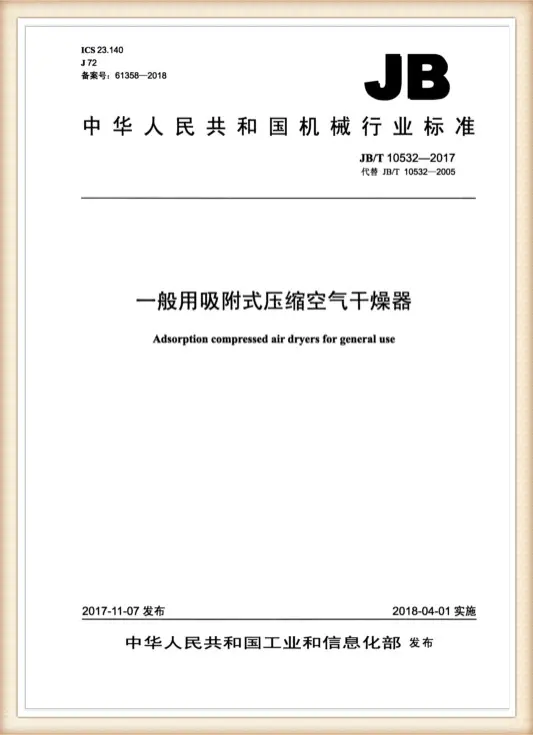 JB / T 10532-2017
Adsorption compressed air dryers for general use
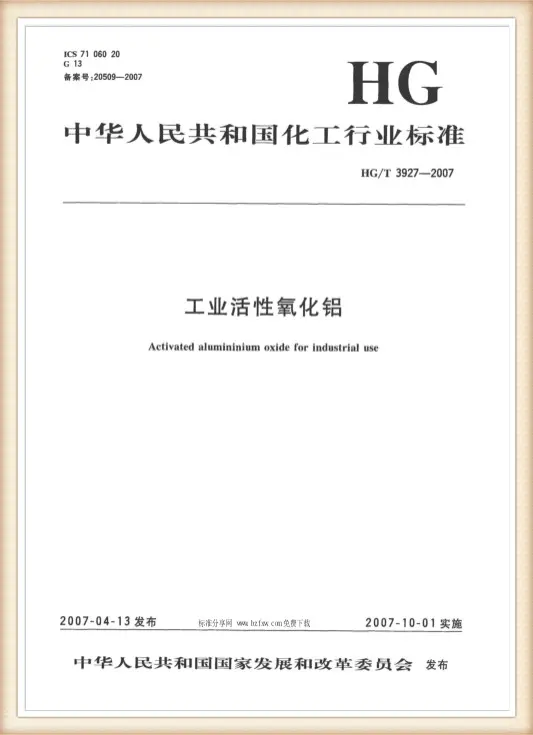 HG / T 3927-2007
Activated aluminum oxide for industrial use
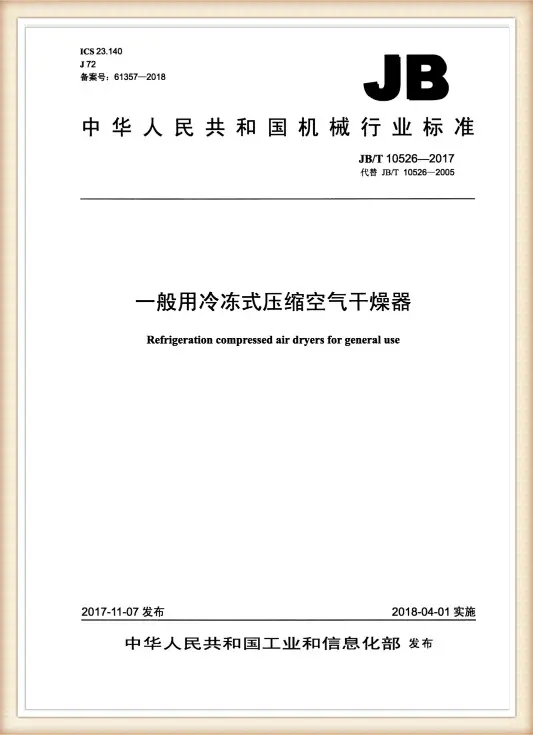 JB / T 10526-2017
Refrigeration compressed air dryers for general use
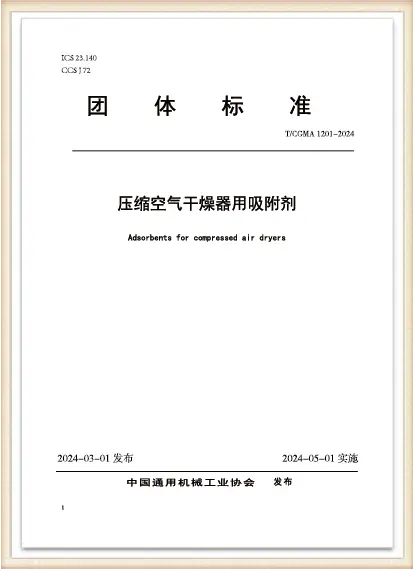
 T/CGMA 1201-2024
Machinery industry group standards
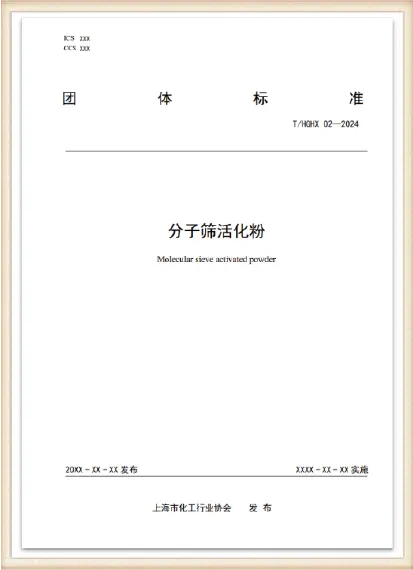
 T/HGHX 02—2024
Chemical industry group specifications
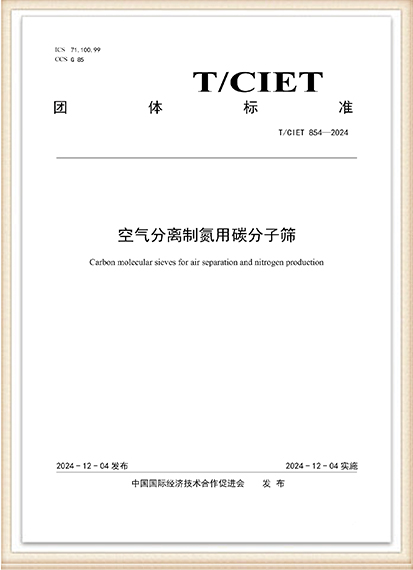 T/CIET 854-2024
Environmental management standards
Understanding the molecular dynamics and kinetic selectivities behind high-performance pressure swing adsorption (PSA) technologies.
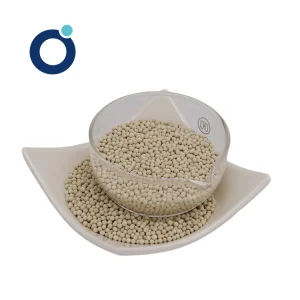
The efficiency of a pressure swing adsorption (PSA) system depends on the selection of the adsorbent material. Whether purifying hydrogen, capturing carbon, or generating oxygen, the adsorbent must have precise pore diameters matched to target gas kinetic sizes. For example, oxygen molecular sieve JZ-OI leverages lithium-modified aluminosilicate frameworks (Li-LSX) to isolate N2 from air, capitalizing on the electrostatic interaction between lithium cations and the nitrogen molecule's quadrupole moment.
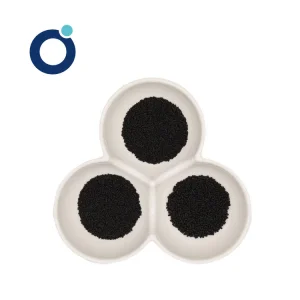
Conversely, our JZ-CMS6N Carbon Molecular Sieve employs kinetic separation. Because oxygen (3.46 Å) has a smaller kinetic diameter than nitrogen (3.64 Å), oxygen diffuses into the narrow micropore channels of the carbon sieve much faster than nitrogen. By controlling cycle times in the PSA column, high-purity nitrogen is recovered from the high-pressure stream, while oxygen is captured and subsequently vented under depressurization.
To support the global shift toward decarbonization and energy efficiency, Jiuzhou Chemicals is advancing several technological developments:
From cryogenic air separation prepurification units to hydrogen recovery systems, Jiuzhou Chemicals supports major global industrial sectors.
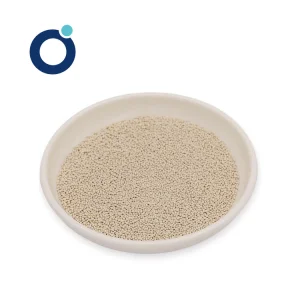
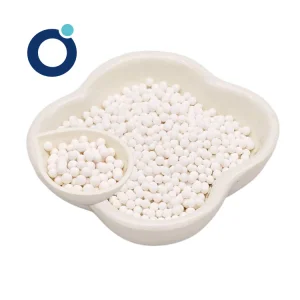
In steam methane reforming (SMR) and refinery off-gas recovery, our JZ-ZMS3 and active alumina products are used to purify crude hydrogen stream feed. This process removes trace impurities including carbon monoxide, carbon dioxide, methane, and water to deliver fuel-cell grade hydrogen (99.999% purity) at scale.
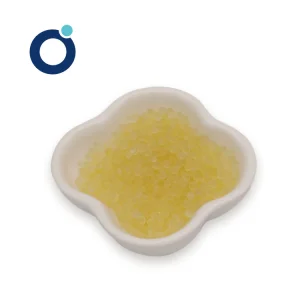
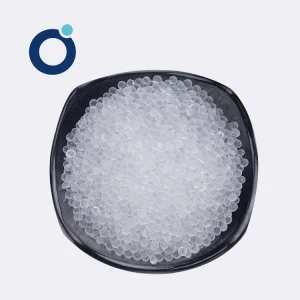
Before cryogenic liquidation, air feeds must be cleared of water vapour and CO2 to prevent pipeline freezing. By using multi-layer beds of JZ-ASG silica gel, activated alumina (JZ-E), and JZ-AZ molecular sieves, plant operators can achieve low dew points and maintain long continuous runtimes.
Our high-strength molecular sieves remove water and sulfur compounds (H2S, mercaptans) from natural gas streams. This protection helps safeguard critical pipelines from internal corrosion and meets typical pipeline water specifications (<0.1 ppm).
Our production facilities utilize modern process controls to deliver consistent product quality. By automating raw material dosage, temperature profiling, and packaging steps, we minimize human error and variance between production lots. In addition, our vertically integrated supply chain ensures consistent access to raw aluminosilicate precursors.
With facilities in both Shanghai and Wuxi, Jiuzhou Chemicals is well-positioned to manage fluctuating export volumes and secure logistics routing via Shanghai Port. This dual-facility system provides procurement managers with reliable supply continuity, even during peak shipping seasons or regional raw material constraints.
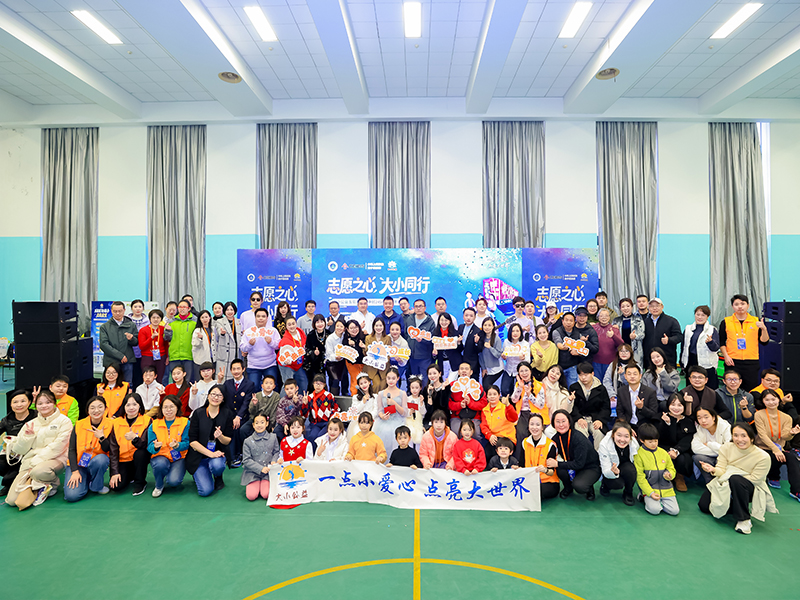
Guided by our mission "Better air, Better life", Jiuzhou Chemicals integrates environmental responsibility and safety into our manufacturing practices.
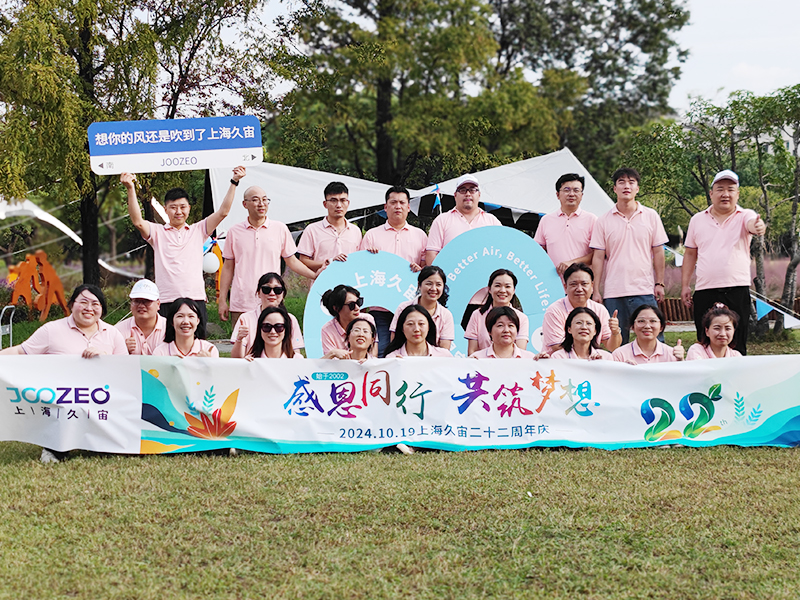
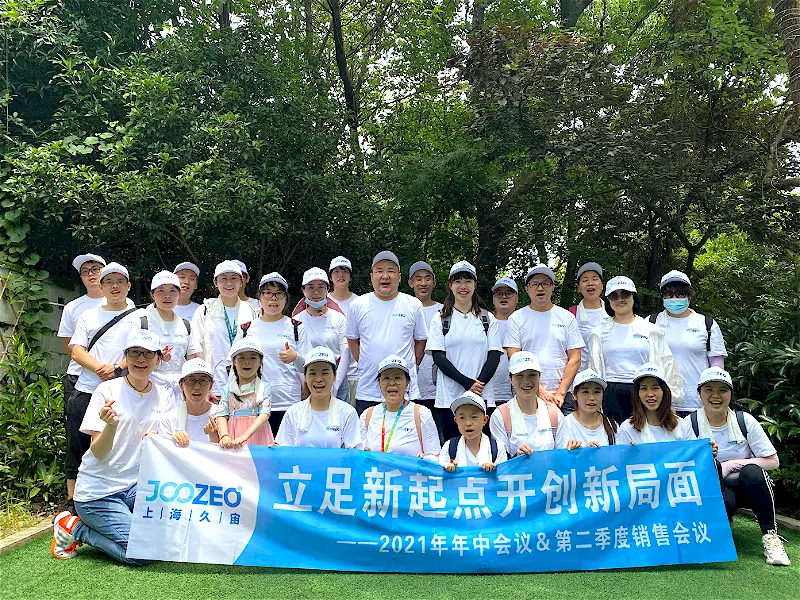
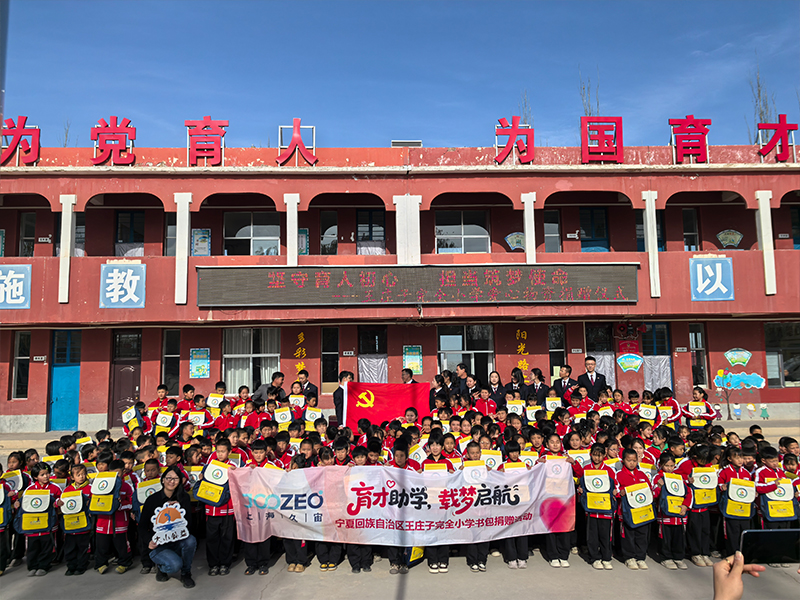
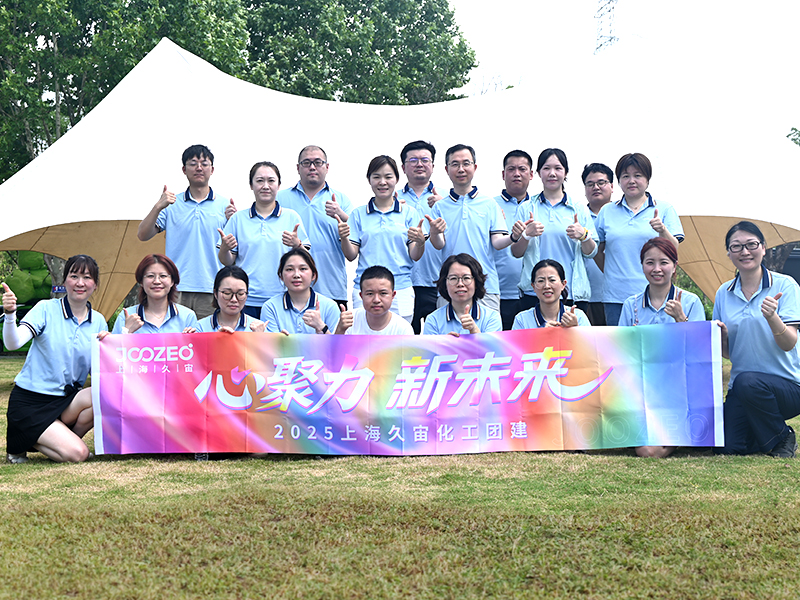
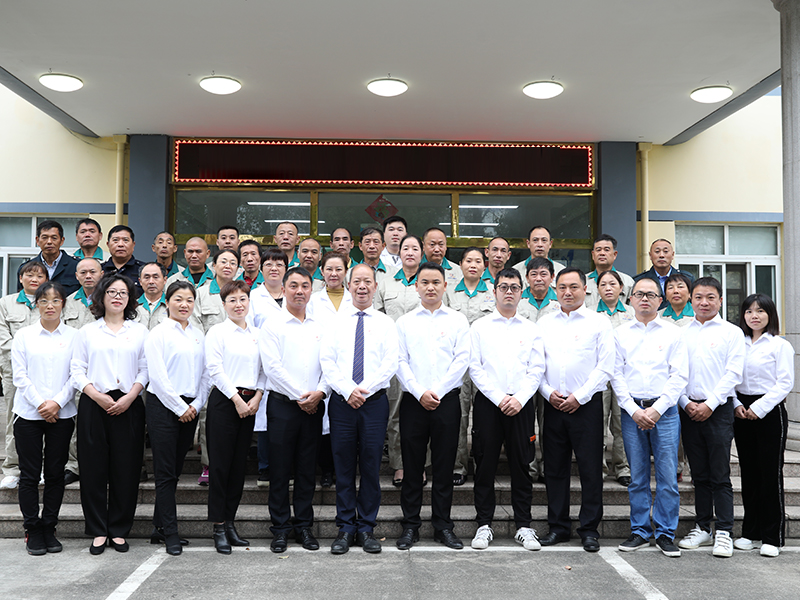
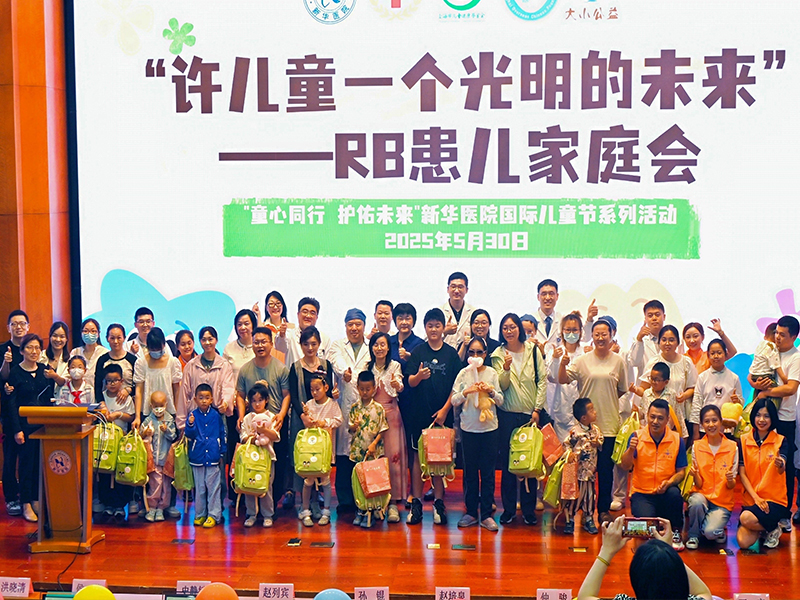
Our environmental and safety commitment is backed by ISO 14001 and ISO 45001 certifications. We actively manage thermal efficiency to reduce energy consumption in our calcination processes, use waste-heat recovery systems, and work to minimize the carbon intensity of our molecular sieve products. By developing long-lasting adsorbents, we help our partners reduce replacement cycles and lower their overall operating footprints.
Key technical parameters required to ensure chemical stability, structural integrity, and process safety in high-pressure PSA and VPSA systems.
When selecting molecular sieves for industrial plants, procurement officers must evaluate key mechanical and chemical indicators to prevent premature bed failure. The table below highlights the target specifications we monitor to maintain performance standards:
| Technical Param | Typical Value range | Engineering Importance |
|---|---|---|
| Crush Strength (N) | > 35 N (up to 95 N) | Prevents particle degradation and dusting under high pressure swing cycles. |
| Bulk Density (g/ml) | 0.62 – 0.85 g/ml | Determines overall bed weight and volumetric adsorption capacity of vessel. |
| Attrition Rate (wt%) | < 0.1% | Minimizes downstream filter clogging and pressure drops. |
| Equilibrium Water Capacity | > 21 wt% | Ensures deep dehydration down to trace dew points (-70°C). |
Expert answers addressing the selection, storage, and optimization of PSA molecular sieves and active adsorbents.
Explore our specialized range of silica gels, molecular sieves, and activated carbons designed for high-performance separation and gas sweetening.
Get in touch with Jiuzhou's applications engineering team for custom adsorption design modeling, bulk pricing structures, and technical specifications. We respond within 24 hours.
Send Request