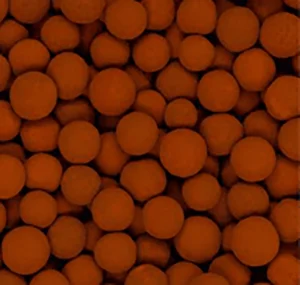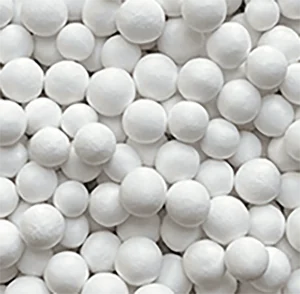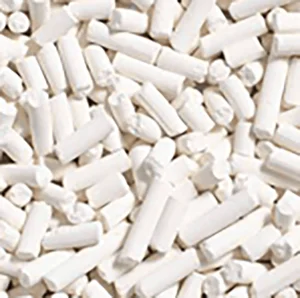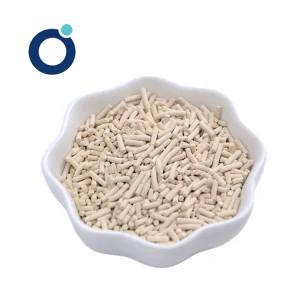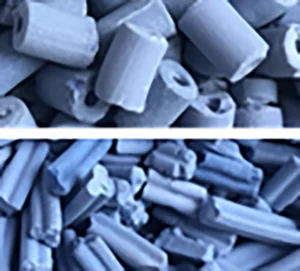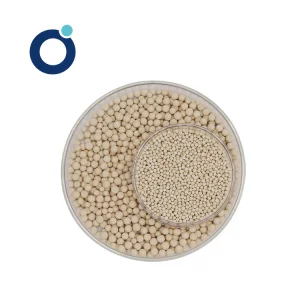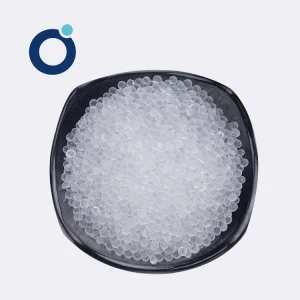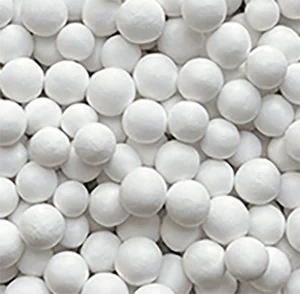
Engineered high-performance molecular sieves, catalysts, and desiccants manufactured to international industrial standards.
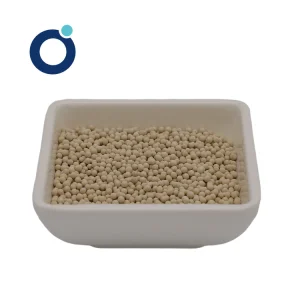
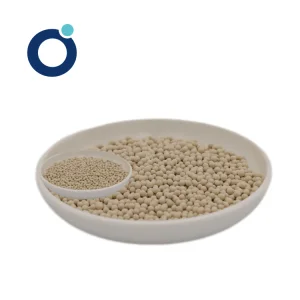
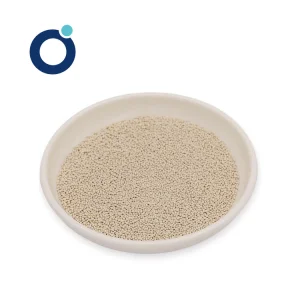
Molecular sieve 13X, the sodium form of the type X crystal structured zeolites (sodium aluminosilicate), possesses a highly defined pore opening of approximately 10 Angstroms (1.0 nm). This structural configuration allows it to co-adsorb critical contaminants such as moisture, carbon dioxide, nitrogen oxides, and trace hydrocarbons from process streams.
Developed originally to match UOP's gold standards, modern 13X crystalline matrices are engineered for superior equilibrium loading and optimized mass transfer kinetics. Whether deployed in thermal swing adsorption (TSA) or pressure swing adsorption (PSA) vessels, the material's bulk density, crush strength, and attrition resistance directly determine operational lifetimes and pressure drop profiles.
By leveraging premium precursors during the hydrothermal synthesis stage, manufacturers can achieve optimal silicon-to-aluminum ratios (typically Si/Al ~ 1.25), guaranteeing elevated electrostatic potentials and superior affinity for polar molecules like H₂O and CO₂.
Analyzing macroeconomic catalysts, environmental mandates, and technical innovations steering the market.
The global mandate to reduce carbon footprints has driven substantial demand for high-affinity CO₂ adsorbents. Crystalline 13X zeolites are widely optimized for direct air capture (DAC) and post-combustion carbon capture systems, showing high selectivity under low partial pressures.
High-purity green hydrogen production relies on PSA technology to strip trace impurities. Modern 13X formulations have been upgraded to maintain rapid mass transfer zones, reducing regenerating cycles, saving operational energy, and ensuring H₂ stream purity matches PEM fuel cell standards.
With oxygen generation infrastructure expanding globally, specialized lithium-exchanged and high-performance sodium 13X matrices are deployed in micro-oxygen concentrators and bulk VPSA installations, optimizing nitrogen/oxygen selectivity factors.
Critical factor mapping for corporate procurement managers and engineering procurement contractors (EPCs).
Pricing is tightly coupled with sodium silicate and aluminum hydroxide market dynamics. Fluctuations in raw sodium carbonate and energy costs impact bulk synthesis pricing models.
Standard packaging in heavy-duty hermetically sealed steel drums (150kg/55gal) or bulk super sacks (500kg-1000kg) ensures structural integrity and keeps humidity ingress to absolute zero.
Selecting premium zeolites with low attrition rate (<0.1%) mitigates dust formation, avoids down-stream compressor damage, and reduces capital expenditure for replacement beds.
Procuring from manufacturers with established logistics hubs reduces transit risks. Pre-clearance customs certifications (REACH, SGS) prevent regulatory hold-ups at international ports.
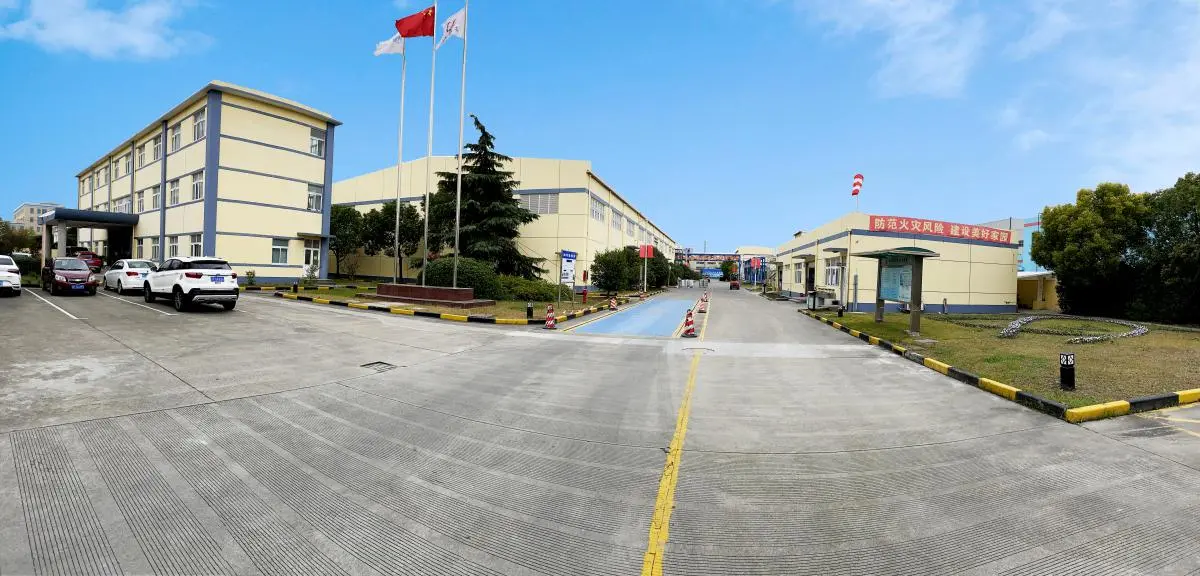
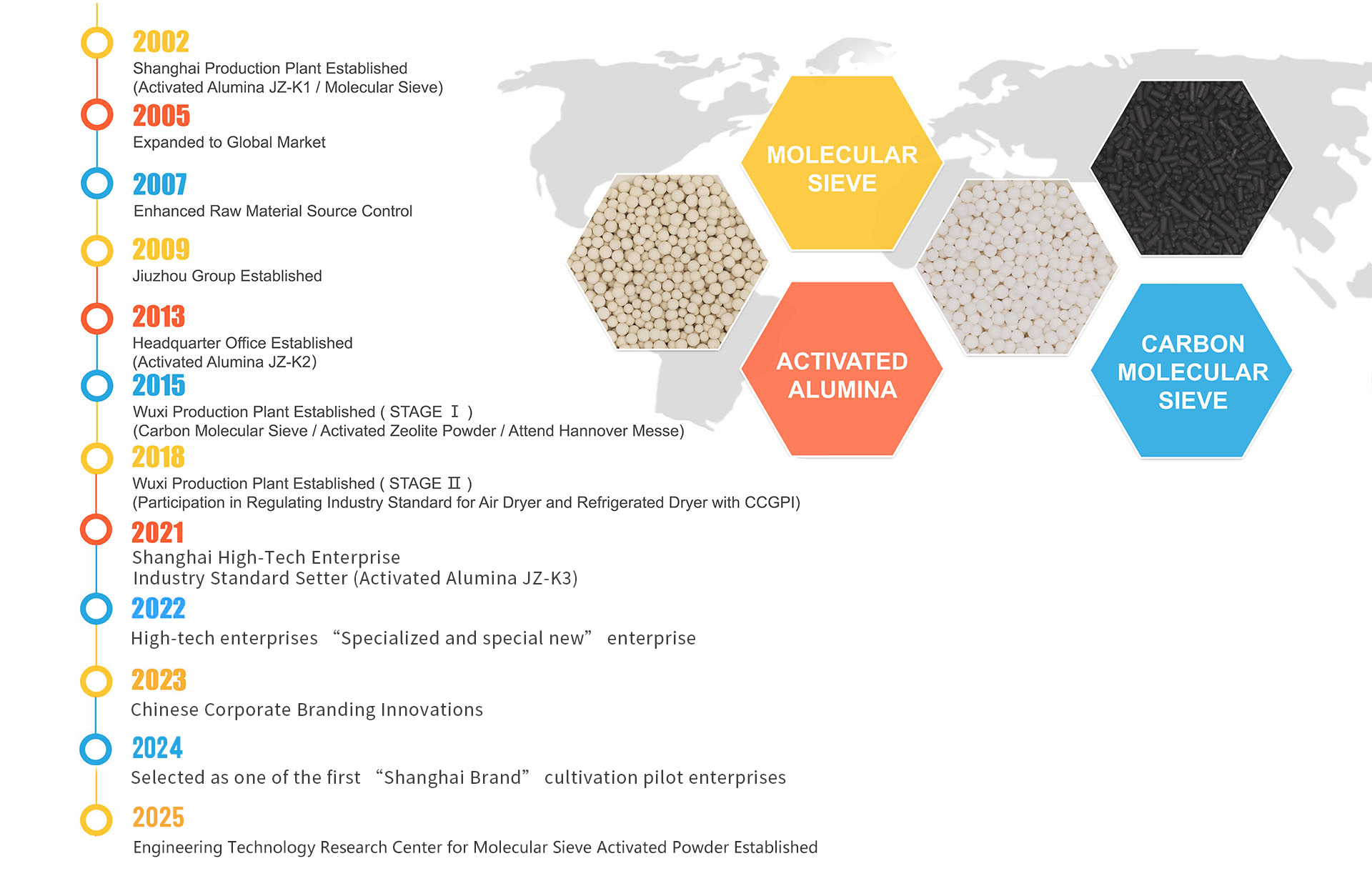
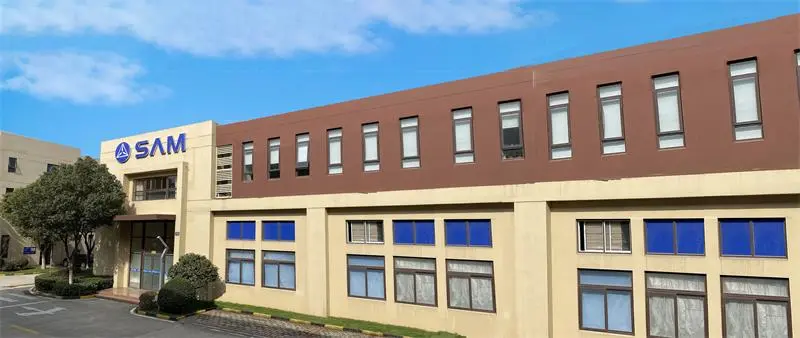
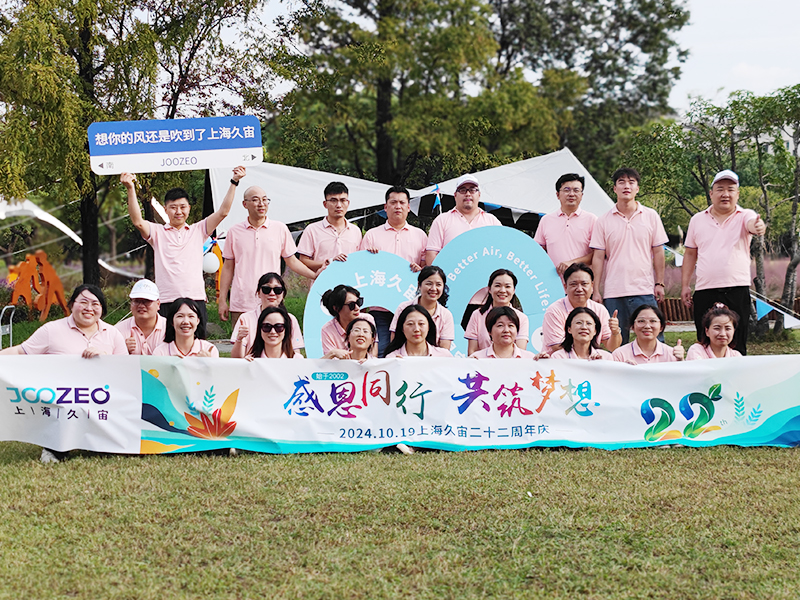
Shanghai Jiuzhou Chemicals Co., Ltd., based in the economic hub of Shanghai, is dedicated to the development, manufacturing, and dynamic optimization of premium adsorption materials. Our comprehensive portfolio includes various molecular sieve powders, molecular sieves, activated powder, activated alumina, aluminum oxide catalysts, ceramic balls, sodium silicates, and advanced zeolites.
Operating out of state-of-the-art facilities in Shanghai and Wuxi, Jiuzhou utilizes world-class production lines overseen by a highly specialized research team. In quality control, we follow ISO 9001:2008 standards along with TUV and SGS certifications, ensuring consistent and high-quality outputs across all production batches.
We maintain deep distribution partnerships in the United States, Southeast Asia, Japan, Europe, and the Middle East, delivering tailor-made, energy-efficient adsorption solutions to multi-national operations.
Our specialized facility focus on high-throughput, automated calcining and packaging processes to meet bulk international orders efficiently.
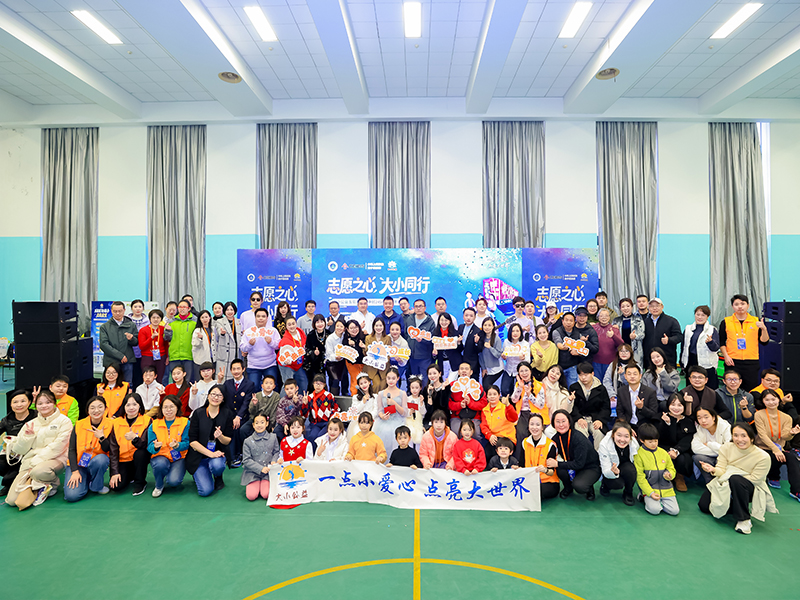
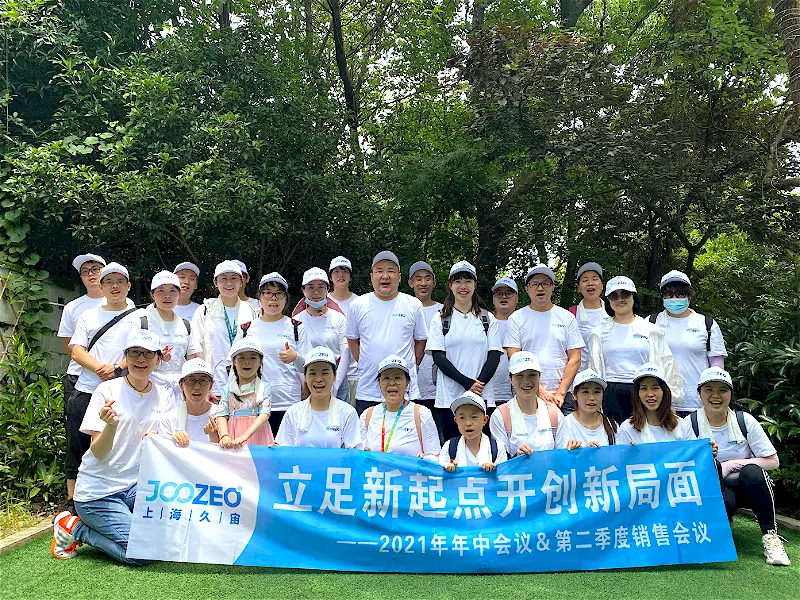
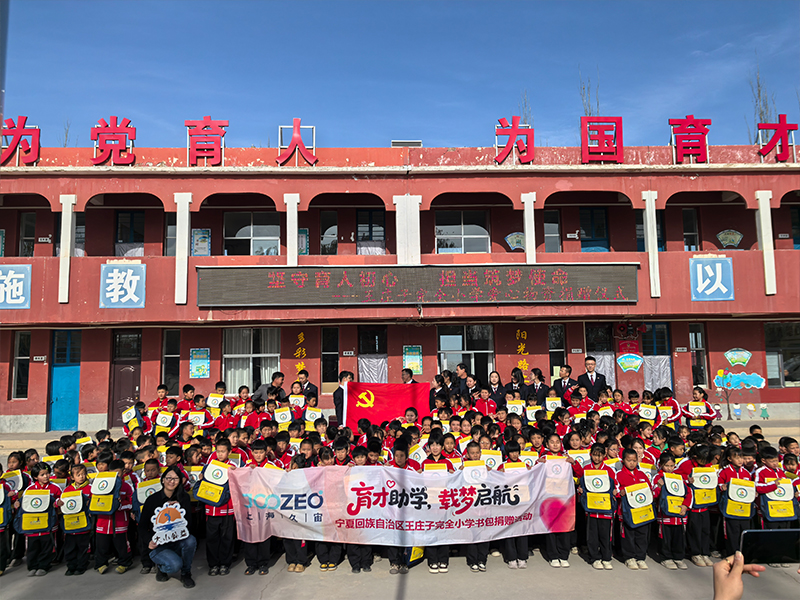
Implementing clean energy protocols and low-emission production loops to align industrial manufacturing with global ecological preservation goals.
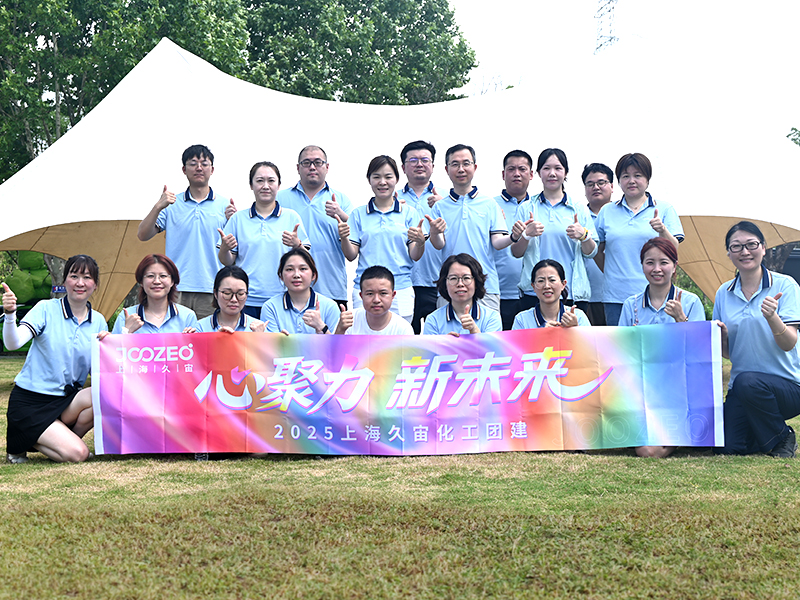
Dynamic and static laboratories tracking equilibrium gas uptake, pore volume, and trace metal content to guarantee technical compliance.
We actively shape domestic and international standards to guarantee performance reliability.
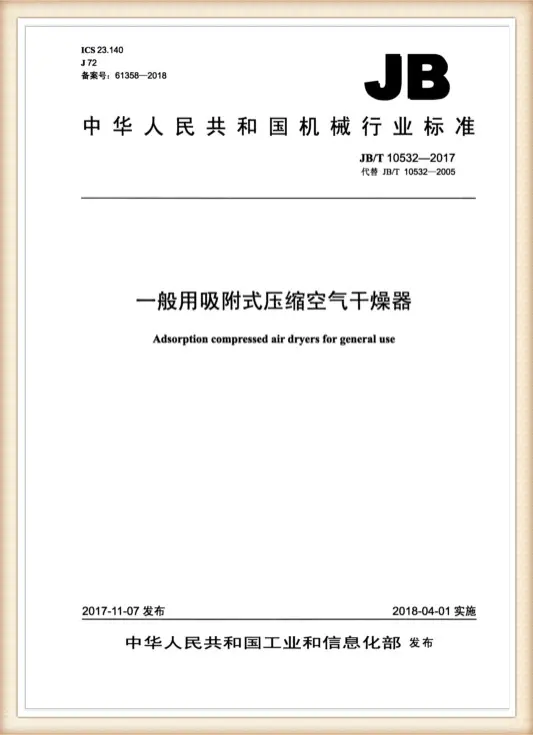
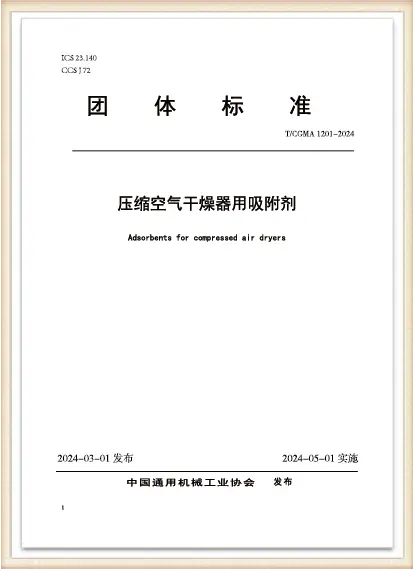
Adsorption compressed air dryers for general use
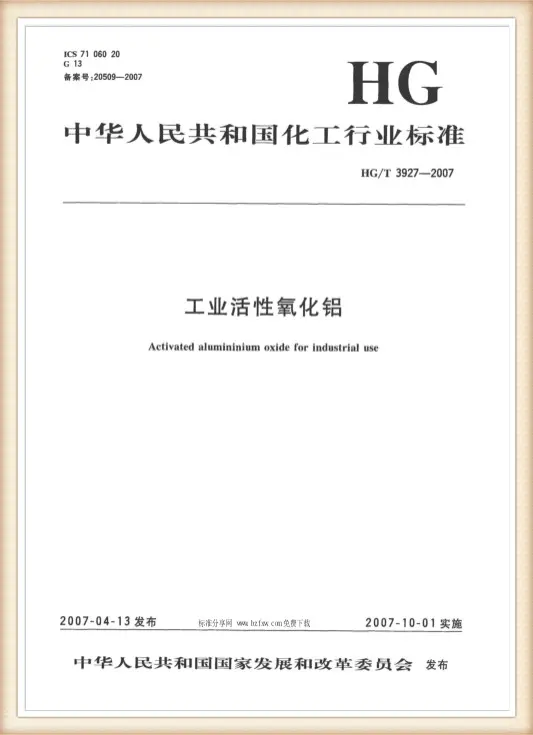
Activated aluminium oxide for industrial use
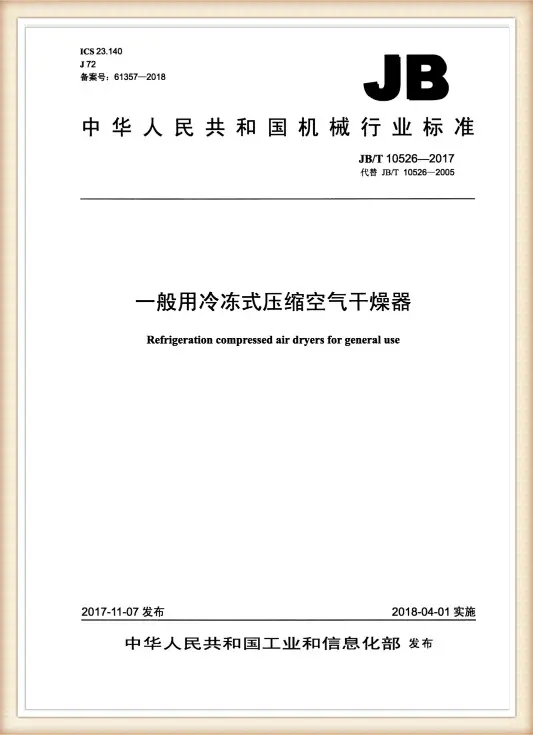
Refrigeration compressed air dryers for general use
General requirements for low carbon drying systems
Chemical industry green production standards
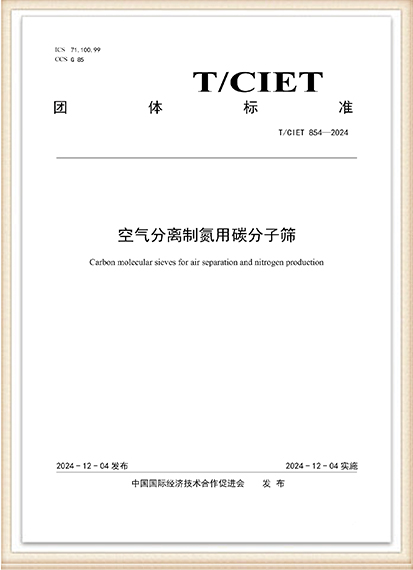
Technical specifications for industrial green zeolites
Innovation vector analysis for the next generation of molecular sieves and catalytic adsorbents.
Standard thermal regeneration ranges from 200°C to 300°C. R&D initiatives focus on designing lattice structures that release target molecules with reduced enthalpy requirements, aiming to lower regeneration temperatures to 120°C-150°C and realize substantial utility energy savings.
By wrapping a molecular sieve 13X core in a highly resilient macroporous protective shell, we are developing composites that boast high catalytic resistance to acidic process gases while maintaining the rapid adsorption kinetics of the parent zeolitic core.
Utilizing dynamic fluid simulation coupled with adsorption isotherm data, we provide customers with digital twin simulation services. This optimizes physical load distributions within vessels and accurately forecasts remaining useful life (RUL).
Addressing technical inquiries regarding the chemistry, application, and sourcing of 13X Molecular Sieves.
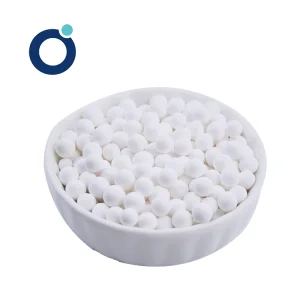
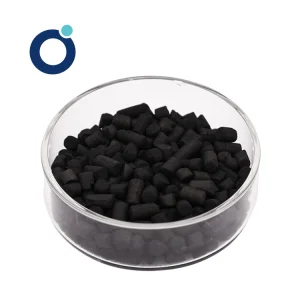
Browse our broader range of industrial-grade synthetic zeolites, activated aluminas, and specialty carbons.