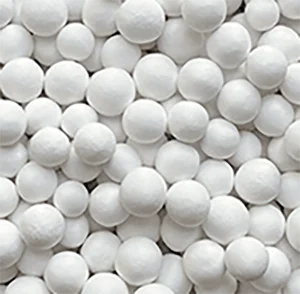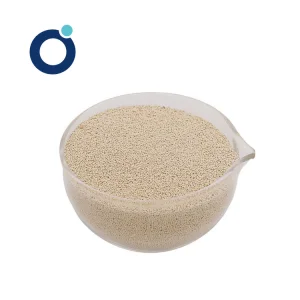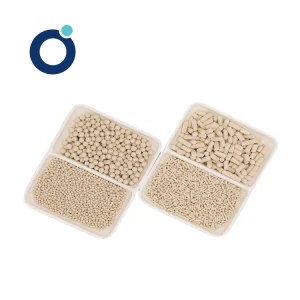
Explore our core high-efficiency products certified under global industrial standards.
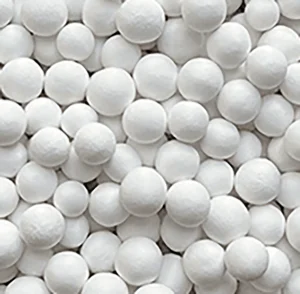
Molecular sieves, primarily crystalline synthetic zeolites (typically structures of Type A and Type X), are renowned for their highly uniform pore structures and exceptional capacity to selectively adsorb gases and liquids based on molecular size and polarity. However, to unleash their full thermodynamic potential, these porous crystals must undergo a meticulous process called activation (or thermal regeneration).
In its raw, non-activated state, the crystalline aluminosilicate framework of a molecular sieve is saturated with water molecules trapped within its sub-nanometer cages (β-cages and supercages). Activation is the process of removing this intra-crystalline moisture without damaging the crystalline lattice itself. For OEM suppliers and factories, optimizing this thermal phase transition is critical to achieving target adsorption rates and long-term mechanical integrity.
Breaking the strong electrostatic bonds between polar water molecules and the framework cations (typically Na+, K+, or Ca2+) requires precise heat application.
Utilizing a dry, non-reactive purge gas (such as nitrogen or dry air) sweeps away desorbed water molecules to prevent local hydrothermal degradation.
Heating too rapidly while moisture is present creates high localized steam pressure, which can collapse the crystalline framework structure.
Depending on whether activation is executed in a controlled industrial rotary kiln or a localized gas processing unit, the parameters must align with the thermodynamic properties of the specific zeolite. Below is the optimized factory protocol for thermal activation:
| Zeolite Type | Pore Diameter | Optimum Activation Temp | Critical Limit (Structural Collapse) | Primary Application |
|---|---|---|---|---|
| 3A (Potassium Zeolite A) | ~3 Å | 200°C - 250°C | 450°C | Ethanol dehydration, unsaturated hydrocarbon drying |
| 4A (Sodium Zeolite A) | ~4 Å | 220°C - 280°C | 500°C | Compressed air drying, closed-loop gas recirculation |
| 5A (Calcium Zeolite A) | ~5 Å | 250°C - 300°C | 550°C | Hydrogen purification, PSA separation of n-paraffins |
| 13X (Sodium Zeolite X) | ~9 Å | 280°C - 350°C | 600°C | Air separation unit (ASU) prep, CO2 removal |
The industrial adsorption landscape is undergoing a massive paradigm shift driven by ESG mandates and energy transition policies. Traditionally, activation and regeneration cycles in petrochemical plants were highly energy-intensive, accounting for a significant portion of Scope 1 carbon footprints. Modern innovations focus on lowering activation temperatures and developing advanced physical adsorption methods.
The Hydrogen Economy & Carbon Capture: As the demand for fuel-cell grade green hydrogen surges, PSA (Pressure Swing Adsorption) systems demand high-purity molecular sieves activated to precise residual water ratings (< 0.5% by weight). Our advanced factory processes guarantee stable adsorption dynamics, even in extreme industrial settings.
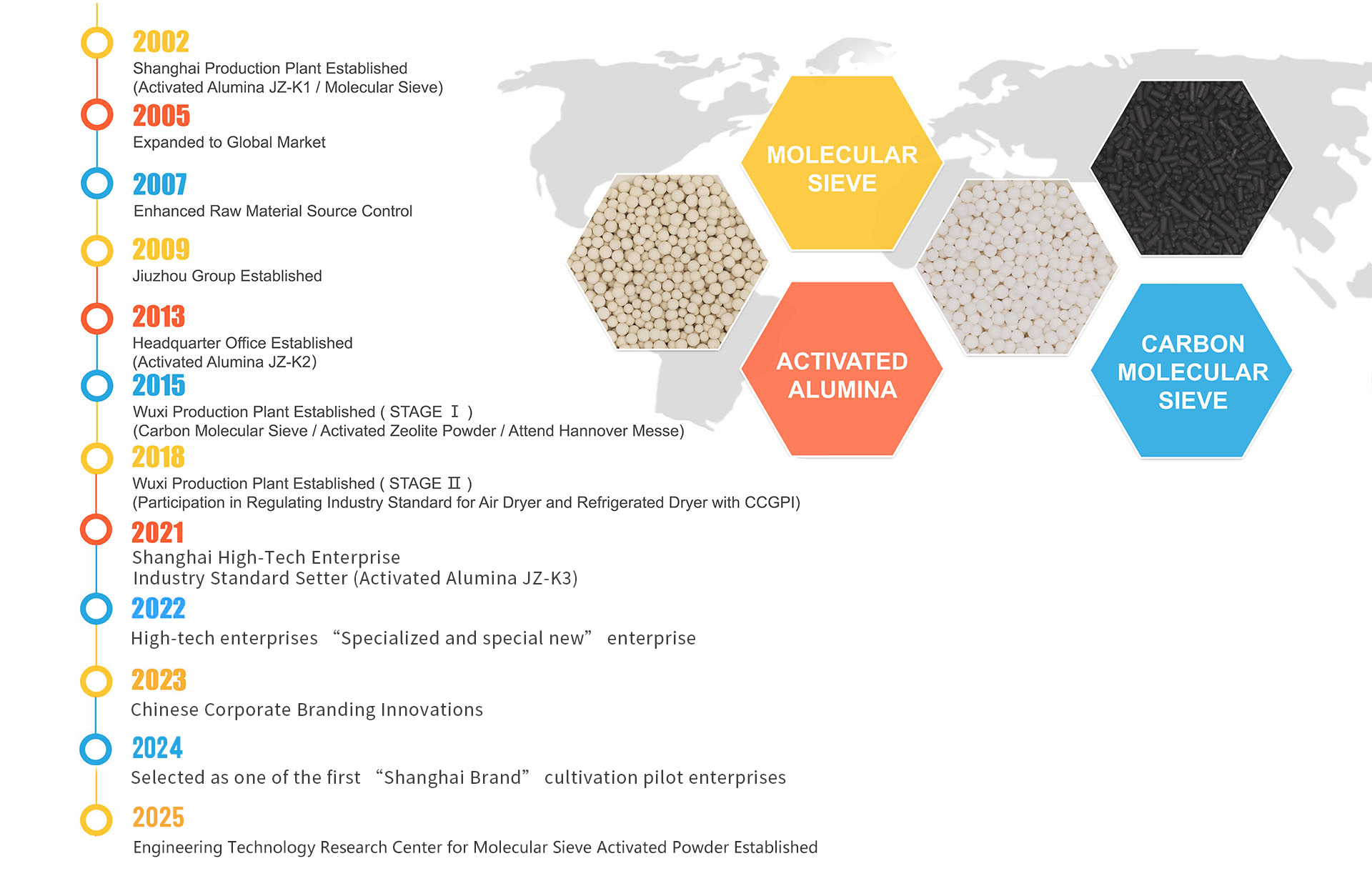
Procuring adsorbents at scale involves assessing multiple structural and chemical properties. B2B purchasers must evaluate parameters that directly impact operational lifecycles and cycle times. Below are the key engineering metrics monitored by top-tier global EPCs (Engineering, Procurement, and Construction firms):
All materials undergo third-party auditing to guarantee international safety, environmental, and quality metrics.
Simulating industrial environments to measure flow velocities, moisture breakthrough curves, and thermal regeneration limits.
Supply networks spanning North America, Europe, the Middle East, and Southeast Asia to minimize shipping times.
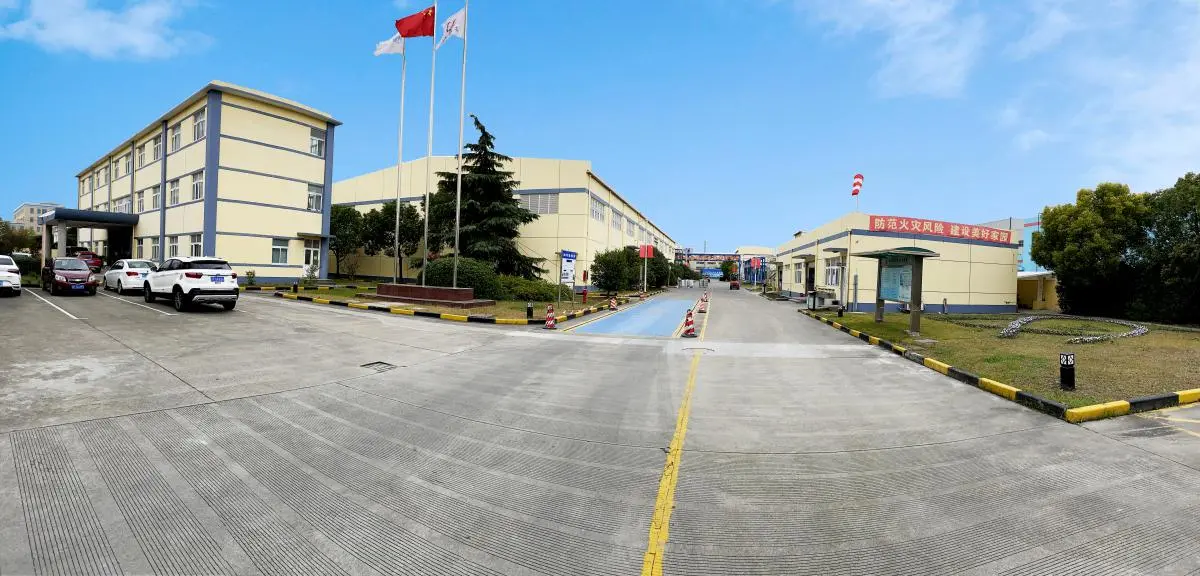
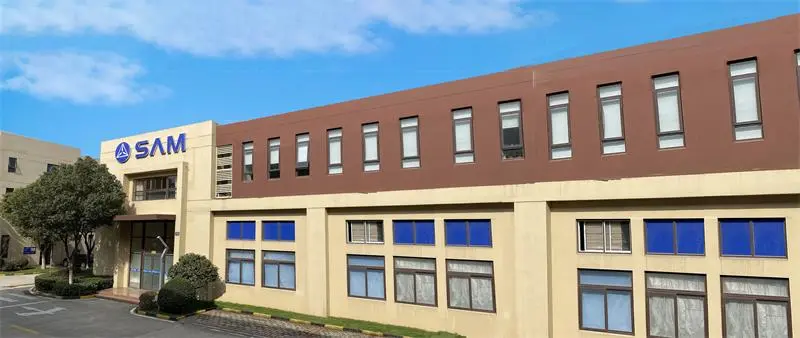
At JOOZEO (Shanghai Jiuzhou Chemicals Co., Ltd.), our manufacturing facilities in Shanghai and Wuxi leverage the principles of Industry 4.0 to guarantee supply chain resilience, process consistency, and superior quality control. Automated dosing, continuous rotary activation kilns, and real-time monitoring of thermal profiles ensure that every batch of molecular sieve conforms to our rigid structural standards.
By automating raw material feed loops and kiln temperature regulations, we reduce batch-to-batch variability by over 95%. Our integrated carbon-neutral processes minimize energy waste, ensuring our products assist our clients in meeting their global green supply chain targets.
Our molecular sieves and activation technologies are applied globally, addressing unique structural and environmental challenges. Below are three representative use cases illustrating how our custom designs provide critical process solutions:
Challenge: Extremely high ambient inlet temperatures (often exceeding 45°C) and substantial trace concentrations of acidic compounds (H2S and CO2) which degrade standard adsorbents.
Solution: We developed a customized 4A zeolite formulation with improved acid-resistant binders. Optimized activation kinetics ensure that the dynamic water adsorption capacity remains stable across thousands of thermal swing adsorption (TSA) cycles, reducing system maintenance downtime.
Challenge: Requirements for high-purity medical oxygen separation (dew point below -60°C) with rapid, low-temperature pressure swing adsorption cycles.
Solution: The JZ-ZMS lithium-based series utilizes optimized micro-pores for preferential nitrogen adsorption over oxygen. Low-temperature heat activation protocols allow device manufacturers to integrate compact, low-energy reactivation systems directly into hospital backup generators.
Challenge: Demanding liquid-phase dehydration down to moisture contents below 0.5% weight, where co-adsorption of ethanol is a primary concern.
Solution: Utilizing our precision 3A molecular sieves prevents ethanol molecules (critical diameter 3.6 Å) from entering the 3 Å pore structure. Only water is selectively adsorbed, optimizing ethanol yield and reducing energy loss.
JOOZEO proudly defines and sets standards across national and industrial chemical sectors.
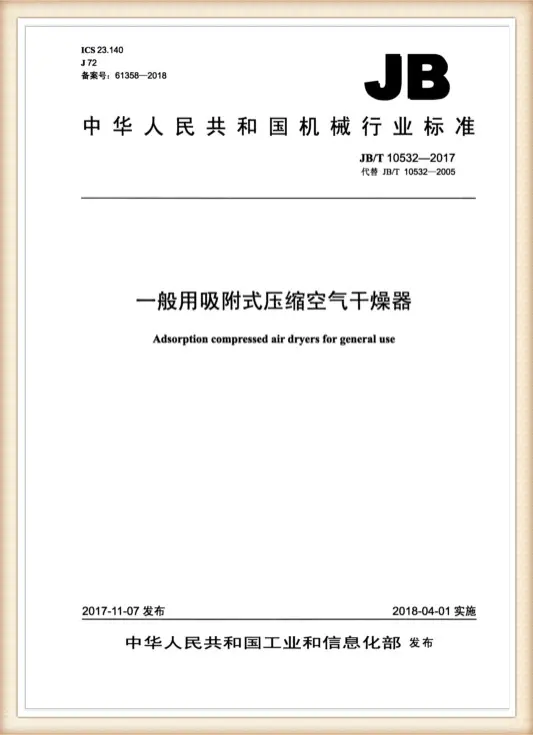
JB / T 10532-2017
Adsorption compressed air dryers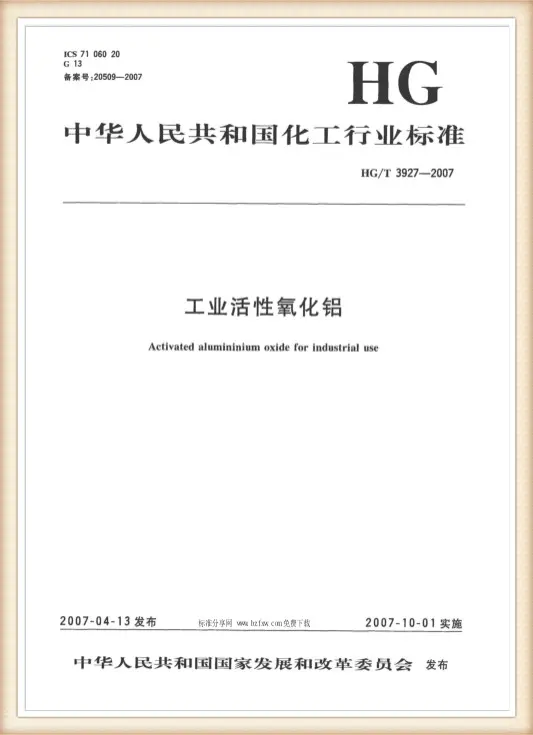
HG / T 3927-2007
Activated aluminium oxide for industrial use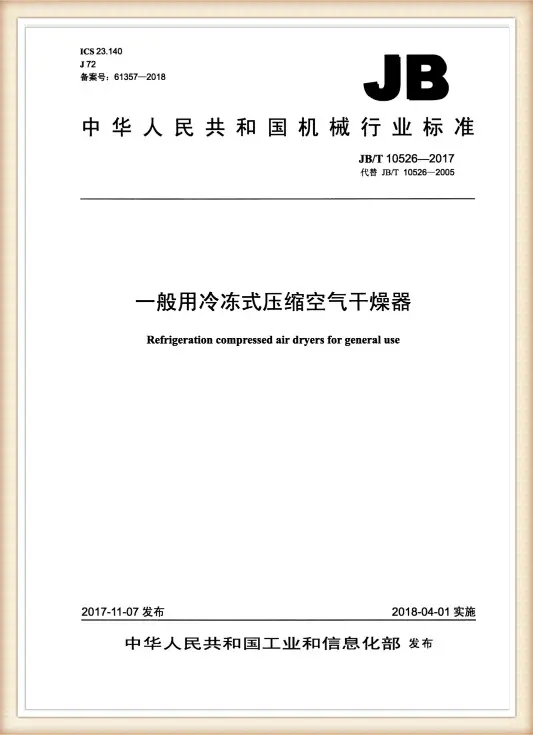
JB / T 10526-2017
Refrigeration compressed air dryers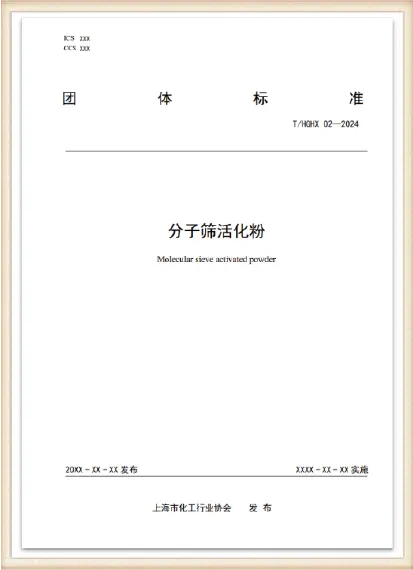
T / CGMA1201-2024
Standard Group Adsorbents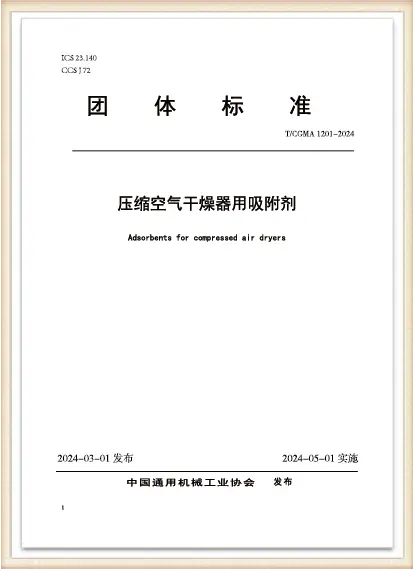
T / HGHX 02—2024
Industrial Chemical Standards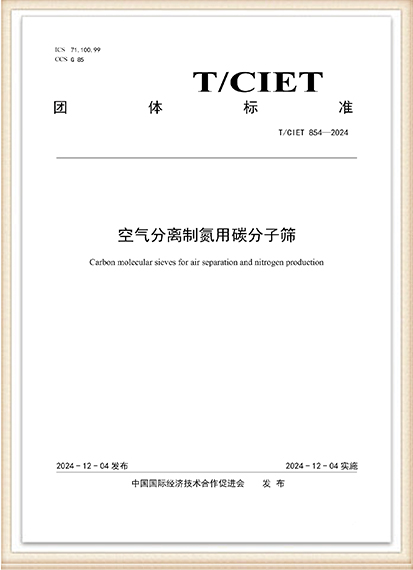
T / CIET 854-2024
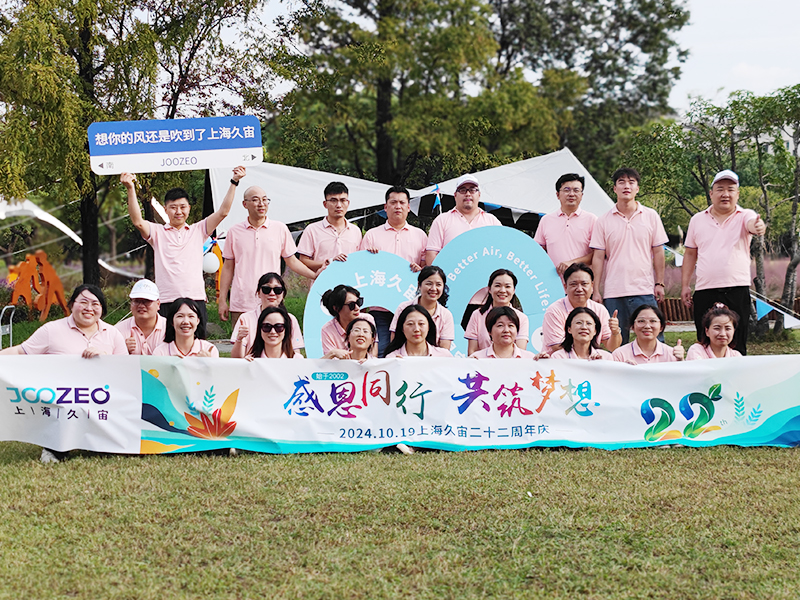
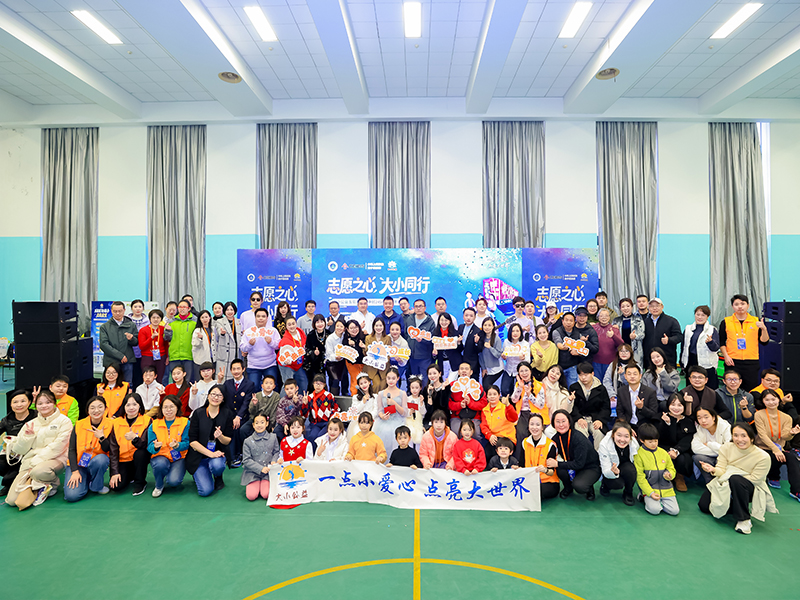
Industrial Green AdsorbentsDriving environmental sustainability through clean chemical practices and green operations.

Expert answers to common queries regarding adsorption regeneration and activation.
For optimal activation, standard Type A sieves (3A and 4A) are activated between 200°C and 250°C. High-performance Type X sieves (13X) require higher activation temperatures ranging from 280°C to 350°C. Temperatures must be regulated carefully to prevent framework collapse.
Yes. Overheating molecular sieves above their thermal stability limit (typically 450°C - 600°C depending on cation type) or heating too rapidly in high moisture settings leads to hydrothermal degradation. This permanently damages the crystalline pore structure, reducing dynamic adsorption capacity.
In standard industrial operations utilizing clean process streams (no heavy hydrocarbons or trace acids), high-quality molecular sieves can withstand 3,000 to 5,000 activation/regeneration cycles, which translates to an operational lifetime of approximately 3 to 5 years.
Purge gas (typically dry nitrogen or dry air) lowers the partial pressure of water vapor around the adsorbent bed. It carries desorbed moisture out of the system, preventing water from re-adsorbing onto the zeolites during the cooling cycle.
High performance catalyst supports, carbon molecular sieves, and chemical carriers.
Our engineering team answers all technical enquiries within 24 hours. Contact our experts today.
Send Request / Inquiry