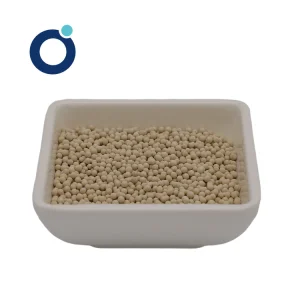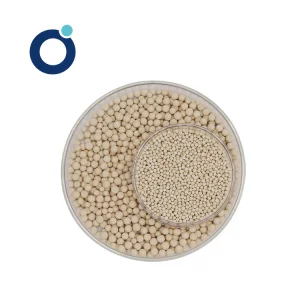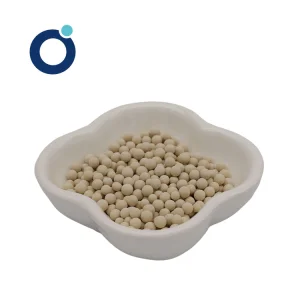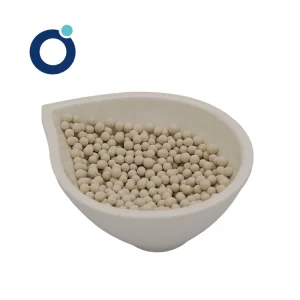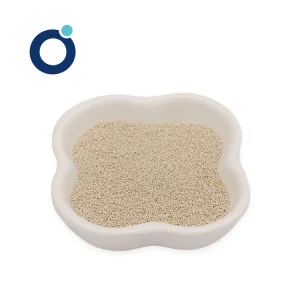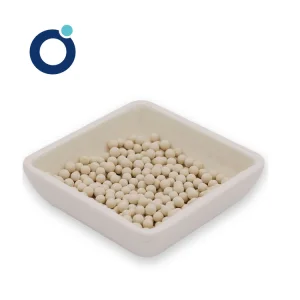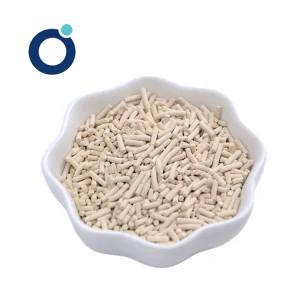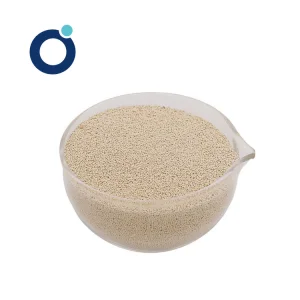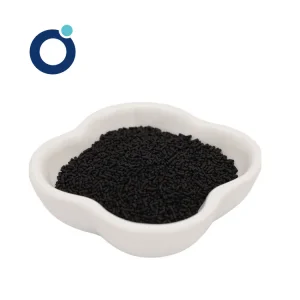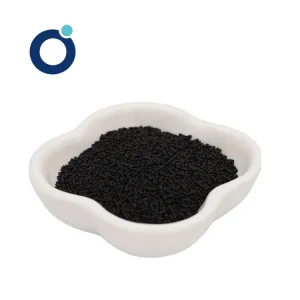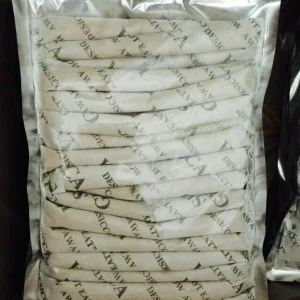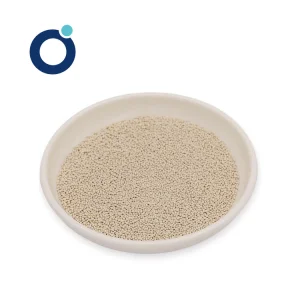
Specially calibrated zeolites designed for deep dehydration, trace impurities removal, and process efficiency in Algerian manufacturing systems.
Algiers, the strategic Mediterranean and North African economic gateway, commands a critical position in global hydrocarbon refining, logistics, and process engineering. As the administrative capital of Algeria's state energy sector and a regional pivot for Sonatrach's expansive hydrocarbon activities, the Algiers industrial zone requires high-performance adsorption media to sustain massive gas-to-liquid (GTL), liquefied natural gas (LNG), and refining operations.
Modern process dynamics in Algerian chemical facilities call for specialized zeolites that can withstand extreme thermal regeneration cycles while maintaining structural integrity. From the Sidi Arcine refinery near Algiers to the major logistics and maritime ports, industrial engineers face the ongoing challenge of dew point management, moisture minimization, and trace impurity mitigation. Standard commercial molecular sieves often fall short under the harsh high-ambient-humidity maritime climates of coastal Algeria, making our custom-engineered molecular sieves the preferred choice for major local projects.
Targeting gas stream dehydration down to below 0.1 ppmv water content, optimizing feeds for cold box liquefaction processes at major ports and domestic storage.
Using specialized synthetic zeolites to remove trace hydrogen sulfide (H2S), mercaptans, and carbon dioxide (CO2) to safeguard transmission pipelines from corrosion.
Employing high-purity Carbon Molecular Sieves (CMS) inside nitrogen generation systems to support inert gas blanketing for the Algerian shipping sectors.
Engineered for medical gas production, instrument air systems, and extreme temperature dehydration applications across Algeria.
Understanding pore geometry, electrostatic selectivity, and mechanical durability in high-demand separation units.
Molecular sieves are synthetically manufactured crystalline aluminosilicates characterized by an open three-dimensional framework constructed of SiO4 and AlO4 tetrahedra. Because these structures possess highly uniform pore systems of sub-nanometer dimensions, they can selectively adsorb molecules based on size, polarizability, and spatial configuration. This pore architecture is classified primarily into three distinct framework arrangements:
The Zeolite A framework consists of sodalite cages connected via double four-membered rings. By altering the charge-balancing cations within this crystalline matrix, the effective pore diameter can be controlled with extreme precision:
Zeolite X features a faujasite framework containing large supercages (pore opening ~10Å). It is widely utilized in natural gas polishing where simultaneous dehydration and carbon dioxide removal are necessary. Because of its large pore size, Zeolite 13X can capture bulkier compounds such as mercaptans, aromatic hydrocarbons, and long-chain organosulfur impurities. This high-capacity adsorption ensures subsequent cryogenic liquefaction heat exchangers are protected from freeze-out hazards.
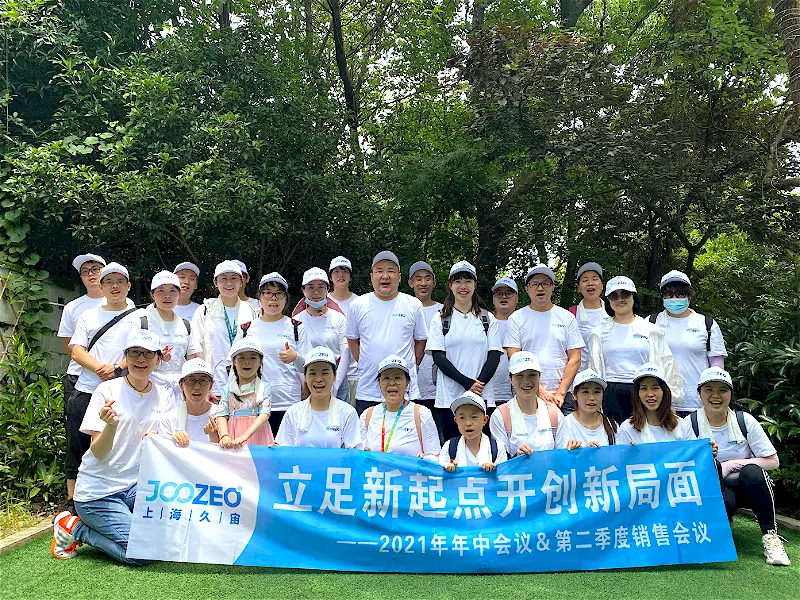
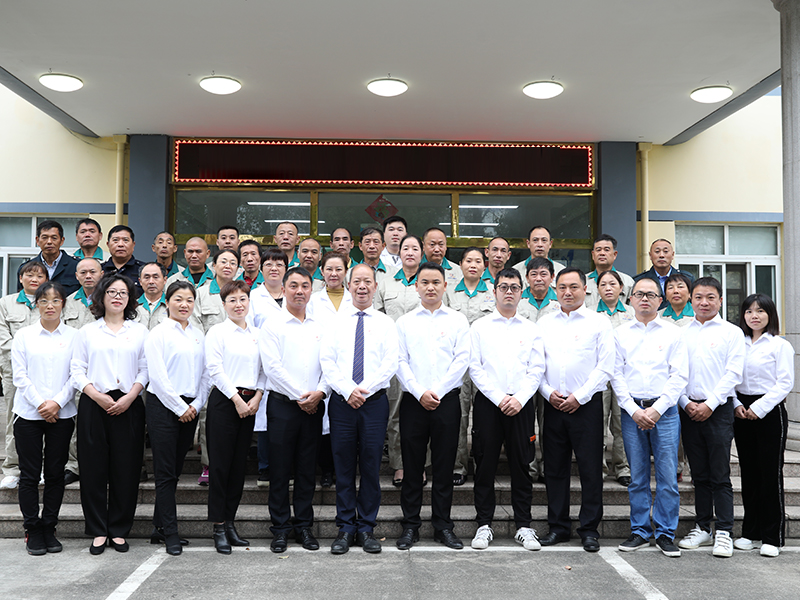
Shanghai Jiuzhou Chemicals Co., Ltd. (Joozeo) operates at the forefront of chemical adsorption technology. With headquarters located in Shanghai, the business operates dual manufacturing bases in Shanghai and Wuxi, totaling 25,000 square meters of production space. Over the past three decades, we have focused on structural innovation and high-grade quality control, ensuring that our products meet and exceed major international quality requirements.
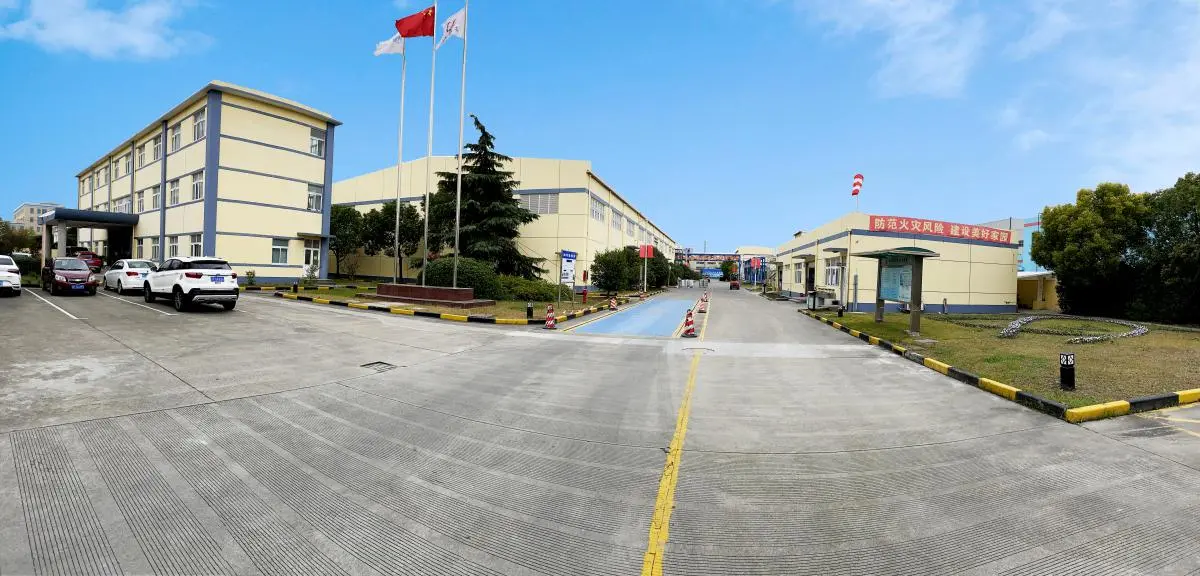
Focuses on high-technology development, premium synthetic zeolite synthesis, dynamic laboratory testing, and global logistics hub management.
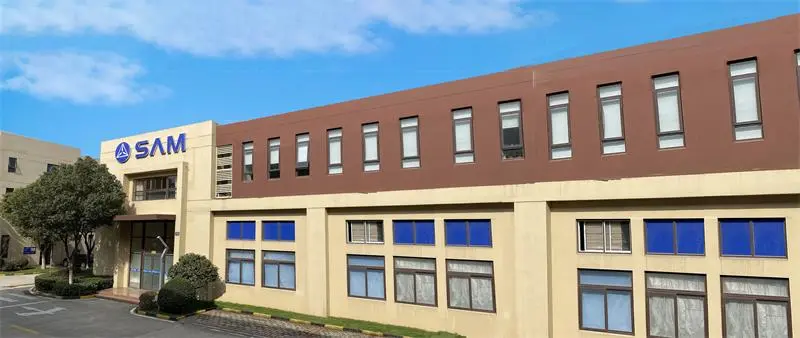
Houses automated raw material processing lines, rotary calcination kilns, and large-scale bulk chemical packaging systems.
Our technical strength is demonstrated by our contribution to national and industrial standards. Joozeo does not merely manufacture products; we define the parameters that guarantee chemical process safety and drying efficiency across the industry.
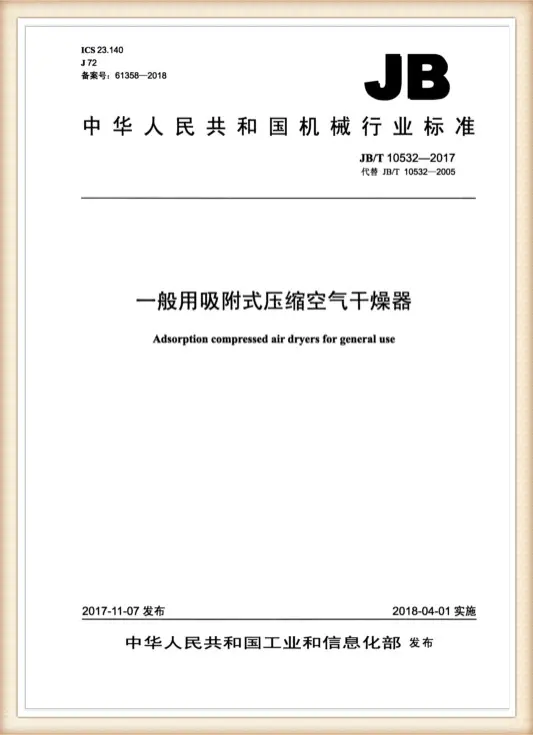
JB / T 10532-2017
Compressed air dryers for general use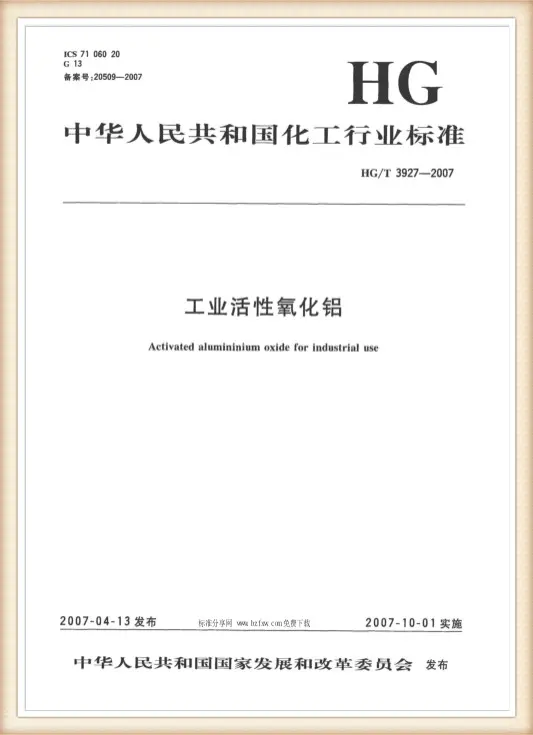
HG / T 3927-2007
Activated alumina for industrial use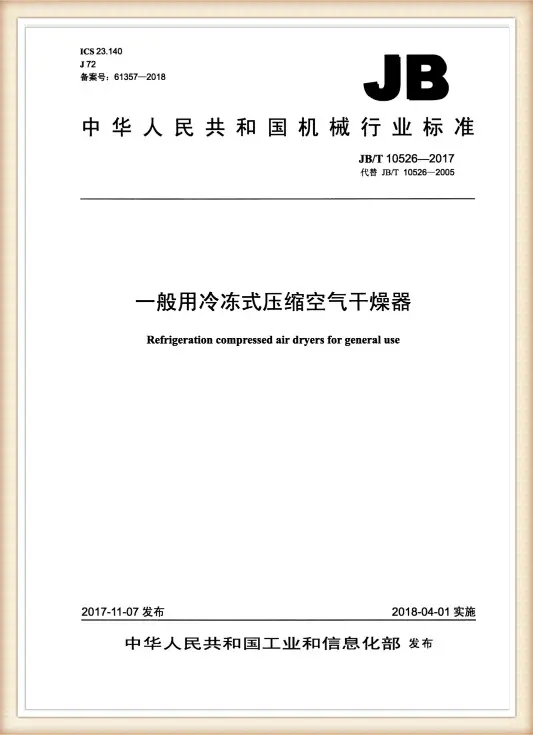
JB / T 10526-2017
Refrigeration dryers for general use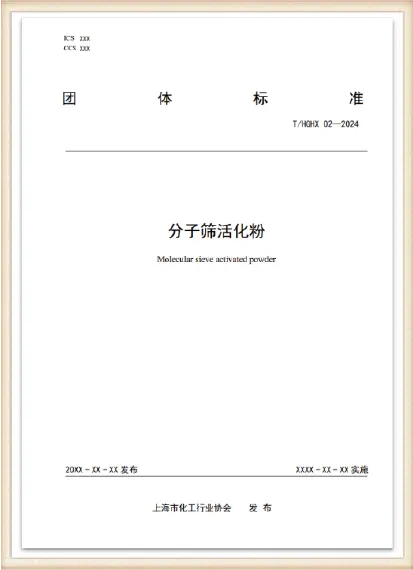
T/CGMA 1201-2024
Association Standard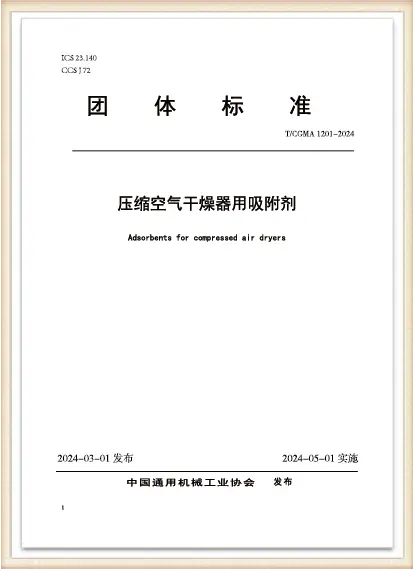
T/HGHX 02—2024
Chemical Standards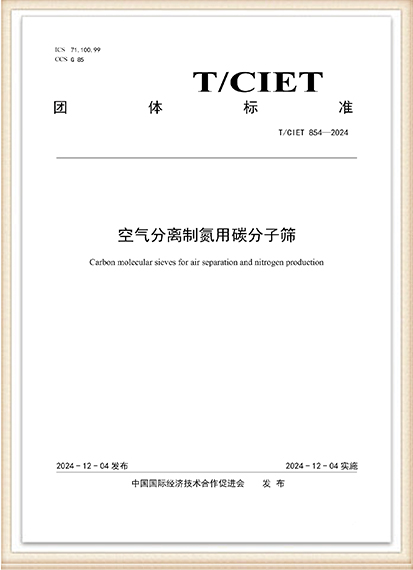
T/CIET 854-2024
Industrial StandardsOur central laboratory is equipped with state-of-the-art analytical equipment including X-ray diffraction (XRD) spectrometers for phase purity validation, atomic absorption spectrometers (AAS) for chemical composition mapping, and high-performance dynamic adsorption test stands. Each batch undergoes rigorous testing to guarantee a minimum of 100% adherence to quality specifications and 100% innovation commitment.
Select from our specialized carbon molecular sieves (CMS) and custom packs to optimize pressure swing adsorption (PSA) gas separation systems.
Procuring adsorption media for critical operations in Algiers demands more than just ordering products; it requires strict supply chain reliability, certified quality standards, and deep logistical integration. Joozeo ensures seamless sea freight transitions from the Port of Shanghai directly to the Port of Algiers (Alger). We implement specialized industrial packaging protocols to prevent ambient moisture ingress during transport:
Available in 55-gallon (150kg) carbon steel drums with dry nitrogen blanket purging and heat-sealed inner polyethylene liners. This prevents pre-activation and preserves the molecular sieve's structure for up to 3 years of shelf life.
Designed for rapid loading systems in large petrochemical vessels. Our 500kg to 1000kg flexible intermediate bulk containers (FIBC) feature multi-layer moisture barriers and heavy-duty lifting loops.
Our technical service team coordinates with plant operators in Algiers to optimize load configurations, prevent bed channeling, and provide precise regeneration thermal profiles.
Our technical strength allows us to optimize the mechanical stability of our zeolites. Standard molecular sieves are prone to dusting when exposed to high flow velocities, resulting in increased pressure drop across the bed. Our formulations incorporate specialized binders that yield outstanding crush strength (up to 80 N for spheres and 45 N for extrudate), ensuring minimal structural breakdown and reliable operation over hundreds of thermal cycles.
Crucial insights for process engineers, procurement leads, and system designers operating in Algiers.
Algiers has a Mediterranean climate with elevated coastal humidity, particularly during winter. When loading molecular sieves, prolonged atmospheric exposure will cause pre-adsorption of moisture. This decreases the zeolite's working capacity and increases the energy needed for initial activation. We recommend loading during dry weather windows, purging the vessel headspaces with dry nitrogen, and using bottom-to-top vacuum loading to minimize atmospheric contact.
Under optimized conditions (with effective pre-filtration to remove liquid water, heavy hydrocarbons, and amines), our molecular sieves typically last between 3 to 5 years in thermal swing adsorption (TSA) configurations. Gradual degradation occurs due to hydrothermal aging (loss of framework crystallinity from repeated exposure to high-temperature steam during regeneration) and carbon deposition (coking).
Yes. In Pressure Swing Adsorption (PSA) nitrogen systems, regeneration of Carbon Molecular Sieves is achieved through rapid depressurization down to near-atmospheric pressure (or under vacuum in VPSA systems). This pressure drop causes the adsorbed oxygen, carbon dioxide, and moisture molecules to desorb from the carbon micropores. Because the process relies on pressure differential rather than thermal changes, regeneration takes place in seconds, allowing for continuous, reliable nitrogen generation.
For the removal of hydrogen sulfide (H2S), methyl/ethyl mercaptans, and dimethyl sulfide (DMS) from natural gas streams, Zeolite 13X is highly effective. With a pore diameter of approximately 10Å and a strong electrostatic field within its sodalite cages, Zeolite 13X easily polarizes and adsorbs organosulfur molecules. In applications with high concentrations of sulfur, a dual-bed configuration consisting of a silica gel layer for bulk moisture removal followed by a 13X layer is recommended to optimize bed life.
For thorough regeneration, the bed heating phase requires a gas stream temperature of 200°C to 250°C for 3A, and 220°C to 280°C for 4A. The heating gas (typically dry methane, nitrogen, or slipstream gas) must flow counter-currently to the adsorption path to ensure any water desorption occurs away from the dry end of the bed. Heating should be followed by a cooling step using a dry gas stream to return the bed temperature to below 40°C before cycling back to adsorption.
Joozeo's quality management system is certified under ISO 9001:2015. Every manufacturing run is subjected to standard testing protocols, including ASTM/GB standards for attrition loss, bulk density, equilibrium water capacity (at 10% and 80% relative humidity), particle size distribution, and crush strength. Complete certificates of analysis (COA) are provided with every shipment.
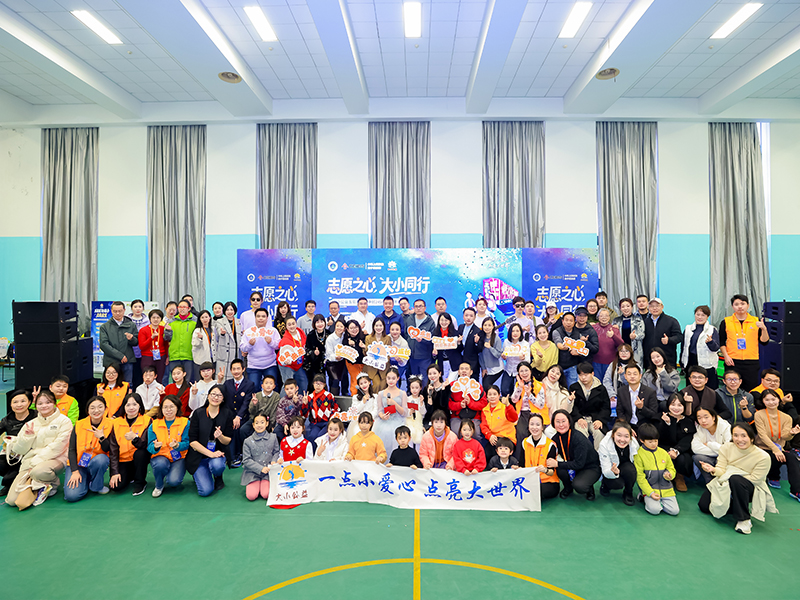
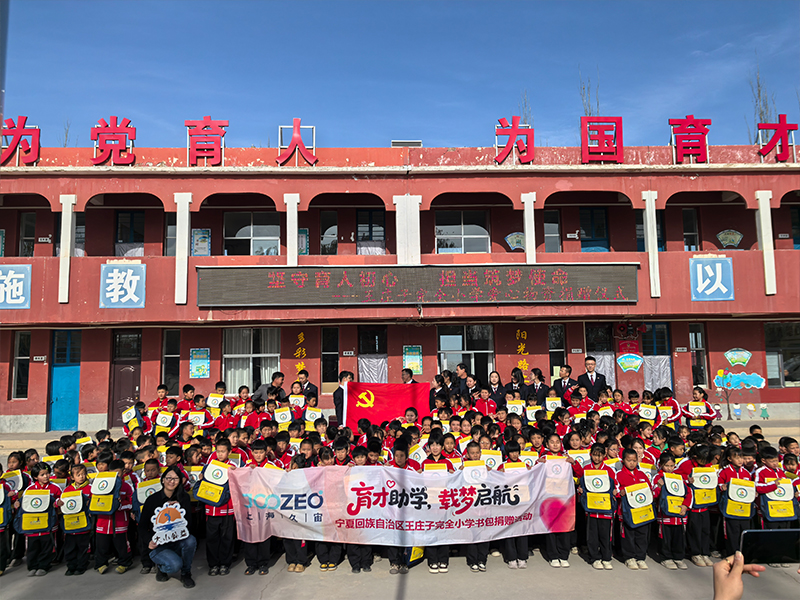
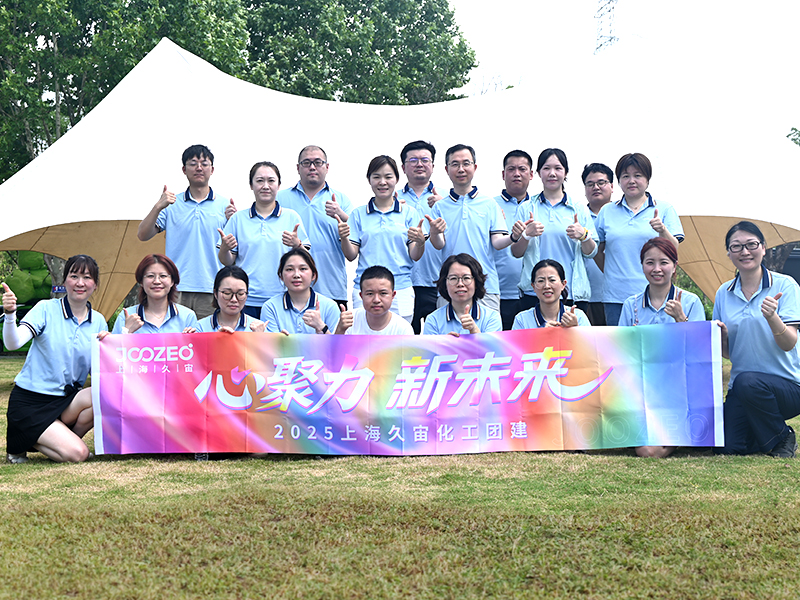
At Shanghai Jiuzhou Chemicals, we operate with a strong sense of social responsibility. Our core mission, "Better air, Better life", is reflected in our environmentally friendly manufacturing processes. We employ advanced closed-loop water filtration systems and energy-efficient rotary calciners to minimize our carbon footprint.


Are you planning a molecular sieve replacement or designing a new gas treatment system for your facility in Algiers? Contact our technical team today for comprehensive support.