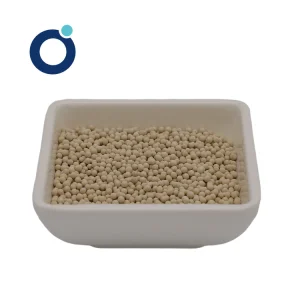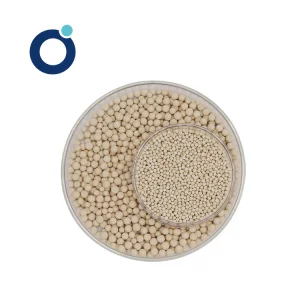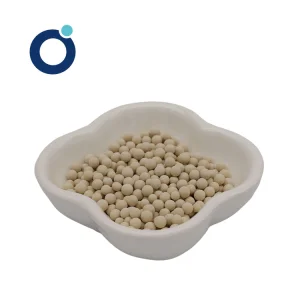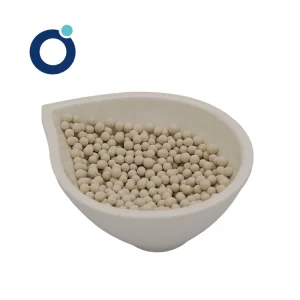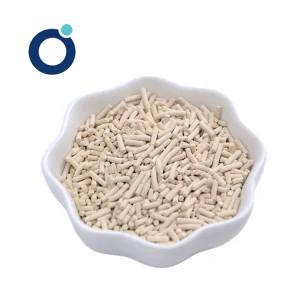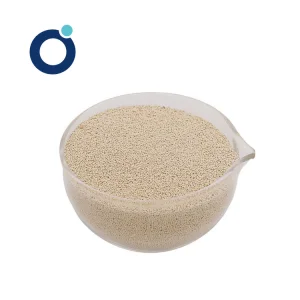
Premium Synthetic Zeolites engineered for deep dehydration and gas separation processes across Aichi Prefecture's high-tech manufacturing plants.
Nagoya, as the engine room of the Chubu industrial region, represents the pinnacle of Japan's automotive, aerospace, and advanced manufacturing sectors. The local industry relies on exceptionally high-purity processing environments where moisture, trace hydrocarbons, and atmospheric contaminants are strictly controlled. In this high-stakes production environment, molecular sieves are critical to guaranteeing process reliability and performance.
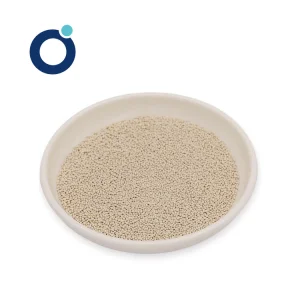
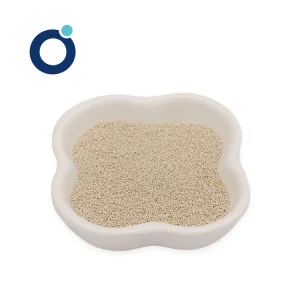
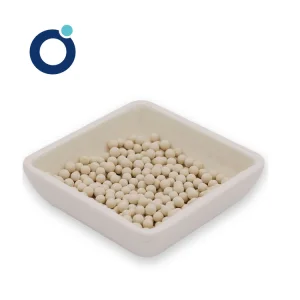
Whether it is in the drying of polyurethane automotive sealants, cryogenic air separation units (ASUs) generating high-purity nitrogen for electronics, or the purification of hydrogen stream feeds for local energy projects, standard commercial desiccant solutions are insufficient. High-tech assembly plants in Toyota City, Tokai, and Yokkaichi require advanced crystalline aluminosilicates (zeolites) with precise pore-diameter distributions and exceptional mechanical crushing strength to survive repetitive thermal swing adsorption (TSA) cycles without attrition.
Our specialized products are tailored to match the rigorous parameters of Japan’s industrial standards. By maintaining low dust emission, high bulk density, and predictable adsorption isotherms, we help Nagoya’s manufacturers limit maintenance downtime and reduce carbon footprints via optimized thermal regeneration cycles.
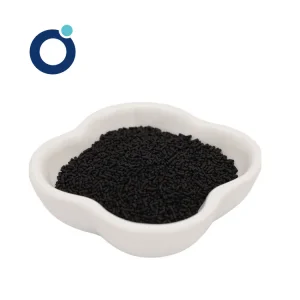
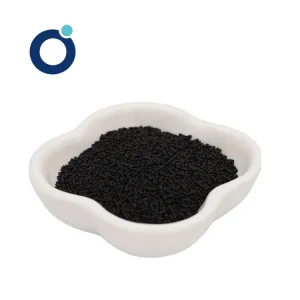
As Nagoya drives the adoption of hydrogen fuel-cell vehicles (FCVs), our carbon molecular sieves and high-selectivity zeolites are vital in PSA purification units, enabling fuel stations to achieve ISO 14687 Grade D hydrogen purity (99.97%+).
Maintaining a stable dew point down to -70°C in semiconductor manufacturing. Our LTA and FAU-structured zeolites prevent micro-condensation and wafer contamination on high-throughput fabrication lines.
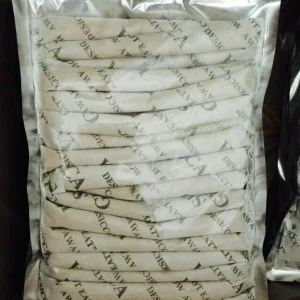
Moisture scavenger powders (such as JZ-ZAS series) ensure bubble-free paint finishes and prevent premature cross-linking in dual-component polyurethane adhesive matrices during chassis assembly.
Aligning with Japanese Kanban/JIT (Just-In-Time) systems to ensure uninterrupted chemical material sourcing and quality control compliance.
Every single delivery is accompanied by verified Certificate of Analysis (COA) records. From raw material slurry preparation to calcination, we maintain complete traceability records under ISO 9001:2008 management protocols, satisfying the strict quality standards of top-tier Japanese OEMs.
Leveraging Shanghai and Wuxi factory locations to dispatch sea freight directly to Nagoya Port. Our optimized routing minimizes transit times to 4-5 days, establishing a robust supply buffer against geopolitical or macroeconomic logistical disruptions.
Our synthetic zeolites and carbon molecular sieves are fully compliant with RoHS and REACH regulations, matching the environmental protection directives mandated by the Ministry of Economy, Trade and Industry (METI) of Japan.
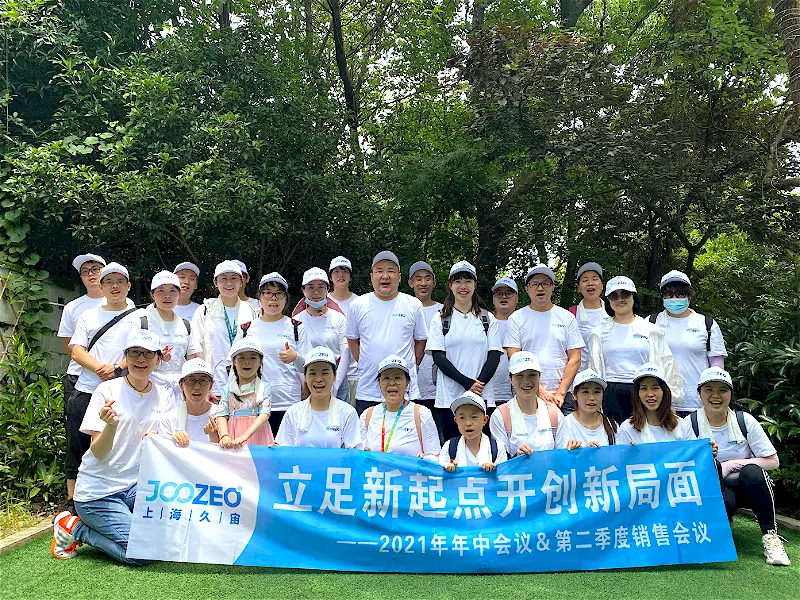
Shanghai Jiuzhou Chemicals Co., Ltd. is located in the major economic and development hub of Shanghai. Over the years, Jiuzhou has consistently adhered to the principles of "Quality Control, Continuous Innovation," committing ourselves to the R&D, manufacturing, and technical optimization of high-grade innovative chemical products.
Our product line features various specialized molecular sieve powders, active powders, activated alumina, catalysts, ceramic balls, sodium silicates, and specialty zeolites. All operations and manufacturing outputs conform to the strict requirements of the ISO 9001:2008 Quality Management System, as well as TUV and SGS certifications.
Our automated, multi-functional workshops operate alongside central laboratories equipped with state-of-the-art monitoring and dynamic adsorption testing instruments. This allows JOOZEO to establish complete performance profiles (such as water adsorption capacity, attrition rate, and crush strength) under simulated process environments before shipment to global hubs including the United States, Europe, and Japan.
Learn More & Contact Us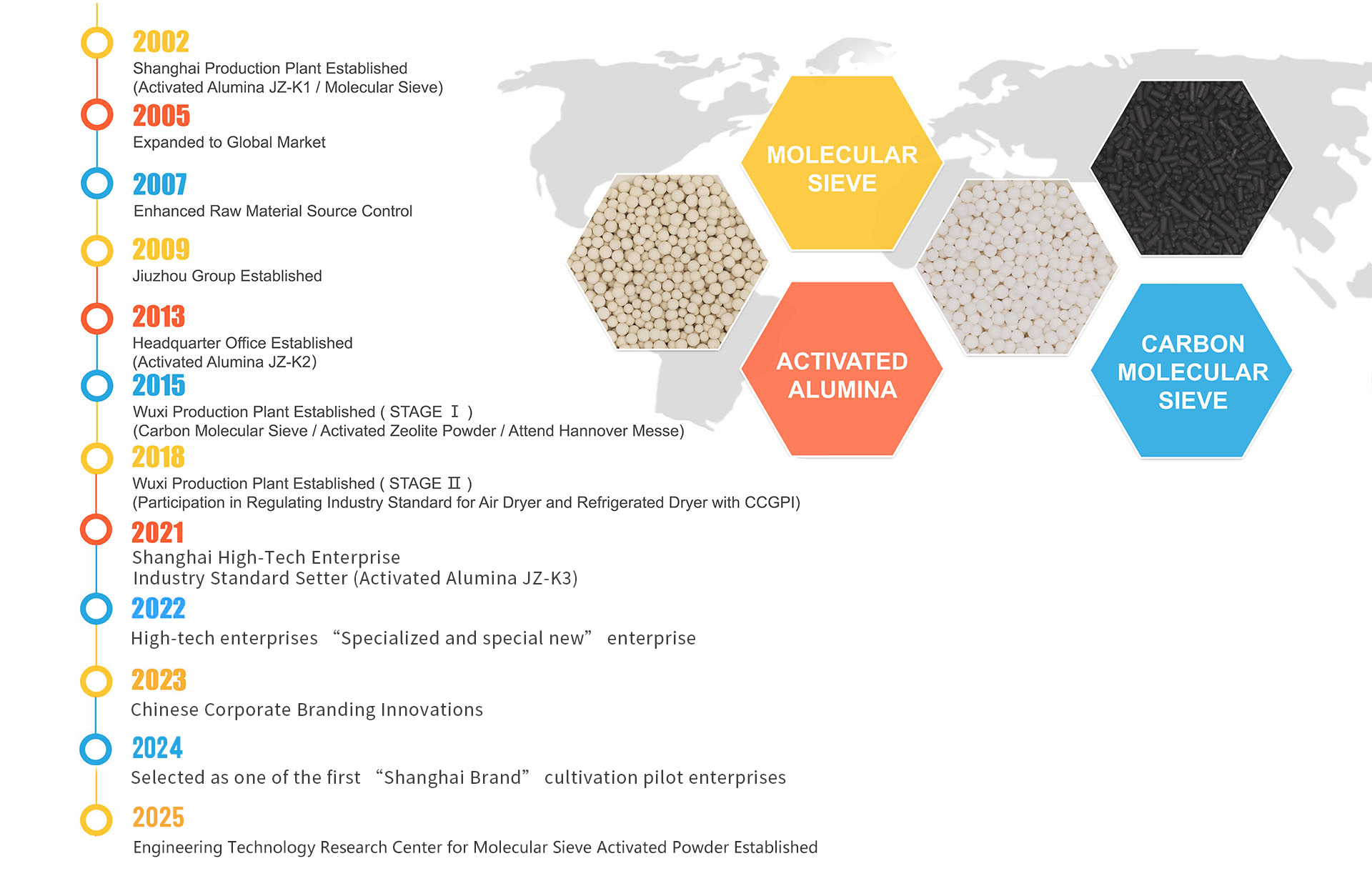
Time of Establishment
Countries with Trade Relations
Company Area (Square Meters)
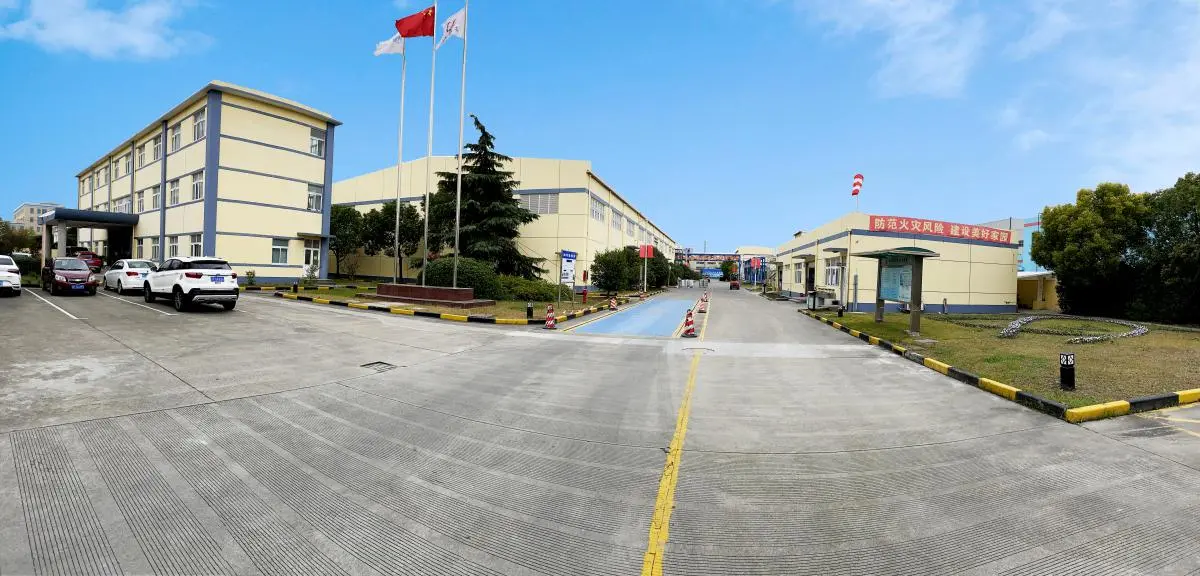
Our dual-factory network provides high production capacity, ensuring robust product availability and delivery security for industrial customers in Nagoya and surrounding prefectures.

Molecular sieves operate on the principle of selective adsorption based on physical size exclusion and electrostatic attraction. The crystalline framework consists of tetrahedral SiO4 and AlO4 units coordinated by shared oxygen atoms. This structure creates highly uniform, microscopic channels (pores) that selectively capture molecules with a kinetic diameter smaller than the pore opening.
For example, type 3A zeolites (pore size ~3 Å) are ideal for drying cracked gas, ethylene, and ethanol because they exclude larger hydrocarbons, preventing co-adsorption and subsequent catalytic coking of the adsorbent bed. Conversely, type 13X (pore size ~10 Å) provides a larger pore space to capture bulkier sulfur species, heavy polar compounds, and moisture simultaneously, making it suitable for front-end air purification in cryogenic separation units.
In Pressure Swing Adsorption (PSA) systems, such as nitrogen generators using Carbon Molecular Sieves (CMS), the separation relies on kinetic adsorption rates. Oxygen molecules (kinetic diameter 3.46 Å) diffuse into the micropores of the carbon matrix much faster than nitrogen (kinetic diameter 3.64 Å), allowing the system to output high-purity nitrogen gas from a compressed air feed.
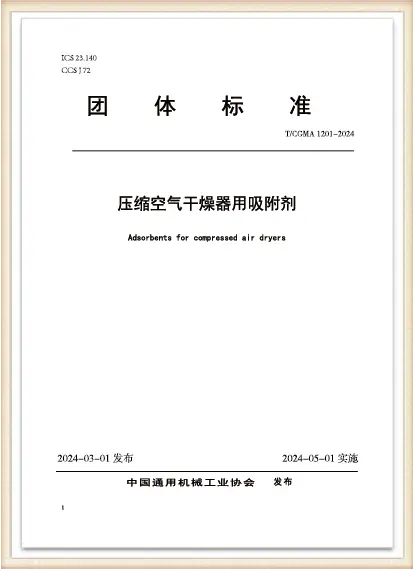
Jiuzhou is a participant in setting standards for the adsorption and drying industry. We ensure that all products comply with national and international quality parameters.
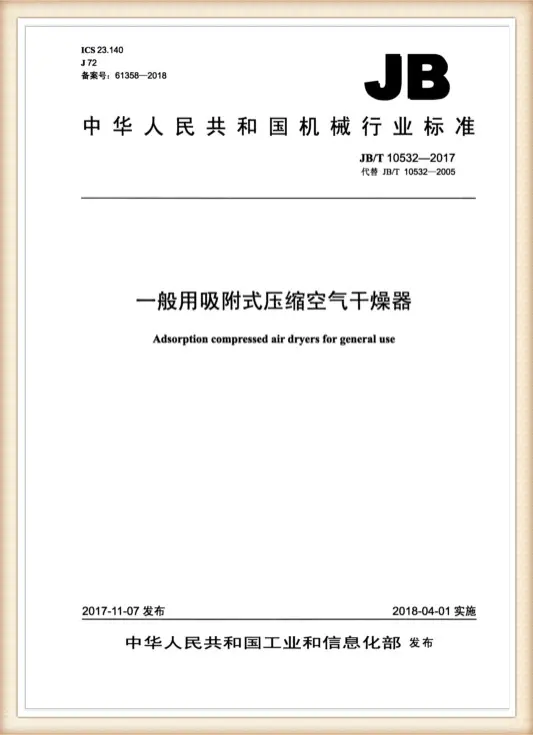
Adsorption compressed air dryers for general industrial applications.
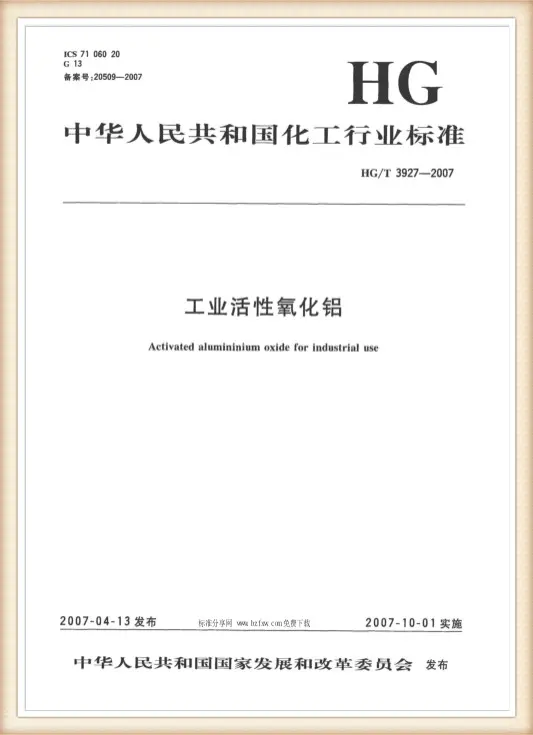
Activated aluminum oxide specifications for industrial drying and catalysts.
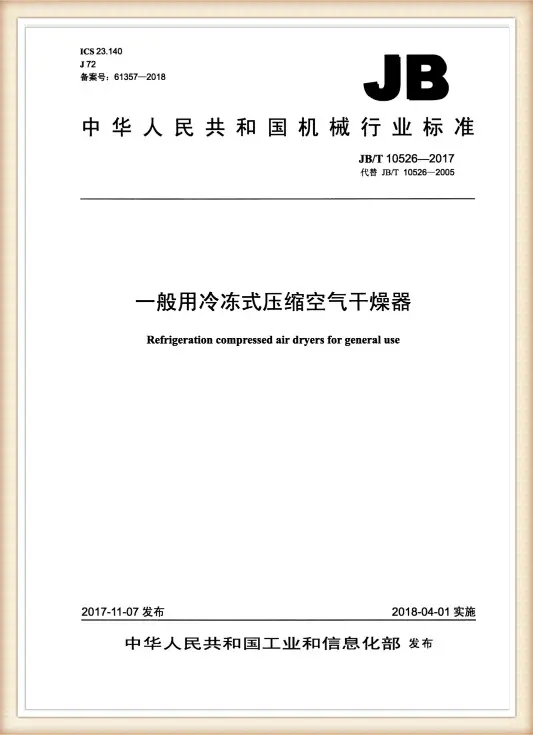
Refrigeration compressed air dryers for standard manufacturing usage.
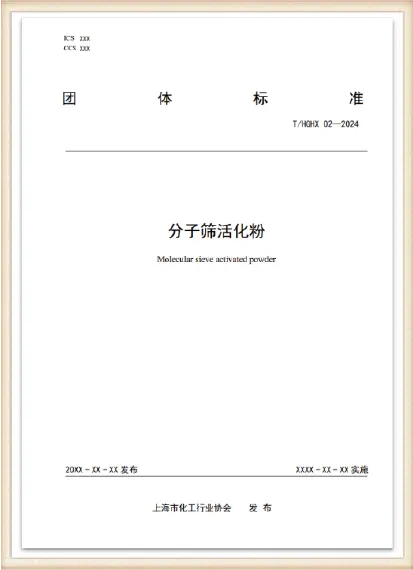
T/CGMA1201-2024
T/HGHX 02-2024
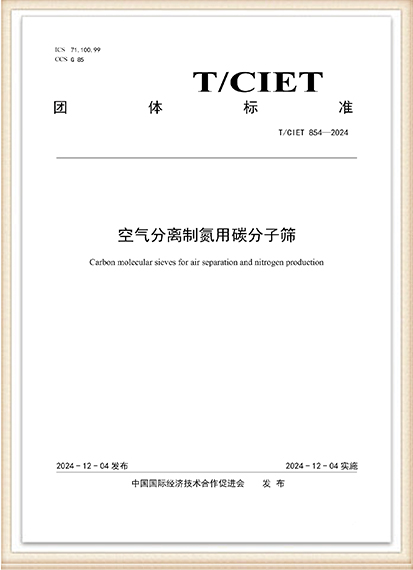
T/CIET 854-2024
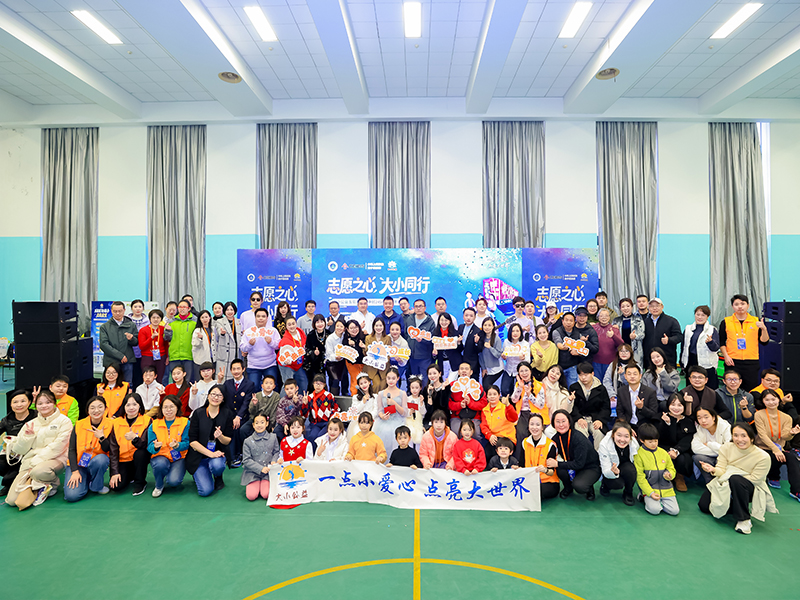
We are committed to reducing industrial emissions and helping our clients optimize process efficiency. By manufacturing high-durability adsorbents that require lower regeneration energy, JOOZEO helps industrial plants minimize their carbon footprint.
We focus on sustainable raw material sourcing, waste-water recycling inside our calcination plants, and reducing particulate emissions to protect both local environments and the global climate.


Browse our complete catalog of industrial adsorption solutions. Designed for nitrogen generators, medical oxygen systems, and precise industrial drying equipment.
Addressing core performance questions regarding molecular sieves, regeneration parameters, and system implementation.
For type 3A, 4A, and 5A molecular sieves, standard thermal regeneration (TSA) typically requires heating gas temperatures between 200°C and 300°C. For heavy-duty 13X or hydrocarbon separation applications, temperatures from 250°C up to 350°C may be required. Ensuring a clean dry gas purge during heat-up prevents structural hydro-thermal degradation of the zeolite crystalline framework.
JZ-404B is manufactured using an optimized binder formulation and precise calcination parameters. It yields an average crush strength exceeding 80 N/bead (for 3-5 mm spheres), which significantly reduces dusting and attrition losses under high pressure and turbulent gas flows typical in large-scale air separation plants.
Carbon Molecular Sieve variants (e.g., JZ-CMS2N, CMS6N, CMS8N) feature precise, micro-engineered pore sizes. Higher grades (like CMS8N) yield larger volumes of nitrogen per unit of compressed air. This significantly lowers overall air compressor load and power consumption, optimizing efficiency for industrial plants.
Liquid water entering a molecular sieve bed can cause localized heating (heat of adsorption) and structural degradation (hydrothermal breakdown). We recommend using a protective layer of activated alumina at the inlet zone of the bed to capture liquid water droplets and heavy hydrocarbons before the process stream contacts the molecular sieve.