Specialized Molecular Sieve Suppliers & Exporters for Berlin

Providing Strategic Adsorption Engineering & Custom Synthetic Zeolites to Power Germany’s Carbon Neutral Transformation

Primary Solutions

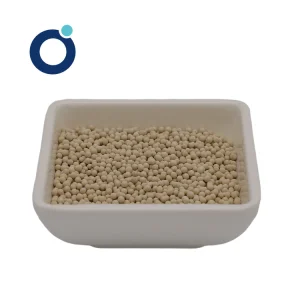
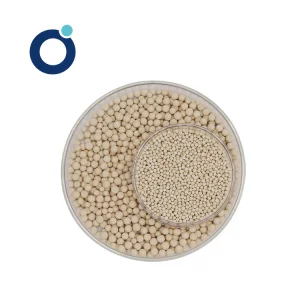
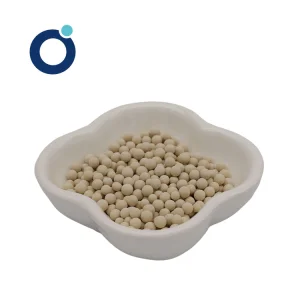
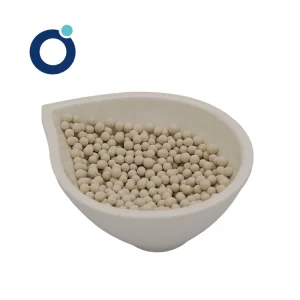
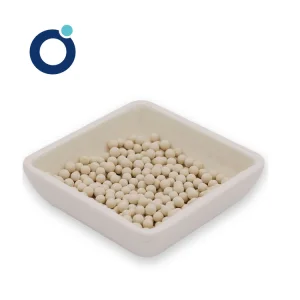
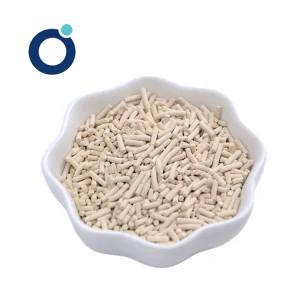
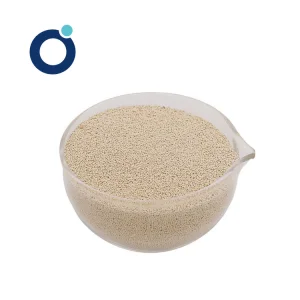
Featured Adsorption Catalysts for Berlin's Engineering Sector

Tailored molecular sieve structures designed to meet strict German industrial specifications and environmental standards.
Industrial Whitepaper

Molecular Sieve Engineering & Selective Adsorption Frameworks in Berlin

Berlin and the broader Brandenburg region are undergoing an ambitious industrial modernization program. Guided by Germany’s strict energy transition initiatives (Energiewende) and the European Union’s decarbonization targets, process developers in industrial chemistry, biogas upgrading, and technical gas separation require high-efficiency purification materials. Synthetic zeolites, commonly known as molecular sieves, represent the cornerstone of these separation technologies, operating through precise pore size exclusion and thermodynamic selectivity.
In high-precision industrial systems, molecular sieves act as thermodynamic and kinetic filters. By tailoring the crystalline aluminosilicate framework (such as Type A LTA or Type X FAU topologies) and modifying the extra-framework cations (e.g., sodium, calcium, potassium), engineers can selectively capture moisture, carbon dioxide, hydrogen sulfide, and volatile organic compounds (VOCs) down to parts-per-billion (ppb) levels. This technical capability is vital for supporting Berlin's local engineering grids, municipal infrastructure, and state-of-the-art laboratory networks.
1994
Established Year
80+
Exporting Countries
25,000㎡
Production Infrastructure
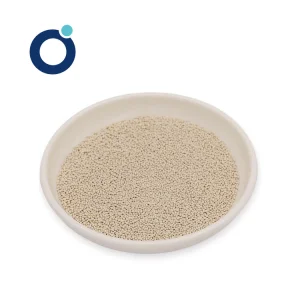
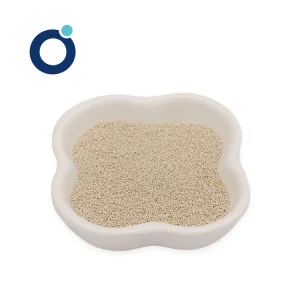
From a molecular physics perspective, the optimization of adsorption processes depends directly on matching the kinetic diameter of the adsorbate molecule to the precise aperture of the zeolite crystal. For instance, the 3A molecular sieve (pore opening approximately 0.3 nm, controlled by K+ cations) selectively dehydrates unsaturated hydrocarbons while leaving the larger organic molecules intact. Conversely, the 13X structure (pore opening approximately 1.0 nm) facilitates co-adsorption of water and carbon dioxide, a critical precursor step in cryogenic air separation units (ASUs) operating within the industrial hubs of North-Eastern Germany.
Localized Context

Berlin’s Biogas, Hydrogen & Cryogenic Infrastructure

The metropolitan area of Berlin and Brandenburg has prioritized the expansion of green gas technologies. This includes biomethane injection into the public grid and the development of regional hydrogen distribution pipelines. Biogas generated from municipal organic waste and agricultural residues contains high concentrations of carbon dioxide and traces of hydrogen sulfide, which must be systematically separated to produce pipeline-quality biomethane.
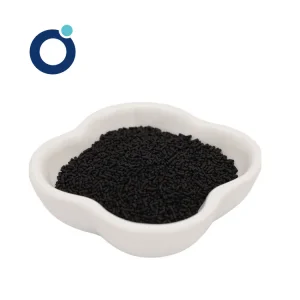
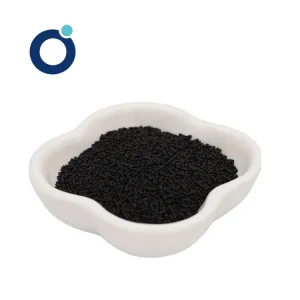
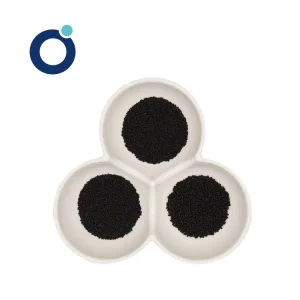
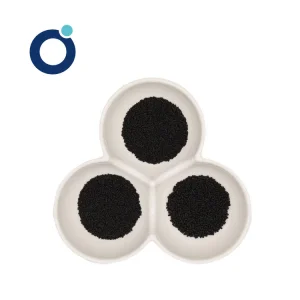
Our Carbon Molecular Sieves (CMS) are engineered precisely to facilitate Pressure Swing Adsorption (PSA) setups that separate methane from carbon dioxide and nitrogen. With high kinetic selectivity and mechanical robustness, these CMS matrices allow plant operators in Berlin to maximize biomethane recovery yields, lower regeneration temperature profiles, and extend adsorption column lifespans, contributing to reduced operating expenditures (OPEX).
Shanghai Jiuzhou Chemicals Production Berlin Quality
Industry Insight

Global Molecular Sieve Market & Advanced Engineering Trends

Analyzing technical developments in zeolite synthesis, carbon footprint reduction, and high-selectivity structures.

Low-Temperature Activation

Modern research focuses on reducing thermal energy consumption during the regeneration cycle of desiccant beds. Our latest-generation zeolites are formulated for rapid desorption kinetics, minimizing utility consumption in high-capacity drying units.

High Hydrothermal Stability

Industrial gas flows containing acidic components or high steam concentrations put significant stress on zeolites. We utilize advanced crystal binders that prevent structural collapse, maintaining pore integrity and crushing strength under demanding cyclic loads.

Dynamic Adsorption Modeling

Through specialized dynamic modeling, our technical teams simulate gas flows, breakthrough curves, and pressure drops. This enables us to size molecular sieve beds accurately, preventing premature fluidization and adsorbent attrition.

Engineering Data

Molecular Sieve Application Matrix

Technical profiles detailing pore diameters, target adsorbates, and primary industrial applications in Berlin.

Zeolite Framework / Type Effective Pore Diameter Critical Adsorbates Primary Berlin Application Scenario
Type 3A (LTA-K) ~3 Å (0.3 nm) H₂O, NH₃ Insulating glass window dehydration, solvent drying, cracked gas purification
Type 4A (LTA-Na) ~4 Å (0.4 nm) H₂O, CO₂, H₂S, SO₂ Industrial compressed air systems, closed-loop instrumentation drying
Type 5A (LTA-Ca) ~5 Å (0.5 nm) n-Paraffins, H₂S, CO₂ Pressure Swing Adsorption (PSA) hydrogen purification, air separation units
Type 13X (FAU-Na) ~10 Å (1.0 nm) Mercaptans, High Molecular Weight organics Pre-purification of air prior to cryogenic distillation, bulk CO₂ removal
Carbon Molecular Sieve (CMS) Variable slit-like pores O₂, N₂, CO₂ High-purity Nitrogen gas generation for electronics and laboratory use
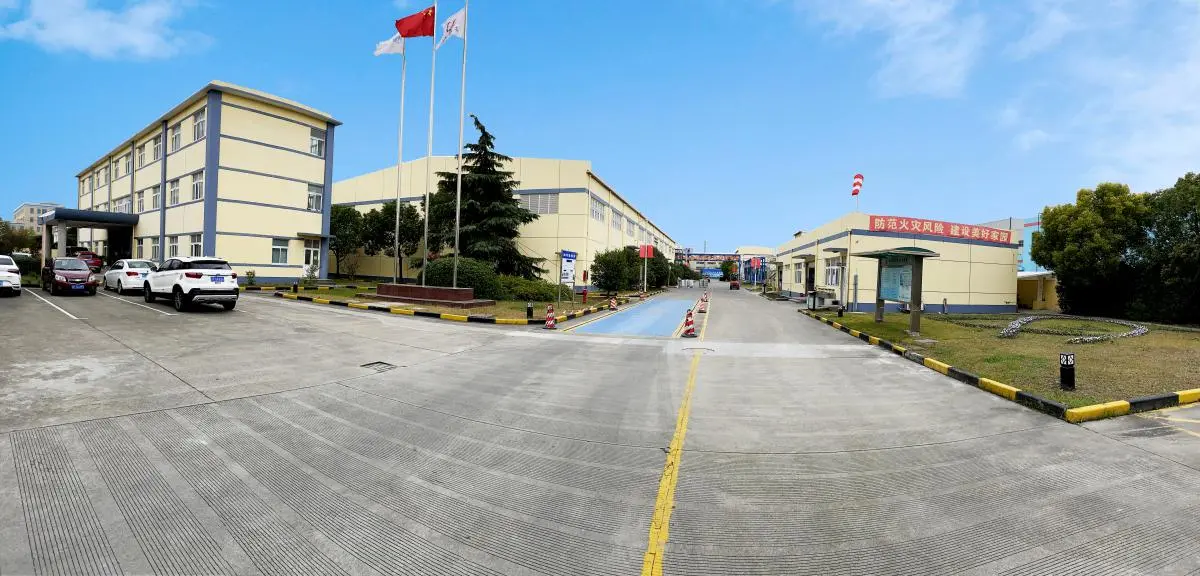
Shanghai Jiuzhou Chemicals Production Plants
Manufacturing Leader

Shanghai Jiuzhou Chemicals (Joozeo)

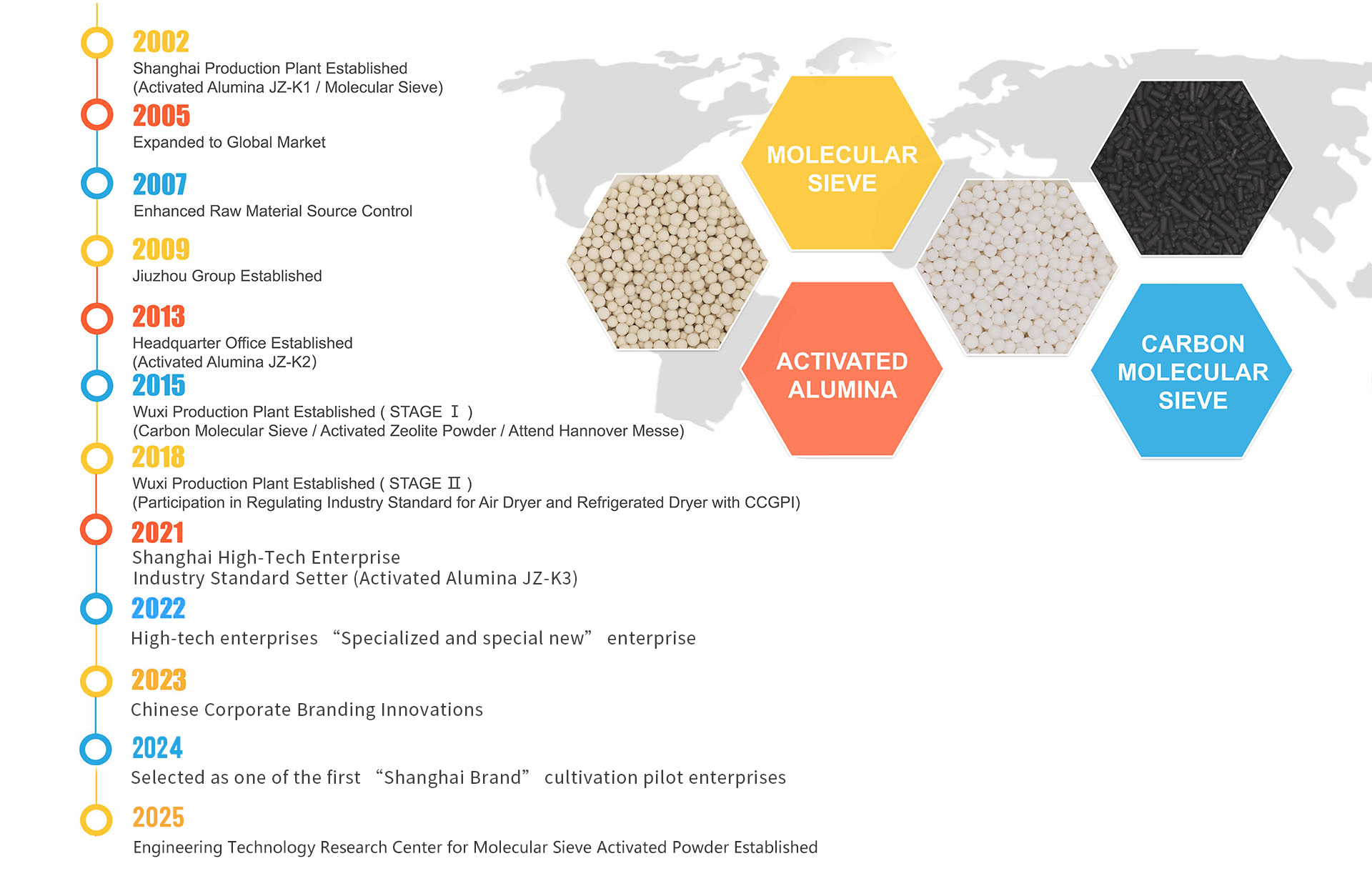
Established in 1994, Shanghai Jiuzhou Chemicals Co., Ltd. (operating under the Joozeo brand) has grown into a major supplier of chemical desiccants, catalysts, and synthetic zeolites. Located in Shanghai's economic development zone, we maintain extensive manufacturing infrastructure, including automated multi-functional workshops and a central analysis laboratory.
With a focus on quality control and innovation, we operate two main facilities in Shanghai and Wuxi. Our systems are certified under the ISO 9001:2008 quality management standard, with independent verification from TÜV Rheinland and SGS. Our products support gas treatment, petrochemical processing, and environmental engineering projects across more than 80 countries.
Standard Setter

Co-Author of Industrial & National Standards

Our technical team actively participates in setting manufacturing and performance benchmarks for adsorption technologies.
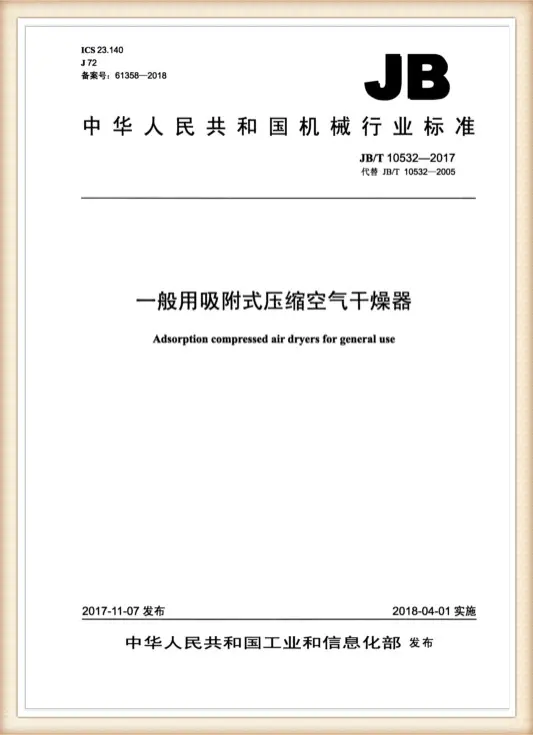
JB/T 10532-2017 Standard Doc

JB / T 10532-2017

Adsorption compressed air dryers for general industrial use. Setting benchmark dew-point and flow standards.
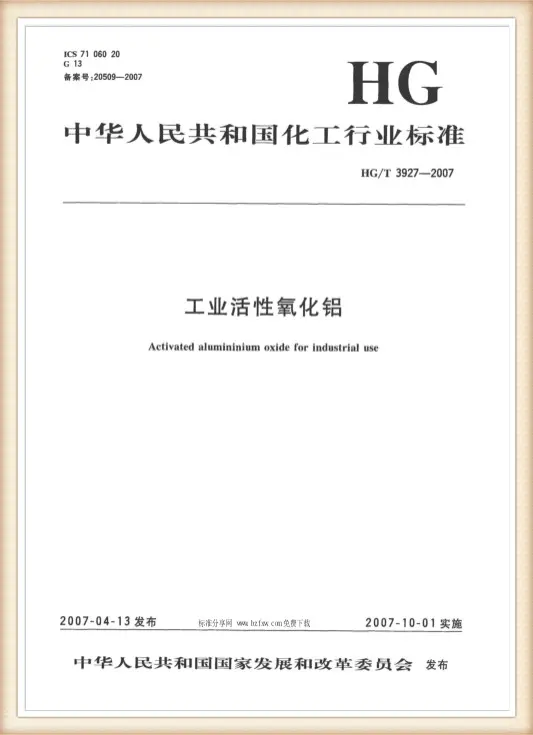
HG/T 3927-2007 Standard Doc

HG / T 3927-2007

Activated aluminum oxide for industrial applications. Standardizing mechanical limits and adsorption capacity assays.
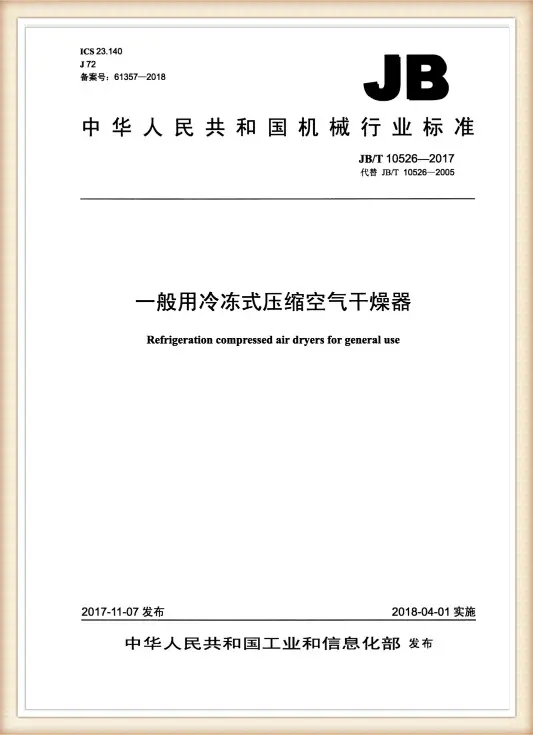
JB/T 10526-2017 Standard Doc

JB / T 10526-2017

Refrigeration compressed air dryers for industrial gas installations, defining energy consumption and moisture limit baselines.
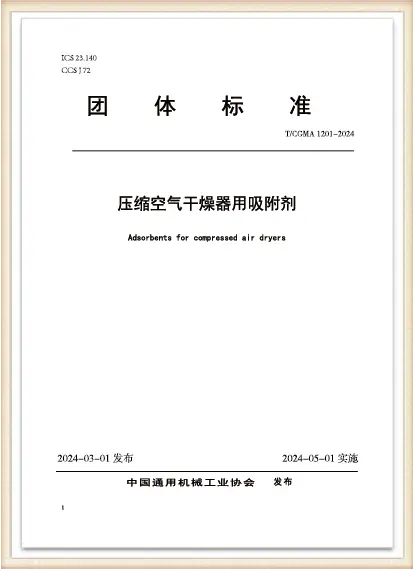
T/CGMA1201-2024 Standard Doc

T / CGMA 1201-2024

Advanced standard framework governing compressor purification configurations and dynamic dew point recovery times.
T/HGHX 02-2024 Standard Doc

T / HGHX 02—2024

Collaborative standard for manufacturing high-capacity synthetic zeolites and carbon molecular sieve materials.
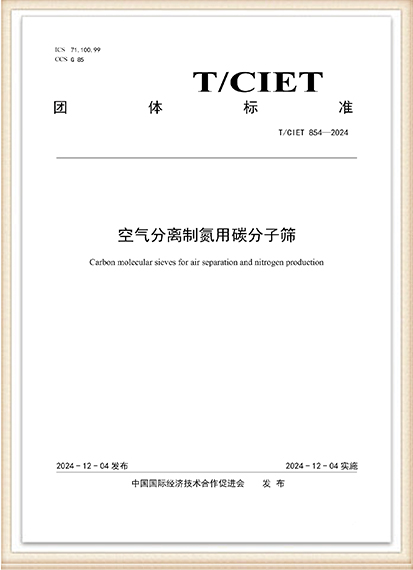
T/CIET 854-2024 Standard Doc

T / CIET 854-2024

Green design and environmental assessment standards for chemical adsorption materials, prioritizing low lifecycle emissions.
Operational Presence

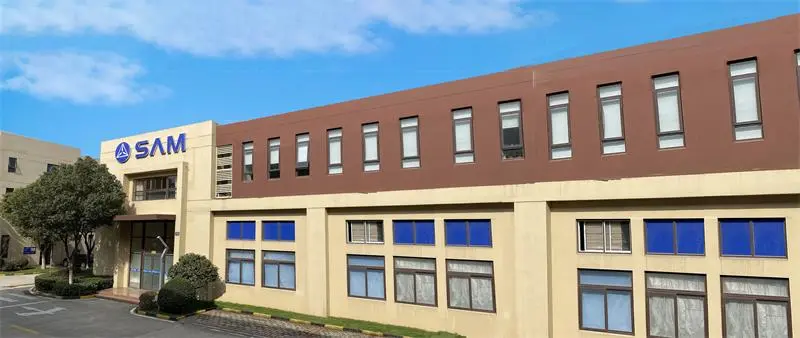
Wuxi Factory & Environmental Management

In addition to our Shanghai facility, our Wuxi production plant provides the capacity needed to fulfill large-scale international orders. Equipped with advanced automated production lines and real-time monitoring systems, we ensure consistent product quality across all manufacturing batches.
Guided by our philosophy of "Better air, Better life," we integrate environmental controls into our production processes. From raw material sourcing to low-emission calcination, we focus on reducing energy consumption and carbon emissions, helping our partners achieve their sustainability targets.
Wuxi Factory Production Infrastructure
FAQ

Technical Q&A: Molecular Sieve Applications & Engineering

Common technical questions regarding zeolites, carbon molecular sieves, and system design.

1. What parameters determine the selection between a 3A and 4A molecular sieve in biogas drying?
The primary parameter is molecular exclusion based on kinetic diameter. Methane has a kinetic diameter of approximately 3.8 Å. If a 4A molecular sieve (pore diameter ~4 Å) is used, methane can enter the pore structure, leading to co-adsorption with water. This can cause pressure drops and lost product yield. A 3A molecular sieve (pore diameter ~3 Å) excludes methane while allowing water molecules (kinetic diameter ~2.65 Å) to be adsorbed, ensuring selective dehydration.
2. How does the silica-to-alumina ratio (SiO₂/Al₂O₃) affect zeolite stability and chemical performance?
The silica-to-alumina ratio determines the framework charge and hydrophobicity of the zeolite. A lower ratio results in a higher density of aluminum tetrahedral sites, leading to more exchangeable cations and higher affinity for polar molecules like water. However, a higher aluminum content can lower thermal stability. Conversely, higher-silica zeolites are more hydrophobic and chemically resistant, making them suitable for VOC abatement and acidic gas processing.
3. What is the typical lifetime of Carbon Molecular Sieves (CMS) in nitrogen generation systems?
Under optimal operating conditions—including clean, dry feed air and proper cycle times—a Carbon Molecular Sieve (CMS) bed can last between 8 to 12 years. Factors that can shorten lifetime include carryover of oil from compressors, moisture condensation, and excessive dust, which can clog the micro-pore structure. Implementing effective coalescing pre-filters is key to protecting the CMS bed.
4. How does nitrogen adsorption selectivity differ in oxygen concentrators using Lithium-exchanged zeolites?
Lithium-exchanged zeolites (such as Li-X) exhibit a strong electrostatic field gradient within the zeolite cage due to the high charge density of the small lithium cations. This creates a strong interaction with the quadrupole moment of nitrogen molecules, yielding a higher nitrogen-to-oxygen selectivity compared to standard sodium or calcium-exchanged zeolites. This allows for smaller bed volumes and improved efficiency in PSA oxygen generation systems.
5. What methods are used to determine zeolite crush strength and attrition resistance?
Crush strength is determined by testing individual spheres or extrudates under compressive force until failure occurs (typically measured in Newtons). Attrition resistance is evaluated using standardized tumbling tests (such as ASTM D4058) to measure the generation of fine particles under simulated operating conditions. High crush strength and attrition resistance are essential to prevent bed compaction and pressure drop increases in high-flow gas systems.
Technical Inquiry

Request a Custom Technical Design & Quotation

Our engineering team provides dynamic process modeling and tailored chemical solutions. Contact us to optimize your gas separation, dehydration, or purification systems.