
Precision-engineered molecular structures designed for maximum selectivity and durability
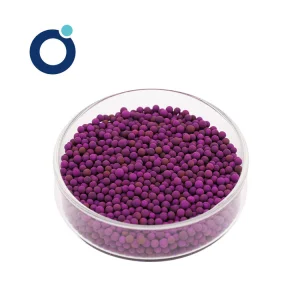
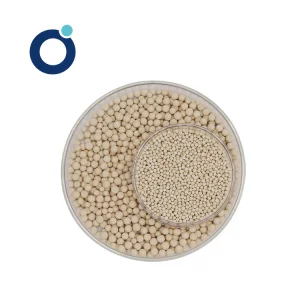
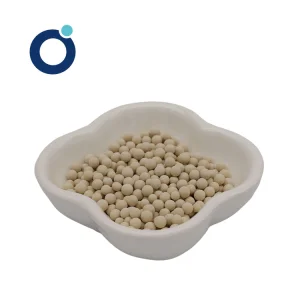
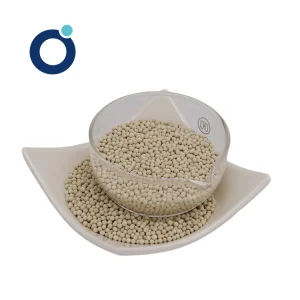

An essential adsorption substrate driving process safety, environmental compliance, and energy savings
The global demand for 3 Angstrom (3Å) Molecular Sieves is expanding at a CAGR of 5.8%, driven by petrochemical expansions, sustainable green hydrogen separation, bio-ethanol production, and advanced insulated architectural glass. As an alkali metal aluminosilicate with a potassium-promoted LTA zeolite framework, 3Å molecular sieves feature a precise nominal pore opening of 3 Ångstroms.
This molecular aperture allows the highly selective adsorption of water molecules (kinetic diameter of approximately 2.7 Å) while systematically excluding critical hydrocarbon streams such as ethylene (3.9 Å), propylene (4.5 Å), and ethanol (4.3 Å). The prevention of co-adsorption of these hydrocarbons is vital to avoid chemical polymerization within the zeolite pores, ensuring long cycle runs, low pressure drops, and superior dew-point optimization.
In high-pressure petrochemical cracking and polymer-grade monomer purification, the slightest moisture leakage can poisoning polymerization catalysts, costing millions. Consequently, leading global EPC contractors and chemical operators mandate ultra-reliable molecular sieves with strict adherence to rigorous mass transfer kinetics and attrition resistance metrics.
A premier chemical engineering enterprise driving quality control and technological innovation
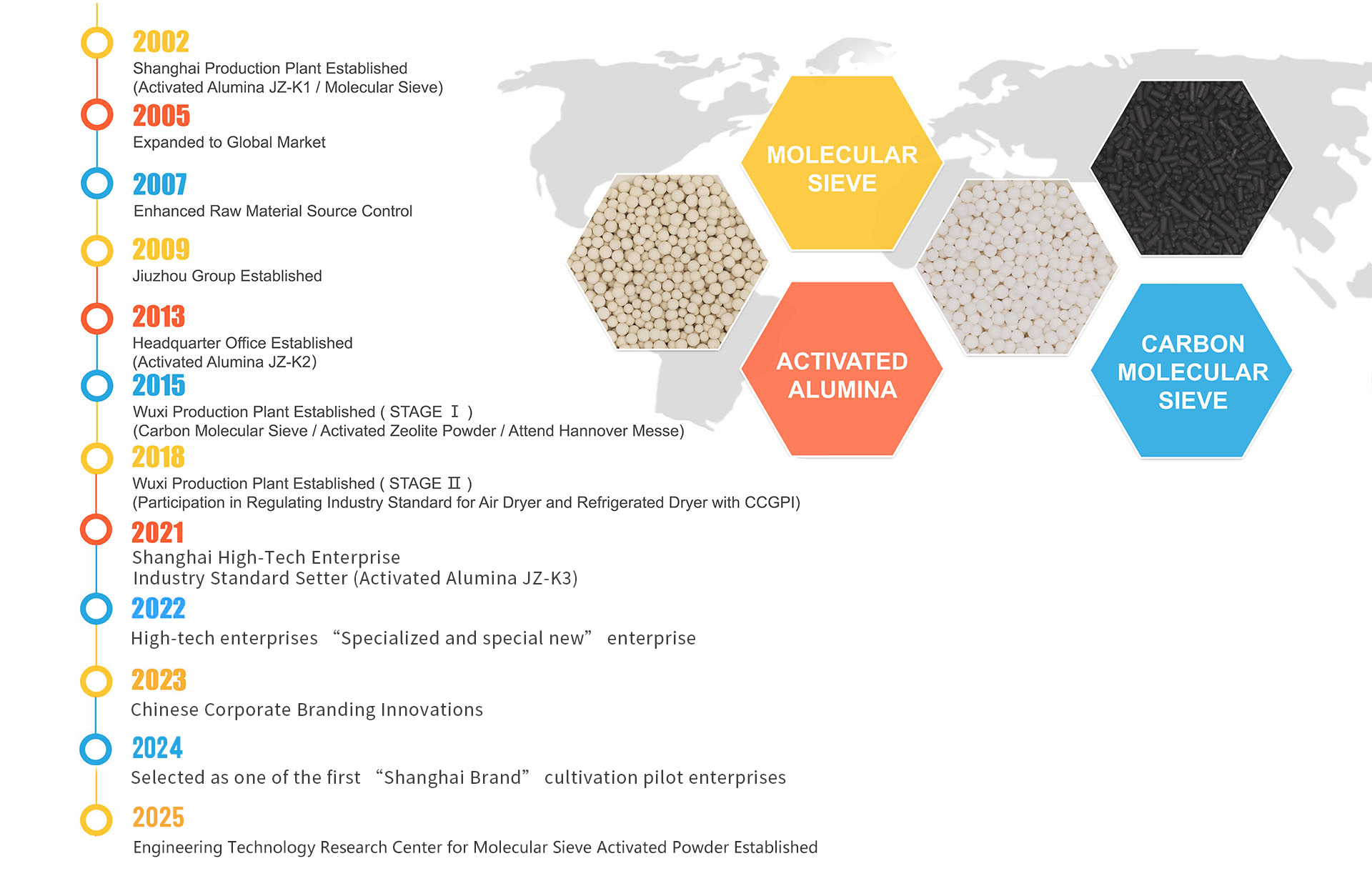
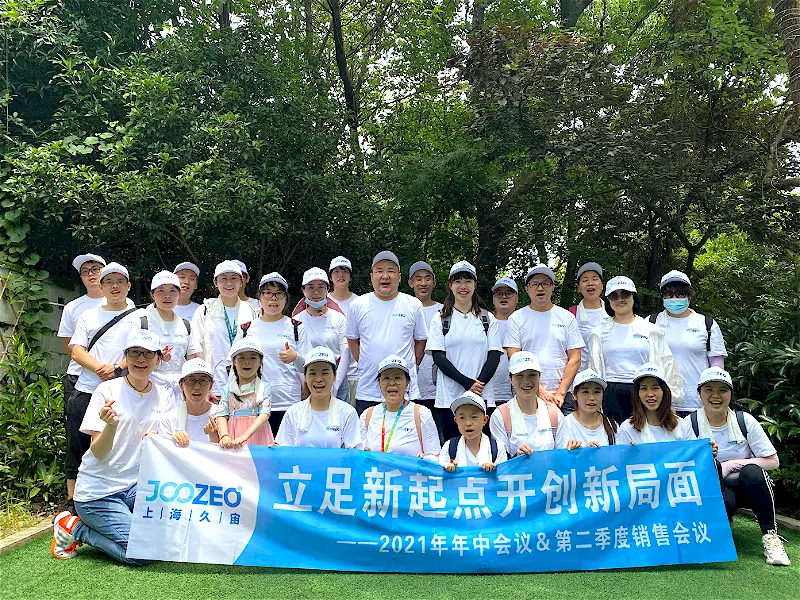
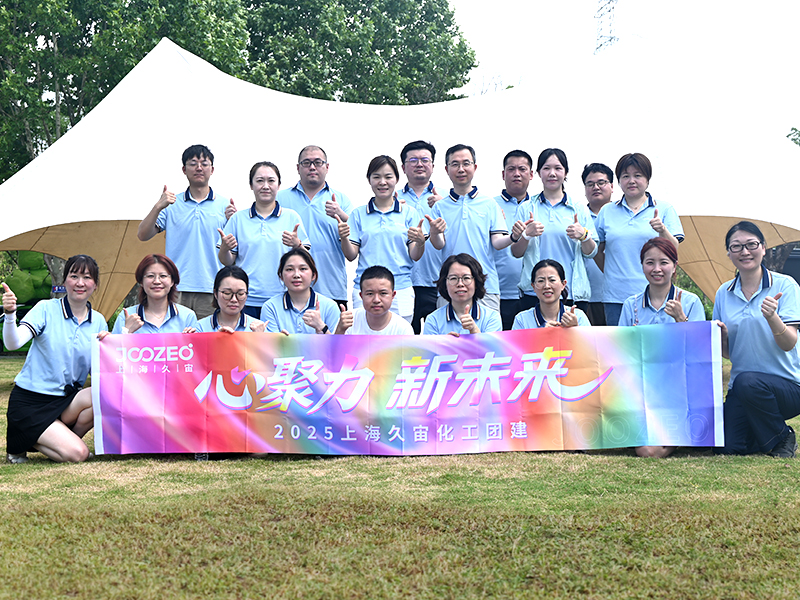
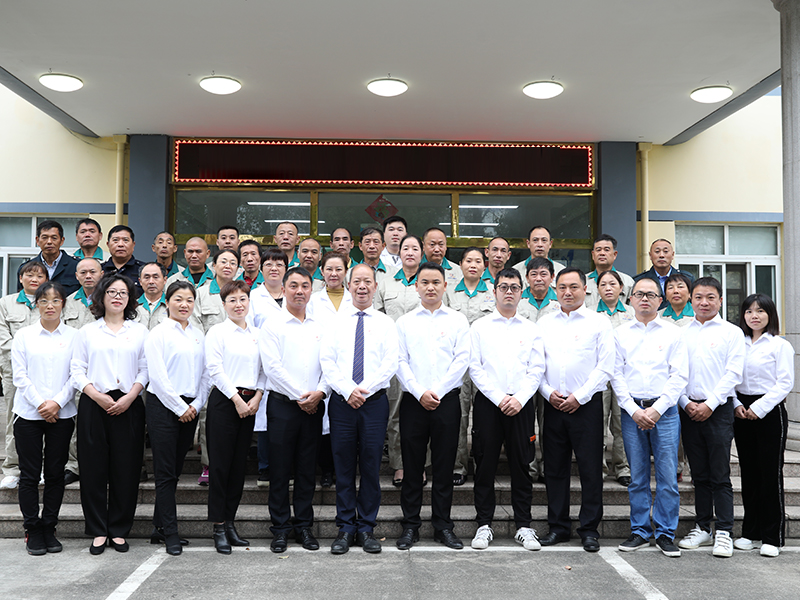
Located in the leading economic development hub of Shanghai, Shanghai Jiuzhou Chemicals Co., Ltd. (JOOZEO) has consistently adhered to the core philosophies of "Quality Control" and "Technological Innovation". Over the past three decades, we have evolved into a global leader in the R&D, chemical synthesis, and clean manufacturing of premium catalysts and adsorbents.
Our comprehensive portfolio features molecular sieve powders, finished molecular sieves, activated powder, activated alumina, aluminum oxide catalysts, various alumina packing materials, ceramic balls, sodium silicates, aluminum hydroxide, zeolite 4A, sodium carbonates, and SLES. With certifications encompassing ISO9001:2008, TUV, and SGS, we maintain standard-compliant supply frameworks to the world's most demanding petrochemical complexes.
Our technical capabilities are anchored in a world-class dynamic testing laboratory and an automated production environment. Through a robust distribution matrix stretching across the United States, Southeast Asia, Japan, Europe, the Middle East, and South America, JOOZEO supplies highly efficient, sustainable adsorption formulations designed to reduce system energy footprints and downstream emissions.
Our centralized lab utilizes dynamic adsorption testing channels, particle size diffractometers, and mechanical crush testers to ensure every batch of molecular sieves meets international performance parameters. By optimizing physical variables such as packing density and bulk crush strength, we lower the total cost of ownership (TCO) for modern chemical facilities.
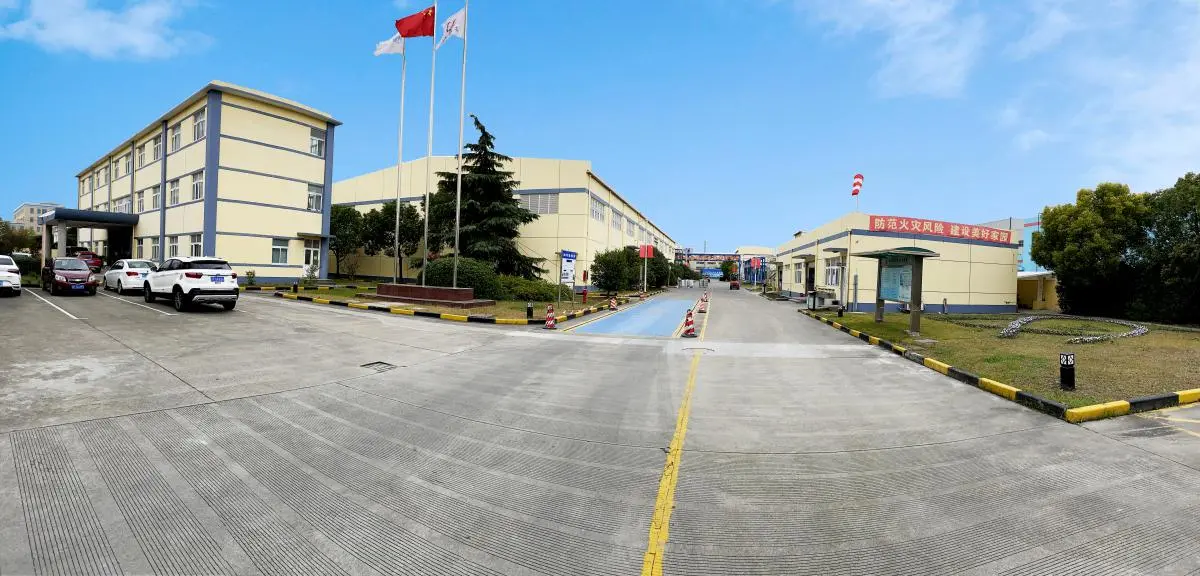
Focuses on high-purity zeolite synthesis, dynamic validation laboratory procedures, and customizable industrial orders.

Optimized for large-scale extrusion, dynamic gas rotary calcination, and advanced bulk logistics management.
JOOZEO actively shapes chemical manufacturing specifications through active participation in standards committees
We don't just manufacture chemical products; we write the codes that ensure processing safety and high performance across the entire air compression, molecular filtration, and industrial desiccant industries.
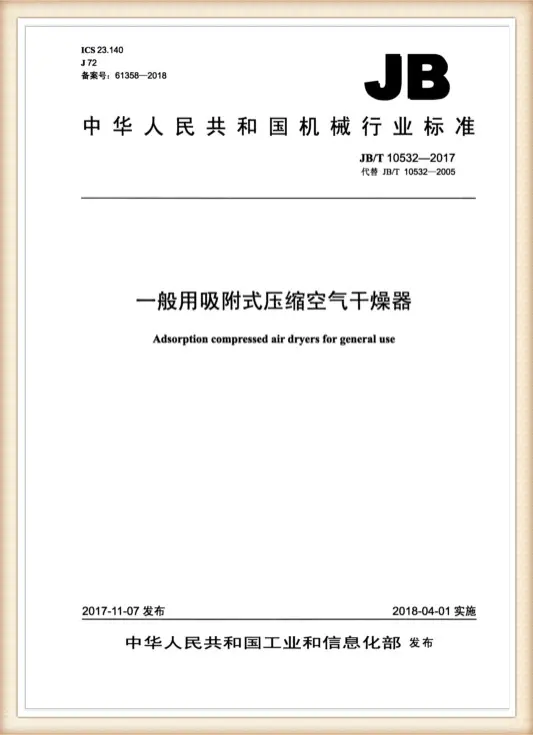
Adsorption compressed air dryers for general use
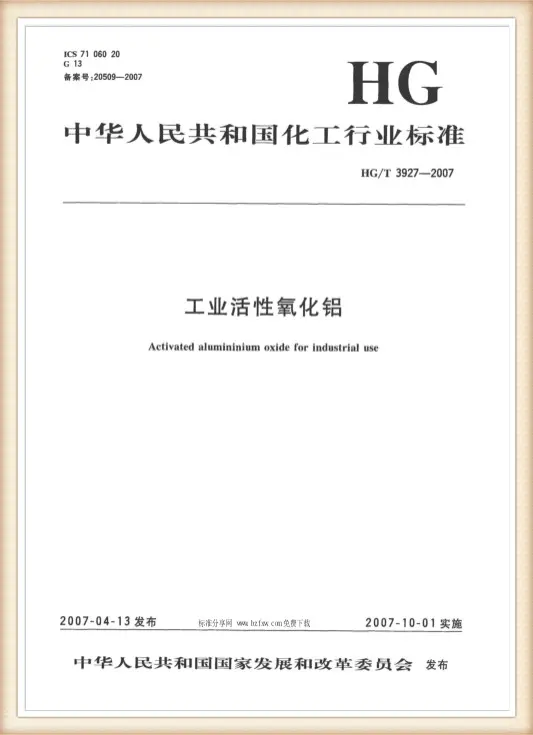
Activated aluminum oxide for industrial use
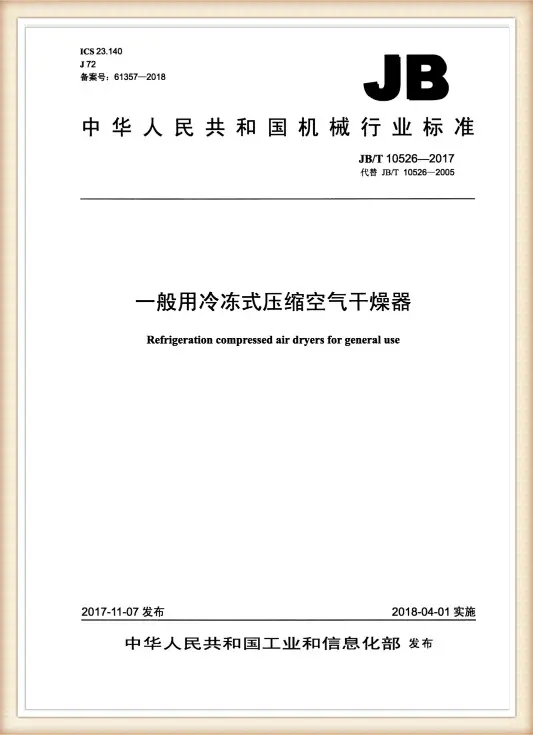
Refrigeration compressed air dryers for general use
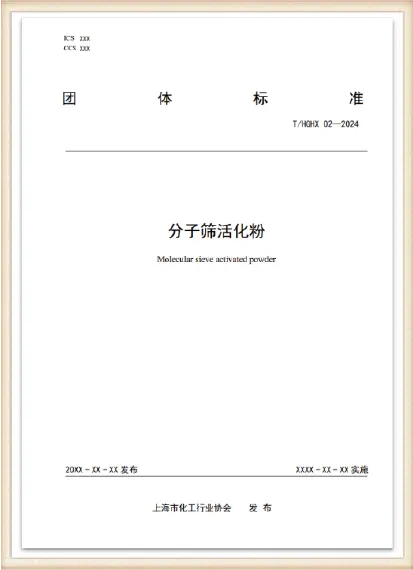
Standardized framework for machinery engineering & compressed gas safety
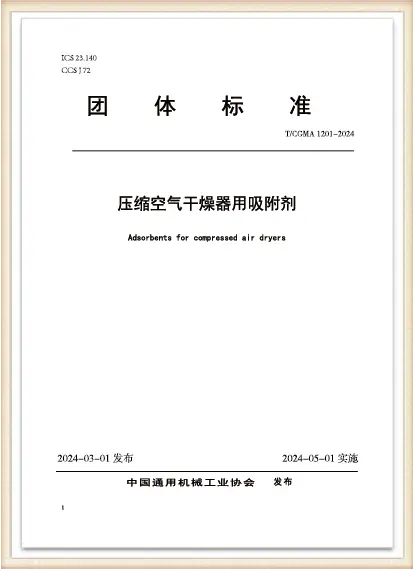
Chemical Association standard for high-performance zeolite frameworks
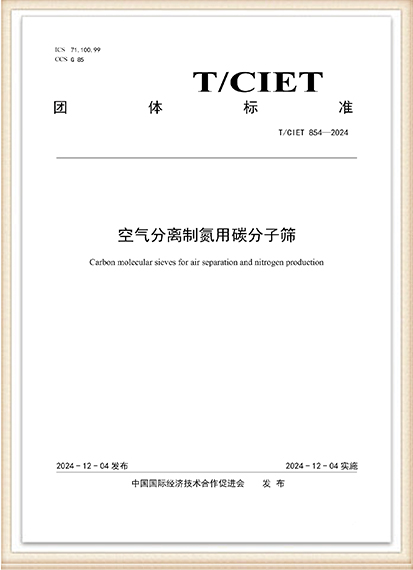
National certification for eco-friendly green industrial adsorption systems
How K-Zeolite LTA framework controls selectivity and adsorption thermodynamics
Standard zeolite 4A has a sodium (Na+) cation framework which creates a nominal aperture size of approximately 4 Å. To formulate a 3Å molecular sieve, potassium ions (K+) are exchanged for the sodium ions. Because the ionic radius of potassium (~1.33 Å) is larger than that of sodium (~0.95 Å), the larger potassium ions obstruct the pore entrances, reducing the effective pore diameter to 3 Å.
If the potassium exchange level is too low, the pore size remains slightly open, leading to unwanted co-adsorption of molecules like ethylene or ethanol, which can trigger catalytic reactions or lower process yield. If the exchange level is too high, the pore opening becomes restricted, reducing the rate of water diffusion. JOOZEO manages this transition zone precisely to balance pore size control with fast mass-transfer kinetics.
For chemical engineers evaluating performance, we maintain strict controls over density, mechanical load capacity, and dust indices to prevent channeling and system bypass.
| Performance Indicator | Standard Specification (Spherical) | Testing Protocol / Compliance |
|---|---|---|
| Static Water Adsorption | ≥ 21.0 wt% (@25°C, 60% RH) | ASTM D3877 / DIN 53169 |
| Bulk Density | 0.68 - 0.74 g/mL | ASTM D2854 |
| Bulk Crush Strength | ≥ 80 N (Beads, 3-5 mm) | ASTM D4179 / HG/T 3927 |
| Attrition / Wear Rate | ≤ 0.1 wt% | ASTM D4058 |
| Residual Ignition Loss | ≤ 1.5 wt% (@575°C) | ISO 3262-1 |
Deploying molecular filtration products across high-stress processing conditions
In municipal and industrial bio-ethanol production, separating the water-ethanol azeotrope (~95.6% ethanol) requires specialized processing. Traditional distillation cannot exceed this threshold. By passing vapor-phase crude ethanol through 3Å molecular sieve beds in a PSA (Pressure Swing Adsorption) setup, water molecules are selectively captured, yielding fuel-grade anhydrous ethanol (>99.9%) for regional fuel programs.
Cracking operations yield ethylene, propylene, and butadiene. Water presence in these streams can lead to gas hydrate formation at low temperatures or poison downstream catalysts. 3Å molecular sieves dry these streams safely down to < 0.1 ppm water. They exclude the bulk hydrocarbons from the pore structure, preventing coking and prolonging desiccant life.
For double-glazed architectural glass, insulating performance depends on keeping the internal cavity dry. Any moisture trapped during manufacturing leads to condensation. 3Å molecular sieves actively absorb moisture within the spacer bar while avoiding the adsorption of nitrogen, argon, or air. This helps maintain stable internal pressures and prevents glass deflection.
Integrating local raw materials with advanced logistics for international operations
The manufacturing ecosystem for premium desiccants in China offers notable supply security and cost benefits. By leveraging access to raw materials such as high-purity kaolin clay, synthetic sodium silicate, and potassium hydroxides, factories like JOOZEO maintain continuous production runs insulated from global commodity volatility.
Operating out of our Shanghai and Wuxi production bases, we utilize automated tunnel kilns with digital zone temperature controls. Calcination temperatures are kept stable within ±2°C. This level of control produces uniform zeolites with high crystalline purity, low attrition rates, and consistent water adsorption capacities.
Furthermore, proximity to the Port of Shanghai enables efficient logistics and shipping schedules, reducing lead times to key industrial hubs. This strong infrastructure makes Chinese manufacturing a reliable partner for global engineering projects and supply networks.
Developing energy-efficient adsorption media for sustainable chemical processing
Standard molecular sieve regeneration requires heating beds to 200°C–320°C. JOOZEO is researching framework modifications to reduce the activation energy of water desorption. This aims to lower regeneration temperatures to 150°C–180°C, helping plant operators reduce steam and power consumption.
Traditional molecular sieves use 15%–20% inert clay binders to hold the zeolite structure together. We are developing binder-free 3Å spheres where the binder is chemically converted into active zeolite. This increases the active mass and static water capacity by up to 25% for a given volume.
Under high pressure swing rates, dust generation can cause downstream blockages. Our developmental coating technology seals the outer layer of the zeolite bead without affecting adsorption speeds, reducing attrition to near-zero levels under high mechanical stress.
"Better air, Better life" — Driving environmental protection across our production footprint
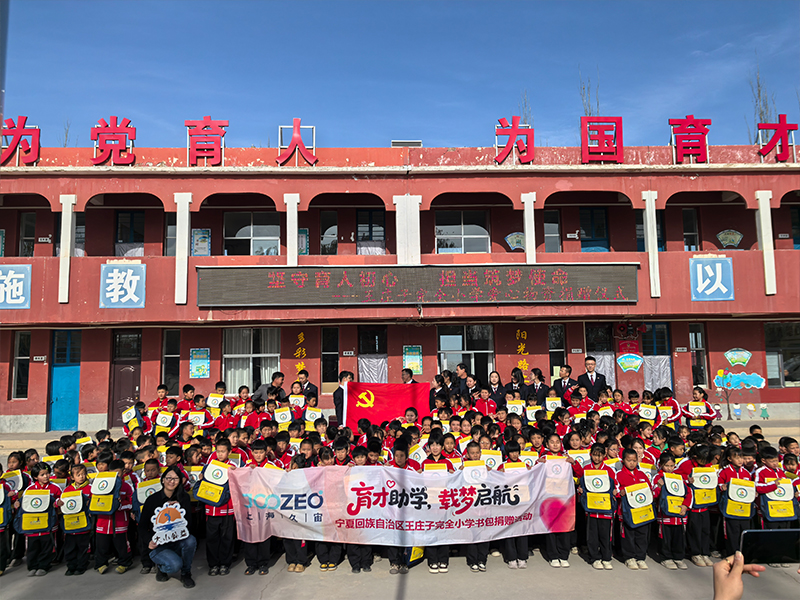
We manage our environmental impact by using clean energy sources, recovering waste heat from kilns, and treating water systems to meet strict environmental standards.

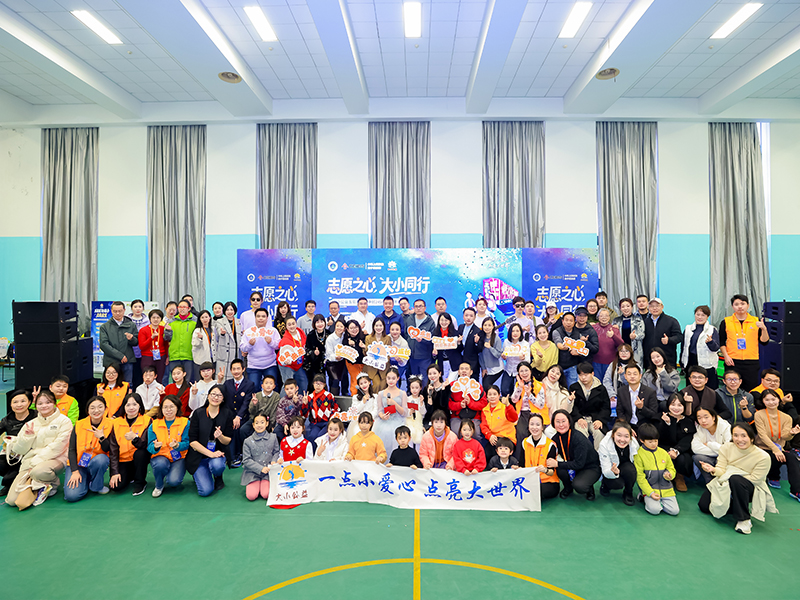

Expert answers on molecular sieve selection, regeneration, and process performance
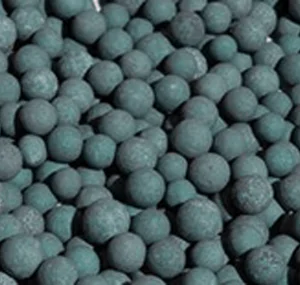
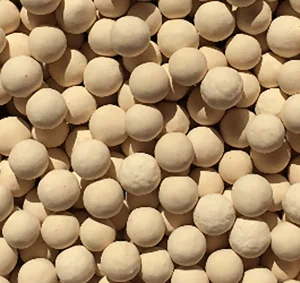
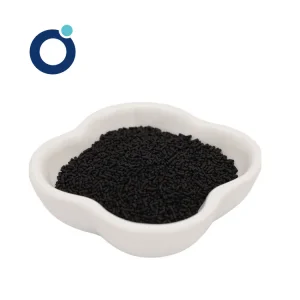
Explore our expanded chemical catalysts, carbon structures, and specialty molecular sieves
Connect with our engineering team for adsorption calculations, standard compliance support, and custom material requests. We respond within 24 hours.
Send Request