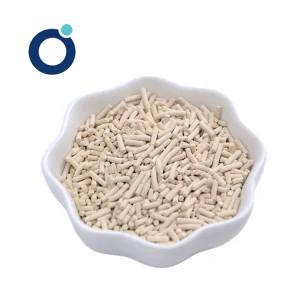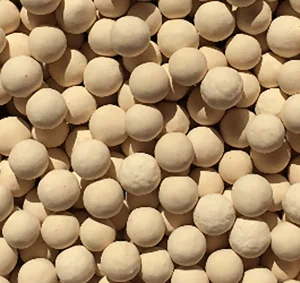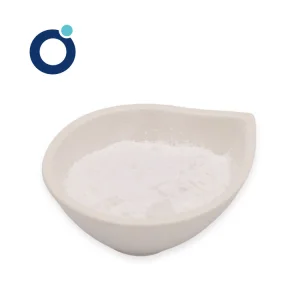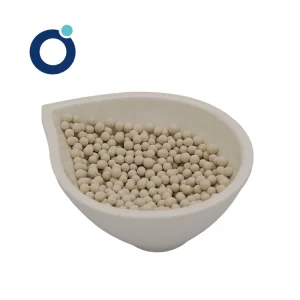
Explore our leading catalog of engineered synthetic zeolites, designed for precise molecular separation and deep moisture removal under critical operations.
A trusted global leader in the R&D and automated production of advanced molecular sieves, catalysts, and specialty desiccants since 1994.
Shanghai Jiuzhou Chemicals Co., Ltd. is located in the key economic and manufacturing hub of Shanghai. Over the years, Jiuzhou has consistently adhered to its founding principles of "Quality Control & Innovation", committing significant resources to the development, manufacturing, and technical support of high-quality, innovative chemical adsorbents.
Our core product portfolio includes premium molecular sieve powders, synthetic zeolite molecular sieves, activated powder, activated alumina, aluminum oxide catalysts, various alumina packing materials, ceramic support balls, sodium silicates, aluminum hydroxide, zeolite 4A, sodium carbonates, and SLES. All manufacturing processes are audited and certified under the ISO9001:2008 Quality Management System, alongside strict verification by TUV and SGS.
We maintain a world-class in-house research team and network of technical experts. Utilizing modern, automated production plants and dynamic performance testing laboratories, we monitor adsorption thermodynamics and kinetics to guarantee that every batch of molecular sieve conforms to strict international engineering specifications.
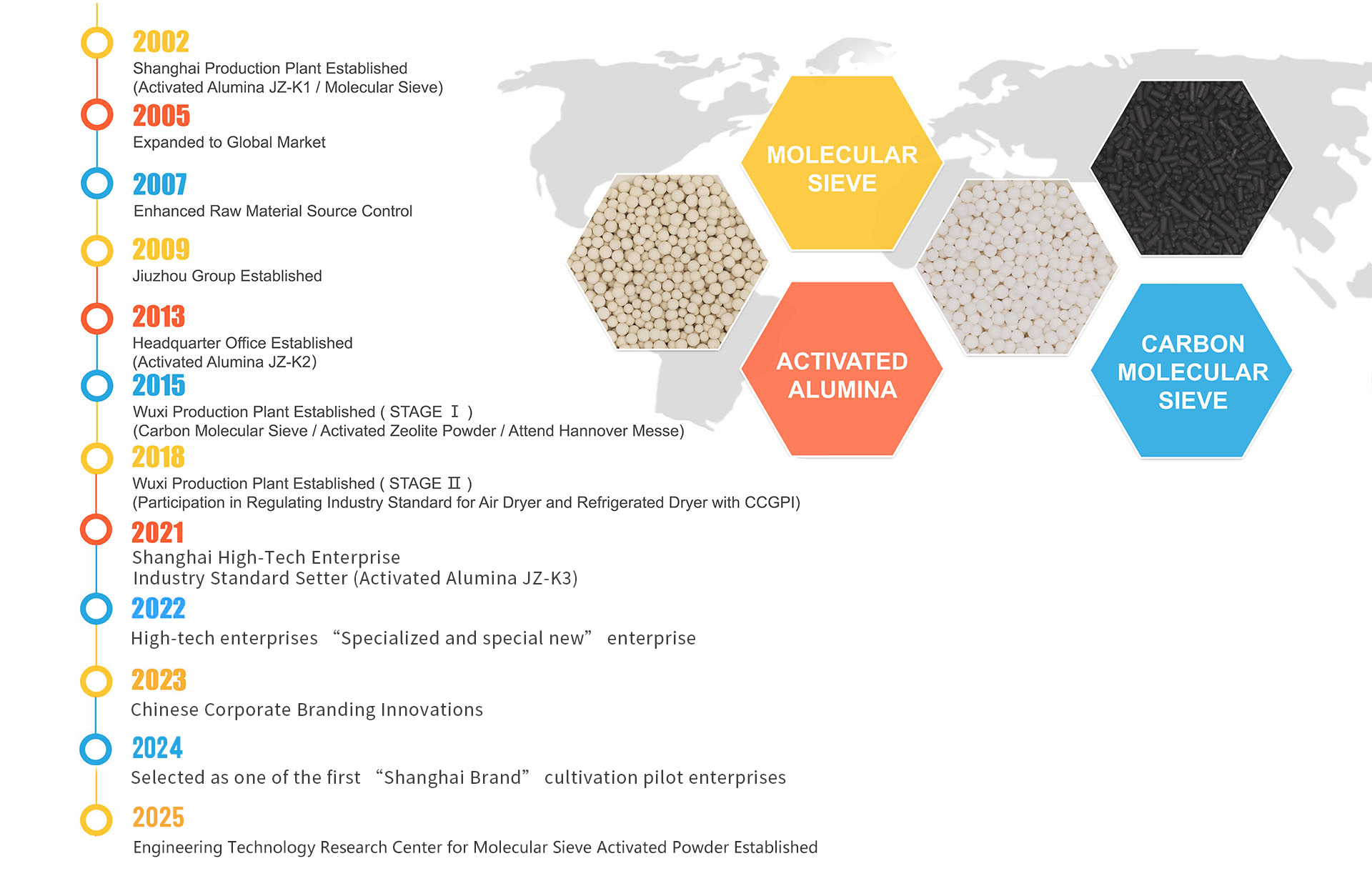
Evaluating raw material dynamics, key market segments, industrial demand drivers, and the evolution of synthetic zeolite engineering.
The global molecular sieve desiccant market is experiencing rapid growth, driven by expanding natural gas processing, clean hydrogen purification, petrochemical refining, and medical oxygen concentration. Synthetic zeolites have become essential due to their high adsorption capacities under low-humidity conditions.
Advancements in crystalline structure manipulation allow manufacturers to achieve precise pore sizing (3A, 4A, 5A, and 10X/13X). These tailored molecular sieves selectively adsorb specific chemical molecules (such as water vapor, CO2, H2S, or light hydrocarbons) while preventing product loss through co-adsorption.
Stricter emissions standards worldwide are compelling processing plants to optimize their thermal swing adsorption (TSA) and pressure swing adsorption (PSA) systems. Upgraded molecular sieves minimize thermal energy consumption and extend lifecycle performance, lowering carbon footprints.
Molecular sieves are crystalline, synthetic aluminosilicates characterized by highly uniform, three-dimensional porous networks. Under thermodynamic equilibrium, these structures demonstrate an outstanding affinity for polar compounds (primarily water). Key parameters driving selection include:
Unlike silica gel or activated alumina, molecular sieves maintain a high moisture retention capacity even at extremely low relative humidities and high operating temperatures (exceeding 100°C). This makes them the only viable desiccant for deep dehydration where dew points of -70°C or lower are required.
In high-velocity gas streams (such as gas pipelines or PSA columns), mechanical integrity is critical. Jiuzhou’s advanced binder formulation and calcination processes ensure high crushing strength, minimizing attrition, dust generation, and pressure drop across the bed.
A closer look at Jiuzhou’s advanced production nodes in Shanghai and Wuxi, ensuring high quality control and supply chain stability.
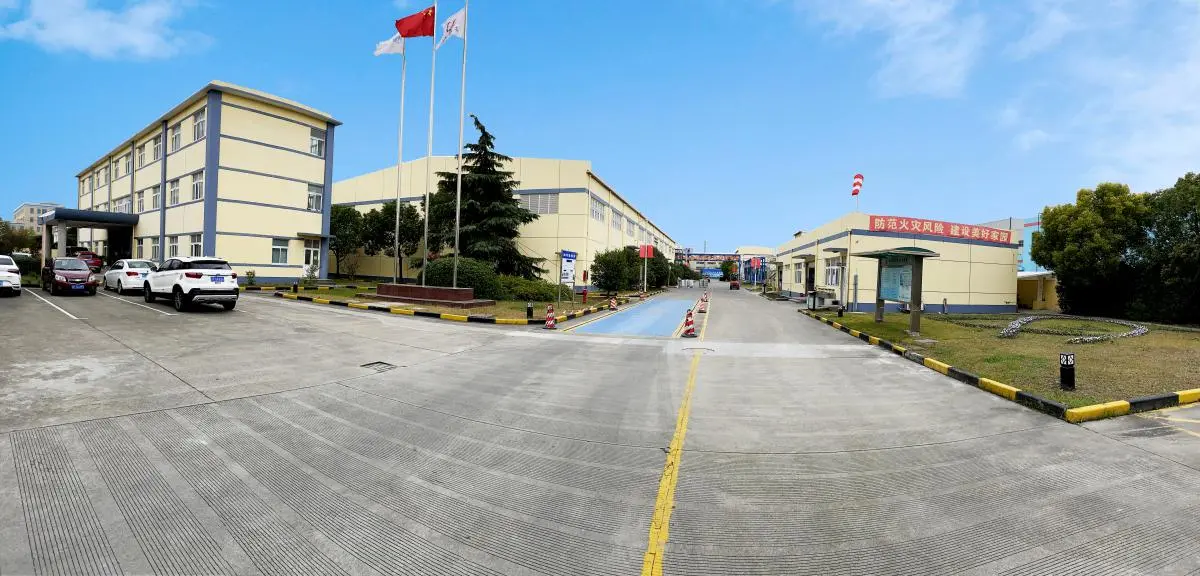
Focused on advanced synthetic zeolite powders, chemical catalysts, and custom adsorbent formulations. The Shanghai plant integrates a modern central laboratory equipped with dynamic flow test systems to simulate real-world plant environments, ensuring the highest level of batch-to-batch consistency.
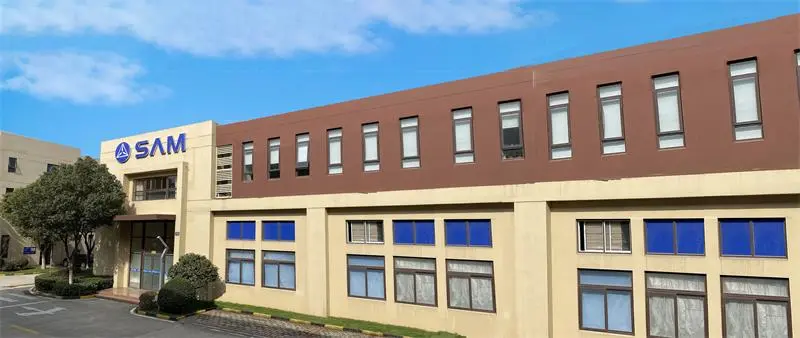
Optimized for large-scale production of activated alumina, silica gel, ceramic balls, and specialty chemical packing. This facility utilizes energy-efficient calcination kilns and automated sieving equipment to achieve high yields while meeting rigorous environmental standards.
Jiuzhou Chem is proud to be a primary drafter and contributor to national and industry-level standards for compressed air purification and industrial desiccants in China.
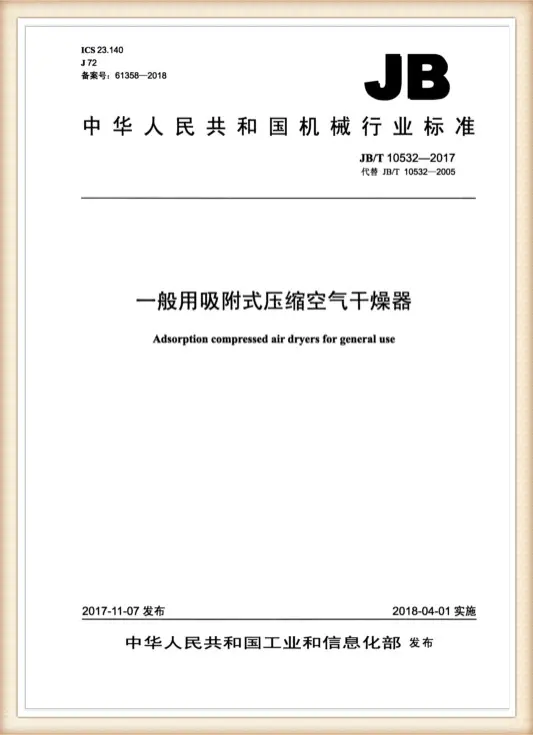
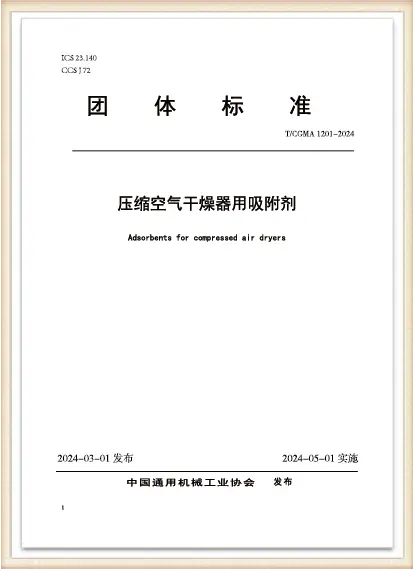
Adsorption compressed air dryers for general industrial applications.
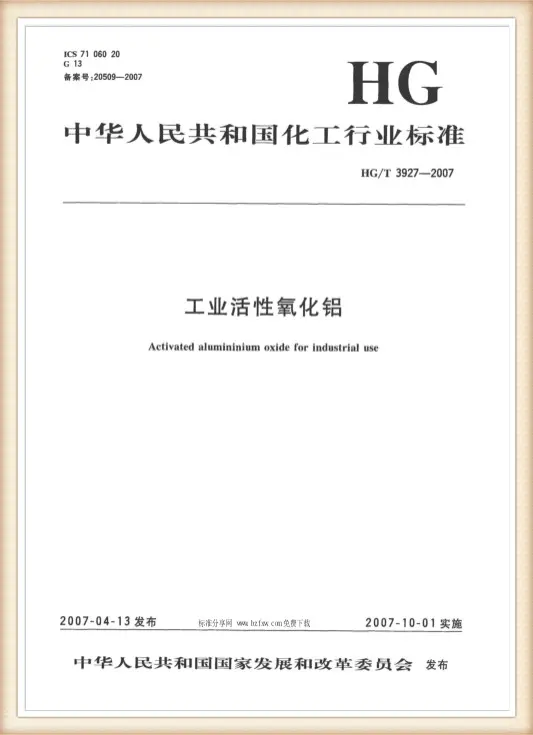
Activated aluminum oxide/alumina specifications for industrial use.
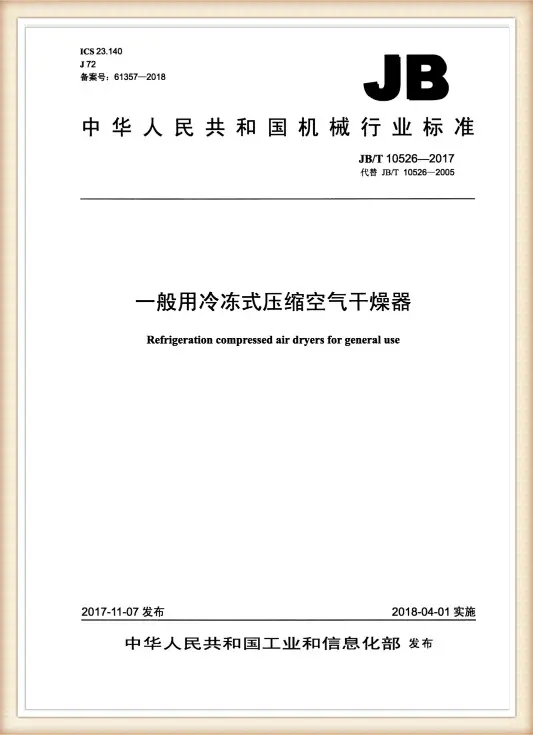
Refrigeration compressed air dryers for general industrial applications.
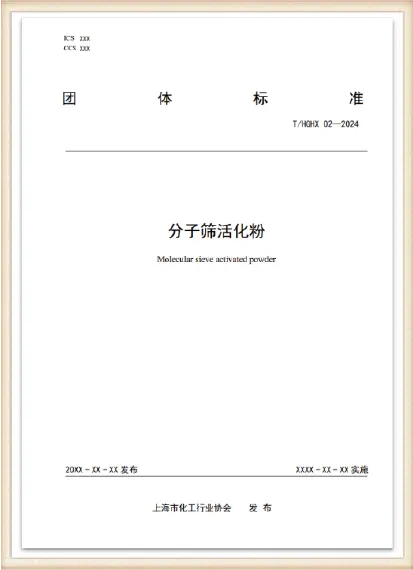
Recent technical and design directives for machinery components.
Chemical safety and environmental testing metrics for chemical powders.
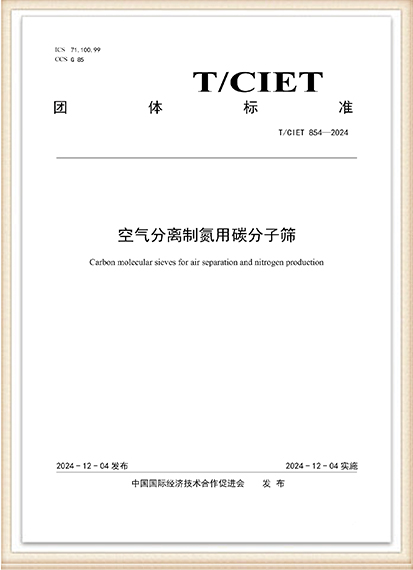
Industrial product compliance parameters for global green exports.
Delivering high-purity, long-lasting performance across diverse and demanding global sectors.
In large-scale cryogenic air separation units, trace moisture and carbon dioxide must be completely removed prior to liquefaction. Any breakthrough leads to dry ice formation, blockages, and plant shutdowns. Jiuzhou’s specialized 13X molecular sieves (such as JZ-ZMS9) are engineered with high dynamic CO2 capacity and co-adsorption selectivity, ensuring continuous and trouble-free operation of your cold box.
Natural gas stream processing requires the selective removal of H2S, mercaptans, and H2O. Using our high-performance 4A and 5A molecular sieves, operators achieve deep desulfurization and moisture removal, protecting downstream piping and equipment from corrosion, hydrate formation, and freezing.
Pressure Swing Adsorption (PSA) technology is widely used in medical oxygen devices. Our high-efficiency lithium and sodium-based molecular sieves offer excellent nitrogen adsorption capacity and selectivity over oxygen, providing high-purity oxygen output with compact bed designs.
Insulated glass windows require molecular sieves with very low dust levels and controlled water absorption rates. Our specialized desiccants adsorb water vapor without co-adsorbing nitrogen or argon, maintaining structural integrity and preventing window condensation or bowing throughout the window's lifetime.
"Better air, Better life." We are dedicated to creating eco-friendly products and processes that pave the way for a sustainable future.

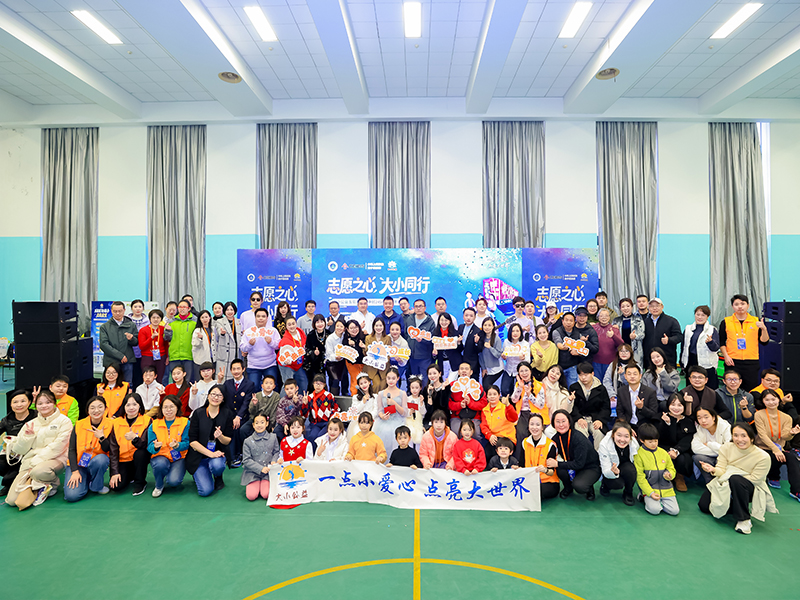
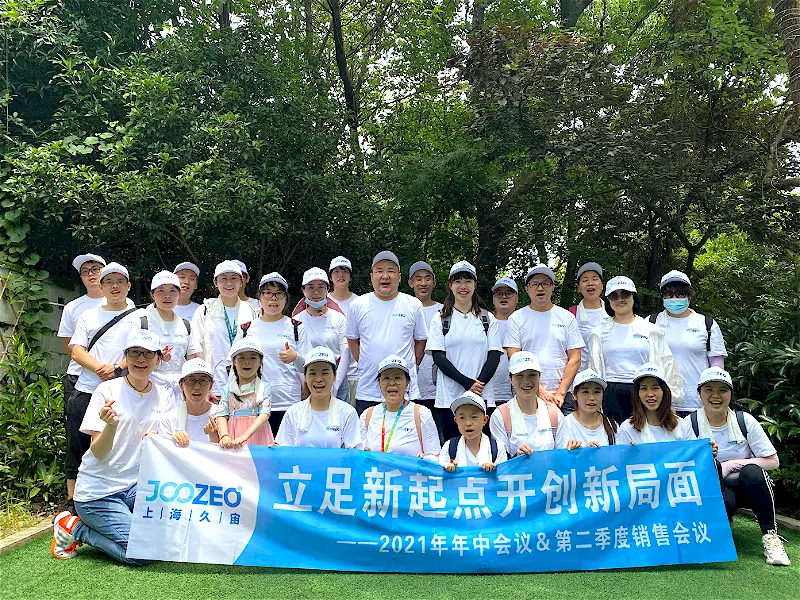
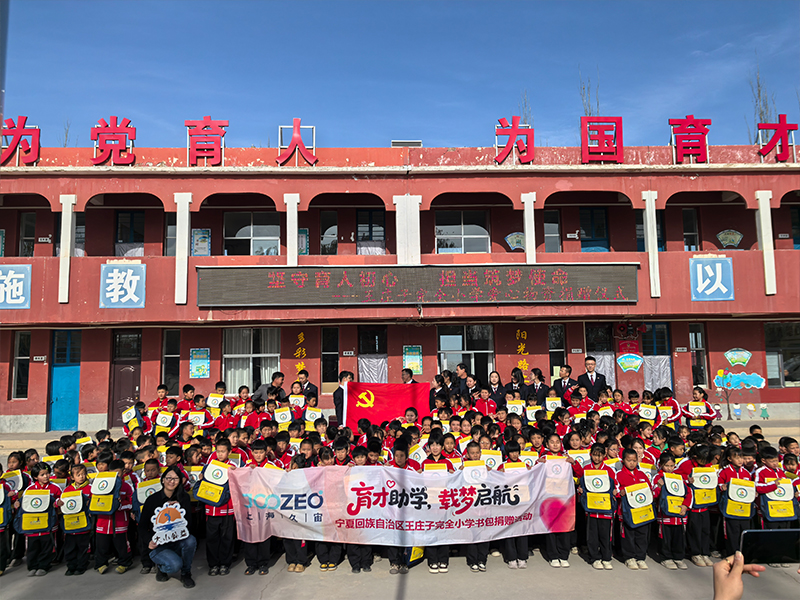
Key considerations for industrial procurement officers, project managers, and engineers when sourcing industrial molecular sieves.
Procuring adsorbents for multi-million dollar processing facilities requires careful technical evaluation. Sourcing teams should look beyond unit cost and focus on long-term performance indicators that minimize total cost of ownership (TCO). Key criteria include:
At Jiuzhou Chemicals, we work closely with engineering teams to provide customized packaging, pre-shipment dynamic testing, and onsite installation support, ensuring seamless plant startups.
Deep-dive answers to key chemical engineering and procurement questions regarding molecular sieve desiccants.
The difference lies in their effective pore sizes: 3A (0.3 nm) selectively adsorbs H2O while excluding larger molecules like hydrocarbons, making it ideal for cracked gas and ethanol dehydration. 4A (0.4 nm) adsorbs water, CO2, and H2S. 5A (0.5 nm) adsorbs normal paraffins and is used in PSA oxygen systems. 13X (1.0 nm) has the largest pore size, allowing it to adsorb larger compounds like mercaptans and CO2, making it perfect for air separation pre-purification.
Adsorption is an exothermic process. Therefore, as operating temperatures rise, the adsorption capacity decreases. While molecular sieves perform better at high temperatures than other desiccants like silica gel, it is best to cool the inlet gas below 40°C to achieve optimal water capacity and dew points.
Molecular sieves are regenerated by heating the bed to between 200°C and 300°C using a dry purge gas (thermal swing adsorption, or TSA). Alternatively, regeneration can be achieved by lowering the pressure at constant temperature (pressure swing adsorption, or PSA). Proper temperature control is essential to prevent hydrothermal degradation of the zeolite crystals.
Static capacity measures the maximum moisture absorption at equilibrium. Dynamic capacity, however, accounts for gas velocity, bed depth, and contact time under real-world processing conditions. It measures the water absorbed before the moisture front breaks through the bed, which is the most critical metric for sizing industrial dryers.
Pure zeolite crystals are fine powders and cannot be loaded directly into dynamic industrial beds. Binders (clays) are used to form the powders into spherical beads or extrudates. High-quality binders maintain bead shape and crushing strength over hundreds of thermal cycles, preventing bed compaction, dusting, and pressure drops.
Depending on feed gas purity, regeneration cycles, and plant operation, our industrial molecular sieves typically last between 3 to 5 years in gas dehydration systems, and even longer in insulated glass or closed desiccator setups.
Explore our complete range of activated alumina, sodium silicates, and specialty chemical products.
Consult with our application engineers to determine the ideal pore size and quantities for your project. We respond to all technical inquiries within 24 hours.
Send Request / Contact Us