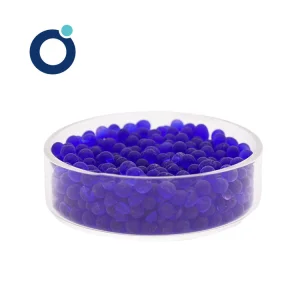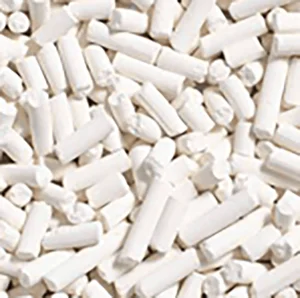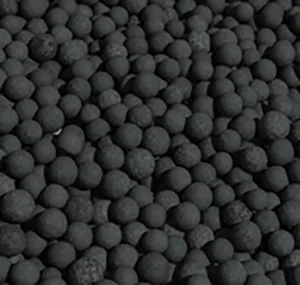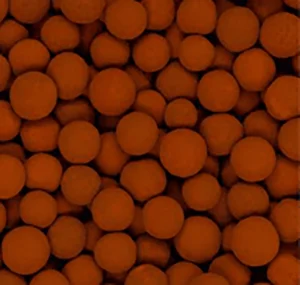
Explore our premium selection of industrial desiccants, silica gels, and custom-formulated molecular sieves engineered to meet global quality standards.
The global Zeolite 3A price structure is determined by complex material inputs and environmental processing costs. Basic materials such as high-purity sodium silicate, sodium aluminate, and potassium hydroxide form the variable cost baseline. Since Zeolite 3A requires a secondary potassium ion-exchange process to reduce the effective pore window from 4Å to 3Å, the efficiency of this exchange directly controls the consistency of the final product and its market pricing.
Energy-intensive crystallization and high-temperature activation phases mean production costs are closely tied to regional industrial energy rates. Buyers seeking optimal lifetime value must evaluate the total cost of ownership (TCO) rather than just initial purchase cost. Factors such as attrition resistance and bulk density can drastically reduce system operating costs and extend regeneration cycles.
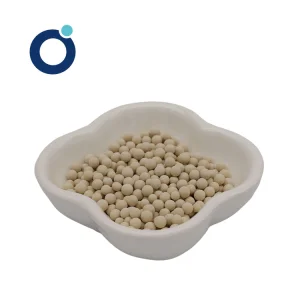
Historically, binder materials used to form zeolite powders into spherical beads or cylindrical extrudates compromised active adsorption capacity. Today, premium suppliers utilize "binderless" synthesis technologies. While binderless Zeolite 3A commands a premium price, it yields a 20-30% increase in static water adsorption capacity, reducing vessel size requirements and energy consumption during regeneration cycles.
This evolution allows systems engineers to design smaller molecular sieve beds while achieving identical or superior dew points down to -100°C. Modern Zeolite 3A pricing is also influenced by custom additions that maximize thermal shock resistance, which is essential for rapid Temperature Swing Adsorption (TSA) setups.
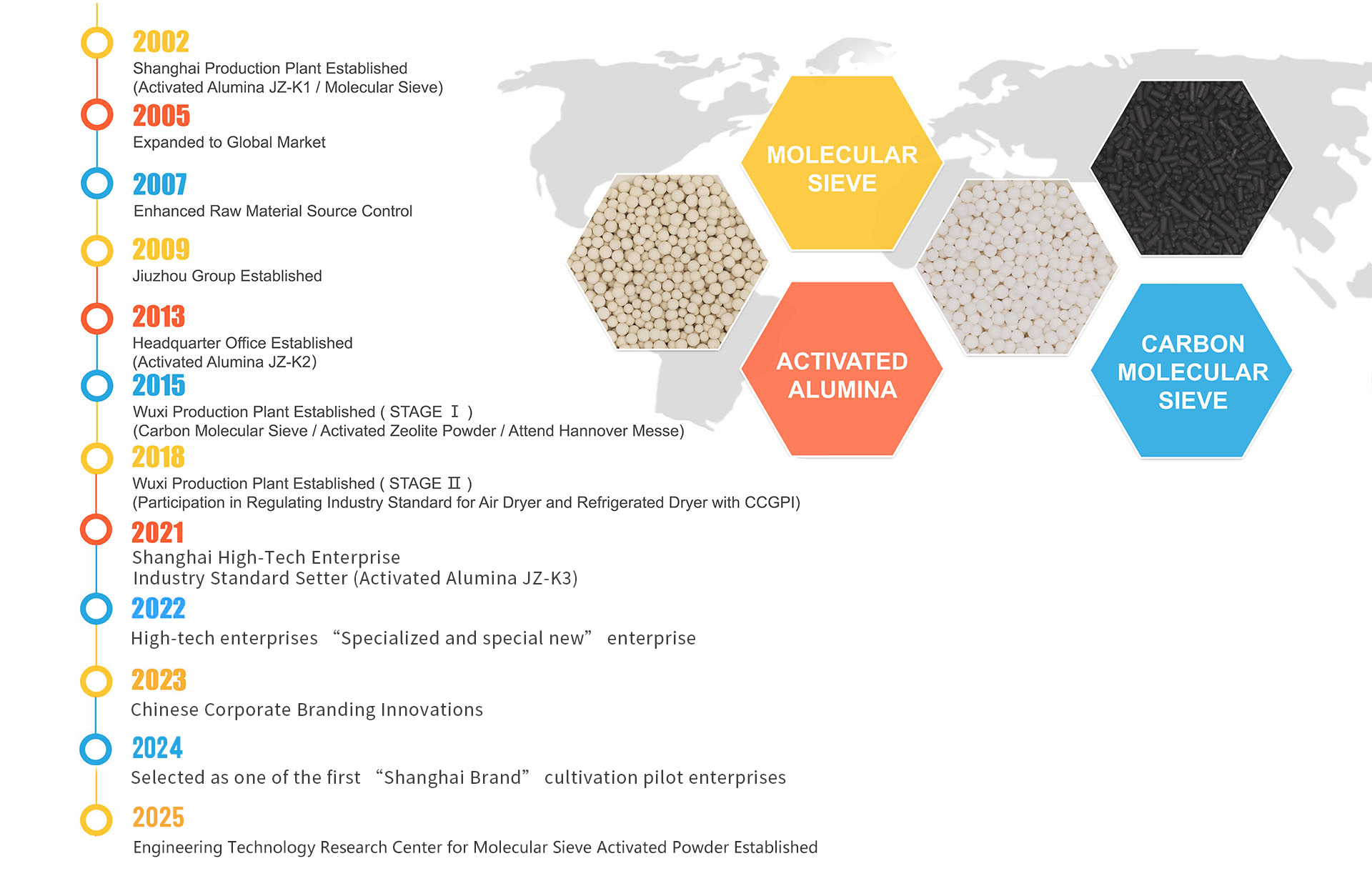
Headquartered in Shanghai, the economic center of China, JOOZEO has consistently adhered to the core principles of quality control and innovation. We are committed to the research, development, and manufacturing of premium, high-efficiency molecular sieves, activated powders, activated alumina, catalysts, and ceramic packing.
JOOZEO features a professional, world-class research team and resources. We utilize advanced international production technologies and automated, multi-functional production systems built to national and international environmental standards. Our central testing laboratory houses high-precision monitoring and analytical instrumentation, enabling rigorous quality control that meets global specifications.
All our products are certified under ISO9001:2008 and hold TUV and SGS certifications. We have established distribution networks across the United States, Southeast Asia, Japan, Europe, North and South America, and the Middle East, delivering high-quality products and energy-saving adsorption solutions worldwide.
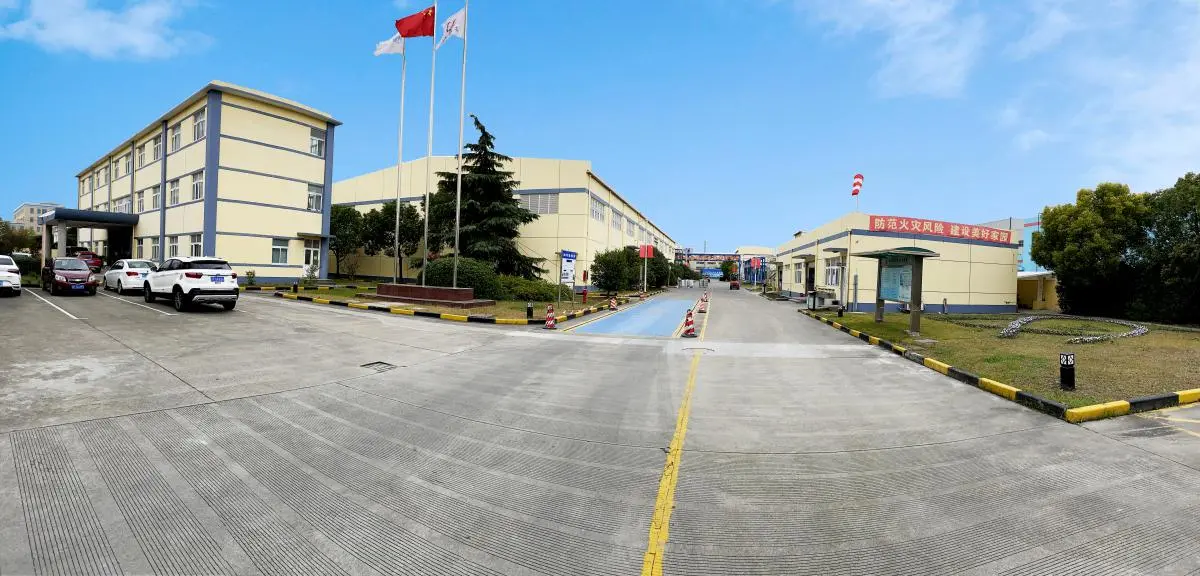
Shanghai Factory
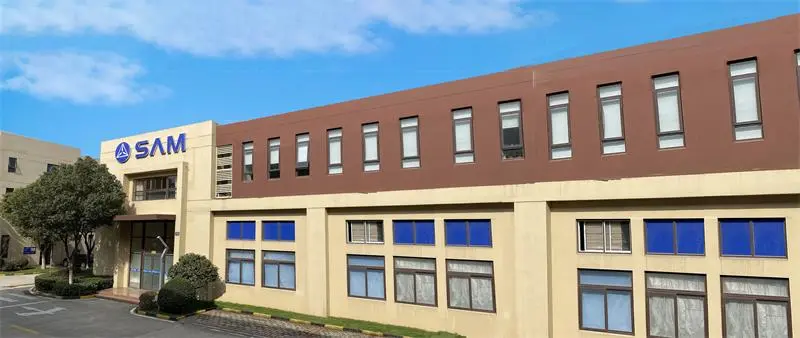
Wuxi Factory
As the chemical processing industry adopts carbon-neutral standards, molecular sieve technology is undergoing significant evolution. Next-generation Zeolite 3A focuses on several key technological tracks:
Developing template-free hydro-thermal crystallization paths that reduce organic chemical effluents during synthesis, minimizing environmental impact.
Modifying surface chemistries to suppress coke formation and hydrothermal degradation, lengthening service life to more than 40,000 operational hours.
Optimizing calcination profiles to achieve residual moisture content below 0.5% weight, ensuring maximum capacity from initial startup.
The selective adsorption profile of Zeolite 3A allows it to solve critical engineering challenges in high-demand environments. Below are the key applications where it delivers optimal performance:
In olefin plants, Zeolite 3A is used for the deep dehydration of cracked gas, ethylene, propylene, and butadiene. It removes water to dew points under -100°C without co-adsorbing larger alkene molecules. This prevents polymerization within the adsorbent bed and avoids catalyst poisoning downstream.
Modern architectural double-glazing requires continuous moisture control to prevent condensation inside the spacer. Zeolite 3A adsorbs vapor without pulling in air or argon filler gas. This prevents structural deflection or seal rupture caused by temperature swings.
To produce fuel-grade anhydrous ethanol, moisture must be reduced from the azeotropic state (approx. 95% concentration) to over 99.8%. Utilizing PSA systems loaded with premium Zeolite 3A allows plants to break the azeotrope without benzene-based distillation.
Zeolite 3A provides dry gas feeds for cryogenic separation and protects HVAC and refrigeration units from icing. It prevents hydrate formation in natural gas systems and blocks corrosion from organic acids in refrigerant loops.
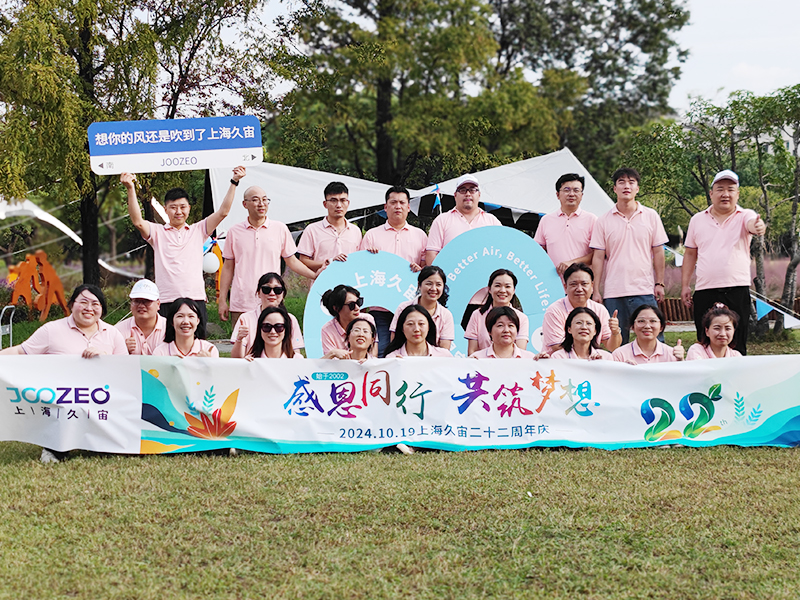
"Better air, Better life"
Our commitment goes beyond chemical synthesis. JOOZEO is dedicated to reducing industrial emissions, improving clean air technology, and developing energy-efficient molecular sieves that help global enterprises minimize their carbon footprint.
We are primary standard setters and contributors to major industry regulations. Our products conform to domestic and global specifications, guaranteeing consistent performance across all batches.
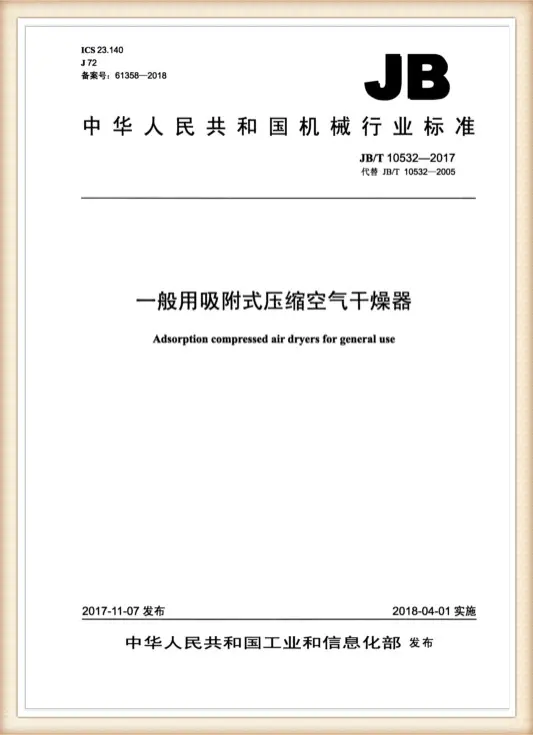
JB / T 10532-2017
Adsorption compressed air dryers for general use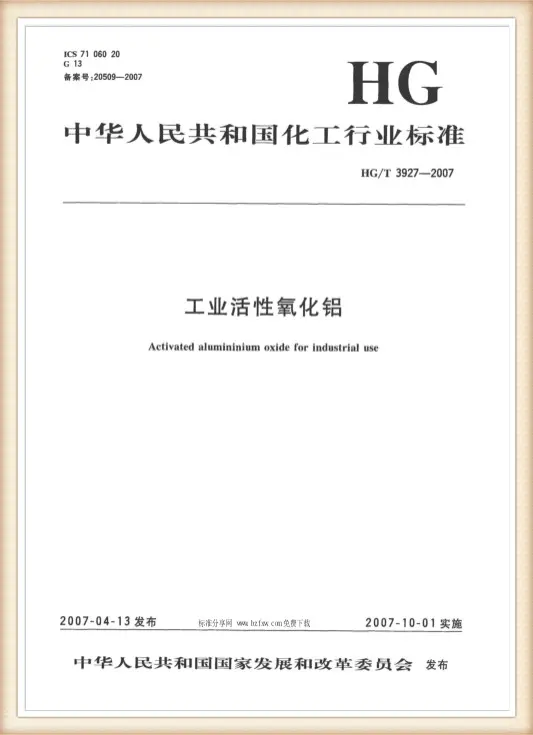
HG / T 3927-2007
Activated aluminium oxide for industrial use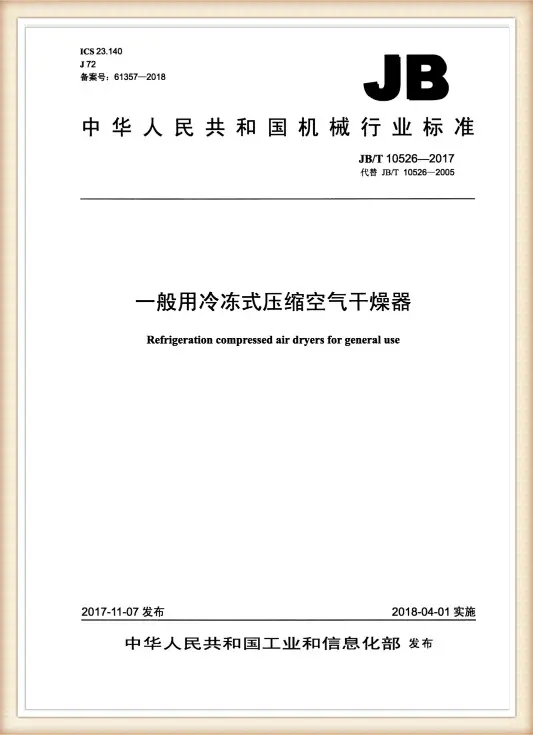
JB / T 10526-2017
Refrigeration compressed air dryers for general use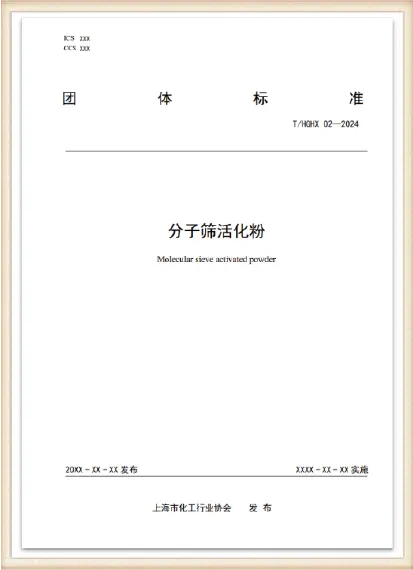
T/CGMA1201-2024
Industrial Gas Machinery Standard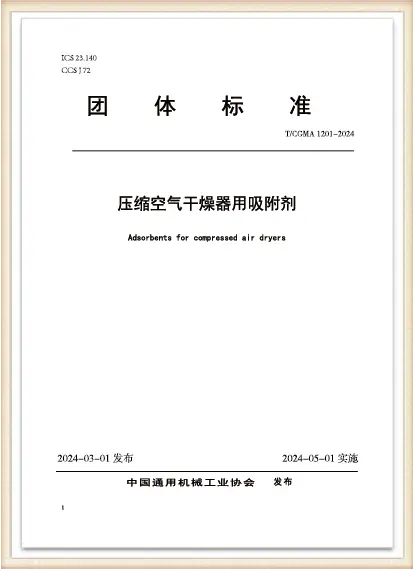
T/HGHX 02—2024
Chemical Adsorption Standard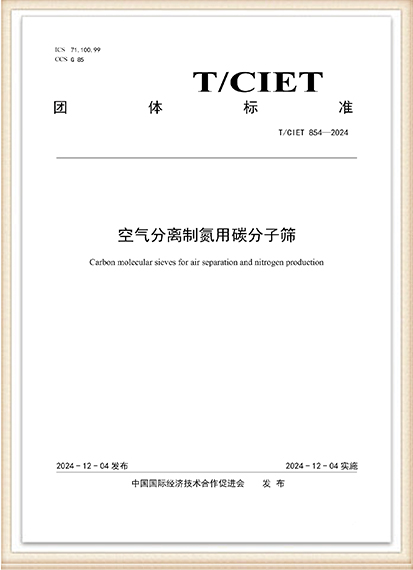
T/CIET 854-2024
Green Chemical Manufacturing StandardFind authoritative answers to technical and commercial questions regarding Zeolite 3A selection, system design, and pricing factors.
Our extended range of specialized adsorption products, ceramic components, and performance catalysts manufactured under certified quality standards.
Have questions regarding chemical compatibility, custom adsorption capacities, or current bulk pricing? We respond to all inquiries within 24 hours.
Send Request