
High-performance selective adsorption agents engineered for moisture control, hydrocarbon separation, and catalyst protection.
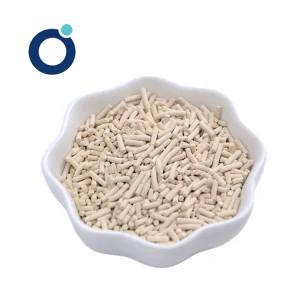
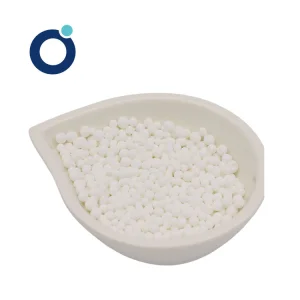
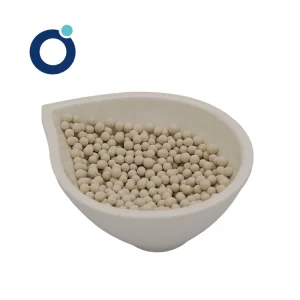
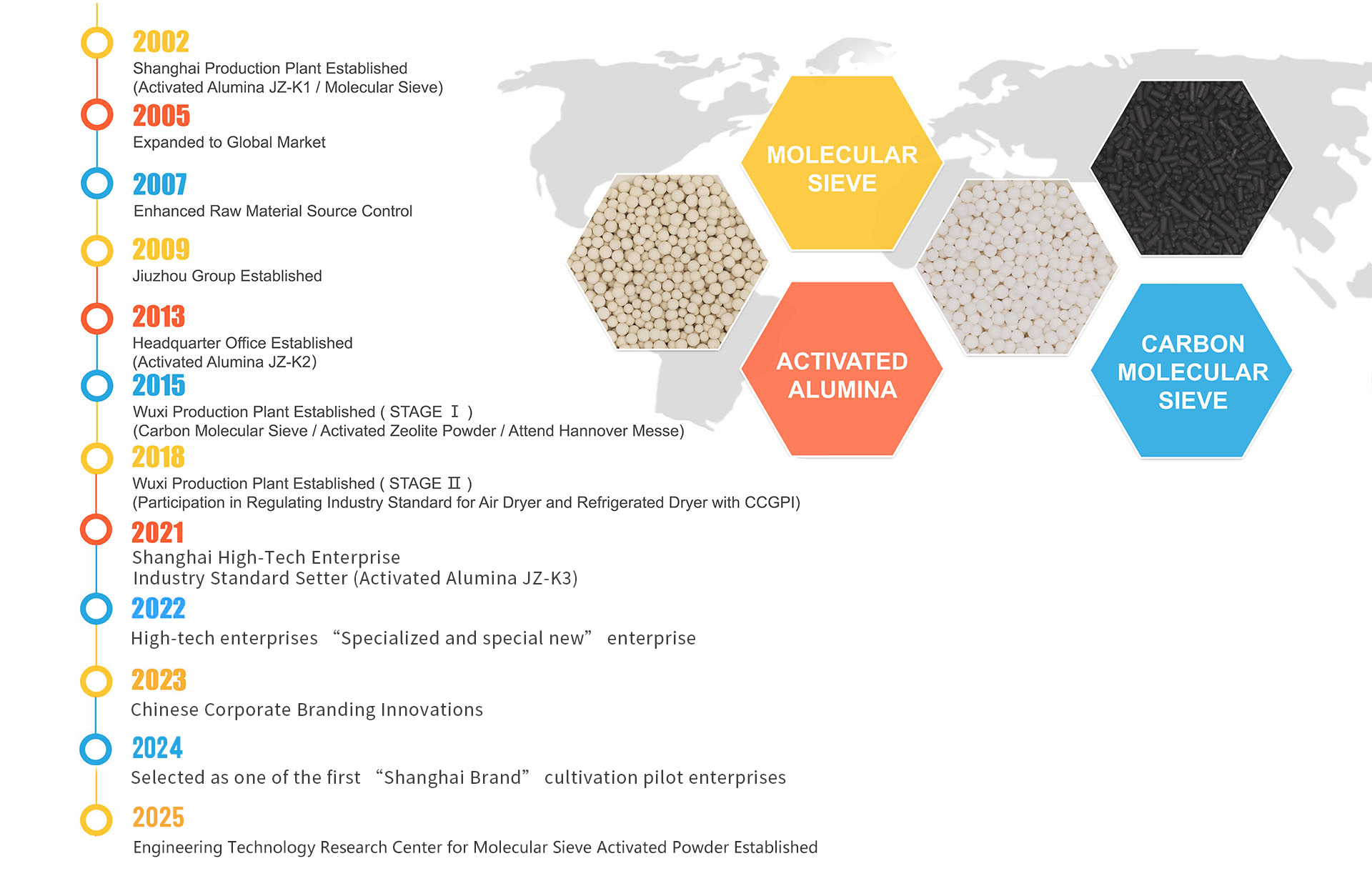
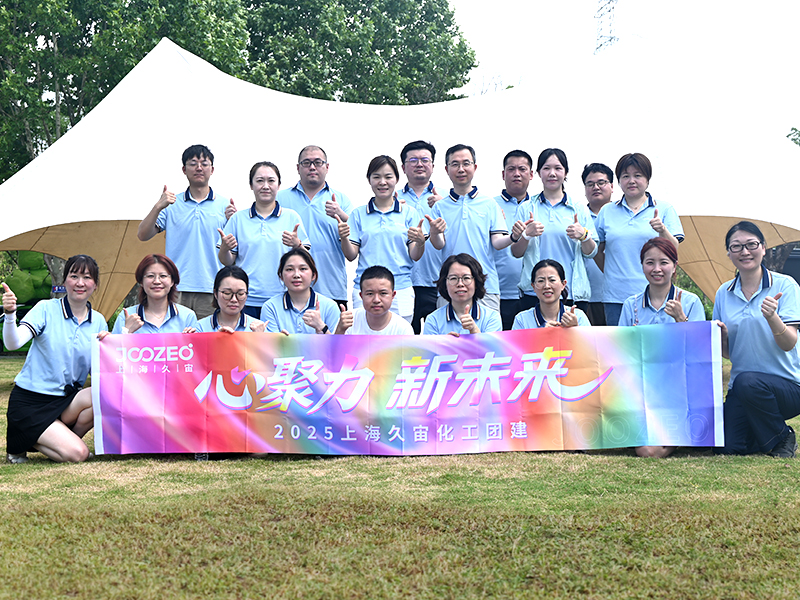
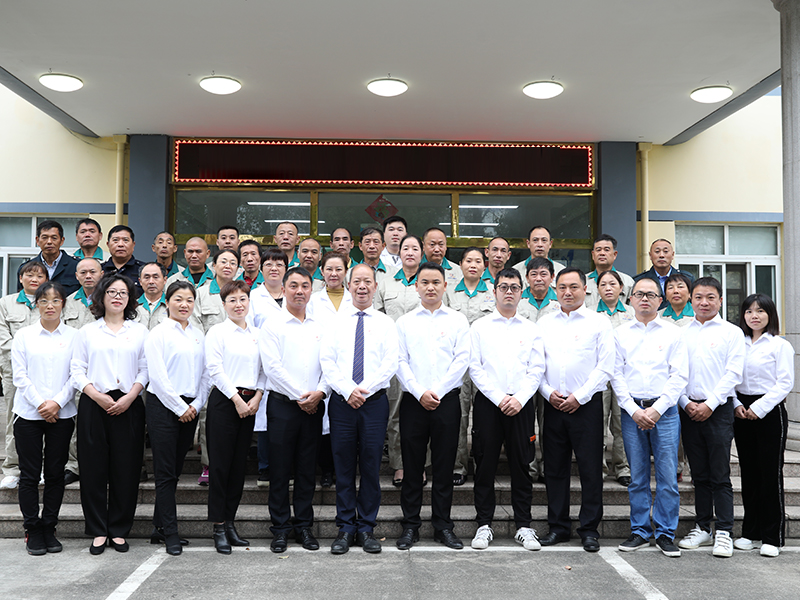
Shanghai Jiuzhou Chemicals Co., Ltd. is strategically located in Shanghai, China's largest economic development hub. Over the years, Jiuzhou has consistently adhered to the core operating principles of "Quality Control & Innovation", dedicating itself to the research, development, and advanced manufacturing of high-performance chemical products and adsorbents.
Our comprehensive product catalog features specialized molecular sieve powders, synthetic molecular sieves, activated powder, activated alumina, aluminum oxide catalysts, various alumina tower packings, ceramic balls, sodium silicates, aluminum hydroxide, zeolite 4A, sodium carbonates, and SLES. All of our production processes and materials are fully certified under the ISO9001:2008 Quality Management System as well as international third-party evaluations by TUV and SGS.
Supported by a professional, world-class chemical research group, Jiuzhou utilizes top-tier international production technologies and advanced engineering equipment. Our central laboratories and dynamic monitoring systems ensure strict quality inspections that conform perfectly to global market requirements. We operate a vast distribution network spanning the United States, Southeast Asia, Japan, Europe, North and South America, and the Middle East, delivering customized, environmentally friendly, and energy-saving adsorption solutions.
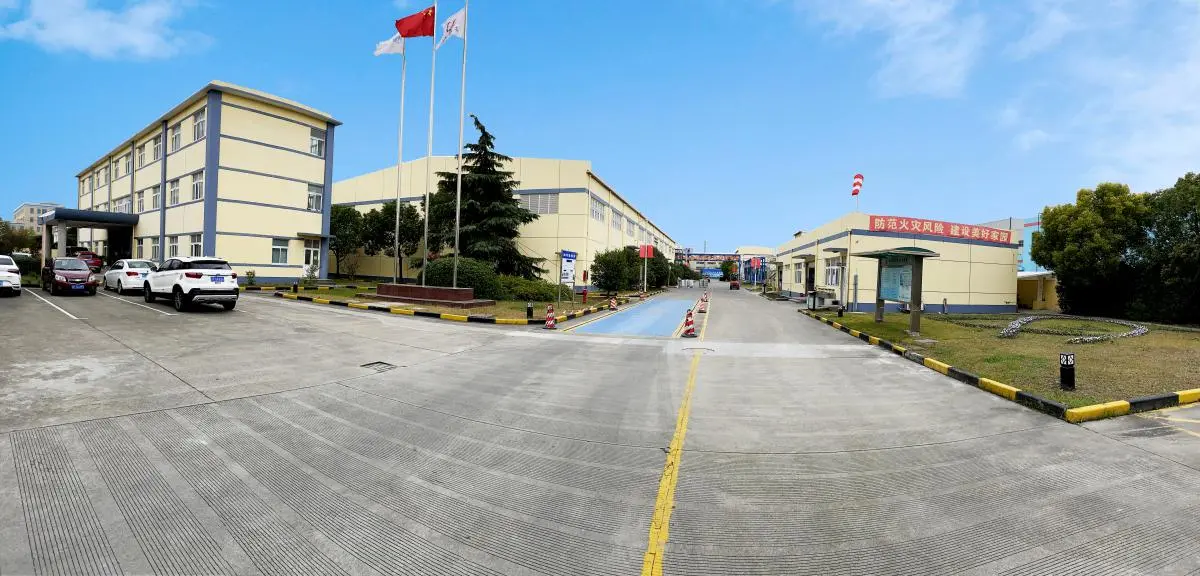
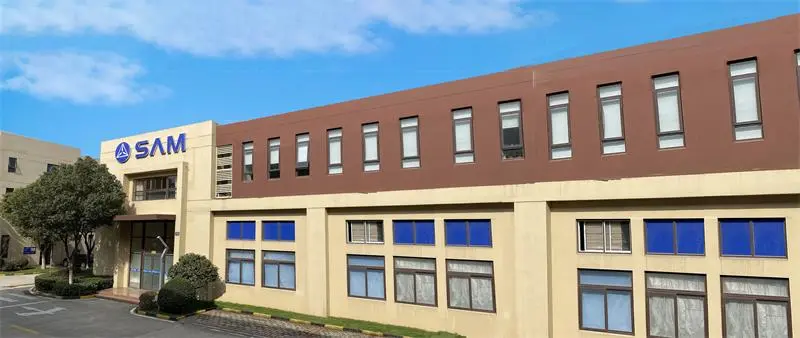
Multi-functional automated workshops and dynamic testing labs providing high-capacity, stable output.
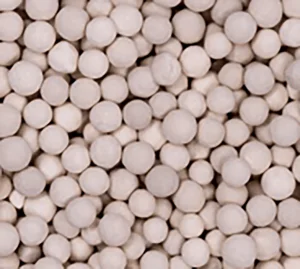
Molecular Sieve 3A, a potassium-substituted aluminosilicate zeolite of the type A crystal structure, represents the primary industrial standard for selective dehydration. Its defined pore size of approximately 3 Ångströms allows for the exclusion of molecules larger than 3 Å (such as unsaturated hydrocarbons, ethanol, and carbon dioxide), selectively adsorbing water vapor (approx. 2.6 Å). This specific pore configuration is critical to preventing co-adsorption and subsequent catalytic side reactions in modern processing plants.
The global Molecular Sieve 3A price is dictated by a matrix of macro-economic variables, material costs, and processing requirements. Major cost drivers include the purity of chemical raw materials (including sodium silicate, sodium aluminate, and potassium hydroxide used in the ion exchange step) and the thermal calcination process, which is energy-intensive. Standard pricing trends show variations depending on the degree of potassium ion-exchange—higher rates of ion exchange (typically above 40-50% substitution of sodium for potassium) optimize the selectivity but increase base formulation costs. Procurement managers must analyze the total cost of ownership (TCO) rather than just initial purchase price, factoring in attrition rate, crush strength, and cyclical regeneration lifetime.
The structural framework of synthetic Zeolite 3A is based on a three-dimensional network of SiO4 and AlO4 tetrahedra. The negative charge of the AlO4 structures is neutralized by exchangeable cations—principally sodium (Na+) and potassium (K+).
By substituting sodium ions with bulkier potassium ions, the effective aperture of the cage entryways is restricted from 4 Å down to approximately 3 Å. This mechanical barrier prevents larger hydrocarbons (such as ethylene, propylene, and butadiene) from entering the interior crystalline void space. Thus, the polymerizable molecules bypass the sieve bed unaffected, avoiding carbon deposition (coking), premature bed fouling, and system pressure drops.
Pore aperture control prevents co-adsorption, ensuring low olefin loss and minimal hydrocarbon retention during industrial cycles.
High crush strength values minimize chemical attrition, dust formation, and structural degradation in deep vertical beds.
Maintains crystal lattice framework integrity and adsorption capacity over hundreds of thermal regeneration cycles.
Jiuzhou Molecular Sieve 3A is deployed across critical chemical processing pipelines around the globe:
To achieve optimal operational efficiency, the saturated molecular sieve bed must undergo thermal regeneration using either Temperature Swing Adsorption (TSA) or Pressure Swing Adsorption (PSA) system configurations. Thermal regeneration of Zeolite 3A is performed using clean, dry sweep gases (such as nitrogen or methane) at temperatures ranging between 200°C and 320°C.
Operating parameters must be carefully designed; exposure to excessively high temperatures (above 450°C) under high water partial pressures can cause hydrothermal degradation, accelerating the loss of active surface area and crystalline pore structure. Our global engineering department assists users in design calculations, adjusting flow velocities, and setting heating profiles to optimize system efficiency.
Jiuzhou Chemicals is an industry benchmark contributor, leading the establishment of chemical manufacturing and safety standards.
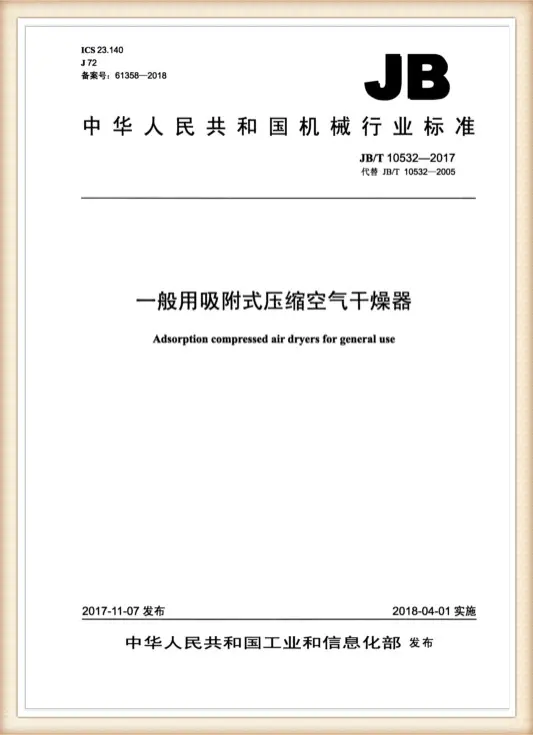
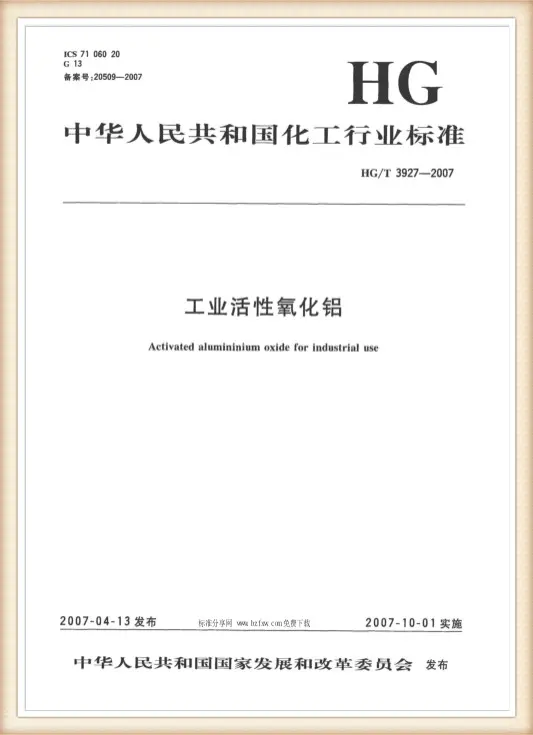
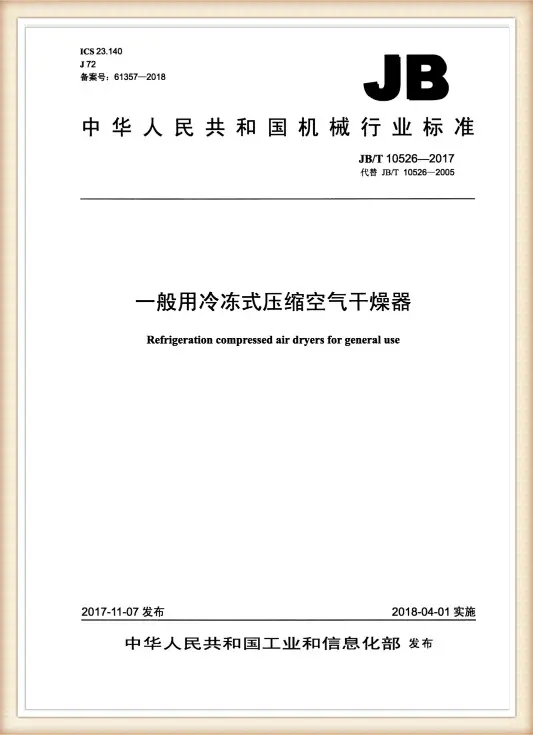
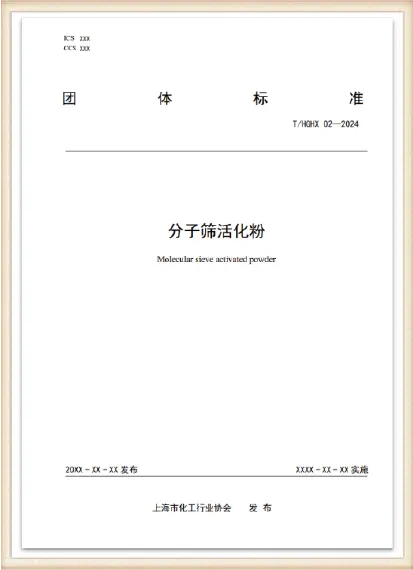
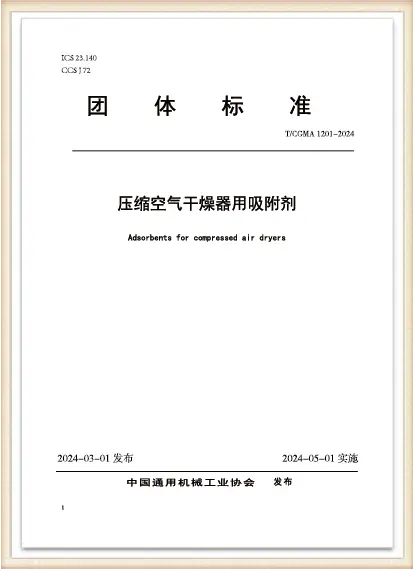
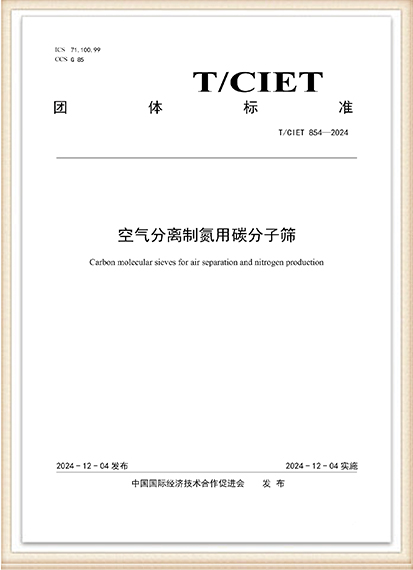
"Better air, Better life" — Driving low carbon emissions and environmentally safe manufacturing processes.

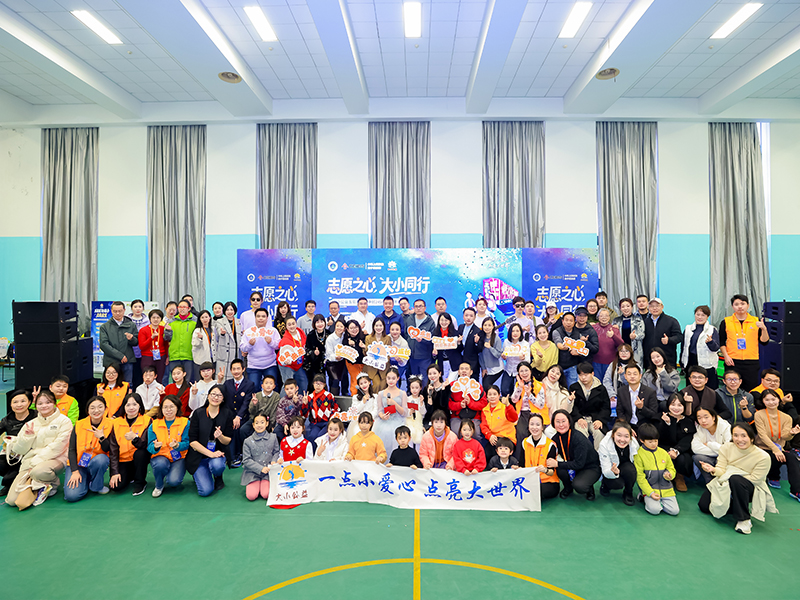
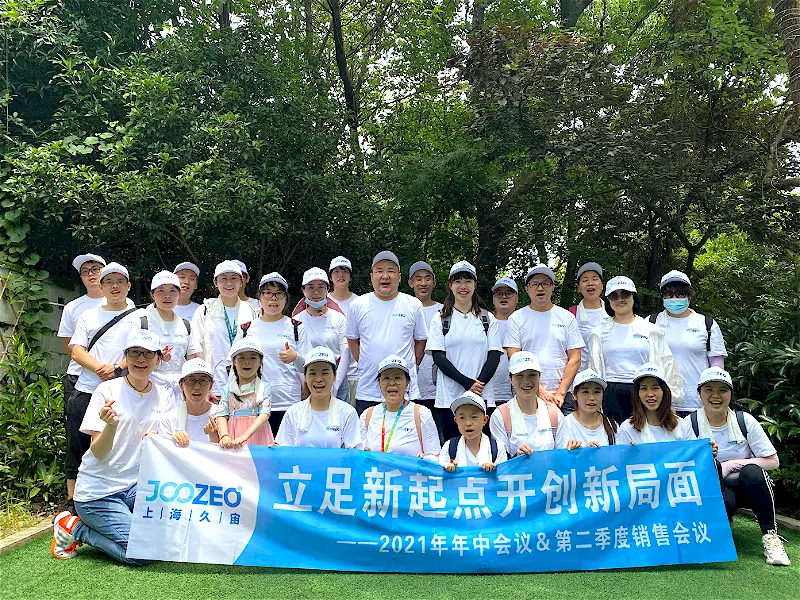
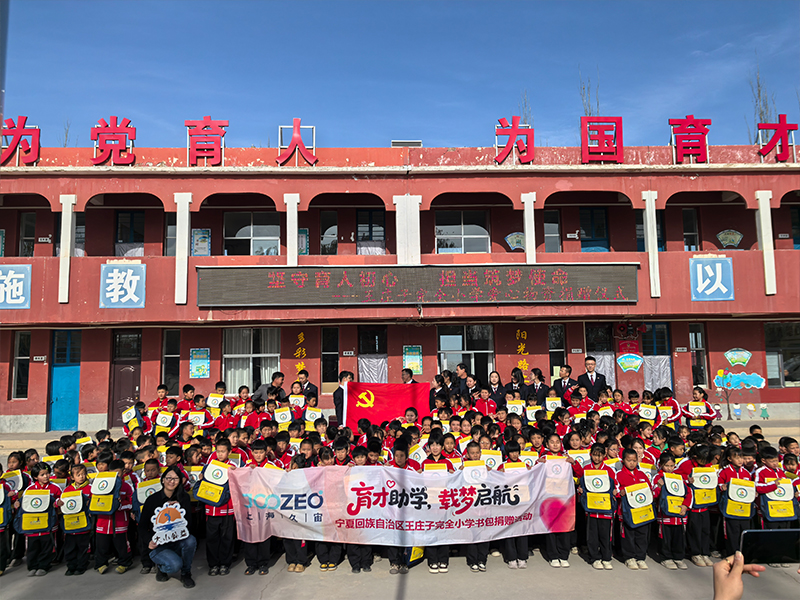

Technical expertise answers to critical sourcing, engineering, and operation questions regarding Molecular Sieve 3A.
Explore our full line of synthetic molecular sieves, premium silica gels, and industrial-grade support media.
Connect directly with our chemical engineering team in Shanghai. Receive detailed product datasheets, bulk price lists, and technical solutions within 24 hours.
Send Enquiry Request