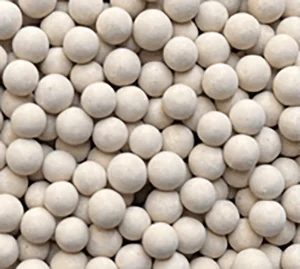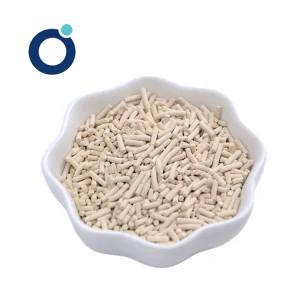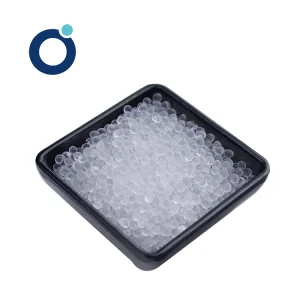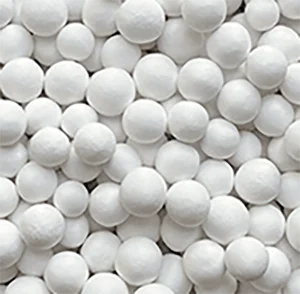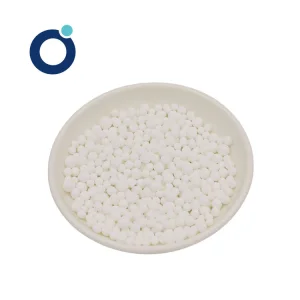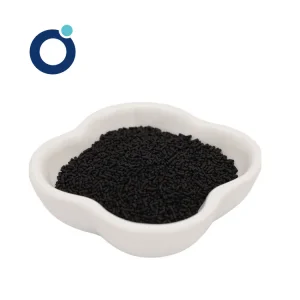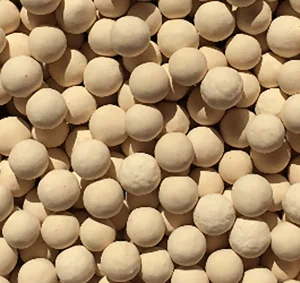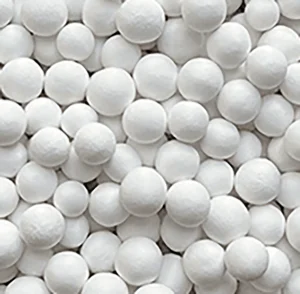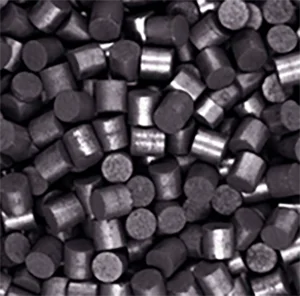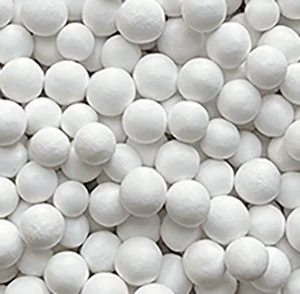
Explore our foundational adsorbent and mineral solutions developed for advanced industrial systems.
Sodium Silicate Liquid, widely recognized across global industrial chemical supply chains as "liquid glass" or "water glass," is a highly versatile inorganic chemical compound defined by the general formula Na₂O·xSiO₂. The parameter x represents the weight or molar ratio—commonly referred to as the modulus. This modulus, along with the liquid's specific gravity and concentration, dictates its viscosity, solubility, alkalinity, and binding properties. It is a cornerstone compound for diverse industries ranging from paper manufacturing and civil construction to advanced catalyst synthesis, detergent formulation, and metal foundries.
As a leading name in inorganic chemical production, Shanghai Jiuzhou Chemicals Co., Ltd. (JOOZEO) has spearheaded the development, engineering, and manufacturing of ultra-pure Sodium Silicate Liquid solutions. Drawing upon three decades of specialized industrial experience, this technical whitepaper provides deep insights into the thermodynamic behavior, rheological properties, manufacturing processes, and strategic sourcing trends of sodium silicate liquids, equipping engineering professionals and procurement directors with the core insights needed to maximize system performance and supply chain resiliency.
The performance of Sodium Silicate Liquid is defined by its physicochemical parameters. The modulus ($SiO_2$ to $Na_2O$ molar ratio) determines the molecular architecture of the silicate anions in solution. A high-ratio sodium silicate (modulus > 3.0) possesses a complex network of polymeric silicate clusters. Consequently, it exhibits faster gelation times, higher silica content, and lower alkalinity. Conversely, a low-ratio sodium silicate (modulus < 2.5) features simpler silicate ions, leading to higher pH values, increased ionic solubility, and greater wetting capabilities.
During concentration processes, the density of the liquid (typically measured in Baumé degrees, °Bé) rises, drastically shifting its viscosity profile. High-Baumé liquids exhibit non-Newtonian shear-thinning characteristics under heavy stress, a key factor when designing pipelines, spray nozzles, and automated batching equipment. Understanding the relationship between Baumé, density, and modulus is critical to selecting the correct product grade for your application.
Characterized by high alkalinity, excellent wetting properties, and high solubility. Ideal for cleaning detergents, textile processing, and chemical synthesis where reactive sodium oxides are required.
Provides a balanced viscosity-to-solids ratio. Frequently used as a binder in corrugated boxboards, briquetting, and as an additive in construction materials and cement formulations.
Boasts rapid gelation, high binding strength, and low alkalinity. Vital for refractory materials, soil consolidation, drilling fluids, and advanced silica gel synthesis.
Industrial applications of Sodium Silicate Liquid span across various key sectors:
Procuring raw materials for chemical processing requires navigating volatile energy prices, strict environmental regulations, and shipping constraints. Over the last decade, procurement teams have shifted from prioritizing raw material cost to prioritizing reliability, geographic distribution, and chemical consistency.
Furthermore, ESG (Environmental, Social, and Governance) targets require sourcing managers to vet chemical factories for low-emission calcination methods, clean water recycling systems, and compliance with REACH, TUV, and SGS frameworks. High-quality liquid sodium silicate must be delivered in clean, lined ISO tanks, heavy-duty IBC totes, or sealed drums to prevent carbonation from atmospheric air, which can cause premature gelation and clog dispensing systems.
Located in Shanghai, the economic center of China, Shanghai Jiuzhou Chemicals Co., Ltd. (JOOZEO) has committed itself to the development, manufacturing, and distribution of premium industrial chemical solutions. Guided by our foundational principles of 100% Quality Control and 100% Innovation, we serve major industrial hubs worldwide.
Our comprehensive catalog includes: molecular sieve powders, molecular sieves, activated powder, activated alumina, aluminum oxide catalysts, various ceramic balls and alumina packings, sodium silicates, aluminum hydroxide, zeolite 4A, sodium carbonates, and SLES.
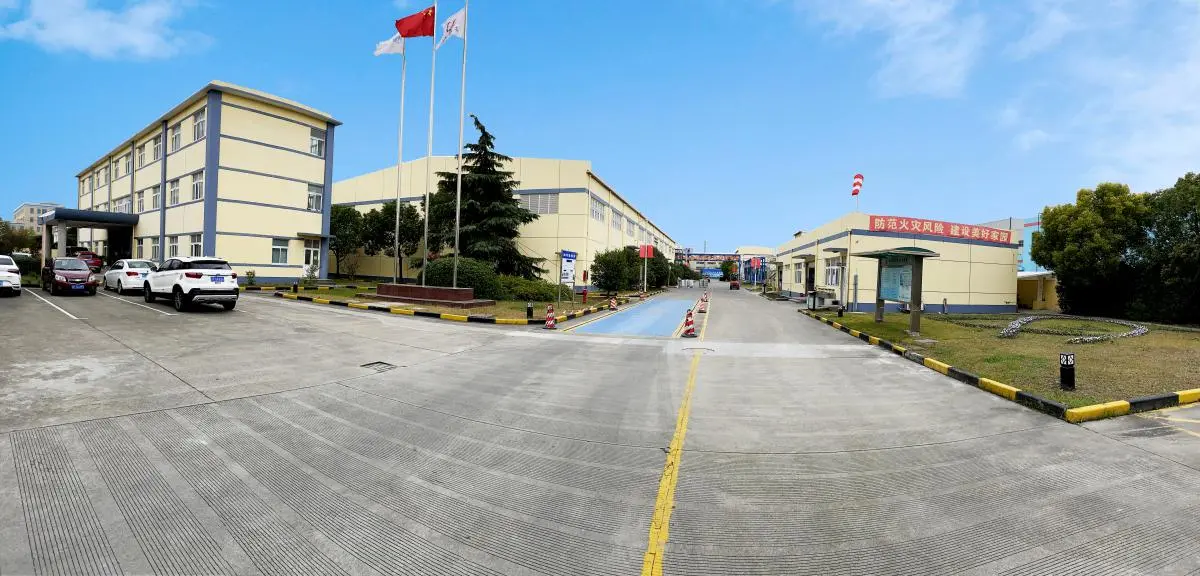
Equipped with advanced automated synthesis systems and analytical testing laboratories. Specializes in custom-formulated sodium silicates and catalyst carrier structures.

Focuses on high-volume production of molecular sieves and activated alumina, utilizing energy-efficient kiln technologies and closed-loop process loops.
By operating modern production facilities in both Shanghai and Wuxi, JOOZEO ensures uninterrupted supply and flexible manufacturing capacity. Our central laboratory houses specialized diagnostic instrumentation, including ICP-OES (Inductively Coupled Plasma Optical Emission Spectroscopy), XRF (X-Ray Fluorescence), and advanced rheometers, allowing us to inspect every incoming shipment of soda ash and silica sand to secure batch-to-batch consistency.
We believe that meeting standardized quality specifications is the minimum requirement for industrial supply safety. JOOZEO plays an active role in shaping industry standards, ensuring our products comply with Chinese National Standards (GB), HG/T, and international ISO, TUV, and SGS frameworks.
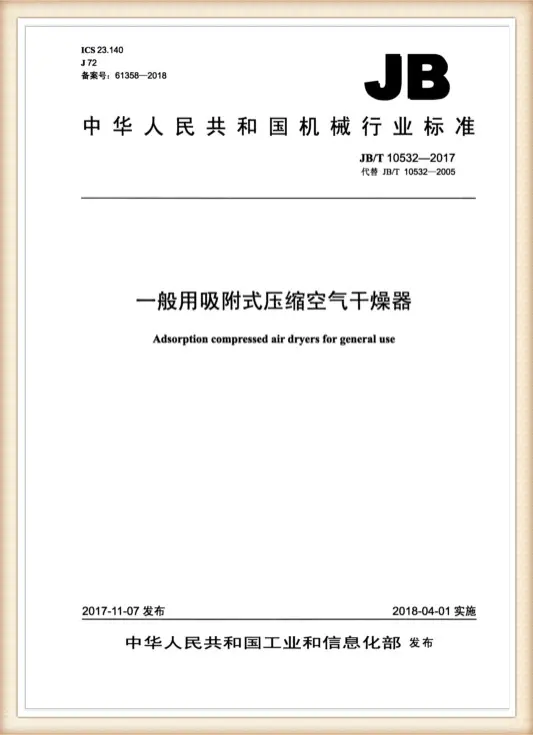
Adsorption compressed air dryers for general use. Standardizes our molecular sieves and activated aluminas in air separation units.
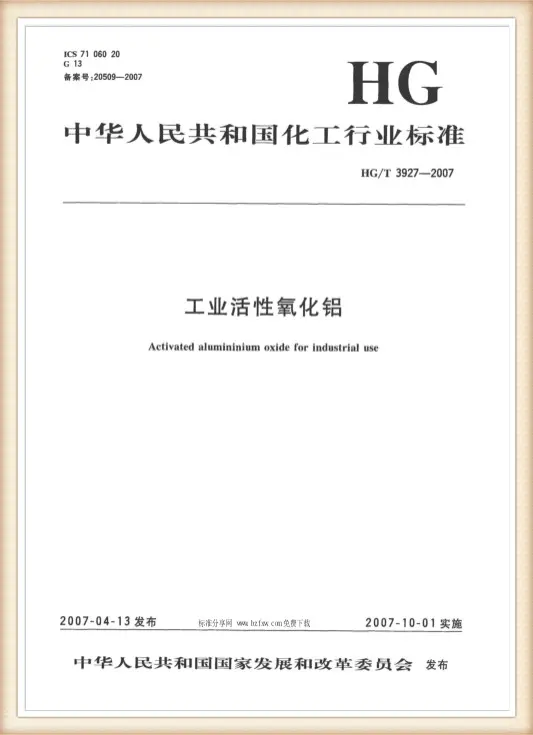
Activated aluminum oxide for industrial use. Guides our strict porosity and surface area parameters.
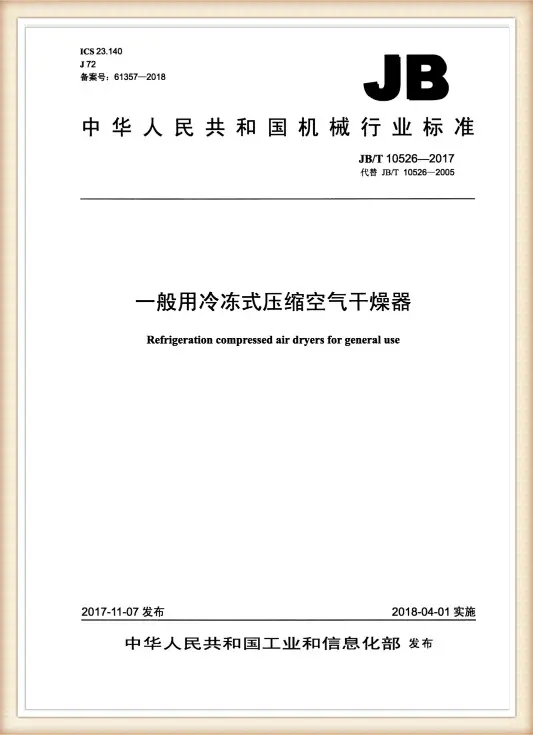
Refrigeration compressed air dryers for general use. Governs chemical components in drying systems.
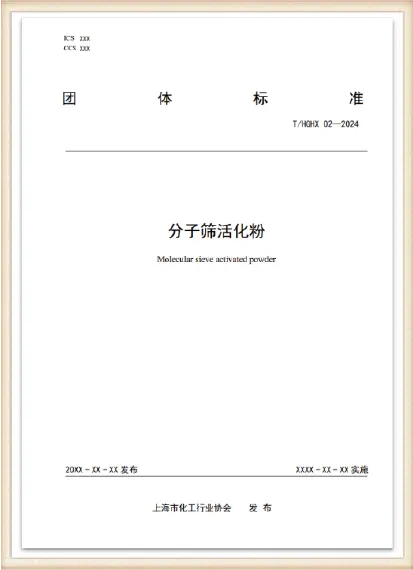
Modernized compliance framework specifying advanced adsorption configurations in modern compression systems.
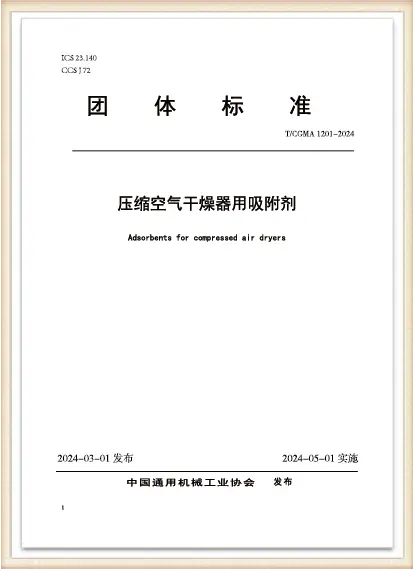
Chemical composition standard validating heavy-metal restrictions and high purity targets for industrial silicates.
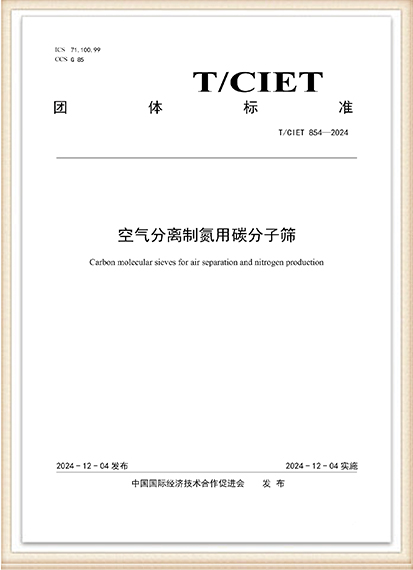
Green chemical production standard certifying lower energy expenditure and sustainable raw material loops.
Our core philosophy, "Better air, Better life", drives us to design and operate our facilities with a focus on environmental sustainability. Chemical manufacturing should never come at the expense of local ecosystems. We invest heavily in clean manufacturing technology, carbon capture integration, and heat recovery loops in our calcination zones. This helps lower the overall carbon footprint of our liquid silicates, assisting our global partners in meeting their scope 3 emissions targets.
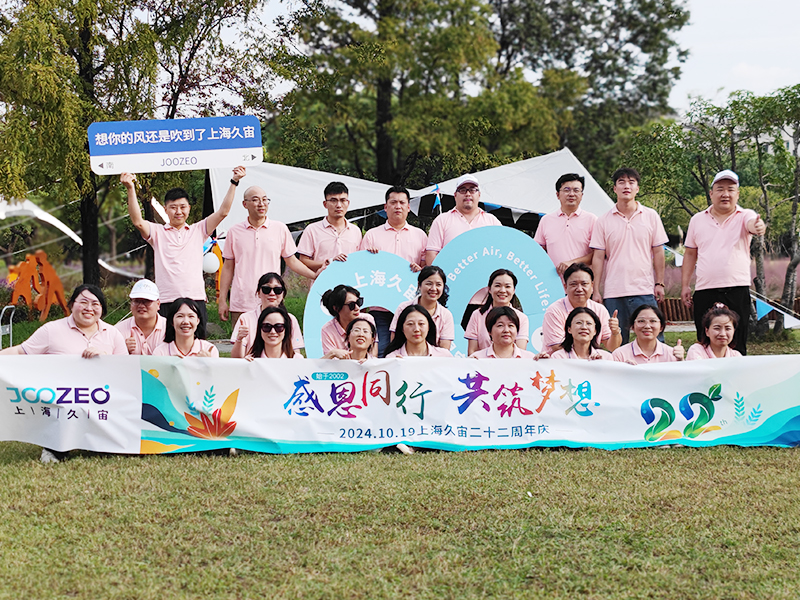
The future of sodium silicate chemistry lies in raw material innovation, green synthesis, and functional modifications. JOOZEO is investing in research and development to replace quartz sand with high-purity biogenic silica derived from agricultural waste, such as rice husk ash (RHA). This circular economy solution dramatically reduces the carbon emissions associated with high-temperature sand calcination.
Additionally, we are testing nano-modified lithium and potassium silicates for heavy-duty concrete dustproofers, which offer superior durability compared to standard sodium formulations. Our technical team is also refining automated, mobile dissolution units that allow customers to receive concentrated solid glass culinary beads and dissolve them on-site, cutting logistics costs by up to 50%.
Specialty catalysts, silica gels, and molecular sieves engineered for high-performance chemical filtration.
Submit your chemical specifications and packing requirements. Our engineering team will review your application and respond within 24 hours.
Send Request