Engineered to deliver thermodynamic efficiency and high mass-transfer performance across demanding chemical systems.
Shanghai Jiuzhou Chemicals (JOOZEO) delivers world-class adsorption tech with robust manufacturing capability.
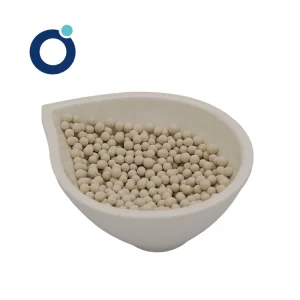
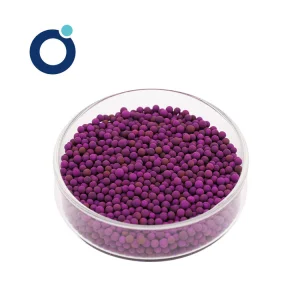
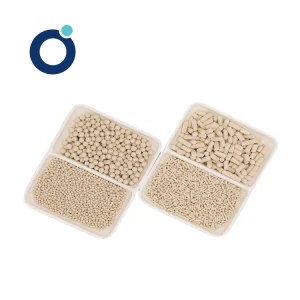
Molecular sieves—synthesized crystalline aluminosilicates (zeolites)—represent the apex of modern material science for selective adsorption. Recognized globally for their uniform pore structures, high dynamic capacities, and extreme thermal resilience, these industrial desiccant materials act as the molecular filter inside petrochemical complexes, natural gas processing units, air separation systems, and pharmaceutical purification pipelines. Leading technologies like the UOP molecular sieve line establish international benchmarks, and global manufacturers match these chemical structures to optimize purification systems worldwide.
“Adsorption kinetics define the thermodynamic limit of modern gas processing. By engineering specific framework types (LTA, FAU) and exchanging cations (Sodium, Calcium, Potassium), we construct sieves with precise sub-nanometer apertures to target and isolate gas species dynamically.”
Historically, industrial purification systems relied on crude silica gels or activated alumina to strip moisture. However, these materials lack structural selectivity, leading to high co-adsorption of hydrocarbons, poor dew point limits, and rapid hydrothermal degradation. The advent of synthetic crystalline zeolites changed this dynamic. By tailoring the silicon-to-aluminum ratio and coordinating active cation sites within the sodalite cages, contemporary molecular sieves isolate trace impurities (such as water, carbon dioxide, hydrogen sulfide, and mercaptans) down to parts-per-billion (ppb) levels.
As a leading standard-setting manufacturer, Shanghai Jiuzhou Chemicals Co., Ltd. (JOOZEO) has pioneered high-performance alternatives designed to match or exceed the strict specifications of international brands. By utilizing automation in our manufacturing facilities in Shanghai and Wuxi, we supply products like the DuraChem CAM-10S, CAM-20S, and JooSorb COS, offering the same pore uniformity and attrition resistance as the UOP Molsiv and APG product families.
At JOOZEO, quality control is not an afterthought; it is built into the molecular framework of our products. In addition to our professional, world-class research team, our manufacturing plants operate in strict compliance with the ISO 9001:2008 Quality Management System. Supported by dynamic laboratories containing advanced analytical instruments, we run real-world simulation tests measuring equilibrium water capacity, attrition rates, and crush strength before any batch leaves our yards.
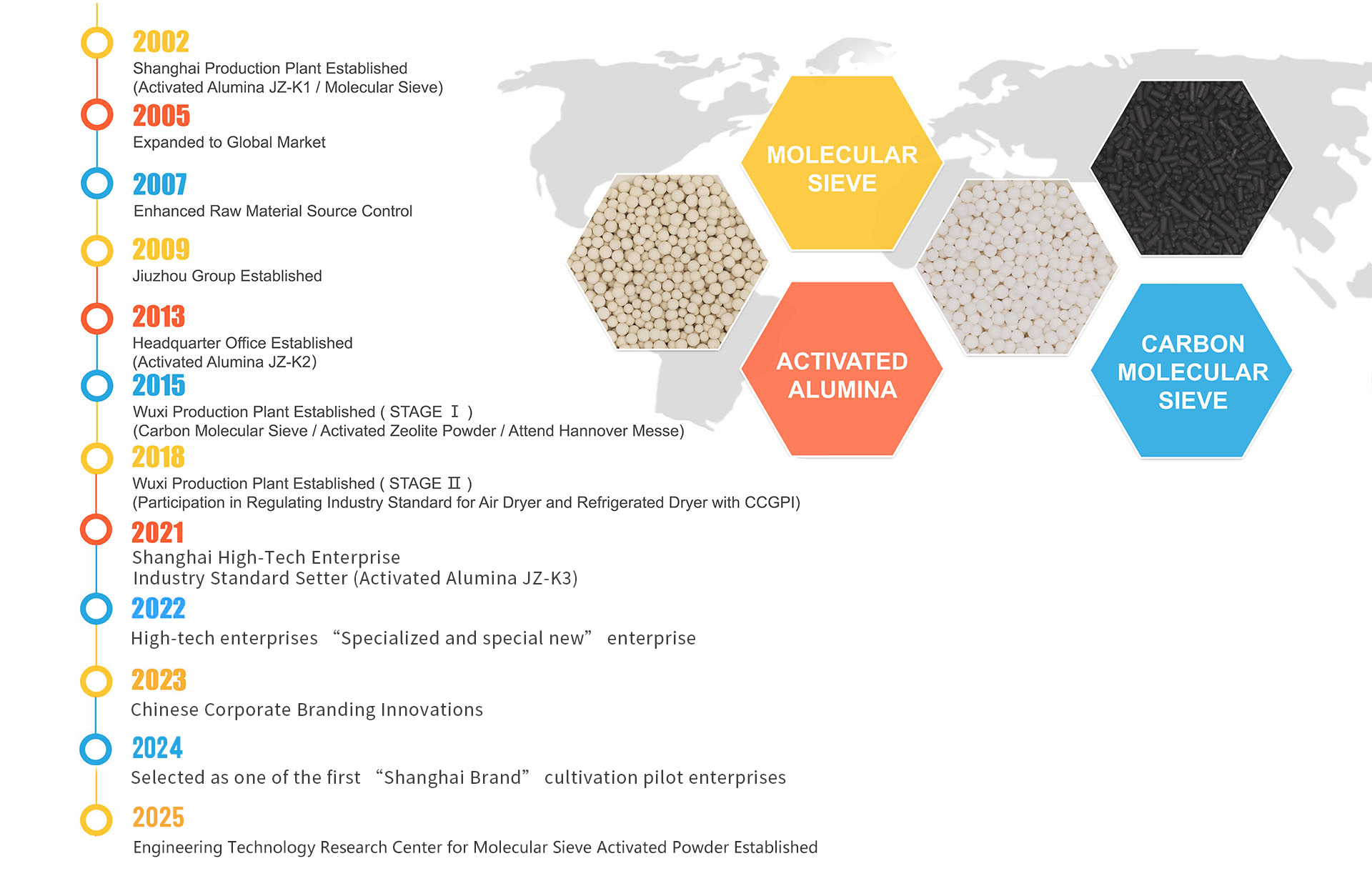
Fully automated synthesis facilities ensuring batch-to-batch consistency and secure supply chains.
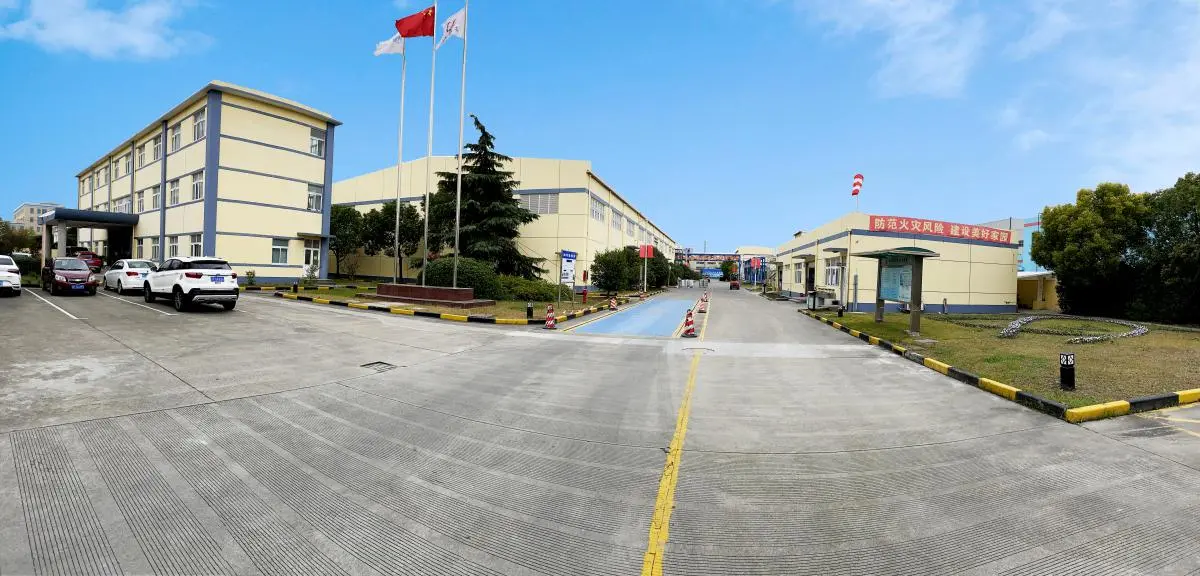
Our central headquarters and automated processing facility focus on high-dispersion zeolite synthesis and customized adsorbent solutions for critical international logistics pathways.
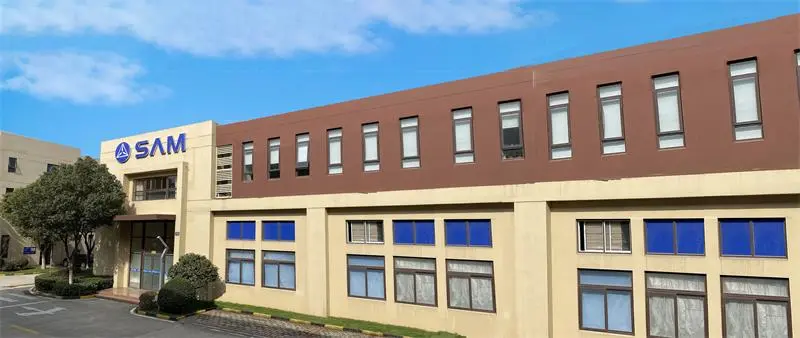
Optimized for mass production of activated alumina, ceramic support balls, and environmental catalysts, supporting heavy industrial plants worldwide.
Procurement teams at modern engineering firms (like EPCs) face shifting constraints. They must balance strict performance standards (such as hydrocarbon dew points below -100°C) with pricing pressures and supply chain delays. In natural gas processing, even minor degradation in the molecular sieve bed can lead to fluidization, pressure drops, and contamination of downstream cryogenic systems. In petrochemical units, dynamic adsorption capacity directly affects the runtime between regeneration cycles. Choosing the right exporter is critical to operational stability.
Global demand is driven by the following focus areas:
In response to global shifts toward sustainable energy, petrochemical and chemical processing plants are redesigning their drying systems. As an exporter of alternatives to UOP molecular sieves, JOOZEO provides targeted solutions for critical industrial challenges:
A. Decarbonization and Carbon Capture (CCUS): Standard zeolites must be modified to exhibit high selectivity for carbon dioxide over nitrogen and methane. Synthetic zeolites act as the primary filter in pressure swing adsorption (PSA) systems, enabling carbon capture at scale.
B. High-Purity Medical Oxygen: Through products like our JZ-ZMS9, oxygen concentrators achieve rapid separation of oxygen from ambient air, providing medical-grade gas in high demand worldwide.
C. Green Hydrogen Dehydration: As green hydrogen becomes a primary fuel source, it requires dehumidification to remove trace water vapor before storage and pipeline transport. This requires high-stability 3A and 4A molecular sieves that resist acidic trace gases.
We actively participate in formulating national and industrial standards, proving our authority and technical expertise.
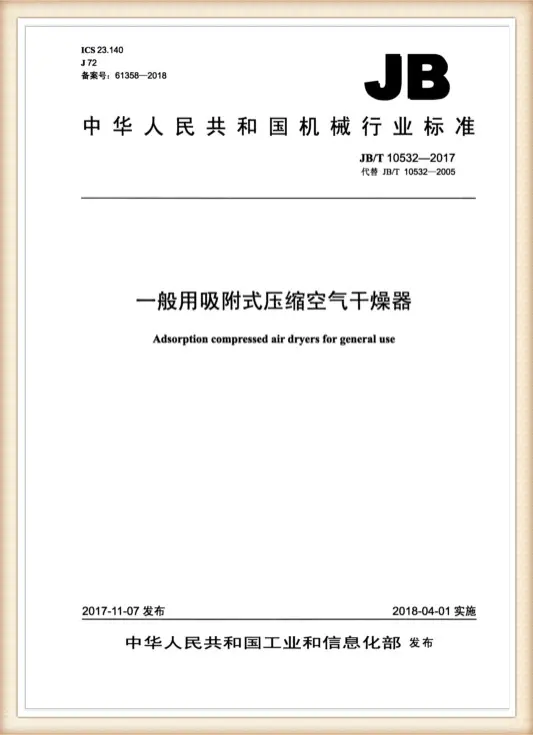
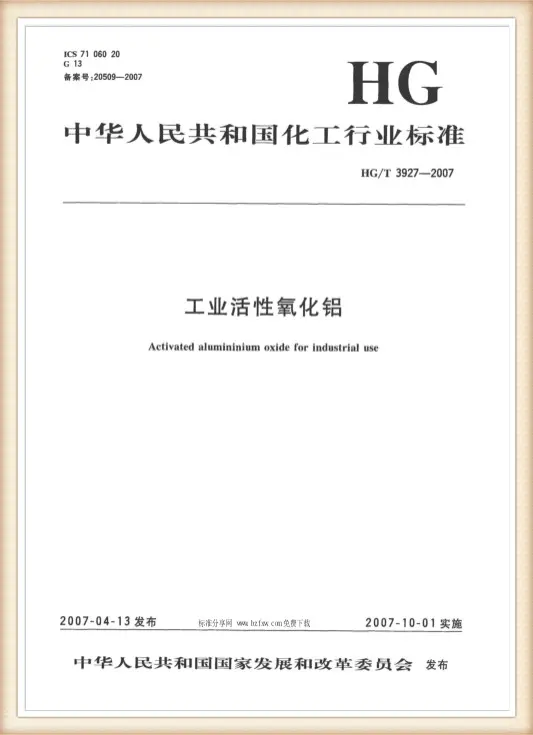
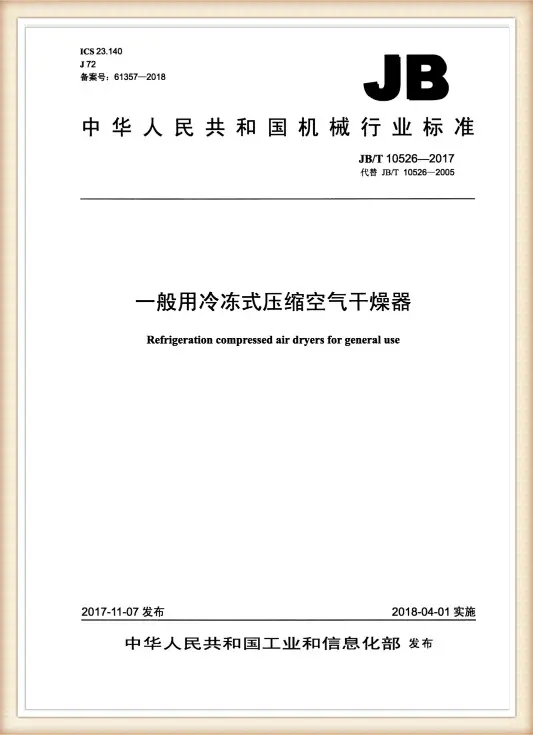
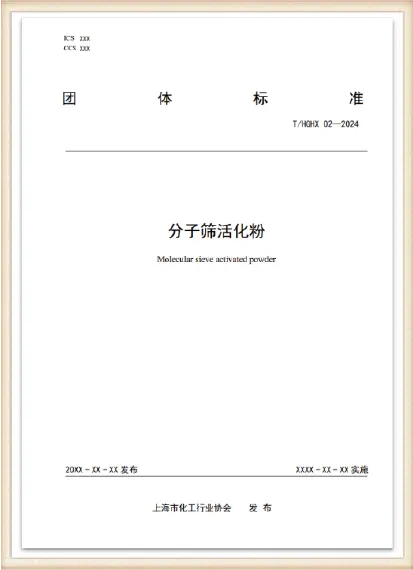
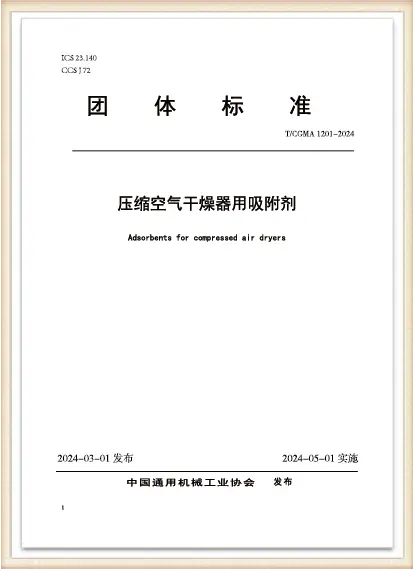
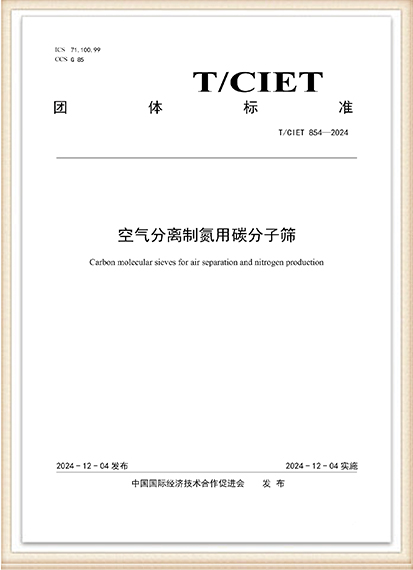
The molecular sieve industry is shifting from traditional physical adsorption to customized, chemically modified frameworks. Over the next decade, three key technological trends will shape the market:
Selecting an adsorption partner involves evaluating their global supply chain reliability. With distribution networks active in the United States, Europe, Southeast Asia, South America, and the Middle East, Shanghai Jiuzhou Chemicals ensures consistent supply and expert technical support.
Our engineering services team assists clients through every step of the process:
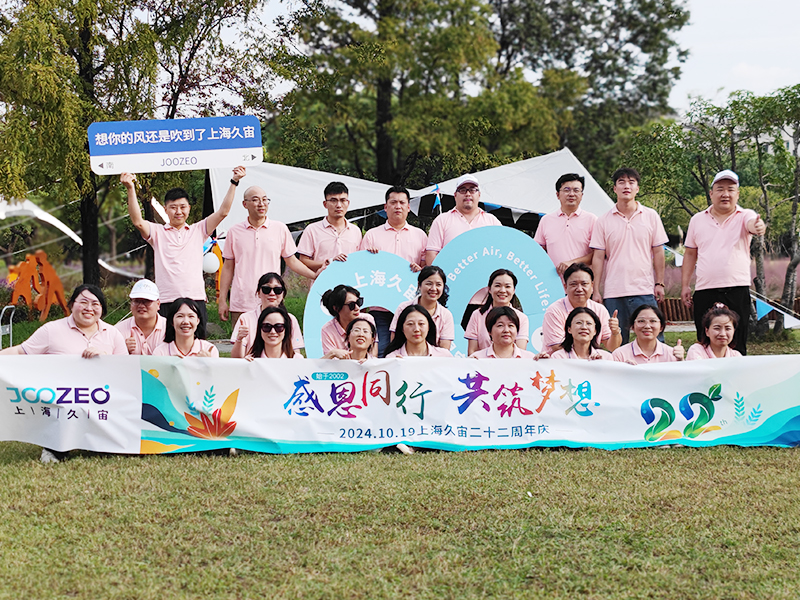
"Better air, Better life" — JOOZEO actively invests in clean manufacturing and environmentally sustainable solutions.
Answers to common questions about selecting, operating, and regenerating molecular sieves.
Explore our advanced products, including standard-setting molecular sieves, alumina catalysts, and custom adsorbents.
Have a question or looking to optimize your adsorption columns? Submit your process details and requirements, and our engineers will reply within 24 hours.
Send Request