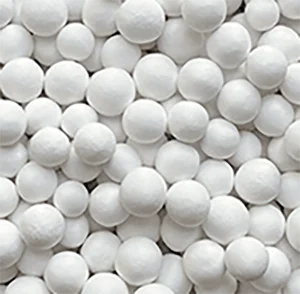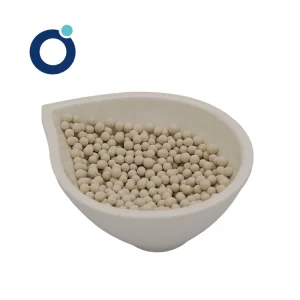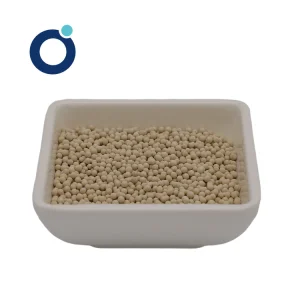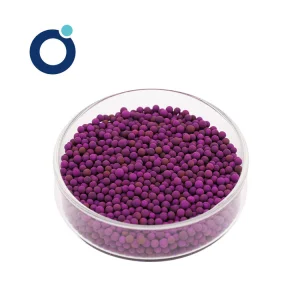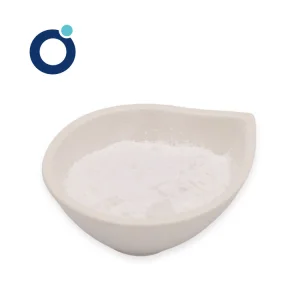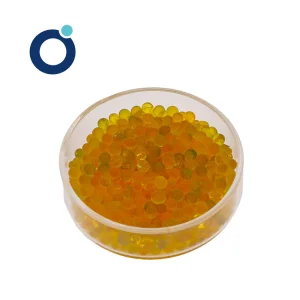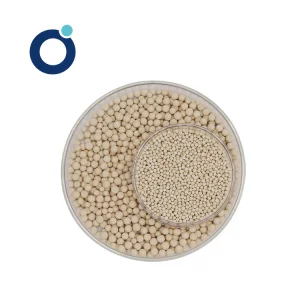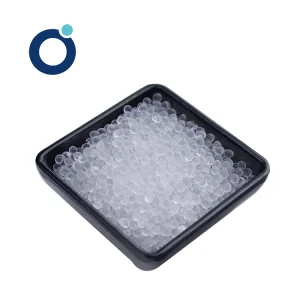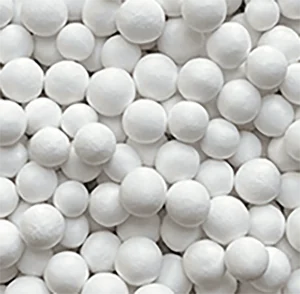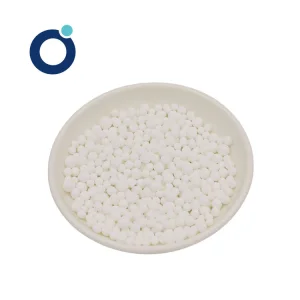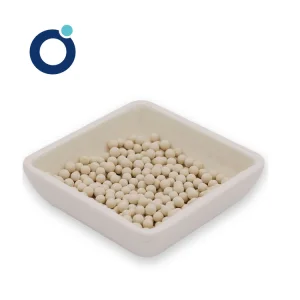
Specially engineered synthetic zeolites, aluminas, and silica gels optimizing industrial drying applications.
In the modern chemical processing, pharmaceutical manufacturing, and electronic packaging industries, maintaining trace-level humidity controls inside dynamic solvent lines is a critical operational mandate. Enterprise procurement officers are consistently searching for optimal OEM Molecular Sieve Factories capable of customizing crystalline microporous frameworks to match specific solvent polarities, molecular kinetics, and regeneration cycles.
The global procurement landscape for high-purity desiccants demands highly reliable manufacturing capabilities combined with deep laboratory validation. Standard off-the-shelf molecular sieves often fail to prevent the co-adsorption of critical carrier molecules, leading to catalyst poisoning, reduced solvent purity, or excessive product loss. Selecting the right synthetic zeolite requires a thorough evaluation of technical metrics, including static water adsorption capacity, bulk density, packaging stability under high pressure, and particle attrition rates.
When liquid phases are saturated with moisture, standard thermodynamic equilibrium shifts, increasing the risk of unwanted chemical reactions. Crystalline sodium aluminosilicates (like 3A, 4A, and 5A type zeolites) act as precision kinetic sieves. By selecting exact pore apertures, engineers isolate moisture molecules (approx. 2.8Å kinetic diameter) while completely excluding carrier solvents like ethanol, methanol, hexane, or acetonitrile.
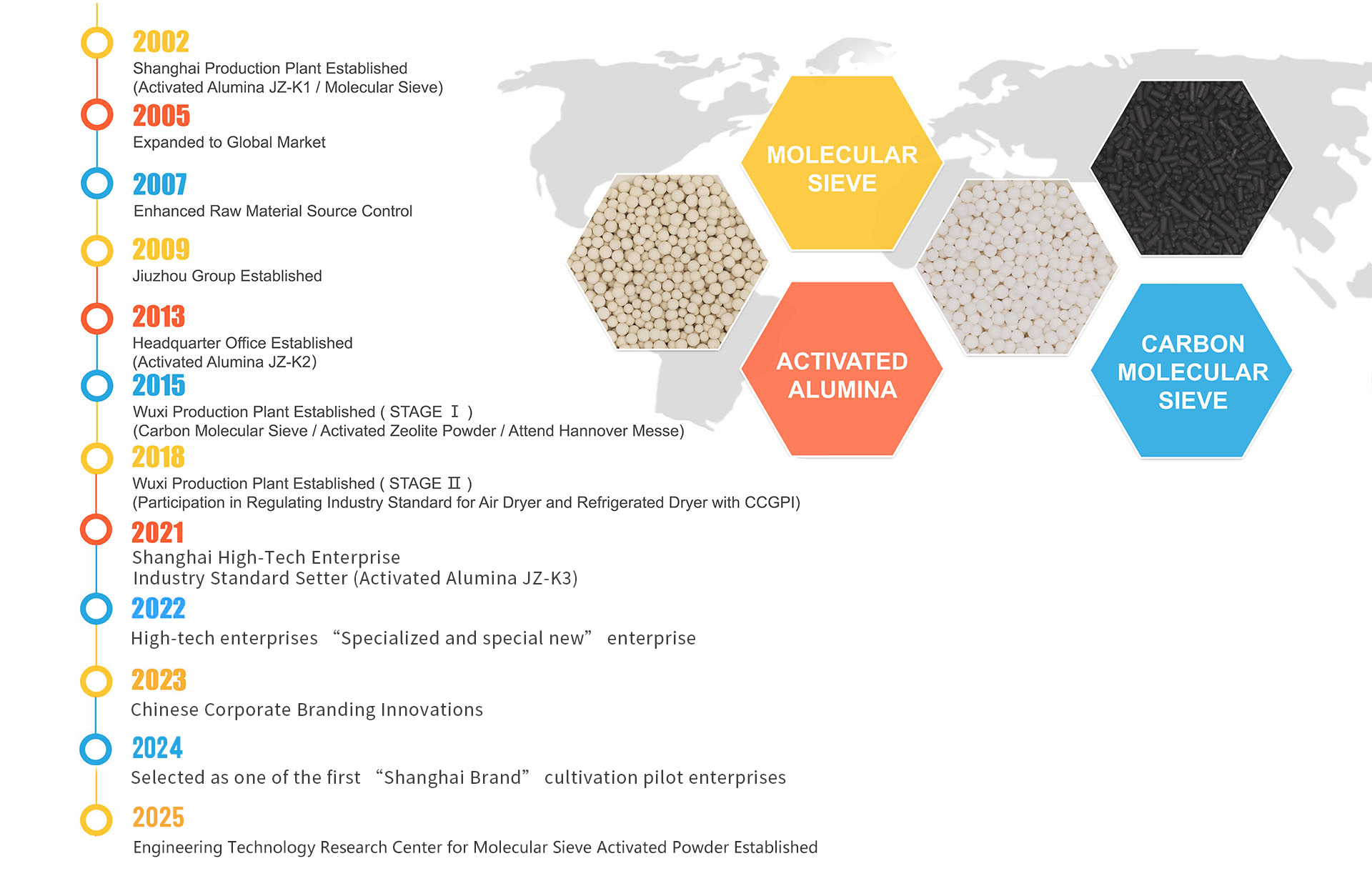
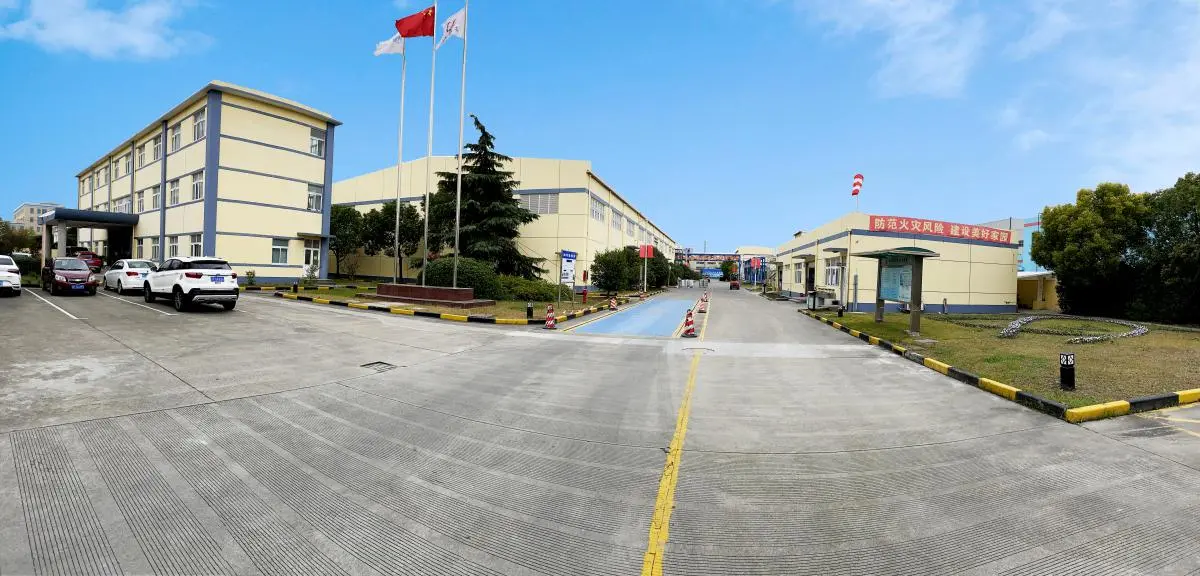
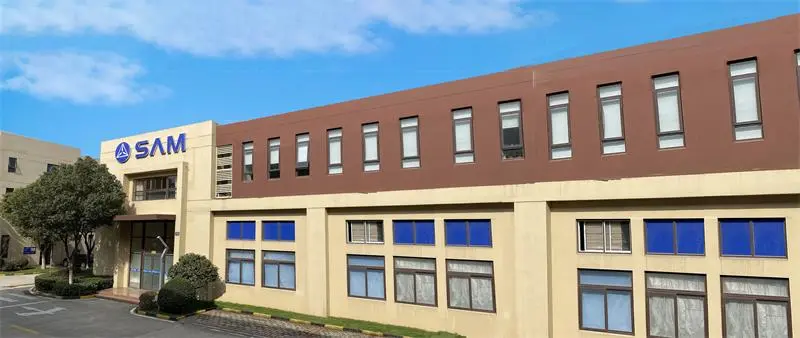
Located in the major economic development center of Shanghai, Shanghai Jiuzhou Chemicals Co., Ltd. has consistently adhered to strict "Quality Control & Continuous Innovation" principles. We specialize in research, development, and advanced synthesis of high-end chemical adsorbents. Our primary chemical offerings include molecular sieve powders, finished molecular sieves, activated powder, activated alumina, aluminum oxide catalysts, various alumina packing materials, ceramic balls, sodium silicates, aluminum hydroxide, zeolite 4A, sodium carbonates, and SLES. All products are fully certified under the ISO9001:2008 Quality Management System, TUV, and SGS standards.
Deep-bed adsorption technology engineered to solve severe moisture challenges across major processing fields.
Ensuring ultra-low water content (down to 10 ppm) in reaction solvents like tetrahydrofuran (THF), dichloromethane, and toluene. Prevents hydrolysis during sensitive nucleophilic substitutions and organometallic reactions.
Removal of water from cracked gas, liquid hydrocarbons, and natural gas streams. Safeguards down-stream processing catalysts and prevents hydrate blockages in cryogenic separation units.
Breaking the ethanol-water azeotrope (95.6% ethanol) using Vapor Phase Adsorption (VPA) with custom 3A molecular sieves, delivering fuel-grade dry ethanol (>99.9% purity) with minimal energy consumption.
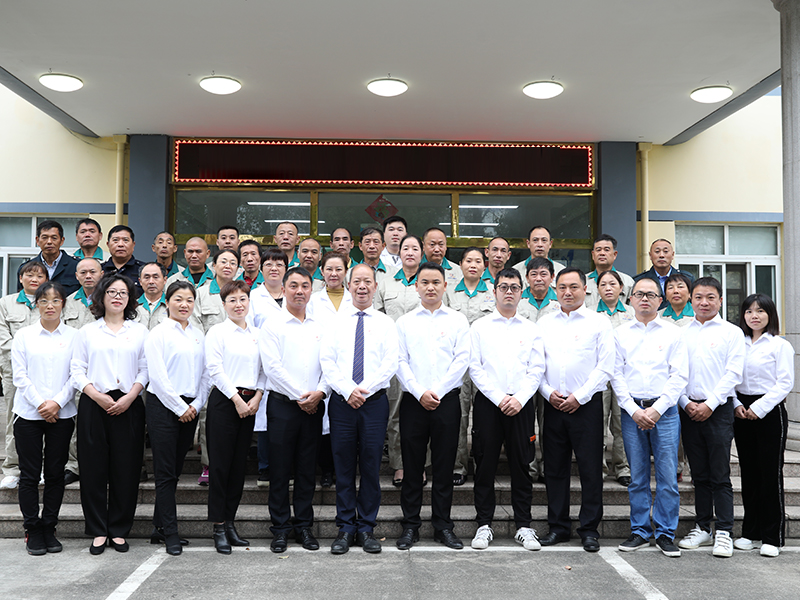
State-of-the-art automation and strict quality compliance across our production lines.
Standard structural and mechanical metrics of JOOZEO synthetic zeolites.
| Molecular Sieve Class | Effective Pore Aperture | Target Solvent Classes | Bulk Density (g/ml) | Static H2O Adsorption (wt%) | Crush Strength (N) |
|---|---|---|---|---|---|
| Type 3A Zeolite | ~ 3 Angstroms | Ethanol, Methanol, Acetonitrile, Acetone | ≥ 0.70 | ≥ 21.5% | ≥ 45 (Spherical) |
| Type 4A Zeolite | ~ 4 Angstroms | Chlorinated solvents, THF, Hexane, Ethers | ≥ 0.72 | ≥ 22.0% | ≥ 50 (Spherical) |
| Type 5A Zeolite | ~ 5 Angstroms | Toluene, Xylene, Paraffins, Esters | ≥ 0.73 | ≥ 22.5% | ≥ 55 (Spherical) |
| Carbon Sieve (CMS) | Customized Micro-aperture | Gas phase separation and selective dehydration | ≥ 0.65 | - | ≥ 35 (Pellets) |
"Better air, Better life"
JOOZEO represents authority and experience, shaping the industrial specifications for dryers and adsorbents.
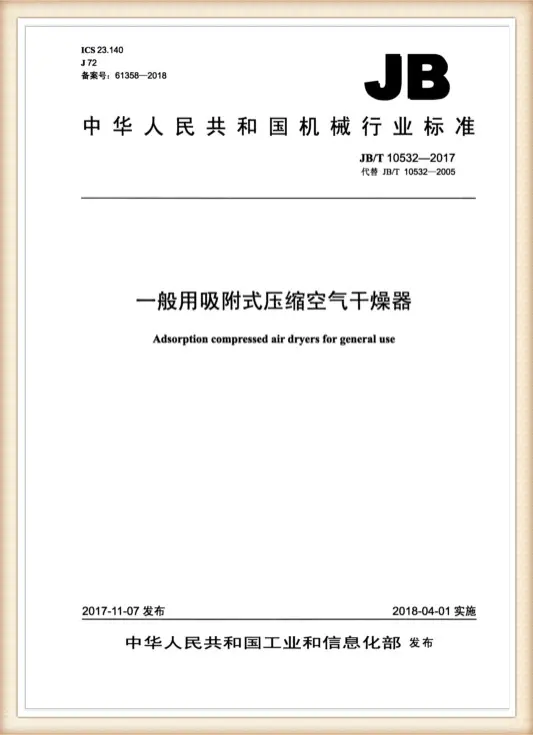
JB / T 10532-2017
Adsorption compressed air dryers for general use
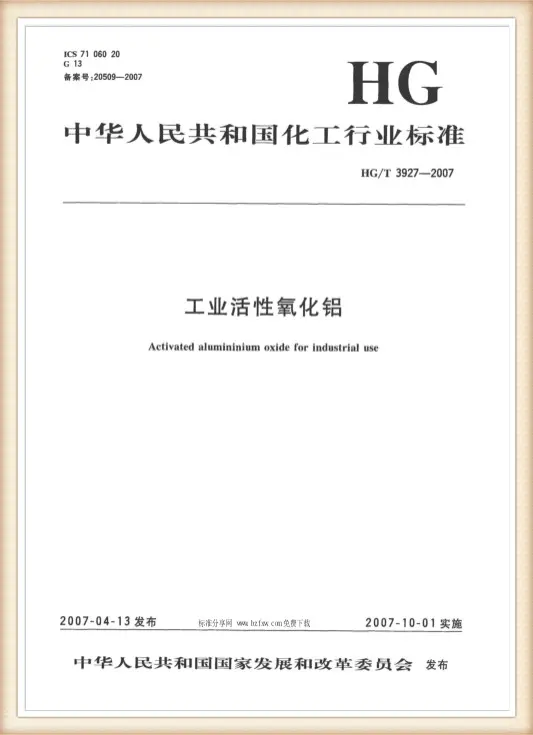
HG / T 3927-2007
Activated aluminium oxide for industrial use
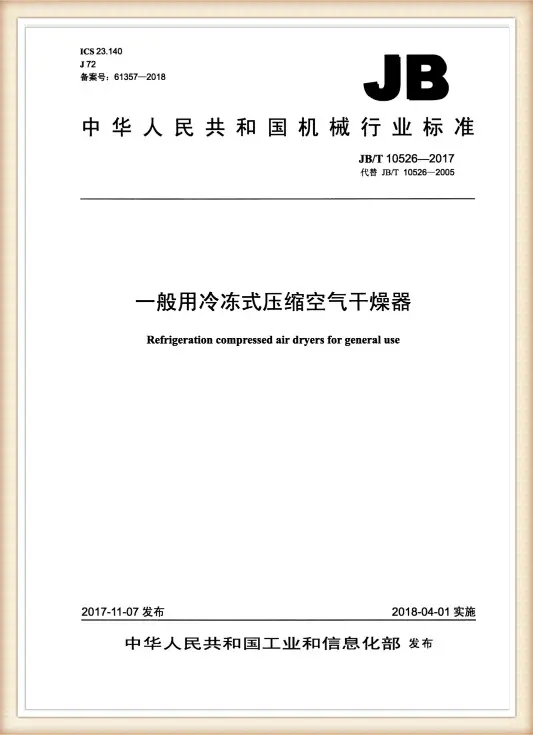
JB / T 10526-2017
Refrigeration compressed air dryers for general use
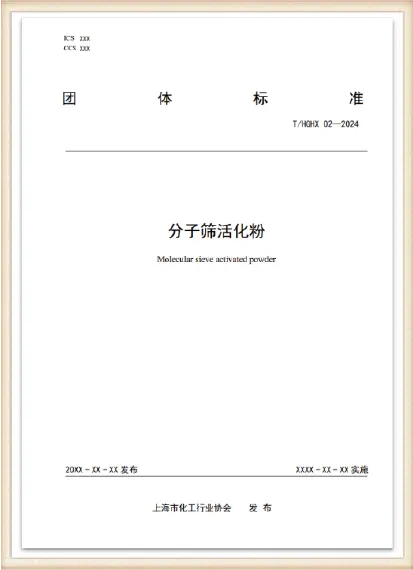
T/CGMA1201-2024
Industrial Group Standards
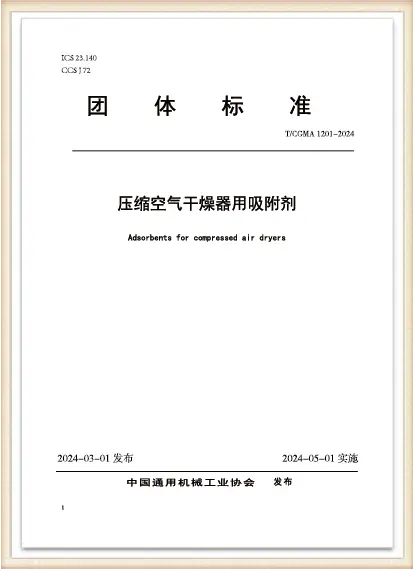
T/HGHX 02—2024
Adsorption Dryers Technical Rules
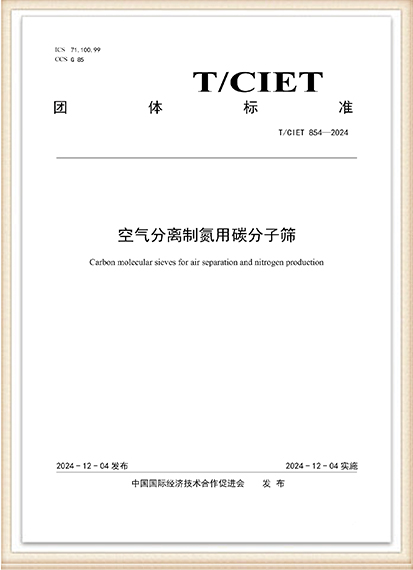
T/CIET 854-2024
Quality standard validation for synthetic materials
The development of next-generation chemical desiccants is shifting from traditional physical adsorption structures toward precision-functionalized surfaces. As industrial systems target reduced carbon footprints, lowering the energy required to regenerate molecular sieves is a primary engineering goal. Our dynamic laboratories focus on modifying pore geometries and improving hydrothermal stability. This helps minimize structural decay over hundreds of thermal swing adsorption (TSA) or pressure swing adsorption (PSA) cycles.
Furthermore, the expansion of green energy infrastructure (such as lithium battery manufacturing and fuel-cell grade hydrogen production) demands extremely reliable localized supply chains. As a leading OEM molecular sieve factory, Shanghai Jiuzhou Chemicals is scaling production to meet global demands, ensuring all materials conform to strict international environmental regulations.
Deep engineering answers regarding choice, optimization, and mechanical operations of desiccant beds.
Get in touch with our Shanghai and Wuxi engineering teams today. We analyze your solvent composition and cycle requirements to deliver custom-tailored molecular sieves.
Send Inquiry RequestFurther advanced silica gels, aluminas, and structured molecular sieves from the JOOZEO manufacturing line.