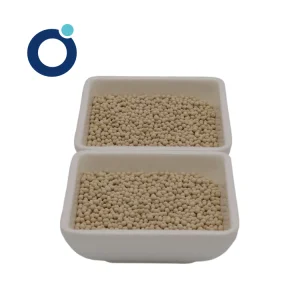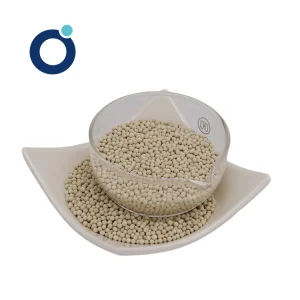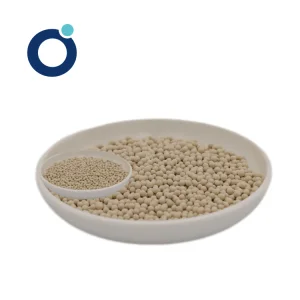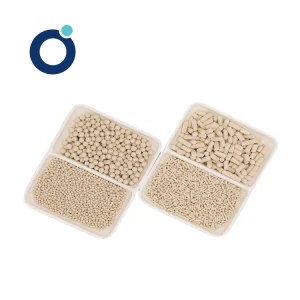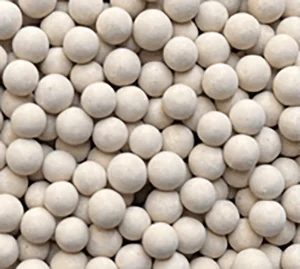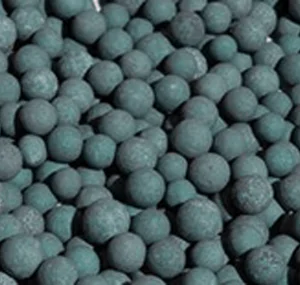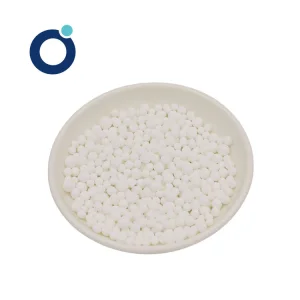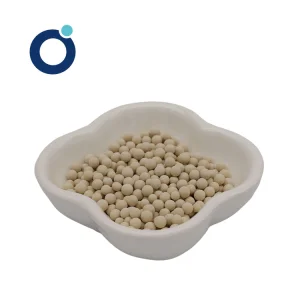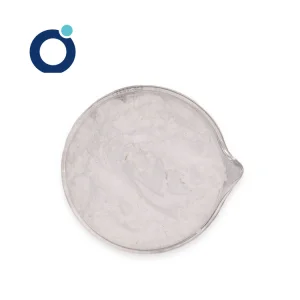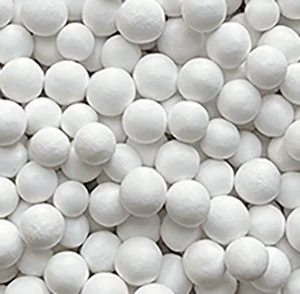
Engineered high-density molecular sieves optimized for the local Swiss cryogenic separations, pharmaceutical desiccants, and biogas upgrade stations.
Optimized for pressure swing adsorption (PSA) oxygen generators in Swiss clinical environments.
Exhibits exceptional moisture and carbon dioxide co-adsorption capacities under sub-zero temperatures.
3Å pore geometry specifically configured to dry industrial ethanol and noble gases without catalytic cracking.
Premium 5Å calcium-aluminosilicate designed to separate straight-chain hydrocarbons and purify syngas.
The canton of Geneva, recognized globally as a powerhouse of precision engineering, biotechnology, and scientific research (notably hosting CERN, the European Organization for Nuclear Research), maintains rigorous standards for molecular separation and gas drying processes. The localized requirements for high-purity dry air, ultra-low dew point nitrogen, and volatile organic compound (VOC) abatement demand synthetic zeolites of unparalleled physical integrity and adsorption kinetics.
For instance, in cryogenic liquid gas separation plants situated in the Geneva-Lausanne corridor, raw air must be stripped of carbon dioxide ($CO_2$) and trace moisture down to ppb (parts-per-billion) levels to prevent heat exchanger freeze-ups. Our molecular sieves, certified under global quality standards, play a critical role in Swiss laboratories, energy sectors, and advanced insulation manufacturing.
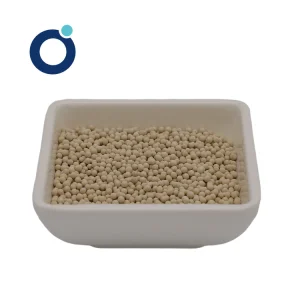
Geneva's active transition toward carbon-neutral municipal networks relies heavily on biogas digestion. By implementing specialized JZ-ZMS9 (13X) and 5A crystalline lattices, local utility providers achieve highly efficient methane enrichment via the removal of carbon dioxide and hydrogen sulfide ($H_2S$).
With massive particle accelerators and high-vacuum experimental chambers in Geneva, custom activated alumina and molecular sieve powders are essential to absorb outgassing solvents, maintaining system vacuum profiles down to ultra-high vacuum (UHV) regimes without contaminating complex detector electronics.
Molecular sieves are crystalline aluminosilicates featuring uniform three-dimensional pore structures. The selectivity of these materials is dictated by the kinetic diameter of diffusing molecules relative to the aperture of the zeolite cage.
For instance, a 3Å molecular sieve (JZ-ZMS3) utilizes potassium cations to restrict its pore openings, allowing water molecules ($~2.6 \text{ Å}$) to enter while strictly excluding larger molecules like ethanol ($~3.6 \text{ Å}$) or ethylene. This makes it the premier agent for bio-ethanol dehydration plants in Switzerland, avoiding co-adsorption and subsequent catalytic side reactions.
| Type | Pore Aperture (Nominal) | Cation | Critical Adsorbates | Geneva Target Application |
|---|---|---|---|---|
| JZ-ZMS3 (3A) | 3 Å | Potassium ($K^+$) | $H_2O$, $NH_3$ | Bio-fuel drying, Insulating glass units, solvent dehydration. |
| JZ-ZMS4 (4A) | 4 Å | Sodium ($Na^+$) | $CO_2$, $H_2S$, $C_2H_6$, $Ar$ | Closed-loop pneumatic air brakes, instrument air dryers. |
| JZ-ZMS5 (5A) | 5 Å | Calcium ($Ca^{2+}$) | n-paraffins, $H_2$, $CH_4$ | PSA Hydrogen separation, municipal biogas upgrading. |
| JZ-ZMS9 (13X) | 10 Å | Sodium ($Na^+$) | Branched hydrocarbons, heavy mercaptans | Cryogenic air pre-purification feed beds, medical oxygen. |
In industrial purification towers, the efficiency of a molecular sieve is heavily dependent on the depth of the Mass Transfer Zone (MTZ). A narrower MTZ translates to a sharper breakthrough curve, allowing a larger percentage of the bed to be utilized before regeneration is triggered. JOOZEO’s synthetic zeolites are formulated using high-purity binders to ensure maximum structural integrity and optimized macropore diffusion, reducing MTZ resistance and minimizing energy consumption during thermal swing regeneration (TSA).
Shanghai Jiuzhou Chemicals Co., Ltd., based in China's primary economic engine, Shanghai, is dedicated to the development, manufacturing, and global supply of premium-grade adsorption chemicals. Our products comply with ISO9001:2008 standards and have received authoritative TUV & SGS certifications. With state-of-the-art factories in Wuxi and Shanghai, we supply specialized solutions to energy and chemical enterprises globally.
JOOZEO has contributed directly to setting national and industry benchmarks, guaranteeing that every batch delivered to Geneva matches the structural and functional criteria demanded by highly controlled Swiss laboratory operations.
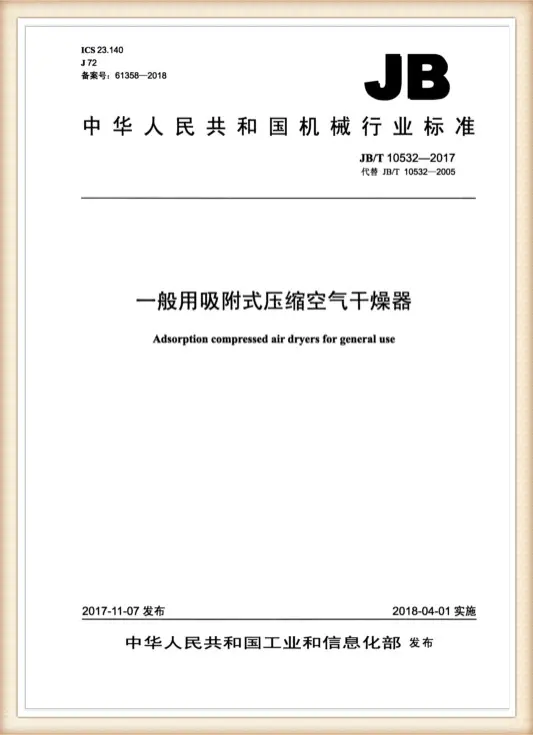
JB/T 10532-2017
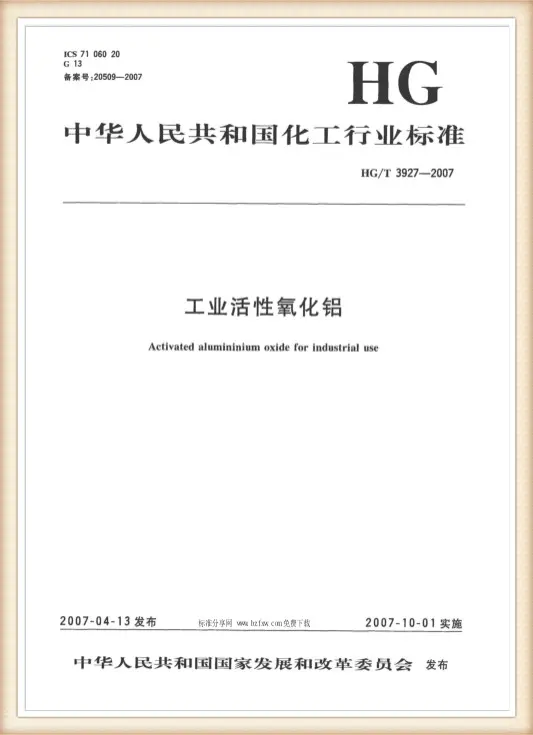
HG/T 3927-2007
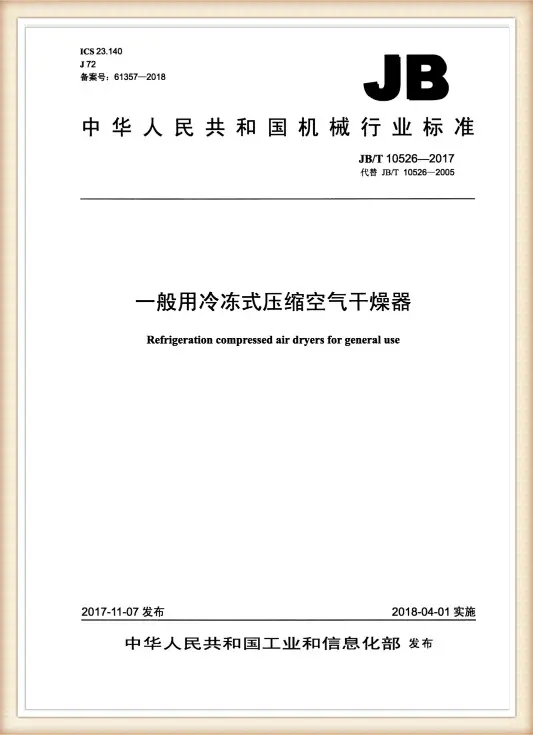
JB/T 10526-2017
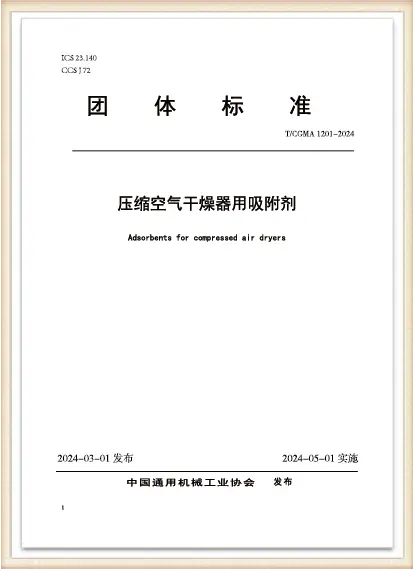
T/CGMA1201-2024
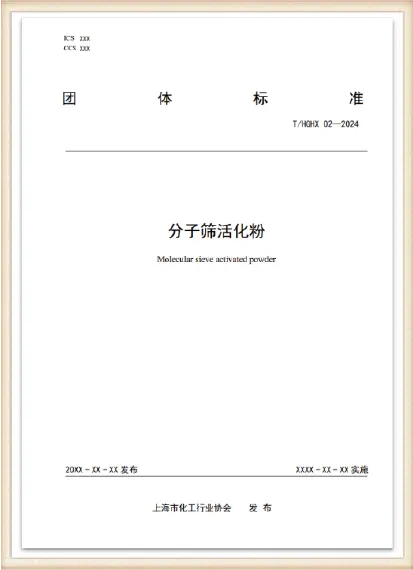
T/HGHX 02-2024
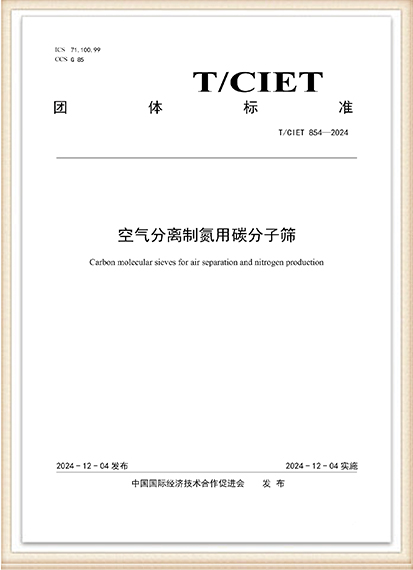
T/CIET 854-2024
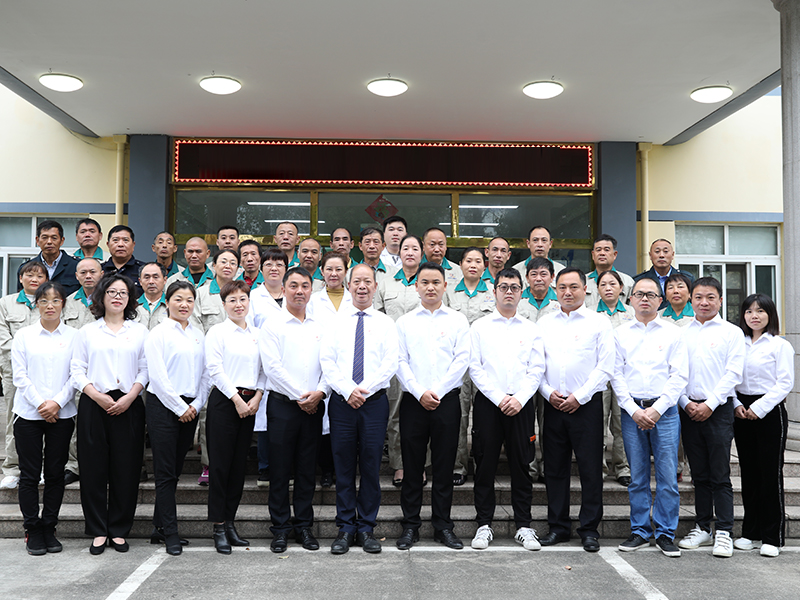
Our dual factories in Wuxi and Shanghai operate dynamic laboratories featuring ICP-OES, XRD, and high-pressure breakthrough test loops to simulate the real-world process conditions of our European clients.
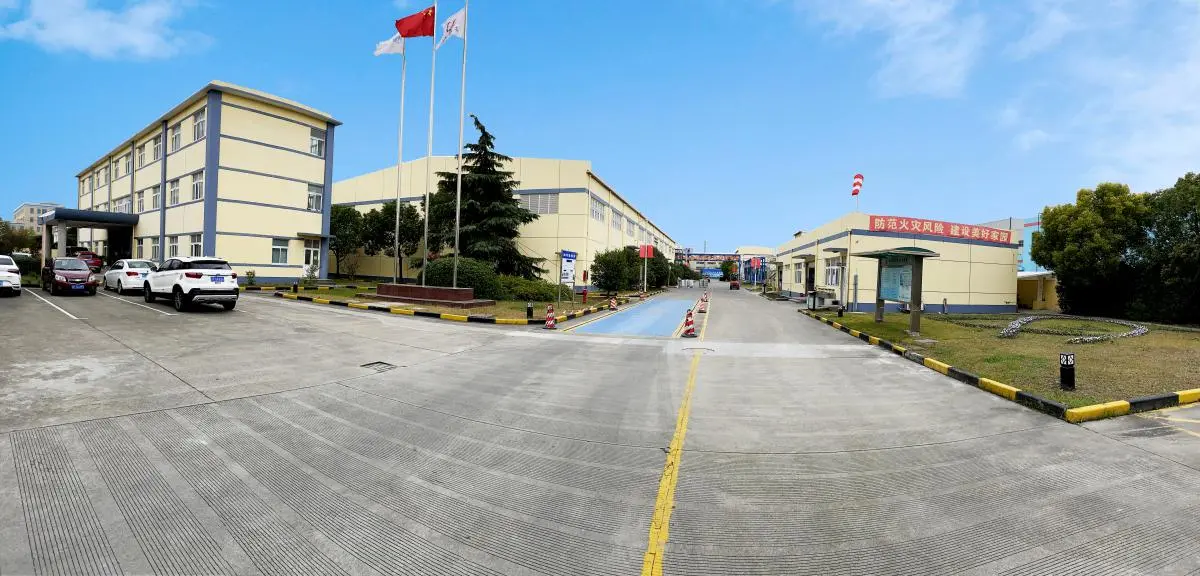
Shanghai Factory

Wuxi Factory
Select from our certified range of molecular sieve powders, activated alumina, and chemical catalysts designed to endure harsh pressure and thermal regeneration cycles.
Optimized for cryogenic air separation and heavy VOC absorption pipelines in chemical facilities.
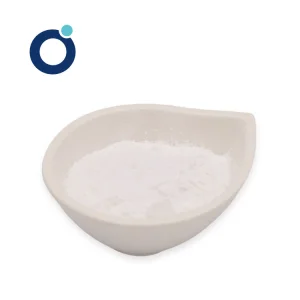
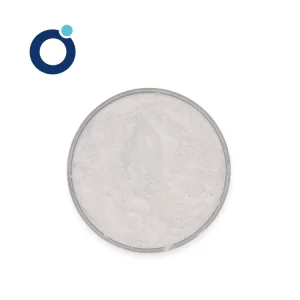
Dehydrated zeolite powder engineered to eliminate moisture in high-precision polyurethane formulations.
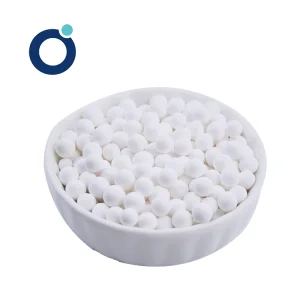
High-porosity activated alumina designed for dynamic instrument air desiccant dryers.
Exhibits exceptional chemical compatibility with eco-friendly hydrofluorocarbon refrigerants.
Custom-bound carrier offering superior crush strength for high-pressure chemical reactions.
Engineered specifically for petrochemical and organic synthesis facilities requiring structural stability.
Water-resistant silica-alumina gel designed for gas drying under high relative humidity peaks.
Premium gas purification agent optimized for high-velocity municipal gas upgrading units.
In an era of unpredictable supply dynamics, Shanghai Jiuzhou Chemical Co., Ltd. (JOOZEO) offers an optimized, resilient supply bridge between Chinese high-efficiency manufacturing centers and Swiss end-users. We manage a robust shipping network that operates through Shanghai and Ningbo ports, utilizing premium sea-air intermodal routes to ensure transit security and timely customs clearance at Cointrin customs checkpoints in Geneva.
We own long-term supply agreements for high-grade natural and synthetic silicates, shielding Swiss distributors from market cost spikes and raw material shortages.
Every single pallet is tested under dynamic conditions. Test reports for dew point suppression ($<-70^\circ\text{C}$) and mechanical crush strength are enclosed with your order.
Our global shipping team provides full EUR.1 movement certificates, simplifying Swiss import tariff protocols under the current Sino-Swiss Free Trade Agreement.
To maximize the operating lifespan of molecular sieves in Swiss industrial environments, proper regeneration procedures are essential. In dynamic adsorption cycles, water and polar solvents enrich the zeolite pores until saturation occurs. Regeneration is executed by modifying the pressure (Pressure Swing Adsorption - PSA) or raising the temperature (Thermal Swing Adsorption - TSA).
Adhering strictly to these thermal ramps prevents zeolite dealumination, preserving the high mechanical crush strength ($>40\text{ N}$ for spheres and extrudates) and ensuring up to 3000+ regeneration cycles.
Supporting products and chemical auxiliaries essential for full-facility operation, gas preprocessing, and pH control loops.
Primary industrial alkaline agent for regional water treatment plants and specialty glass production.
Engineered catalyst targeting organic impurities in high-sensitivity gas purification lines.
Features optimized macro-pore volumes to support custom metal impregnation processes.
Super-fine moisture scavenger designed for high-performance sealants and coatings.
"Better air, Better life"
We believe that modern chemical manufacturing must align with ecological balance. Through dust mitigation facilities and high-efficiency heat recovery systems inside our factories, we minimize our global carbon footprint, supporting sustainable supply chains for our customers in Switzerland.
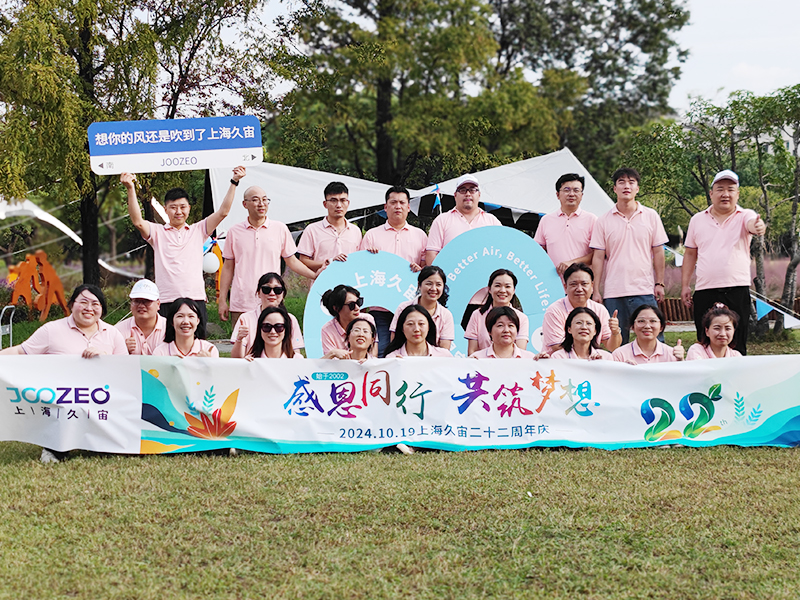
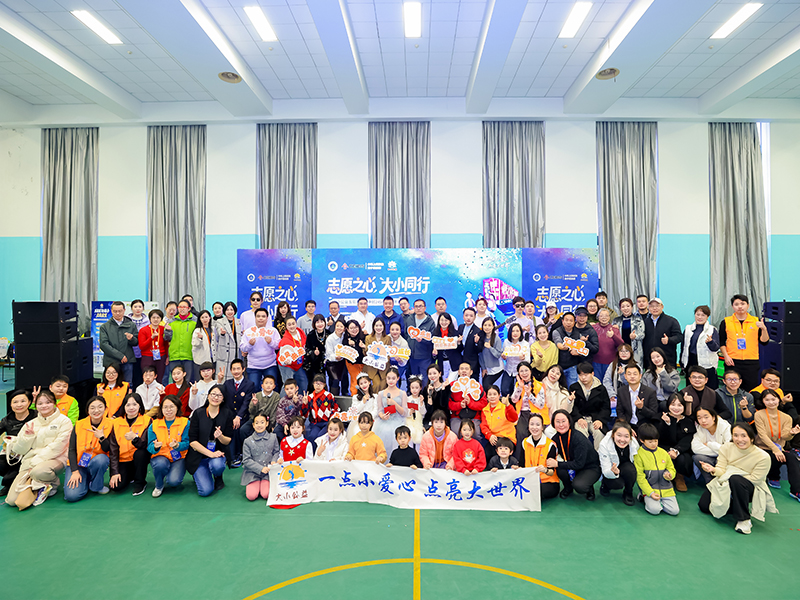
Answers to critical design and application questions routinely raised by process engineers and purchasing departments in Geneva.
Speak directly with our technical support team. We provide cycle simulations, bed design optimizations, and competitive quotes within 24 hours.