A Comprehensive Industry Whitepaper on Adsorptive Desiccant Engineering, Molecular Dynamics, Global Market Indices, and Advanced Sourcing Solutions
Engineered compounds for precise gas separation, static moisture control, and chemical process optimization.
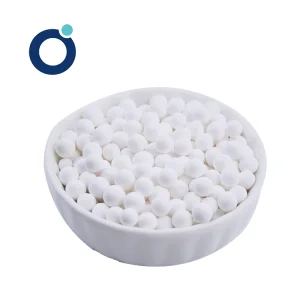
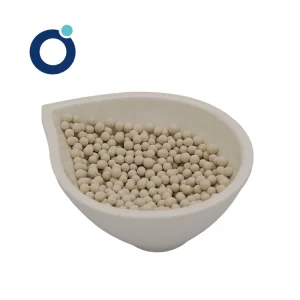
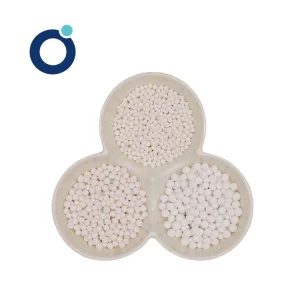
Zeolite 4A is a synthetic sodium aluminosilicate featuring a crystalline framework structure belonging to the cubic type A family (LTA topology). Structurally, it is represented by the unit chemical formula: Na₁₂[(AlO₂)₁₂(SiO₂)₁₂]·27H₂O. The effective pore opening of Zeolite 4A is approximately 4 Ångströms (0.4 nm), which limits molecular penetration based purely on steric exclusion. Any molecule with a kinetic diameter smaller than 4 Å—such as water (2.65 Å), carbon dioxide (3.3 Å), sulfur dioxide (3.6 Å), and hydrogen sulfide (3.6 Å)—is rapidly and preferentially co-adsorbed within its internal alpha-cages. Meanwhile, larger molecules, like propane, butane, and branched hydrocarbons, are structurally excluded.
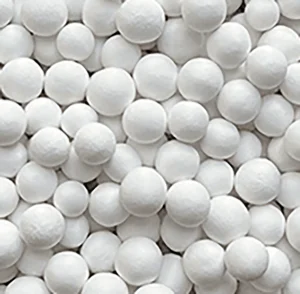
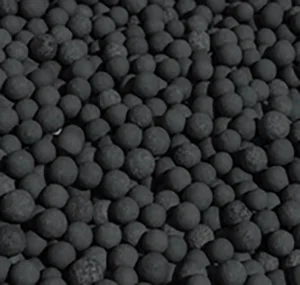
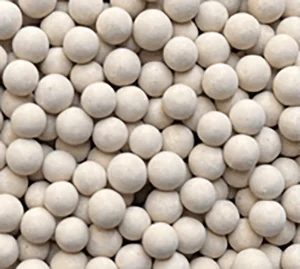
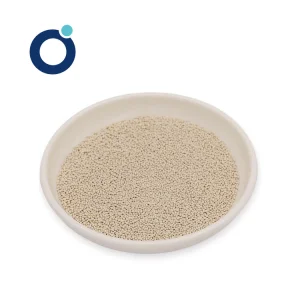
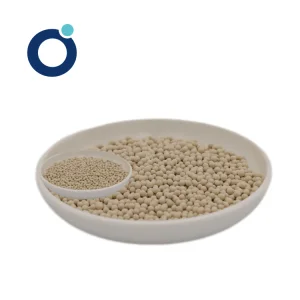
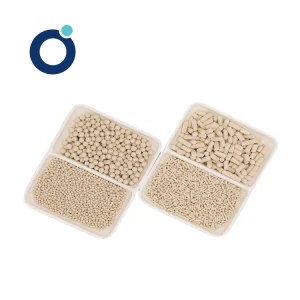
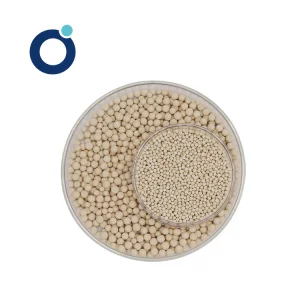
The industrial performance of 4A Molecular Sieve depends greatly on the synthesis method, crystalline purity, and mechanical binding agent quality. Standard raw materials include silicate solutions, sodium aluminate, and caustic soda. Through hydrothermal crystallization, amorphous gels are transformed into highly ordered crystalline structures. The raw powder (Zeolite 4A powder) is then formulated with inorganic binders (typically attapulgite or kaolin clays) and rolled into spheres or extruded into pellets, followed by high-temperature calcination to activate the material. This thermal activation step eliminates structural water, creating an active micro-porous matrix with high affinity for polar compounds.
As industrial processes aim for carbon neutrality and operational efficiency, 4A molecular sieves have become vital components in dynamic adsorption columns. The primary industrial solutions include:
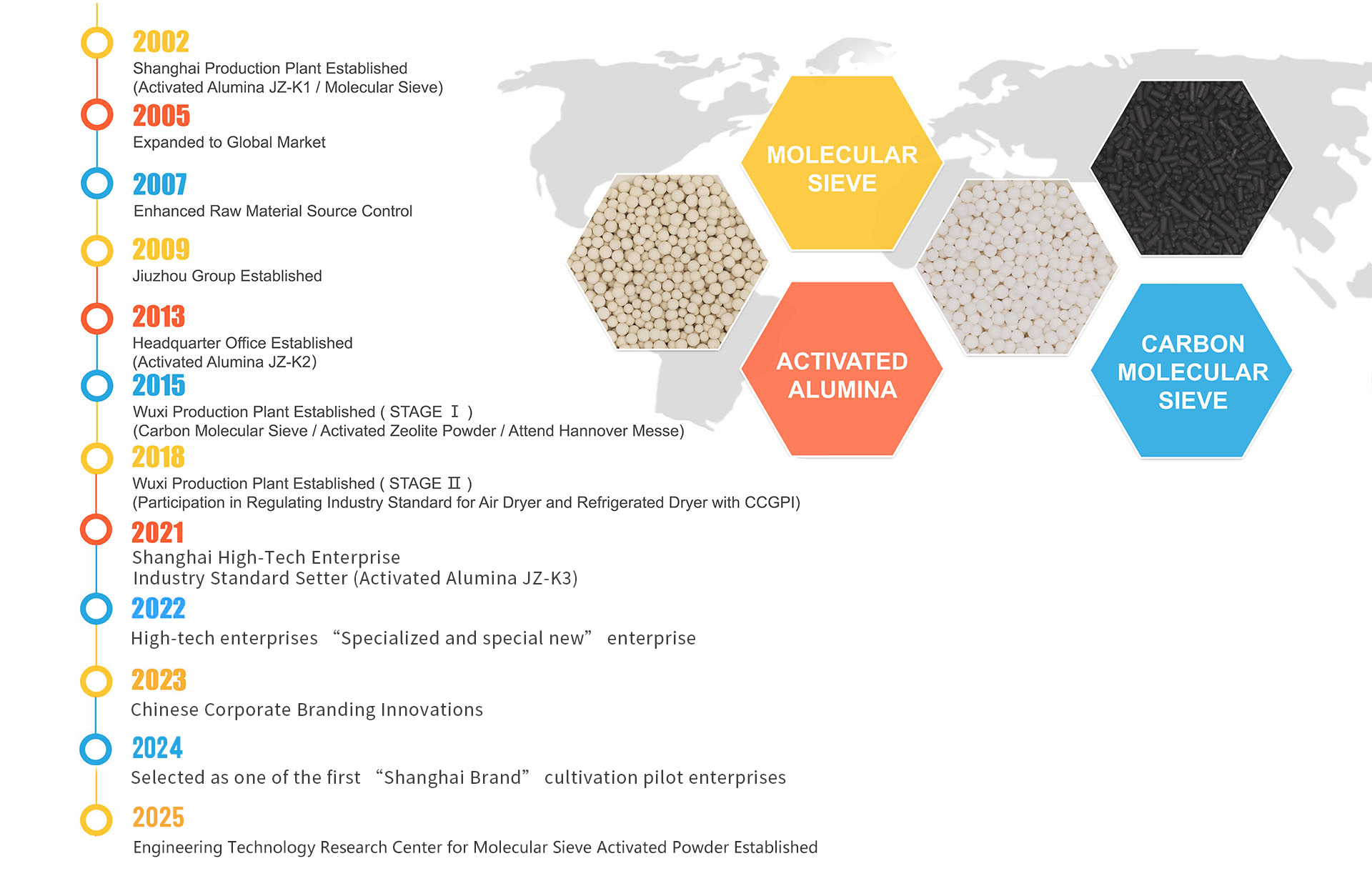
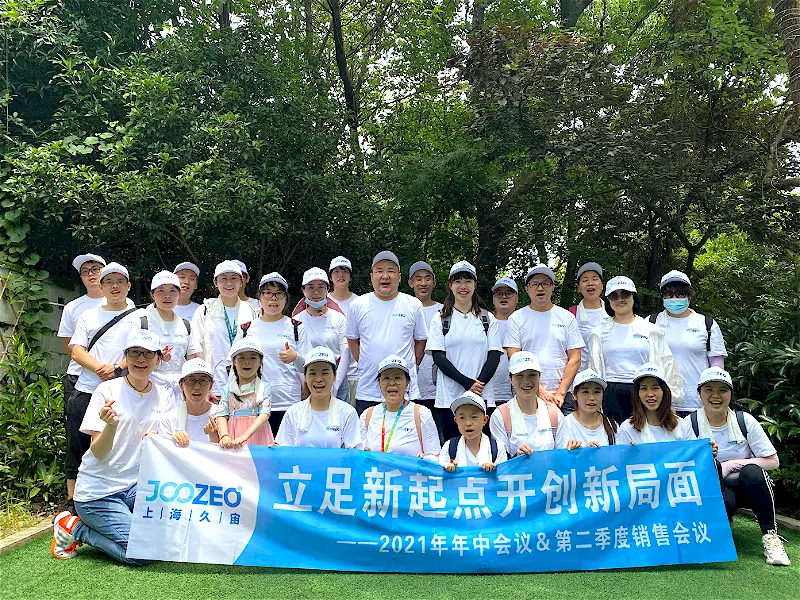
Shanghai Jiuzhou Chemicals Co., Ltd.: Pioneering Advanced Inorganic Adsorbent Research & Multi-Site Manufacturing since 1994.
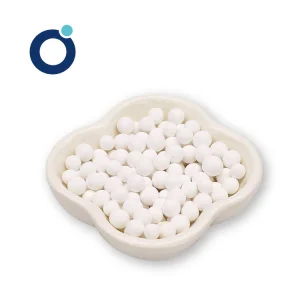
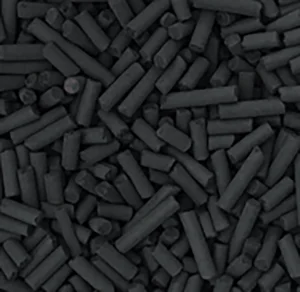
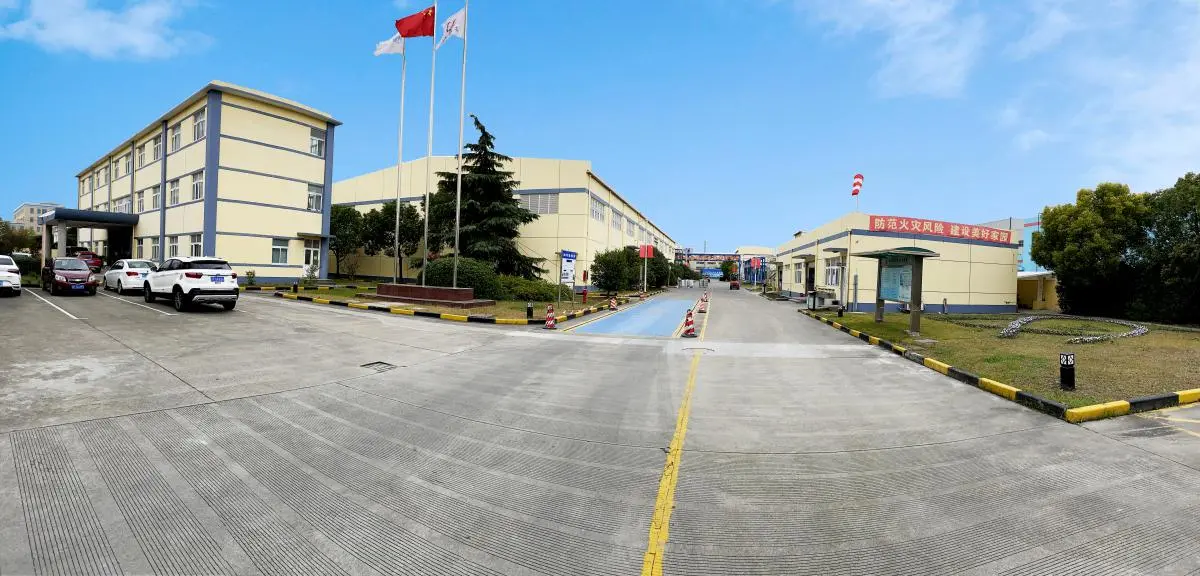
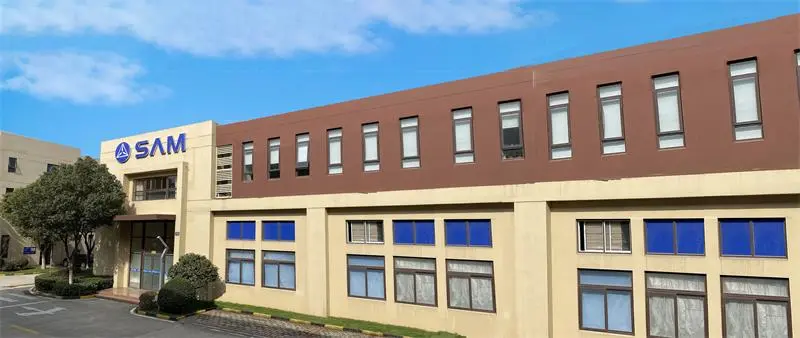
Located in the major economic hub of Shanghai, Shanghai Jiuzhou Chemicals Co., Ltd. has consistently focused on quality control and innovation. We develop, research, and manufacture high-quality chemical products. Our core product portfolio includes:
Our manufacturing facilities are ISO9001:2008 certified and verified by TUV and SGS. Our central research laboratory is equipped with advanced dynamic testing benches, gas chromatographs, laser particle size analyzers, and surface area analyzers (BET), ensuring our products meet international standards.
We maintain strict quality control and technical innovation to deliver reliable adsorption media for global supply chains.
When buying Zeolite 4A products, evaluating technical parameters helps ensure proper operation in industrial systems. Our 4A molecular sieves are manufactured to precise physical and chemical specifications, minimizing dust creation and maximizing water capacity.
| Property Parameter | Standard Value (Beads) | Standard Value (Pellets) | Analytical Methodology |
|---|---|---|---|
| Nominal Pore Diameter | 4 Ångströms (0.4 nm) | 4 Ångströms (0.4 nm) | Crystallographic Computation |
| Bulk Density (g/mL) | ≥ 0.72 | ≥ 0.68 | ASTM D4164 |
| Equilibrium Water Adsorption (RH 75%) | ≥ 21.5% wt | ≥ 21.5% wt | Gravimetric (constant humidity chambers) |
| Crushing Strength (N) | ≥ 80 N (diameter 3-5mm) | ≥ 45 N (diameter 1.6mm) | Automated Crush Tester |
| Attrition Rate (% wt) | ≤ 0.10% | ≤ 0.15% | Vibration/Rotary Drum Analysis |
| LOI (Loss on Ignition, 575°C) | ≤ 1.5% wt | ≤ 1.5% wt | Gravimetric Muffle Furnace |
| Package Moisture Content | ≤ 1.0% | ≤ 1.0% | Karl-Fischer Titration |
These parameters ensure the molecular sieve can withstand high thermal regeneration cycles without crystalline structural collapse. A low attrition rate prevents dust formation, which can cause downstream blockages in filters, valves, and compressors.
Shanghai Jiuzhou Chemicals is an active contributor to national and industry standards for chemical desiccants.
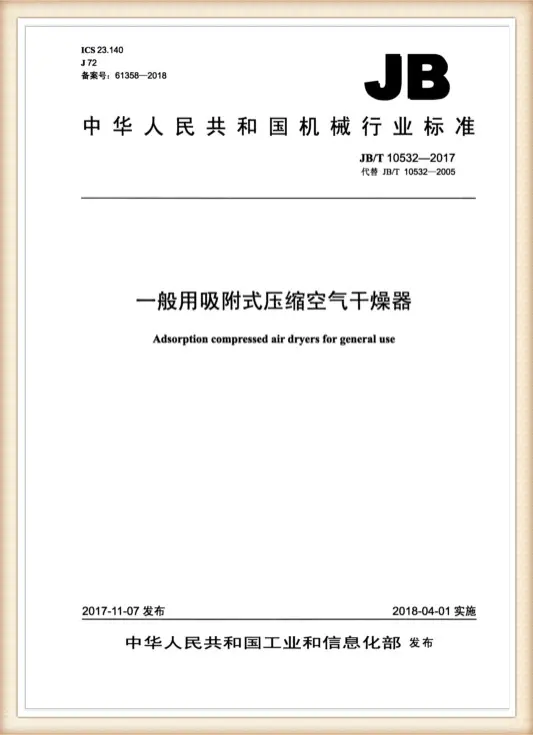
Adsorption compressed air dryers for general use
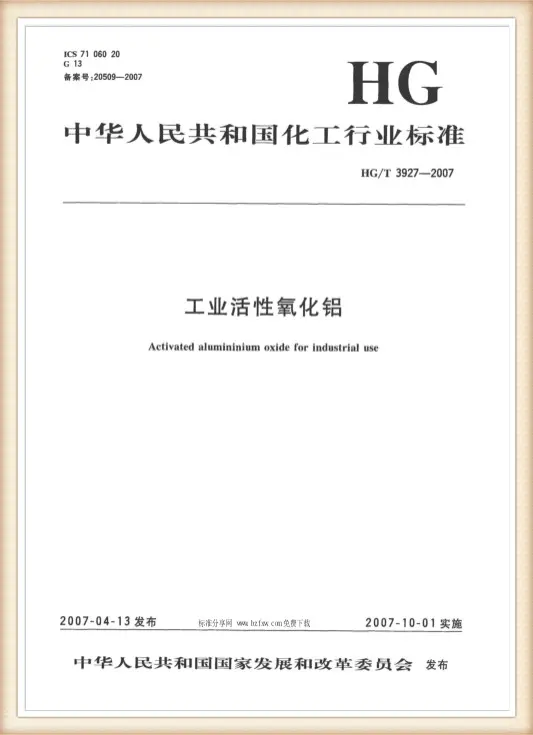
Activated aluminum oxide for industrial use
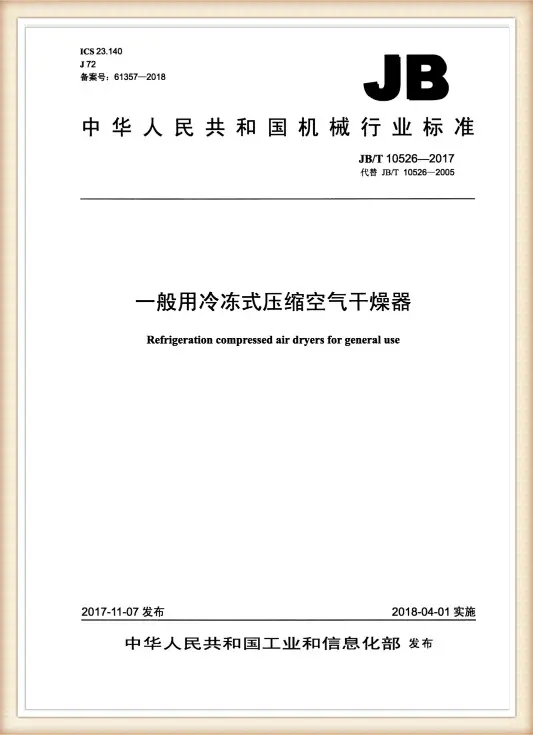
Refrigeration compressed air dryers for general use
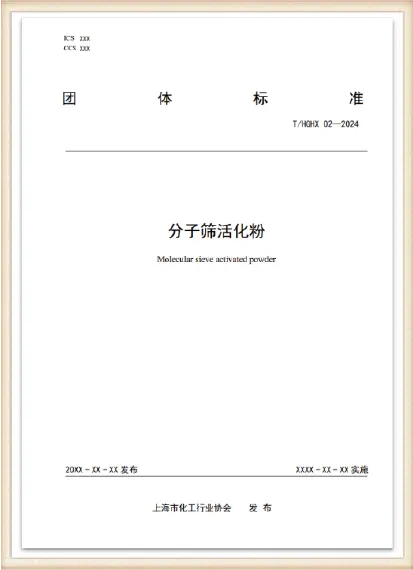
Industrial machinery standards & engineering guidelines
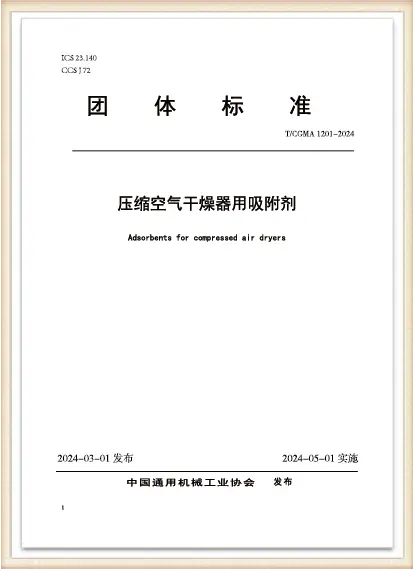
Chemical composition & safety testing framework
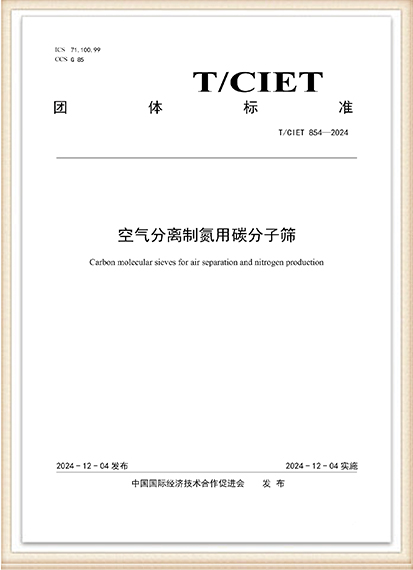
Green manufacturing & environmental assessment criteria
Better air, Better life
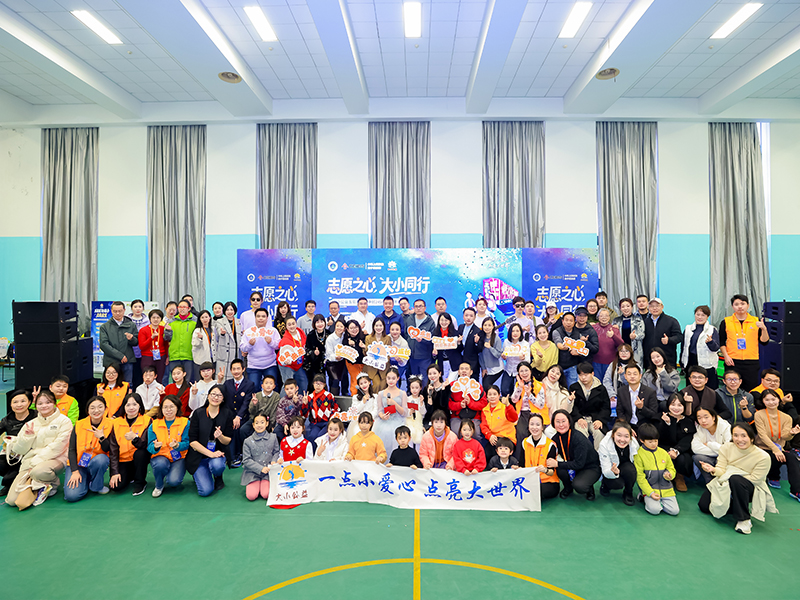
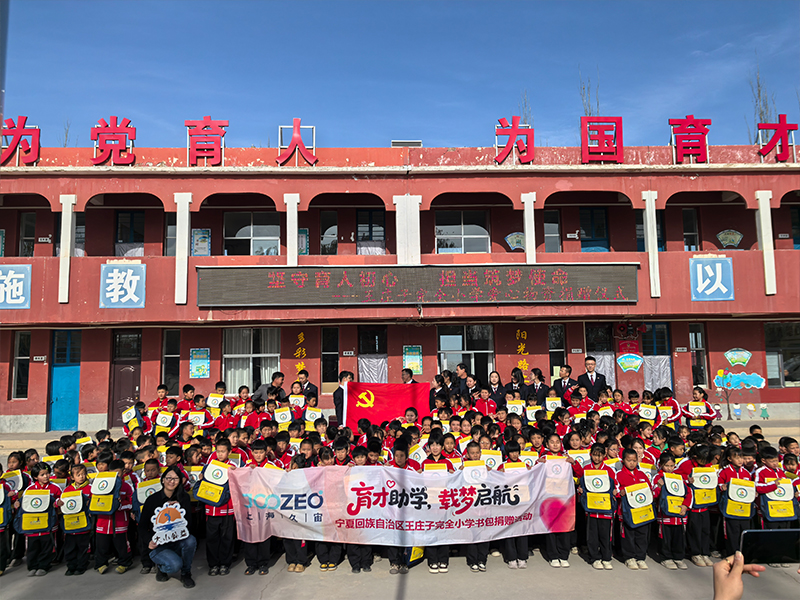
Our factories operate under eco-conscious principles, utilizing energy-recovery systems during calcination and implementing closed-loop wastewater systems to reduce our environmental footprint.


B2B buyers should evaluate several variables that influence the pricing structure of Zeolite 4A molecular sieves:
Typically, wholesale pricing for standard 4A molecular sieves ranges from $1,100 to $1,800 USD per metric ton (FOB China), depending on order volume, size specifications, and custom modifications.
Thermal Swing Adsorption (TSA) is the primary method used to regenerate 4A molecular sieves. The process involves heating the sieve bed to temperatures between 200°C and 320°C using a dry purge gas (typically dry nitrogen, methane, or dry instrument air).
Proper regeneration temperature control is essential. Heating above 450°C can cause thermal degradation of the aluminosilicate crystal structure, reducing the active pore volume. Regeneration should be performed using dry gas; high water vapor concentration at high temperatures can cause hydrothermal degradation, accelerating the loss of pore structure.
We are focusing our research on developing binders that reduce gas resistance and increase physical strength, as well as optimizing crystal structures to improve mass transfer rates. We also design products targeted at carbon capture applications.
Our development roadmap includes:
Common questions from engineers, buyers, and plant managers regarding Zeolite 4A applications.
High-purity carbon molecular sieves, oxygen concentrators, and specialty desiccants.
Contact our engineering support team for customized packing designs, physical capacity calculations, and custom size pricing.
We respond to corporate and technical requests within 24 hours.
Send Request